
全国统一电力市场建设

Search documents
国家能源局召开2026年电力调度交易与市场秩序厂网联席会议
国家能源局· 2026-03-03 09:09
Core Viewpoint - The National Energy Administration (NEA) is advancing the construction and regulation of the national unified electricity market in 2026, emphasizing energy security, green transformation, and fair competition in the market [4]. Group 1 - The NEA held a meeting on March 2, 2026, to discuss electricity dispatch trading and market order, with a focus on enhancing communication between power plants and networks [2]. - The meeting highlighted the importance of implementing the decisions made by the Central Committee and the State Council regarding the unified electricity market and the regulation of natural monopoly sectors [4]. - The NEA aims to strengthen regulatory work in key areas such as energy security and the promotion of green energy policies, while ensuring a fair competitive market environment [4]. Group 2 - The meeting included reports on the current status of electricity market construction and regulation, with contributions from electricity trading centers in Beijing and Guangzhou [4]. - Fourteen electricity companies shared insights on supply-demand dynamics, operational conditions, market construction, trading order, and clean energy consumption, along with suggestions for 2026 priorities [4].

国家能源局监管司司长郝瑞锋:塑造电力市场建设和监管领域新格局 全力服务支撑能源强国建设
Zhong Guo Dian Li Bao· 2026-02-27 02:45
Core Viewpoint - The article emphasizes the importance of establishing a new regulatory framework for the energy market in China, aligning with the country's goal of becoming a strong energy nation and enhancing the energy system [2][9]. Group 1: Regulatory Achievements and Goals - The National Energy Administration (NEA) has successfully completed various regulatory tasks in 2025, including the establishment of a unified national electricity market, which has seen a trading volume of 6.6 trillion kilowatt-hours, more than doubling since the end of the 13th Five-Year Plan [4]. - The NEA has implemented a series of regulatory measures, including the introduction of the first departmental regulations in the oil and gas pipeline sector and a comprehensive regulatory approach to address issues in the electricity market [5][11]. - The NEA aims to enhance the efficiency of cross-regional electricity transactions and promote a unified electricity market, with plans to revise rules for various market segments, including spot and retail markets [10]. Group 2: Consumer Services and Public Engagement - The NEA has introduced new policies to improve electricity access, reducing average outage times from 9.10 hours to 4.97 hours per household, a decrease of 45.4% [6]. - The NEA has also focused on addressing consumer complaints, processing over 33,000 cases in a year, and enhancing the responsiveness of the electricity service hotline [12]. - The agency is committed to resolving urgent consumer energy issues and improving the overall quality of electricity services through collaborative governance among government departments, grid companies, and users [12]. Group 3: Future Directions and Innovations - The NEA plans to deepen regulatory innovations, including the application of AI in regulatory practices and the establishment of a comprehensive regulatory framework that aligns with the energy market's development [10][11]. - The agency is set to enhance its regulatory effectiveness by improving monitoring and enforcement mechanisms, particularly in addressing monopolistic behaviors in the energy sector [11]. - The NEA aims to ensure that regulatory efforts are closely aligned with the broader goals of energy security and the transition to a low-carbon economy [11].
能源开新局 | 塑造电力市场建设和监管领域新格局 全力服务支撑能源强国建设
Zhong Guo Dian Li Bao· 2026-02-27 02:44
Core Viewpoint - The article emphasizes the importance of establishing a new framework for electricity market construction and regulation in China, aligning with the country's goal of becoming a strong energy nation and enhancing the new energy system [2][7]. Group 1: Achievements in Energy Regulation - The National Energy Administration (NEA) has successfully completed various regulatory goals in 2025, including the establishment of a unified national electricity market, which has seen a trading volume of 6.6 trillion kilowatt-hours, more than doubling since the end of the 13th Five-Year Plan [3]. - The NEA has implemented a series of basic rules and policies for the electricity auxiliary service market and optimized the centralized bidding for new energy, achieving comprehensive coverage in market rules and digital regulation [3]. - The number of regulatory cases increased from 133 at the end of the 13th Five-Year Plan to 751, with penalties exceeding 1 billion yuan for three consecutive years, showcasing the effectiveness of regulatory enforcement [4]. Group 2: Enhancements in Public Energy Services - The NEA has introduced a new round of "access to electricity" policies, significantly reducing average power outage time per household from 9.10 hours to 4.97 hours, a decrease of 45.4% [5]. - Over 17,000 non-grid direct supply residential areas have been transformed, benefiting approximately 7.8 million households [5]. - The NEA has improved the complaint handling process through the 12398 hotline, addressing over 33,000 public complaints and enhancing service efficiency [5]. Group 3: Future Directions in Energy Regulation - The NEA aims to deepen the integration of effective market mechanisms and proactive government involvement to advance the construction of a unified national electricity market [8]. - Plans include enhancing cross-regional electricity trading mechanisms and promoting the integration of various market types, such as long-term, spot, and auxiliary services [8]. - The NEA will focus on regulatory innovation, including the application of AI in regulation, to ensure the smooth operation of the national electricity market [8]. Group 4: Commitment to Public Service and Governance - The NEA is committed to improving the quality of energy services and addressing public concerns regarding energy access, with a focus on collaborative governance among government departments, grid companies, and electricity users [11]. - The NEA will continue to enhance training for staff to improve policy implementation and responsiveness to public needs, ensuring that every public request is addressed effectively [11].
海南—广东电力灵活互济工程获批
Hai Nan Ri Bao· 2026-02-14 04:41
Core Viewpoint - The Hainan-Guangdong Power Flexible Mutual Aid Project has been approved, aiming to enhance power supply security and support the development of Hainan Free Trade Port and the Guangdong-Hong Kong-Macao Greater Bay Area [1][2] Group 1: Project Overview - The project involves the construction of a new 500 kV cross-sea transmission line from Fushan in Hainan to Xuwen in Guangdong, with a transmission capacity of 600,000 kW and a total investment exceeding 2.5 billion yuan [1] - The project is expected to commence construction by the end of June 2023 and be completed by the end of 2027 [1] - Upon completion, the mutual aid capacity between Hainan and Guangdong will increase from 1.2 million kW to 1.8 million kW, ensuring stable operation of the power grid [1] Group 2: Strategic Importance - The project is crucial for meeting the increasing energy demands of Hainan, which is projected to reach a maximum power load of 15.5 million kW by 2030, with an average annual growth rate of 10% during the 14th Five-Year Plan period [1] - The Southern Power Grid Company plans to invest 46 billion yuan in Hainan during the 14th Five-Year Plan to enhance power supply security and disaster resilience [2] - The project aims to serve as a foundational engineering project for energy security, a demonstration project for green transformation, and a benchmark for new energy production capabilities [2]
媒体报道丨国家能源局:推动电力交易周期向“更长”延伸
国家能源局· 2026-02-03 12:28
Core Viewpoint - The article discusses the recent developments in China's energy market, particularly focusing on the 2025 energy outlook, the growth of green electricity trading, and the regulatory changes aimed at enhancing the national unified electricity market [2][4][5]. Group 1: National Energy Market Developments - The National Energy Administration (NEA) has introduced new regulations to support the construction of a unified national electricity market, integrating the content of the "Green Electricity Trading" chapter into broader trading rules [2][5]. - The new regulations aim to enhance the stability, flexibility, and foresight of the electricity market, accommodating the increasing participation of new energy sources and market players [5][6]. Group 2: Growth of Green Electricity Trading - The scale of green electricity trading has been rapidly increasing, with new policies allowing for full market entry of renewable energy and the emergence of new business models such as virtual power plants and distributed energy sources [4][5]. - By 2025, it is projected that over 95% of the total electricity trading volume will come from medium- and long-term transactions, reinforcing the market's role as a stabilizer [4]. Group 3: Retail Market Regulation - The NEA plans to further regulate the electricity retail market by revising the "Electricity Retail Market Basic Rules" and the "Electricity Company Management Measures," which will clarify the responsibilities and obligations of electricity retail companies [7][8]. - By the end of 2025, it is expected that retail trading volume will account for 60% of the marketized trading volume, highlighting the importance of retail companies in connecting wholesale and retail markets [7].
媒体报道丨全国电力市场交易机制灵活高效
国家能源局· 2026-02-02 05:20
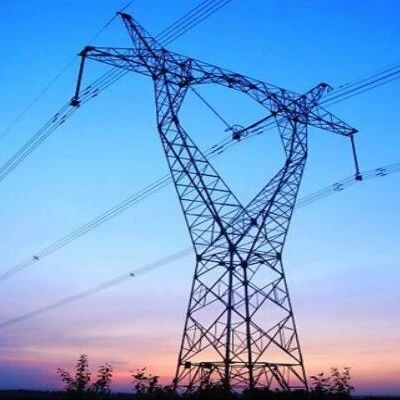
Core Viewpoint - The article highlights the significant growth in China's electricity market transactions, with a total trading volume of 6.64 trillion kilowatt-hours in 2025, marking a year-on-year increase of 7.4% and showcasing the effectiveness of the national unified electricity market in optimizing resource allocation and balancing supply security, green transition, and price stability [3]. Group 1: Market Characteristics - The proportion of market-based electricity transactions continues to rise, reaching 64.0% of total electricity consumption, an increase of 1.3 percentage points year-on-year, indicating that for every 3 kilowatt-hours consumed, 2 are traded through market mechanisms [3]. - Cross-provincial and cross-regional electricity transactions have reached a record high of 1.59 trillion kilowatt-hours, growing by 11.6% year-on-year, facilitated by improved inter-regional trading mechanisms [3][4]. - The rapid growth of green electricity transactions has reached 328.5 billion kilowatt-hours, a year-on-year increase of 38.3%, and the scale is now 18 times that of 2022, reflecting the increasing participation of renewable energy in the market [4]. Group 2: Support for Energy Security and Economic Development - The electricity spot market plays a crucial role in ensuring supply security by providing price signals that encourage interaction between supply and demand, thus supporting peak and off-peak electricity management [5]. - The establishment of a national unified electricity market has facilitated the development of the real economy, with lower market transaction prices benefiting various stakeholders, including industrial users and renewable energy providers [5].
去年全国电力市场交易电量规模创新高
Zhong Guo Zheng Quan Bao· 2026-01-30 21:01
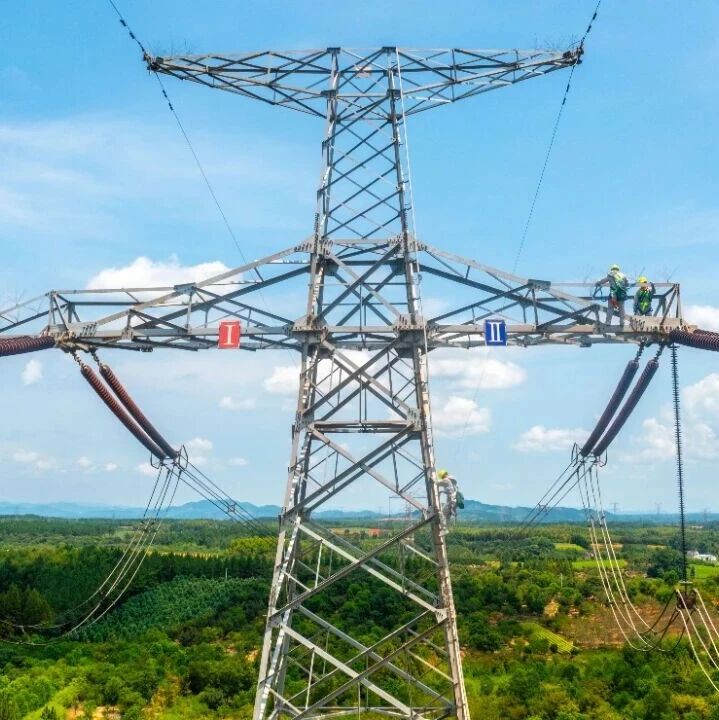
Group 1 - In 2025, the national electricity market transaction volume reached a record high of 6.64 trillion kilowatt-hours, representing a year-on-year increase of 7.4%, indicating the continuous release of market efficiency in resource allocation [1] - The proportion of market-based electricity transactions increased to 64% of total electricity consumption, up by 1.3 percentage points from the previous year, meaning that two-thirds of electricity was traded through market mechanisms [1] - The number of registered entities in the trading center exceeded 1 million, with cross-provincial and cross-regional transaction volume reaching 1.59 trillion kilowatt-hours, marking a historical peak [1] Group 2 - By the end of 2025, the prices of polysilicon and silicon wafers reached 53.86 yuan per kilogram and 1.329 yuan per piece, respectively, reflecting increases of 52% and 35.6% from their annual lows [2] - National energy investment exceeded 3.5 trillion yuan for the first time, with a year-on-year growth of nearly 11%, outpacing the growth rates of infrastructure and manufacturing by 12.9 and 10.1 percentage points, respectively [2] - New investments in green energy transition accelerated, with over 430 million kilowatts of new wind and solar capacity added, and total installed capacity surpassing 1.8 billion kilowatts [2] Group 3 - Private enterprises' investment in energy projects grew by 12.9% year-on-year, focusing on solar power, wind energy, and coal mining [3] - By the end of 2025, the installed capacity of new energy storage systems reached 136 million kilowatts, a more than 40-fold increase compared to the end of the 13th Five-Year Plan [3] - The average utilization hours of new energy storage systems reached 1,195 hours, an increase of nearly 300 hours from 2024 [3]
新闻发布︱国家能源局举行季度例行新闻发布会
国家能源局· 2026-01-30 06:43
Core Viewpoint - The National Energy Administration (NEA) has outlined the energy situation for 2025, emphasizing energy security, green low-carbon transformation, and orderly industry development as key areas of focus for the upcoming years [9][10][12]. Group 1: Energy Supply and Security - By 2025, China's energy supply security will be significantly enhanced, with coal production stable and oil and gas output reaching historical highs, including a 1.5% increase in crude oil production and a 6.2% increase in natural gas production [9][10]. - The electricity supply will remain stable, supported by the commissioning of several ultra-high voltage direct current transmission projects, improving the interconnectivity of the power system [9][10]. Group 2: Green Low-Carbon Transformation - The development of renewable energy will accelerate, with new wind and solar installations exceeding 430 million kilowatts, bringing the total installed capacity to over 1.8 billion kilowatts, and renewable energy generation accounting for over 60% of total power generation [9][10]. - Renewable energy generation is projected to reach approximately 4 trillion kilowatt-hours, surpassing the combined electricity consumption of the 27 EU countries [9][10]. Group 3: Industry Development - The photovoltaic industry will undergo comprehensive regulation, with polysilicon and wafer prices expected to rise by 52% and 35.6%, respectively, by the end of 2025 [10]. - The price of thermal coal at the port is projected to reach 690 yuan per ton, reflecting a 75 yuan increase from the lowest point of the year [10]. Group 4: Winter Energy Supply Assurance - The overall temperature this winter is expected to be close to or slightly warmer than the historical average, but with frequent cold spells, leading to record-breaking electricity loads, including a peak load of 1.433 billion kilowatts on January 21 [12][13]. - The NEA is ensuring stable energy supply through robust monitoring and coordination, with sufficient fuel reserves and optimized electricity supply strategies [13][14]. Group 5: New Energy Storage Development - By the end of 2025, the installed capacity of new energy storage is expected to reach 136 million kilowatts, a growth of 84% compared to the end of 2024, with an average storage duration of 2.58 hours [19][22]. - The North China region will account for the largest share of new energy storage installations, with significant contributions from provinces like Xinjiang and Inner Mongolia [20][21]. Group 6: Electricity Market Development - The total electricity trading volume in 2025 is projected to reach 6.64 trillion kilowatt-hours, a year-on-year increase of 7.4%, with market-based transactions accounting for 64% of total electricity consumption [26][27]. - Cross-regional electricity trading is expected to grow significantly, reaching 1.59 trillion kilowatt-hours, marking an 11.6% increase from the previous year [26][27]. Group 7: Green Certificate Market - The green certificate market is anticipated to see a substantial increase, with a total of 930 million certificates traded in 2025, representing a 120% year-on-year growth [40][41]. - The average trading price of green certificates is expected to stabilize and rise, with a projected average price of approximately 4.14 yuan per certificate in the second half of 2025, a 90% increase from the first half [40][41].

港股异动丨电力设备股活跃 金风科技大涨近8% 协鑫科技涨近5%
Ge Long Hui· 2026-01-23 02:42
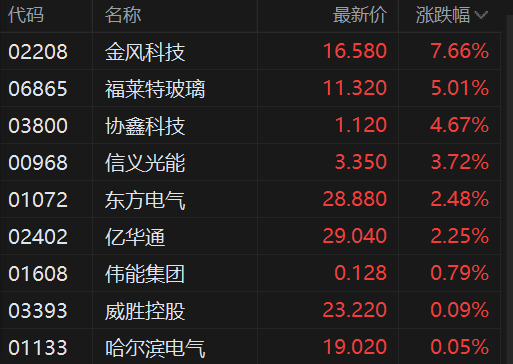
Group 1 - The core viewpoint of the news highlights a strong performance in the Hong Kong power equipment sector, with notable increases in stock prices for companies like Goldwind Technology, GCL-Poly Energy, Dongfang Electric, and Harbin Electric [1] - Elon Musk announced at the Davos Forum that Tesla and SpaceX plan to build a total of 200GW solar capacity in the U.S. over the next three years, significantly exceeding the market's annual expectation of 10-20GW, indicating a strategic upgrade in the solar industry towards "AI computing power + energy infrastructure" [1] - The North American market is experiencing a surge in power equipment demand driven by aging grid updates and electricity needs from AI data centers, with delivery times for power transformers and high-voltage cables in Europe and the U.S. nearly doubling [1] Group 2 - From January to November 2025, China's exports of transformers, high-voltage switches, and wires and cables are expected to grow by 35.3%, 29.4%, and 22.9% year-on-year, respectively, indicating a strong overseas market presence [1] - Huatai Securities is optimistic about the accelerated construction of a national unified electricity market, predicting steady growth in grid investment during the 14th Five-Year Plan period, with high demand for UHV construction and continued rapid growth in main grid investment, supported by a 4 trillion yuan investment from the State Grid, benefiting power equipment manufacturers [1]

超16亿盘中抢筹百亿规模电网设备ETF(159326),八连“吸金”66亿,居电网主题ETF第一
Ge Long Hui A P P· 2026-01-20 02:22
Group 1 - The electric grid equipment ETF (159326) experienced a single-day surge of 7.6% and has seen a slight pullback of 2%, with net subscriptions reaching 918 million units, indicating strong investor interest [1] - The ETF has recorded a total net inflow of 6.645 billion yuan over the past eight days, making it the leading electric grid theme ETF [1] - The ETF's latest scale has surpassed 11.778 billion yuan, positioning it as the largest in the electric grid theme category [3] Group 2 - Elon Musk highlighted the explosive growth in power demand for AI supercomputing clusters and data centers, leading to a critical shortage of high-performance transformers [2] - The North American market is experiencing a surge in demand for electrical equipment driven by aging grid updates and the electricity needs of AI data centers, with delivery times for transformers and high-voltage cables nearly doubling [2] - China's exports of transformers, high-voltage switches, and wires and cables are projected to grow by 35.3%, 29.4%, and 22.9% respectively from January to November 2025, indicating a strong international market presence [2] - The National Development and Reform Commission and the Energy Administration issued guidelines to promote high-quality development of the electric grid, encouraging proactive investment in grid construction [2] - Huatai Securities is optimistic about the acceleration of the national unified electricity market construction, predicting steady growth in grid investment during the 14th Five-Year Plan period, with high demand for ultra-high voltage construction [2]