
危险驾驶罪

Search documents
醉酒后自己睡觉,让辅助驾驶“自动”开车,司机构成危险驾驶罪
财联社· 2026-02-13 03:10
Core Viewpoint - The Supreme People's Court has issued its first set of guiding cases on criminal liability related to road traffic safety, emphasizing that the driver remains responsible for ensuring safety even when using advanced driver-assistance systems [1] Summary by Sections Basic Case Facts - The defendant, Wang Mouqun, drove under the influence of alcohol and activated the car's driver-assistance system while sitting in the passenger seat, leading to his arrest for drunk driving [2][4] Court Ruling - The Hangzhou Linping District People's Court sentenced Wang Mouqun to one month and fifteen days of detention and a fine of 4,000 yuan for dangerous driving [5] Rationale for Judgment - The court determined that Wang Mouqun's actions constituted dangerous driving, as he was still responsible for the vehicle's operation despite using an assistance system [6][8] - The court referenced national standards categorizing driving automation levels, clarifying that level 2 systems require driver supervision and cannot replace the driver [7] - Wang Mouqun's blood alcohol content was measured at 114.5 mg/100 ml, qualifying as drunk driving under Chinese law, and his prior offense influenced the severity of the ruling [9]

醉酒后自己睡觉,让辅助驾驶“自动”开车,司机构成危险驾驶罪
第一财经· 2026-02-13 02:26
Core Viewpoint - The Supreme People's Court has issued its first set of guiding cases on road traffic safety criminal law, emphasizing that the driver remains responsible for ensuring safety even when using advanced driver assistance systems [1] Summary by Sections Basic Case Facts - On September 13, 2025, the defendant Wang Mouqun drove under the influence of alcohol, activating the car's driver assistance system while seated in the passenger seat, using an illegal device to bypass system monitoring [2][3] Court Ruling - The Hangzhou Linping District People's Court sentenced Wang Mouqun to one month and fifteen days of detention and a fine of 4,000 RMB for dangerous driving [4] Rationale for Judgment - The court determined that Wang Mouqun was still the responsible driver despite activating the assistance system, as it does not replace the driver but rather assists them. His actions of moving to the passenger seat and using an illegal device constituted a violation of driving responsibilities [5][6] - Wang Mouqun's blood alcohol content was measured at 114.5 mg/100 ml, qualifying as drunk driving under Chinese law, and his prior record of similar offenses influenced the severity of the ruling [6]
醉酒后自己睡觉 让辅助驾驶“自动”开车 司机构成危险驾驶罪!
Yang Shi Xin Wen· 2026-02-13 02:10
Core Viewpoint - The Supreme People's Court has released its first set of guiding cases on road traffic safety, emphasizing that the driver remains responsible for ensuring safety even when using advanced driver assistance systems [1] Case Background - The defendant, Wang Mouqun, drove under the influence of alcohol and activated the car's driver assistance system while sitting in the passenger seat, using an illegal device to bypass monitoring [2][3] - Wang's blood alcohol content was measured at 114.5 mg/100 ml, indicating he was intoxicated [2] Court Ruling - The Hangzhou Linping District People's Court sentenced Wang to one month and fifteen days of detention and a fine of 4,000 RMB for dangerous driving [4] Rationale for Judgment - The court determined that Wang was still the responsible driver despite activating the assistance system, as it is classified as a Level 2 automation system that requires driver oversight [5][6] - Wang's actions constituted dangerous driving due to his prior administrative penalties for similar offenses, which influenced the court's decision to classify his behavior as a crime [8]
男子醉酒后爬副驾睡觉 靠“智驾”无人驾驶 法院判决→
Jing Ji Guan Cha Wang· 2026-02-10 03:22
Core Viewpoint - The increasing prevalence of advanced driver assistance systems (ADAS) has led to misconceptions about their capabilities, particularly regarding the legality and safety of using these systems while intoxicated. Recent court rulings clarify that using ADAS does not absolve drivers of responsibility when under the influence of alcohol [1][6]. Group 1: Legal Cases and Rulings - A case in Hangzhou determined that using an ADAS while intoxicated constitutes dangerous driving, clarifying the legal responsibilities associated with such technology [1][4]. - The defendant, Wang, was found to have a blood alcohol content (BAC) of 114.5 mg/100ml, which is above the legal limit for driving [4]. - The court ruled that despite activating the ADAS, Wang remained responsible for the vehicle's operation, as the system in use required driver supervision [4][5]. Group 2: Misconceptions about ADAS - Many drivers mistakenly believe that activating ADAS allows them to drink and drive without legal repercussions, as seen in multiple cases where individuals attempted to use these systems as a substitute for sober driving [7][11]. - The distinction between "smart driving" and "automated driving" is critical; most vehicles on the market today only offer levels of assistance that still require driver engagement [14][15]. - Authorities emphasize that drivers must remain vigilant and ready to take control of the vehicle, as ADAS cannot handle all driving scenarios, particularly in emergencies [15]. Group 3: Implications for Drivers - Drivers using ADAS while intoxicated face significant legal risks, including civil liability and criminal charges, regardless of whether the system is activated [6][15]. - The legal framework surrounding drunk driving does not consider the use of ADAS as a mitigating factor, reinforcing the notion that drivers are ultimately responsible for their actions [15]. - Recent incidents highlight the dangers of relying on ADAS while under the influence, as these systems are not designed to replace human oversight [12][15].
最高检:危险驾驶案件连续两年大幅下降 但仍为受理最多类型案件
Jing Ji Guan Cha Wang· 2026-01-26 05:25
Core Insights - The number of dangerous driving cases accepted by the national procuratorate has decreased significantly, with 236,000 cases in the first eleven months of 2025, representing a 22.1% year-on-year decline [1] - Prosecutions for dangerous driving also fell to 211,000, down 17.2% year-on-year, indicating a sustained reduction in such cases over the past two years [1] - Dangerous driving remains the most common crime handled by the procuratorate, accounting for 14.4% of all criminal cases [1] Regulatory Impact - The decline in drunk driving cases is attributed to the implementation of new regulations by the "Two Highs and Two Departments" at the end of 2023, which have shown effectiveness in governance [1] - The new regulations establish a standard for determining criminal liability based on "degree of intoxication + other circumstances," which has led to a decrease in drunk driving incidents [2] Public Awareness and Legal Consequences - There is a lack of accurate public understanding regarding the dangers of drunk driving, leading to occasional severe accidents [2] - Offenders often underestimate their ability to drive after drinking, mistakenly believing that minor infractions will not lead to legal consequences [2] - Serious offenses can lead to severe penalties, including up to 15 years of imprisonment for traffic accidents caused by drunk driving [2] Case Examples - A specific case involved an individual who, after drinking, attempted to evade police and was subsequently prosecuted for dangerous driving, resulting in a one-month detention and a fine [3] - Another case highlighted the severe consequences of drunk driving, where an individual caused multiple fatalities and injuries, leading to charges of endangering public safety [2][3] Enforcement and Public Education - The procuratorate emphasizes the importance of maintaining public safety and continues to enforce laws against drunk driving rigorously [3] - There is a call for the public to enhance their awareness of traffic safety and legal responsibilities, aiming to foster a societal rejection of drunk driving [3][4]
最高检:去年前11个月危险驾驶罪仍是检察机关受理最多的犯罪
Xin Jing Bao· 2026-01-26 05:17
Core Insights - The Supreme People's Procuratorate reported a significant decrease in drunk driving criminal cases and prosecutions from January to November 2025, indicating effective governance in drunk driving management [1][2] - Despite the decline, dangerous driving remains the most frequently prosecuted crime, highlighting ongoing public misconceptions about the dangers of drunk driving [2] Group 1: Case Statistics - From January to November 2025, the number of dangerous driving cases accepted by procuratorial organs was 236,000, a year-on-year decrease of 22.1% [1] - The number of public prosecutions for dangerous driving was 211,000, reflecting a year-on-year decrease of 17.2% [1] Group 2: Public Awareness and Legal Consequences - Many individuals still underestimate the dangers of drunk driving, believing it to be a minor offense, which can lead to severe legal consequences [2] - Drunk driving can result in charges ranging from dangerous driving (maximum penalty of 6 months detention and fines) to more serious offenses like traffic manslaughter (up to 15 years imprisonment) and endangering public safety (potentially death penalty) [2] - The new regulations classify offenses based on "degree of intoxication + other circumstances," ensuring that all instances of drunk driving face legal repercussions [2] Group 3: Case Examples - A specific case involved an individual who, after drinking, attempted to evade police and was later prosecuted for dangerous driving, receiving a one-month detention and a fine of 2,000 yuan [3] - The procuratorial organs emphasize the importance of public education on drunk driving regulations to foster a safer driving environment [3]
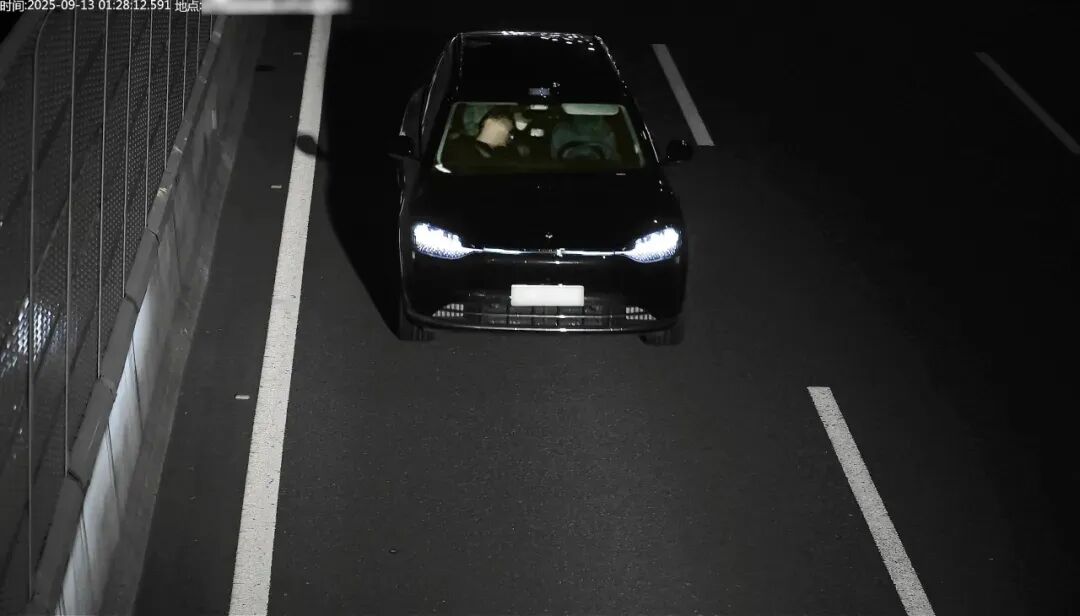
男子喝4两白酒后凌晨开“智驾”上高速,2小时行驶约200公里,被警方现场查获!“具有立功、坦白情节”,该男子被判缓刑
Mei Ri Jing Ji Xin Wen· 2025-10-15 00:38
Core Viewpoint - The article highlights recent legal cases in China involving individuals who drove under the influence of alcohol while using advanced driver-assistance systems, emphasizing the legal consequences and safety risks associated with such actions [1][2][4]. Group 1: Legal Cases - A case from Nanjing involved an individual, Wang, who drove for approximately two hours and covered about 200 kilometers while intoxicated, with a blood alcohol content of 151.2 mg/100ml, leading to a conviction for dangerous driving [1]. - Another case in Hunan involved a man who drove back to Changsha after drinking, with a blood alcohol level of 225 mg/100ml, resulting in severe penalties including the revocation of his driver's license for five years [2]. - A case in Hangzhou featured a man who used a so-called "smart driving device" while intoxicated, leading to a conviction for dangerous driving and a sentence of one month and fifteen days in detention, along with a fine of 4,000 yuan [2]. Group 2: Safety and Regulatory Insights - The Ministry of Public Security in China has stated that current automotive "smart driving" systems do not possess full autonomous driving capabilities and remain in the assisted driving phase, highlighting the risks of driver negligence, especially under the influence of alcohol [4]. - The use of driver-assistance systems while intoxicated is legally classified as dangerous driving, reinforcing the need for awareness regarding the limitations of such technologies [4].
用了自动驾驶,醉驾者责任能减轻吗
Ren Min Ri Bao· 2025-10-10 00:37
Core Viewpoint - The case highlights the legal implications of using automated driving features while under the influence of alcohol, emphasizing that such features do not absolve the driver of responsibility for dangerous driving [1][2]. Group 1: Case Details - The individual, Yan, was caught driving under the influence with a blood alcohol content of 201.4 mg/100 ml after a night of drinking [1]. - The first instance court sentenced Yan to three months of detention and a fine of 6,000 yuan for dangerous driving [1]. Group 2: Legal Interpretation - The second instance court ruled that even if Yan had activated the vehicle's automated driving feature, it does not reduce his culpability as the vehicle was equipped only with a driver assistance system, which requires driver oversight [2]. - The court emphasized that the activation of driver assistance systems does not change the fact that the driver remains responsible for the vehicle's operation, especially when intoxicated [2].
用了自动驾驶,醉驾者责任能减轻吗(新闻看法)
Ren Min Ri Bao· 2025-10-09 22:09
Core Viewpoint - The case highlights the legal implications of using automated driving features while under the influence of alcohol, emphasizing that such features do not absolve the driver of responsibility for dangerous driving [1][2]. Summary by Sections Case Background - A driver, Yan, was caught driving under the influence with a blood alcohol content of 201.4 mg/100ml after a night out with friends [1]. - The initial court ruling sentenced Yan to three months of detention and a fine of 6,000 yuan for dangerous driving [1]. Legal Arguments - Yan argued that activating the vehicle's automated driving function reduced road danger and requested a lighter sentence [1]. - The court found no evidence that the automated driving feature was engaged at the time of the traffic stop, and even if it was, the vehicle was equipped only with a driver assistance system, which requires significant driver involvement [2]. Court Ruling - The Beijing Second Intermediate Court upheld the original ruling, stating that the driver remains responsible for the vehicle's operation, even when using driver assistance systems [2]. - The court emphasized that the activation of such systems does not change the driver's legal responsibility, particularly when intoxicated [2].
假期前看看醉驾案例:视情节、后果等有可能触犯最高死刑的犯罪
Xin Jing Bao· 2025-09-28 04:39
Core Viewpoint - The article discusses the legal implications and recent changes in the handling of drunk driving cases in China, emphasizing the need for stricter enforcement and public awareness as the holiday season approaches [1][2]. Summary by Sections Legal Framework - Drunk driving can lead to various charges, including a maximum of 6 months of detention for dangerous driving, up to 15 years for traffic accident crimes, or even death penalty for endangering public safety [1]. - The Supreme People's Court and other authorities have optimized the standards for drunk driving offenses, resulting in a significant decrease in case occurrences and prosecutions [2]. Changes in Drunk Driving Standards - The new guidelines introduced in late 2023 adjust the previous strict liability standard of "over 80 mg" to a more nuanced approach considering specific circumstances [2]. - Blood alcohol content (BAC) thresholds are now categorized into three ranges: 80-150 mg (no criminal charges if no aggravating circumstances), 150-180 mg (eligible for probation), and over 180 mg (subject to imprisonment) [2]. Case Examples - **Case 1**: A driver, after causing an accident and fleeing, was charged with endangering public safety due to reckless behavior, resulting in a sentence of 1 year and 8 months [3]. - **Case 2**: A driver who caused two accidents and fled was sentenced to 5 months of detention and fined 9,000 RMB, highlighting the strict penalties for repeat offenders [4][5]. - **Case 3**: A driver with a BAC of 103.1 mg, who had a prior drunk driving offense, was sentenced to 1 month and 15 days of detention, demonstrating the impact of prior offenses on sentencing [6]. - **Case 4**: A driver who attempted to evade police checks and collided with a police vehicle was sentenced to 1 month and 15 days of detention, emphasizing the seriousness of obstructing law enforcement [7][8]. - **Case 5**: A driver who misled police about his identity and had a BAC of 100 mg was sentenced to 1 month of detention, showcasing the consequences of obstructing investigations [9][10]. - **Case 6**: A driver operating a vehicle not permitted by their license was sentenced to 2 months of detention, reinforcing the importance of adhering to licensing regulations [11].