历史虚无主义

Search documents
董涛:从《太平年》看历史剧创作生产
Xin Lang Cai Jing· 2026-02-19 04:32
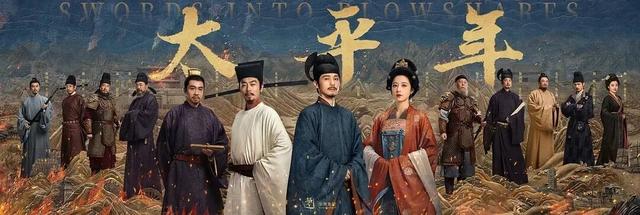
近日,历史题材电视剧《太平年》热播。该剧以五代十国时期为宏大背景,通过吴越王钱弘俶与宋太祖 赵匡胤推动"纳土归宋"的故事,紧扣"和平和统一"主题,深度呈现中华民族"尚和合、求大同"的文化基 因,引发广大观众对历史文化、家国情怀、民族统一的共鸣。在国内热播的同时,该剧在国际发行方面 覆盖全球70多个国家和地区,海外热度持续升温。可以说,《太平年》在主题表达、创作方法、制作传 播等方面为当下历史剧创作生产提供了有益经验,成为近期值得关注的文化现象。 历史题材剧通常分为历史题材正剧和历史题材传奇剧。历史题材正剧以广阔的历史背景和丰富的历史人 物回溯历史深处,讲述历史中的重大事件、重要人物,兼顾"真实的历史"和"历史的还原"。历史题材传 奇剧以历史真实为背景,或写实或虚构历史人物,艺术想象主要情节,于历史语境中观照现实,视角更 加多元,人物更加多样,在创作上更加灵活。近年来,在各方共同努力下,涌现出一大批广受好评的精 品历史剧。比如,《琅琊榜》以诗意叙事为载体,在虚实之间承托古典风骨,让东方美学意蕴自然浸润 大众审美。《风起陇西》将谍战的精密逻辑植入三国背景,跳出"三国叙事"的传统框架,演变为一曲关 于信念与牺牲的史 ...

蚕食民智,终将成风!网红“听风的蚕”粉丝从2000万骤降至300余万
Xin Lang Cai Jing· 2026-02-05 17:25
Core Viewpoint - The article discusses the rapid decline in popularity of the military influencer "Tingfeng de Can," whose follower count dropped from over 20 million to around 300,000 due to platform violations and content deletions, highlighting the risks associated with extreme nationalism and populism in self-media [2][4][8] Group 1: Background and Rise - "Tingfeng de Can," originally named Zhu Wei Yi, transitioned from a prosecutor to a successful self-media figure, amassing over 50 million followers by leveraging military themes and a storytelling style that appealed to a broad audience [2] - The influencer's content often capitalized on nationalist sentiments, which is a known strategy for gaining traction in the self-media landscape [2][4] Group 2: Controversies and Misleading Claims - The influencer has been criticized for historical inaccuracies, such as comparing the current military to the Ming Dynasty army, which reflects a tendency towards historical nihilism and the manipulation of nationalistic emotions [4] - Despite showing some familiarity with military knowledge, the influencer has been noted for spreading misinformation and lacking depth in professional expertise, leading to the dissemination of scientifically inaccurate claims [4][5] Group 3: Content Quality and Audience Reception - The storytelling style of the influencer is engaging but lacks the depth and rigor necessary for sustained success, leading to a shift towards more populist and sensationalist content [7] - The audience, particularly in the "lower-tier market," tends to prefer efficiency in information over depth of thought, which has allowed such content to thrive despite its potential for misinformation [7][8] Group 4: Implications and Future Outlook - The rise of populist narratives can create a "digital mob" effect, posing significant risks both online and offline, which has led to the influencer's recent decline as platforms respond to the negative impact of such content [8] - There is a growing awareness among the audience to differentiate between genuine patriotism and opportunistic nationalism, suggesting a potential shift in consumer behavior away from such influencers [7][8]
家长应肩负起未成年人爱国主义教育重要责任
Xin Lang Cai Jing· 2026-02-01 21:21
Group 1 - The article emphasizes the crucial role of families and parents in the patriotic education of minors, highlighting that they hold the most direct and rich "data" regarding children's patriotic feelings and behaviors [1][2] - It suggests that parents need to recognize their importance in the context of integrated patriotic education across different dimensions, both vertically (from various levels of education) and horizontally (involving home, school, and society) [1] - Parents are encouraged to guide their children in forming rational and correct patriotic expressions online, including identifying historical nihilism and narrow nationalism in digital media [1][2] Group 2 - The article outlines specific actions for parents, such as predicting and identifying potential deviations in patriotic behavior among their children and understanding common misconceptions about patriotism found online [2] - It stresses the importance of educating children on the proper use of national symbols and adhering to laws regarding patriotic education, particularly the stipulation that all citizens and organizations should promote patriotic spirit [2]
锐评|宝可梦“拜鬼”?这事别想蒙混过关
Xin Lang Cai Jing· 2026-01-30 04:13
Core Viewpoint - The recent controversy surrounding Pokémon's planned event at Yasukuni Shrine highlights the company's repeated insensitivity towards historical issues, particularly in Asia, and raises questions about its corporate values and responsibility [1][3][4]. Group 1: Event Controversy - Pokémon announced an event at Yasukuni Shrine scheduled for January 31, which was quickly retracted following public backlash, yet Nintendo has not provided any explanation [1]. - Yasukuni Shrine is associated with Japan's militaristic past and honors war criminals, making it a sensitive location for many, particularly in Asia [3]. Group 2: Historical Sensitivity - This incident is not the first for Pokémon; previous controversies include a game location at Yasukuni Shrine in 2016 and an employee's visit in 2019, indicating a pattern of disregard for historical sensitivities [3][4]. - The company's actions are perceived as a betrayal of trust, especially given its popularity in Asian markets, where historical issues are particularly poignant [4]. Group 3: Public Response - Chinese netizens have actively opposed any attempts at historical revisionism, emphasizing that they will not tolerate the trivialization of their history [4]. - The expectation is for Pokémon and Nintendo to take responsibility, acknowledge historical wrongs, and issue a sincere apology to avoid repeating past mistakes [4].

歪曲历史、崇洋媚外⋯⋯恶意“带节奏”乱象频发 国安部提醒!
Yang Shi Xin Wen· 2026-01-26 02:27
Core Viewpoint - The article emphasizes the threat posed by malicious online activities that manipulate public opinion and undermine social stability and national security through divisive tactics and misinformation. Group 1: Tactics of Manipulation - Malicious actors create division by targeting specific demographics such as region, gender, profession, and ethnicity, using techniques like editing and misrepresentation to provoke conflict and erode social consensus [2] - Historical distortion is prevalent, with some social media accounts spreading unverified content and conspiracy theories to misrepresent historical facts, thereby undermining cultural confidence and promoting nihilism [2] - There is a trend of promoting foreign cultures while disparaging domestic achievements, creating a narrative that idealizes life abroad and exaggerates domestic shortcomings, which serves Western ideological interests [3] Group 2: Safeguarding Ideological Security - Platforms are urged to enhance content review processes to filter out harmful narratives that undermine national culture and promote Western superiority, while also improving the recommendation algorithms to highlight positive national achievements [4] - Individuals are encouraged to develop critical thinking skills to identify misinformation, emphasizing the importance of sourcing information from reliable and authoritative channels [4] - Citizens are advised to utilize reporting mechanisms against content that incites regional conflict or undermines national unity, ensuring that harmful content is reported to the appropriate authorities [4] Group 3: Role of National Security Agencies - National security agencies are committed to protecting ideological security and will take legal action against threats in this domain, collaborating with relevant departments to maintain national safety [5]
歪曲历史、崇洋媚外……恶意“带节奏”乱象频发 国安部提醒!
Yang Shi Xin Wen· 2026-01-26 00:10
Core Viewpoint - The article emphasizes the threat posed by malicious online activities that manipulate public opinion and undermine social stability and national security through divisive tactics and misinformation [1]. Group 1: Tactics of Manipulation - Malicious actors create division by targeting specific demographics such as region, gender, profession, and ethnicity, using techniques like editing and misrepresentation to provoke conflict among netizens [2]. - Historical distortion is prevalent, with some social media accounts spreading unverified content and conspiracy theories to misrepresent historical facts, thereby undermining cultural confidence and promoting nihilism [2]. - There is a trend of promoting foreign cultures while disparaging domestic achievements, creating a narrative that idealizes life abroad and exaggerates domestic shortcomings, which serves Western ideological interests [3]. Group 2: Safeguarding Ideological Security - Platforms are urged to enhance content review processes to filter out content that undermines national culture and promotes Western superiority, while also improving recommendation algorithms to highlight positive narratives about national achievements [4]. - Individuals are encouraged to develop critical thinking skills to discern misinformation, emphasizing the importance of verifying information through official and authoritative sources [4]. - Users are advised to utilize reporting mechanisms against content that incites regional conflict or undermines national unity, ensuring that harmful content is reported to relevant authorities [4].
历史无法尘封 记忆终将苏醒
Xin Lang Cai Jing· 2026-01-08 22:05
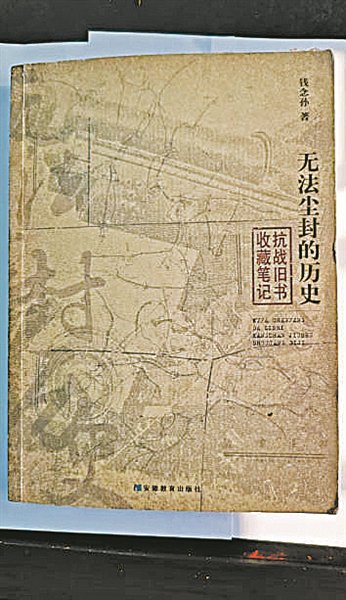
Core Viewpoint - The book "The Unsealable History: Notes on Collecting Anti-Japanese War Books" by Qian Niansun serves as a key to revisiting the collective memory of the Anti-Japanese War, providing a systematic review of rare books from that period and awakening national consciousness [3][4][12]. Group 1: Historical Perspectives - Anti-Japanese war literature offers multiple historical perspectives, including firsthand accounts from Chinese individuals, objective reports from foreign journalists, and internal Japanese strategic documents, creating a multidimensional view of history [4][5]. - The book "The Atrocities of the Japanese Army Witnessed by Foreigners" documents the Nanjing Massacre from a third-party perspective, serving as crucial evidence of Japan's war crimes [4]. - "The Secret History of Japanese Diplomacy in the Invasion of China" reveals the internal diplomatic conspiracies of Japan during the First Sino-Japanese War, providing insights into their aggressive strategies [5][6]. Group 2: Intellectual Resistance - Anti-Japanese literature not only records history but also serves as a weapon of resistance, with intellectuals using writing as a means to build a spiritual defense against invasion [7][8]. - Works like "The Development of Japan" and "Little Discussions" reflect the commitment of intellectuals to link academic work with national defense efforts during the war [7][8]. - The writings of Chen Duxiu during the war period express a strong patriotic sentiment and provide critical insights into the political landscape of the time [8]. Group 3: Cultural Mobilization - Popular literature aimed at the general public played a significant role in mobilizing national sentiment and resistance against the Japanese invasion [10][11]. - "The Anti-Japanese Three-Character Classic" uses traditional forms to convey urgent messages about the war, becoming a classic mobilization text [10]. - The publication of works celebrating national heroes aimed to inspire and rally the populace, combining historical narratives with contemporary needs for cultural mobilization [11]. Group 4: Collective Memory and Historical Preservation - The preservation and study of anti-Japanese war literature are vital for countering historical nihilism and retaining valuable historical memories [12][14]. - The writings from that era, including calls to action from figures like Feng Yuxiang, serve as reminders of the collective responsibility to remember and learn from history [13][14]. - Anti-Japanese war literature is viewed as an essential part of the national cultural gene pool, emphasizing the importance of digital preservation and dissemination of these historical materials [12][14].
平台不能成为不良思潮传播的温床
Xin Lang Cai Jing· 2025-12-31 00:19
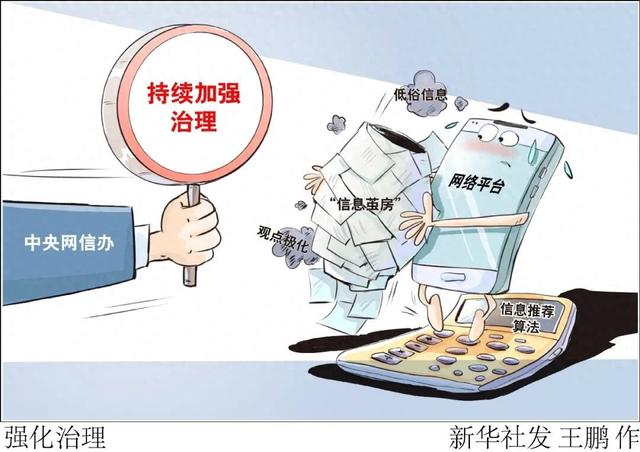
Core Viewpoint - The rise of social media platforms has facilitated the spread of harmful ideologies such as historical nihilism, extreme feminism, and hedonism, which pose a threat to social trust and the online ecosystem [1][2][3] Group 1: Nature of Harmful Ideologies - Harmful ideologies are increasingly disguised in everyday narratives, making them more deceptive and harder to identify [2][3] - Historical nihilism is now embedded in sensational articles and videos that trivialize significant historical events, eroding collective memory and emotional identity [2][3] - Materialism and hedonism are presented as ideals through curated content showcasing luxury lifestyles, promoting anxiety and unrealistic success standards [2][3] Group 2: Role of Social Media Platforms - Social media platforms have failed to act as gatekeepers, often amplifying harmful ideologies instead of curbing their spread [2][3] - Algorithms that prioritize user engagement can inadvertently promote harmful content, leading to the creation of "cognitive echo chambers" that distort public perception [5][6] - Platforms have been criticized for allowing sensational and divisive content to dominate, undermining serious discourse and public trust [3][5] Group 3: Impact on Society - The spread of harmful ideologies can erode critical thinking and societal cohesion, particularly among youth who are still forming their worldviews [5][6] - These ideologies challenge mainstream values and can foster divisive sentiments, potentially leading to social instability [6][9] - The ongoing presence of harmful content in public discourse poses risks to national security and societal well-being [6][9] Group 4: Need for Regulation and Responsibility - There is a pressing need for clearer legal standards to address harmful content and hold platforms accountable for their role in its dissemination [7][8] - Enhanced regulatory measures and user engagement in reporting harmful content are essential for improving the online ecosystem [8][9] - Platforms must recognize their social responsibility and the importance of content safety to foster a healthier online environment [9]
鉴赏与评论|揭暴行 唤良知 守和平
Xin Lang Cai Jing· 2025-12-24 22:54
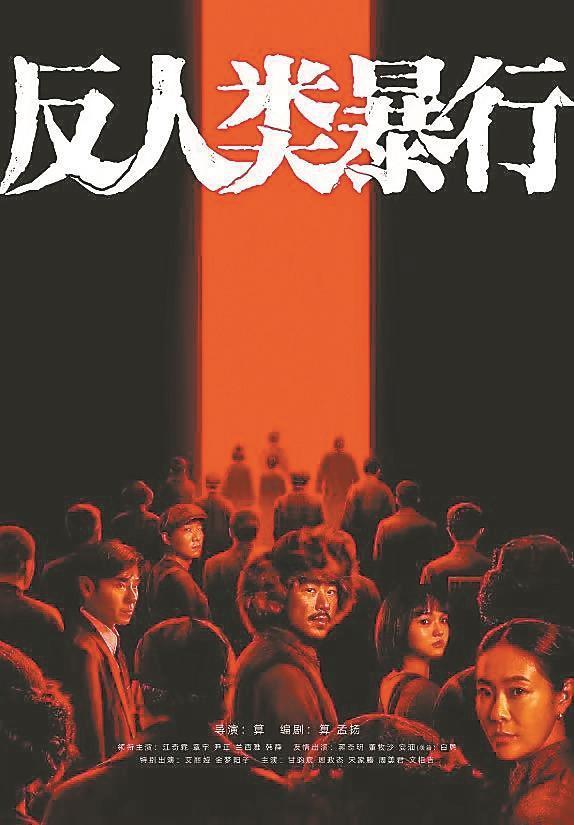
Core Viewpoint - The drama "Anti-Human Atrocities" focuses on the atrocities committed by the Japanese Army's Unit 731 during the Second Sino-Japanese War, aiming to reveal historical truths and criticize Japanese militarism, while promoting a correct historical perspective and fostering patriotism [3][4]. Group 1: Production and Reception - The drama premiered on December 13, coinciding with China's National Memorial Day, and is recognized as a key production for the 80th anniversary of the victory in the Anti-Japanese War [3]. - It has received high ratings, with a score of 8.5 on Douban, placing it among the top-rated domestic dramas of the year [3]. - Major media outlets, including Xinhua and People's Daily, have praised the series, contributing to its widespread discussion and reflection on history and peace [4]. Group 2: Narrative and Themes - The series avoids grandiose narratives, instead focusing on individual fates to create emotional resonance with the audience, highlighting the tragic experiences of victims like "909" and the harsh realities faced by ordinary people [5]. - It portrays the resilience and courage of the Chinese people through characters like Tong Changfu and Tong Yulan, while also depicting the atrocities committed by Unit 731 and the moral dilemmas faced by individuals involved [5][6]. - The narrative structure intertwines historical and contemporary timelines, using symbolic objects to connect the past and present, ultimately leading to a courtroom scene that seeks acknowledgment of historical truths [6]. Group 3: Artistic Expression - The series balances serious historical narrative with engaging artistic expression, employing a suspenseful plot and layered revelations to maintain viewer interest [7]. - High production standards are evident in detailed scene recreations, quality costume and makeup design, effective special effects, and nuanced performances, enhancing the overall quality and impact of the series [7].
【史海回眸】1937年,国际报道打破日军罪行“信息铁幕”
Huan Qiu Shi Bao· 2025-12-11 22:41
Core Viewpoint - The article emphasizes the systematic and state-sanctioned nature of the Nanjing Massacre, highlighting that it was not merely a breakdown of military discipline but a coordinated effort approved by the Japanese imperial family and executed by military command [1][2]. Group 1: Historical Context - The Nanjing Massacre occurred in December 1937, resulting in the deaths of over 300,000 Chinese civilians and disarmed soldiers, marking a significant atrocity during the Second Sino-Japanese War [1]. - The Japanese military, driven by a desire for political gain and military success, disregarded international law and committed acts of mass murder [2]. Group 2: Information Control - The Japanese military established a dual information blockade, attempting to conceal their atrocities from the international community while misleading the Japanese public [3][5]. - Reports of the "Hundred People Kill" competition were published in Japanese media, showcasing a disturbing pride in the killings, which contradicted the military's efforts to suppress information about the massacre [5]. Group 3: International Response - International journalists, including American reporter John Rabe and others, played a crucial role in exposing the atrocities, with reports describing the horrific conditions in Nanjing and the indiscriminate killings [6]. - The term "Nanjing Massacre" was first used by international journalists, highlighting the global recognition of the events and the condemnation of Japanese military actions [6]. Group 4: Accountability and Justice - Post-war trials held many perpetrators accountable, including high-ranking officials like Matsui Iwane, who was sentenced to death for his role in the massacre [8]. - Some individuals involved in the atrocities, such as the officers who participated in the "Hundred People Kill" competition, faced justice, while others, including members of the imperial family, evaded prosecution due to political decisions made by the U.S. after the war [9].