善良

Search documents
人力资源,真的需要“善良”这个底色吗?
3 6 Ke· 2026-01-09 08:13
由一个观点引发的思考 启融集团的CEO在他的视频中,提出了一个极具启发性的观点。我们总结了一下他的说法:企业在甄选 HR一号位的时候,不能只将专业能力的优劣、天资水平的高低、以及工作干劲的强弱,作为核心评判 标准。因为如果缺失了"善良"这一重要的底色,即便他的专业能力再出众、天资条件再聪慧、工作干劲 再十足,都有可能异化为"算计"的利器。最终会搅乱整个局面,让组织脱轨。 在这位CEO看来,组织的本质始终是"人与人"的协同构成与情感连接,而HR作为组织内部关系的搭建 者、规则的制定者与氛围的营造者,其核心素养对于"组织生态"的走向有着重大影响。而拥有"善良"底 色的HR,其工作出发点必然是正向且利他的,所制定的人力资源政策会兼顾组织发展与员工权益,开 展的沟通协调会秉持真诚与尊重。这种正面的导向能够潜移默化地引导团队成员积极向上,凝聚组织向 心力。因此,即便这类HR的专业技能稍显薄弱,也能稳住组织的基本盘。 这个观点引发了我们的一个思考:对于身处关键岗位的HR一号位而言,以及对于所有HR从业者而 言,"善良"是一种可有可无的加分项,还是一条不可妥协的职业底线? 到底什么是"善良"? "善良"的英文是"Kindn ...

21岁女生为百岁太爷爷写书
Xin Lang Cai Jing· 2025-12-27 07:24
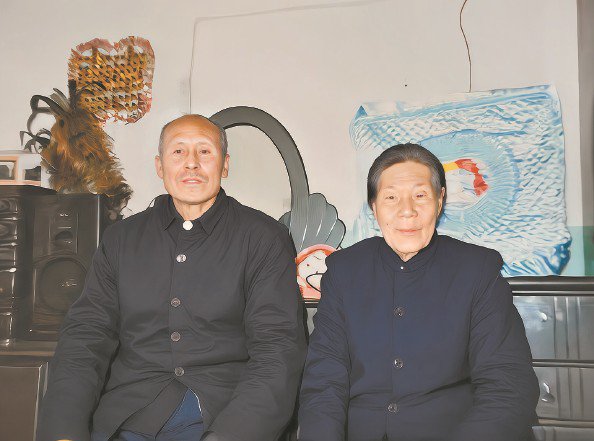
Core Viewpoint - The article narrates the life and legacy of an elderly man, 甘洪昌, through the eyes of his granddaughter, 甘雨新, who aims to document his story in a book titled "鹤" to preserve family history and values [8][20]. Group 1: Family Legacy - 甘洪昌, born in 1922, faced significant hardships, including the loss of his son during the 唐山 earthquake, yet he remained a pillar of strength for his family, emphasizing kindness and community support [9][15]. - The family recalls fond memories of 甘洪昌 making tofu, which symbolizes not only sustenance but also the values of cleanliness and integrity he instilled in his children [10][11]. - 甘洪昌's commitment to helping neighbors and his selflessness are highlighted, showcasing his character as a "good person" in the community [11][19]. Group 2: Personal Relationships - 甘雨新 reflects on her relationship with her great-grandfather, noting that she never had the chance to taste his tofu but cherishes the memories of family gatherings and the warmth of their interactions [12][13]. - The article describes the deep bond between 甘洪昌 and his wife, especially during her illness, where he provided unwavering care for over a decade [14][15]. - 甘耀辉, 甘雨新’s father, expresses the profound impact of his grandparents on his life, emphasizing the loss felt after 甘洪昌's passing [16][17]. Group 3: Cultural Values - The narrative emphasizes the importance of family values such as filial piety, kindness, and hard work, which are passed down through generations in the 甘 family [18][19]. - 甘雨新 aims to share her great-grandfather's story to inspire others and promote the values of goodness and filial piety through a public program and potential documentary [20].

读懂巴菲特的“谢幕信”,我才知道人的运气从哪里来
Sou Hu Cai Jing· 2025-11-12 13:49
Core Insights - The core message of Buffett's farewell letter emphasizes the role of luck in his success rather than solely attributing it to his skills or intelligence [1][2][3] Group 1: Luck and Kindness - Buffett reflects on his childhood experiences and the kindness he received, highlighting that small acts of kindness can have a lasting impact on one's life [5][12][16] - He believes that true greatness is defined by acts of kindness, and he has committed to donating over 99% of his wealth to charitable causes [14][15] Group 2: Role Models and Learning - Buffett credits his partnership with Charlie Munger as a pivotal moment in his investment philosophy, shifting from a "cigar butt" approach to a more sophisticated understanding of business [23][25][26] - He encourages finding and emulating suitable role models to gain insights and inspiration [27][29] Group 3: Humility and Respect for the Market - Despite achieving an impressive annualized return of 19.9% over 60 years, Buffett attributes his success to luck and maintains a humble perspective [32][33] - He emphasizes the importance of respecting the market and only investing in areas one truly understands [34][35] Group 4: Continuous Effort - Buffett's consistent work ethic is highlighted, as he continues to work five days a week and dedicates significant time to reading and research [40][42][46] - The notion that luck is a byproduct of hard work is reinforced, suggesting that sustained effort leads to better outcomes [38][48] Group 5: Gratitude - Gratitude is a recurring theme in Buffett's letter, where he expresses appreciation for his life experiences, friends, and mentors [51][52] - This attitude of gratitude fosters trust and generosity, attracting positive relationships and opportunities [50][54]

读懂巴菲特的“谢幕信”,我才知道人的运气从哪里来?
洞见· 2025-11-12 12:21
Core Viewpoint - The article discusses Warren Buffett's "farewell letter" to shareholders, emphasizing the role of luck in his success rather than solely attributing it to his abilities [3][28]. Group 1: Key Factors Contributing to Good Luck - **Kindness**: Buffett reflects on his childhood experiences, highlighting how small acts of kindness, such as a doctor's concern, significantly impacted his life. He believes that kindness creates a cycle of goodwill that ultimately leads to good fortune [8][14][15]. - **Imitating Role Models**: Buffett credits his partnership with Charlie Munger as a pivotal moment in his investment philosophy. Munger taught him to adopt a multidisciplinary approach to business, which has been crucial for his success [18][19][20][24]. - **Continuous Effort**: The article notes that Buffett's success is a result of persistent hard work, with him dedicating significant time to reading and analyzing financial reports, which enhances his investment acumen [33][34]. Group 2: Attitude Towards Life - **Gratitude**: Buffett expresses gratitude for his life experiences, friends, and mentors, which he believes fosters a positive environment that attracts further opportunities and success [37][38][41]. - **Humility and Respect for the Market**: The article emphasizes the importance of humility in investment, suggesting that true wisdom lies in recognizing the blend of luck and skill in achieving success [29][30].
人味浓了,运气就好了
洞见· 2025-10-31 12:21
Core Viewpoint - The article emphasizes the importance of kindness, integrity, and gratitude in building relationships and attracting opportunities in life. It suggests that one's character and how they treat others can significantly influence their fortune and success. Group 1: Kindness in Interactions - The story of Zhu Kaishan and Han Laohai illustrates how kindness can mend relationships and lead to mutual support, ultimately benefiting both parties in their endeavors [12][18]. - A study from Harvard indicates that acts of kindness can create a ripple effect, with over 70% of people feeling compelled to reciprocate kindness [20]. - The narrative of Sun Shaoan from "Ordinary World" shows that those who act with kindness and integrity tend to gain respect and support from their community, leading to success in their ventures [23][28]. Group 2: Integrity in Actions - The tale of Liu Mazi in "Teahouse" serves as a cautionary example of how exploiting others can lead to isolation and downfall, as he faced dire consequences for his unscrupulous behavior [30][34]. - The character Abao from "Blossoms" demonstrates that maintaining integrity in business dealings can attract mentorship and support, which can be pivotal for success [30][32]. Group 3: Gratitude and Acknowledgment - The story of mathematician Hua Luogeng highlights the significance of gratitude in nurturing relationships, as he consistently acknowledged and repaid the kindness of his mentor, leading to his own success [37][40]. - The article suggests that recognizing and repaying kindness strengthens social networks, making individuals more appealing to potential benefactors [36][38].

苏轼:治愈人生的三把钥匙
洞见· 2025-10-18 12:21
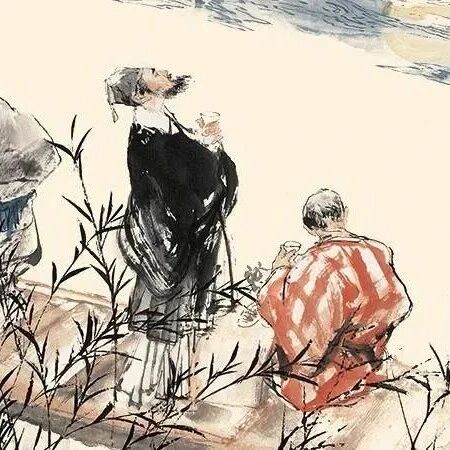
Core Viewpoint - The article emphasizes the importance of optimism, humor, and kindness in overcoming life's challenges, using the life of Su Shi as a central example of how these qualities can lead to a fulfilling life despite adversity [6][20][55]. Group 1: Optimism as a Healing Force - Su Shi's ability to maintain a positive outlook in the face of hardship is highlighted, showcasing his resilience during difficult times, such as when he faced poverty and exile [7][10][12]. - Even in dire situations, Su Shi found joy and contentment, viewing his circumstances with gratitude rather than despair [10][21]. - The article suggests that maintaining an optimistic attitude can lead to unexpected opportunities and a more fulfilling life [21][22]. Group 2: The Value of Humor - Su Shi's humor is portrayed as a vital aspect of his character, allowing him to connect with others and lighten the mood even in serious situations, such as during his imprisonment [26][30]. - His ability to find joy in storytelling and humor helped him navigate through loneliness and adversity [31][35]. - The article argues that a humorous spirit can transform life's challenges into enjoyable experiences, making existence richer and more vibrant [36][37]. Group 3: Kindness as a Pathway to Fulfillment - Su Shi's acts of kindness and compassion towards others are emphasized, illustrating how these actions not only benefited those around him but also enriched his own life [44][50]. - The narrative describes how Su Shi's goodwill led to lasting friendships and support during his times of need, reinforcing the idea that kindness begets kindness [49][55]. - The article concludes that a life led with kindness ultimately leads to personal fulfillment and positive relationships with others [55][59].
英媒:比起“友善”,待人更应该“善良”
Huan Qiu Shi Bao· 2025-09-23 22:49
Group 1 - The article distinguishes between being friendly and being kind, emphasizing that kindness involves doing the right thing regardless of how it is perceived by others [1][2] - Friendly behavior is often motivated by a desire for approval, while kindness focuses on the well-being of others, even if it requires more effort or leads to discomfort [2][3] - The author reflects on a personal experience that led to a shift from seeking approval through friendliness to prioritizing genuine kindness, resulting in a sense of liberation and improved interactions with clients [3] Group 2 - The article suggests that many individuals are conditioned to be people-pleasers, which can lead to superficial interactions that may cause harm [2] - It highlights the importance of constructive criticism and honest communication in professional settings, advocating for a balance between kindness and honesty [3] - The author notes that as one matures, the realization of the value of kindness over mere friendliness becomes clearer, leading to more meaningful relationships and interactions [3]
人活着,最贵的是什么?
洞见· 2025-07-10 11:36
Core Viewpoint - The most valuable aspects of life are not material possessions but rather the free things that one can possess, such as health, peace, contentment, family ties, kindness, and self-cultivation [5][35]. Group 1: Health - Health is considered the most valuable asset and capital in life, as emphasized by philosopher Arthur Schopenhauer, who warned against sacrificing health for material gains [8][14]. - Many individuals neglect their health in pursuit of wealth, only to regret it when faced with illness [10][12]. - Maintaining good health allows individuals to recover from setbacks and mend relationships [15][17]. Group 2: Peace - Inner peace is described as the most precious form of self-cultivation, enabling individuals to remain calm and composed regardless of external circumstances [20]. - A balanced mindset helps in managing emotions and maintaining healthy relationships, ultimately leading to a more fulfilling life [20]. Group 3: Contentment - Contentment is highlighted as a key to happiness, with the idea that those who are satisfied with what they have are truly wealthy [21][29]. - The pursuit of unattainable desires can lead to a lifetime of dissatisfaction, while appreciating what one has brings true happiness [23][29]. Group 4: Family Ties - Family is portrayed as the most reliable support system, especially in times of hardship, emphasizing the importance of cherishing familial relationships [31]. - Unlike other relationships that may fade over time, family bonds remain steadfast and provide essential emotional support [31]. Group 5: Kindness - Kindness is presented as a significant virtue that brings personal rewards and strengthens social bonds, despite a growing trend of cynicism in society [32]. - Acts of kindness not only benefit others but also enhance one's own well-being and fortune [32]. Group 6: Self-Cultivation - The importance of self-cultivation is underscored, with the notion that understanding one's desires leads to a peaceful and fulfilling life [35]. - The article suggests that societal definitions of success may not align with personal happiness, advocating for a focus on intrinsic values [35].

追求成功的時代,請選擇保持善良|鄧 耀中|TEDx臺師大|TEDxNTNU 2025 | 鄧 耀中 | TEDxNTNU
TEDx Talks· 2025-07-03 15:43
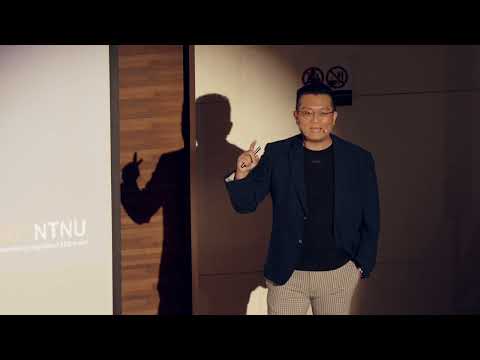
Industry Perspective - The public relations industry is undergoing transformation with the integration of AI and data science, shifting towards "PR as a Solution" [1] - The industry emphasizes the importance of human choice, intention, and meaning-making in the age of automation and computational power [1] Leadership & Vision - Joseph Deng, founder and CEO of 布爾喬亞公關顧問 (Bourgeois PR Consulting), is a key figure in shaping the future of the public relations industry [1] - Deng advocates for understanding and leveraging technology while prioritizing human values and strategic thinking [1] Core Message - Beyond efficiency, the depth of starting points, visions, and choices is the way out [1] - The ability to "understand" machines is crucial, focusing on why we choose, how we act, and how we create meaning alongside technology [1]
人性四大坑,专坑老实人
洞见· 2025-06-01 17:14
Core Viewpoint - The article emphasizes the importance of being cautious in interpersonal relationships, highlighting that excessive openness and trust can lead to exploitation and harm [4][18][55]. Group 1: The Dangers of Overexposure - Sharing personal secrets can quickly become public knowledge, often leading to ridicule rather than sympathy [7]. - Personal information can be weaponized against individuals in competitive situations, as illustrated by a story of a woman whose confidences were used against her by a supposed friend [12][14]. - The article warns that being overly sincere and trusting can invite malicious behavior from others, as people may take advantage of such openness [15][29]. Group 2: The Consequences of Blind Trust - The narrative of a character from a drama illustrates how absolute trust can lead to betrayal, resulting in significant personal and professional setbacks [26][28]. - The article suggests that being overly accommodating and forgiving can lead to being taken advantage of, as seen in the story of a diligent employee who was exploited by colleagues [34][42]. - It stresses that one should not expect compromise to lead to peace, as it may instead encourage further exploitation [43]. Group 3: The Pitfalls of Unconditional Kindness - The article discusses how unrestrained kindness can lead to being manipulated, using a real-life example of a school principal who was taken advantage of by a needy individual [49][53]. - It emphasizes that kindness should be reserved for those who deserve it, to avoid being overwhelmed by the greed of others [54]. - The conclusion reiterates that the evils in human nature are often provoked by one's own actions, advocating for a balance between kindness and self-protection [55].