留学

Search documents
出国的中产后悔了:想回来,但回国失败
36氪· 2026-03-29 09:08
Core Viewpoint - The article discusses the experiences of Chinese families who moved to Thailand for their children's education, highlighting the challenges and disillusionment they faced in seeking a better educational environment away from the pressures of the Chinese education system [6][9][52]. Group 1: Initial Expectations - Many families, like Zhang Yan, initially sought to escape the intense competition and pressure of the Chinese education system by relocating to Thailand, believing it would provide a more relaxed and enjoyable learning environment for their children [6][9]. - The allure of lower tuition fees and a more engaging educational atmosphere in Thailand attracted a significant number of Chinese families, leading to increased demand for international schools [9][27]. Group 2: Reality Check - Over time, families began to realize that the educational quality in Thailand did not meet their expectations, with children lagging behind their peers in China in fundamental subjects like mathematics [15][19]. - The influx of Chinese students in international schools led to a dilution of the promised "international environment," with many classes becoming predominantly Chinese-speaking, which hindered the intended language immersion [19][50]. Group 3: Financial Considerations - While initial costs for education in Thailand appeared lower compared to China, families faced hidden expenses such as rising tuition fees, which increased by 5% to 10% annually, and significant living costs that were not anticipated [31][32]. - The requirement for one parent to give up their job to accompany the child on a non-working visa added financial strain, as many parents found themselves without a source of income while living abroad [36][58]. Group 4: Cultural and Environmental Challenges - Families encountered unexpected environmental issues, such as air pollution during the burning season in Chiang Mai, which contradicted their initial reasons for relocating [38][40]. - The slower pace of life and bureaucratic inefficiencies in Thailand led to frustrations for families accustomed to the faster pace of life in China, impacting their overall experience [42][45]. Group 5: Reflections and Lessons Learned - Many parents reflected on their decisions, realizing that simply changing locations did not resolve their educational concerns, and that a clear understanding of their goals and their children's needs was essential [52][59]. - The article concludes that there is no perfect educational solution, and families must carefully consider what is best for their children rather than seeking to escape challenges without a clear plan [59][60].

冰心与梁家的渊源
Xin Lang Cai Jing· 2026-02-15 06:20
Group 1 - The relationship between Bing Xin and the Liang family remained significant despite earlier separations, indicating ongoing connections and mutual respect [2] - In 1923, Bing Xin traveled to the United States for studies, while Liang Sicheng and Lin Huiyin were also in the U.S. for their education, suggesting a network of intellectuals and shared experiences [2] - A photograph captured during a picnic shows a friendly relationship among Bing Xin, Liang Sicheng, and Lin Huiyin, highlighting their camaraderie during their time in America [3] Group 2 - Bing Xin collected couplets from the poetry of Gong Zizhen, reflecting her literary interests and connections with prominent figures like Liang Qichao, who later wrote a couplet for her [4] - The couplet Bing Xin cherished was kept throughout her life, symbolizing the enduring nature of her relationships and the cultural significance of literary exchanges [5]

张颐武:超越“留学偏见”,营造人尽其才大环境
Xin Lang Cai Jing· 2026-01-26 23:12
Core Viewpoint - The discussion surrounding the value of studying abroad and the return of international students to China reflects a growing public interest, which aids in understanding the role of overseas education and its impact on national development [1] Group 1: Historical Context and Development - The first significant wave of Chinese students studying abroad occurred alongside the reform and opening-up policy, with many returning to contribute to various fields such as research, education, and industrial development [1] - Since the late 1970s to the 1980s, students primarily went to Western countries to learn advanced technologies and development experiences, with many returning to serve their country [1] Group 2: Current Trends and Statistics - From 1978 to 2024, a total of 8.88 million Chinese students have studied abroad, with 7.43 million completing their studies and 6.44 million choosing to return to China, providing strong talent support for national strategies [2] - Since the 18th National Congress of the Communist Party, 5.63 million students have returned to China, accounting for 87% of the total returnees since the reform and opening-up [2] Group 3: Impact on National Development - The return of overseas students is driven by both the rapid development of the country and the changing global landscape, reflecting a mutual recognition of individual value and national identity [3] - The integration of returning talents with domestically trained individuals is accelerating, forming a collaborative force that promotes high-quality development in China [3] Group 4: Future Outlook and Cultural Context - The current generation of students, having grown up during China's rapid development, possesses a broad perspective and cultural confidence, which is essential for their contributions to the country's future [4] - The shift from quantity to quality in the study abroad sector is evident, with an emphasis on fostering an environment that encourages innovation and values individual contributions [4]
留学没有标准模板(远航的书架)
Ren Min Ri Bao Hai Wai Ban· 2025-12-11 00:40
Core Insights - The book "From Now On, the World is Before Me: An International Education Revelation for Chinese Families" presents 30 vivid study abroad stories, breaking traditional narratives and showcasing the diverse experiences of international students [1] - These stories reflect the "imperfect reality" of students from various backgrounds, ages, and countries, emphasizing their struggles, cultural differences, and personal growth rather than a smooth journey [1] - Studying abroad is not just a pathway to a career or school but a transformative process that shapes one's worldview, values, and life boundaries [2] Group 1 - The book features stories of students facing challenges such as anxiety about their first trip, confusion from cultural differences, and struggles with self-identity, highlighting the non-standardized nature of their experiences [1] - The narratives illustrate how individuals find new directions after setbacks, maintain ideals amidst societal expectations, and discover environments that truly suit them [1] - The process of studying abroad allows individuals to redefine goals, broaden perspectives, and potentially change the direction of their lives [2] Group 2 - The challenges faced by students abroad become irreplaceable milestones in their lives, as reflected in Steve Jobs' 2005 Stanford commencement speech, where he emphasized the importance of connecting life's dots [3] - Growth often occurs in unnoticed moments, and it is essential to maintain intuition and curiosity while believing in the significance of continuous exploration [3]
我的“县城婆罗门”闺蜜
虎嗅APP· 2025-11-26 09:40
Core Viewpoint - The article reflects on the contrasting life paths of two friends, highlighting the impact of family background, education, and personal choices on their careers and lives, ultimately emphasizing the importance of individual agency and the complexities of societal expectations. Group 1: Background and Early Life - The two main characters, referred to as "the author" and "Sister Song," were classmates in a key high school, both feeling out of place among their peers due to their unique interests and backgrounds [5][6][7] - Sister Song expressed a strong aversion to marriage at a young age, influenced by her observations of adult relationships, which shaped her independent mindset [6][7] - The author and Sister Song bonded over their shared interests in literature and television, forming a close friendship that defied social norms [7][8] Group 2: Family Dynamics and Aspirations - Sister Song's family dynamics were characterized by her mother's strong influence and meticulous management of household resources, reflecting a traditional yet resourceful upbringing [10][12][13] - The author noted the stark contrast between their family environments, with Sister Song's home filled with valuable items and a sense of order, while the author's home felt more sparse and disorganized [12][13] - Both characters aspired to break free from their circumstances, dreaming of a future filled with opportunities and success, despite their academic struggles [13][17] Group 3: Career Paths and Choices - After graduating, the author pursued a career in law, while Sister Song was placed in a stable job within a state-owned enterprise, showcasing the different paths shaped by their educational backgrounds and family connections [16][17][21] - Sister Song's decision to study for a CPA and her eventual move to a big city reflected her desire for professional growth and independence, contrasting with her initial life in a secure but limiting environment [21][25] - The author found success in journalism, navigating the competitive landscape of a big city, while Sister Song's career progressed steadily within the confines of her initial job [25][27] Group 4: Personal Sacrifices and Family Obligations - Sister Song faced a significant turning point when her mother fell ill, leading her to prioritize family over her career aspirations, demonstrating the tension between personal ambition and familial duty [33][34] - The decision to return home for her mother's care highlighted the emotional complexities of balancing career goals with the responsibilities of being a daughter [33][34] - Ultimately, Sister Song's return to her previous job illustrated the challenges of reconciling personal desires with family expectations, as she resumed a life that felt predetermined [35][41]

X @外汇交易员
外汇交易员· 2025-07-18 01:08
Safety Warning - The Chinese Ministry of Education issued the No 2 study abroad warning for 2025 [1] - The warning highlights the unstable security situation in the Philippines and the high incidence of crimes against Chinese citizens [1] - The Ministry advises students to assess safety risks and enhance precautions when choosing to study in the Philippines [1]
东盟学子广西毕业:老挝女孩圆医学梦 印尼兄妹盼归国创业
Zhong Guo Xin Wen Wang· 2025-06-28 11:29
Core Viewpoint - The article highlights the graduation of ASEAN students from Guangxi University of Science and Technology, focusing on their aspirations and experiences in China, particularly in the fields of medicine and entrepreneurship [1][3]. Group 1: Student Experiences - Mary Wen, a Laotian student, expressed gratitude for her family's support during her graduation, emphasizing her dream of becoming a doctor and the advanced medical education she received in China [3]. - Overcoming language barriers was a significant challenge for Mary Wen, who was the only foreign student in her class, but she successfully integrated into local life with the help of her Chinese classmates [3]. - Mary Wen's clinical practice in Chinese hospitals, including rotations in emergency, internal, and surgical departments, was a valuable experience that she plans to utilize in her future medical career in Laos [3]. Group 2: Aspirations of Indonesian Students - Lin Jianquan and Lin Wanyong, siblings from Indonesia, pursued their studies in China to deepen their understanding of the country, with Lin Jianquan majoring in International Economics and Trade [4]. - Lin Jianquan's mother traveled from Indonesia to attend his graduation, expressing pride and excitement about visiting China [4]. - Lin Jianquan aims to return to Indonesia to start a business, inspired by China's advancements in sectors like new energy vehicles, drones, and 5G technology [4]. - Lin Wanyong, influenced by her brother, also studied in Guangxi and plans to establish a Chinese language training institution in Indonesia after graduation, aiming to promote Chinese culture [4]. Group 3: Educational Context - Guangxi is noted as one of the provinces in China with the highest number of ASEAN students, currently hosting over 6,500 students from ASEAN countries [4].

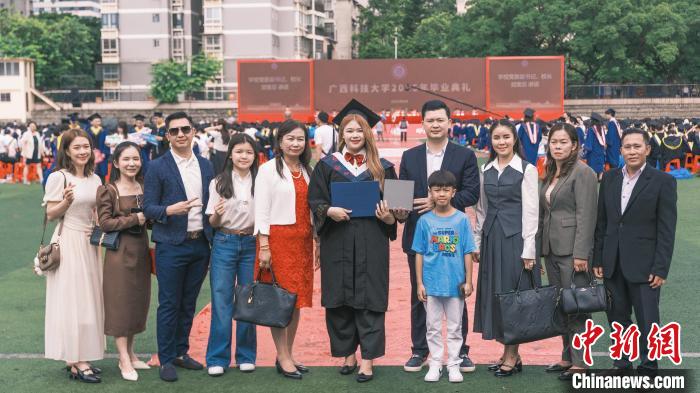
川普欢迎中国留学生,我却想回国了
虎嗅APP· 2025-06-14 09:25
Core Viewpoint - The article discusses the drastic changes in the perception and reality of studying in the United States for Chinese students, highlighting a significant decline in student visa numbers and the challenges faced by those who remain in the U.S. [4][8][41] Group 1: Visa and Enrollment Trends - As of March this year, the number of Chinese student visas has plummeted by 42.5% year-on-year, returning to levels seen a decade ago [4]. - Many Chinese students are choosing to leave the U.S., with reports indicating that half of a group of students have already "escaped" [4][41]. Group 2: Changing Perceptions of the American Dream - The once-promising image of the U.S. as a land of opportunity for students has shifted, with many now feeling marginalized and facing discrimination [8][41]. - The article reflects on the generational differences in perceptions of the U.S., with older generations still holding onto the "American Dream" while younger students are more skeptical [11][41]. Group 3: Financial Burden of Studying in the U.S. - The average cost of studying in the U.S. for Chinese students is around 1 million CNY, with expenses including tuition, living costs, and other fees [17][18]. - The financial strain is exacerbated by the increasing difficulty in securing stable employment post-graduation, leading to a sense of hopelessness among many students [41]. Group 4: Employment Challenges - The job market for international students has become increasingly competitive, with many facing difficulties in obtaining work visas and job offers [35][38]. - The approval rate for H-1B visas for Chinese applicants is significantly lower compared to Indian applicants, creating additional barriers for Chinese graduates [38]. Group 5: Cultural and Social Integration Issues - Many Chinese students report feeling isolated and struggling to integrate into American society, facing both language barriers and cultural differences [24][27]. - Experiences of discrimination and exclusion are common, with students feeling that they are not seen as equals by their peers [26][39].
文化与科研的双重探索(留学记)
Ren Min Ri Bao Hai Wai Ban· 2025-06-05 00:56
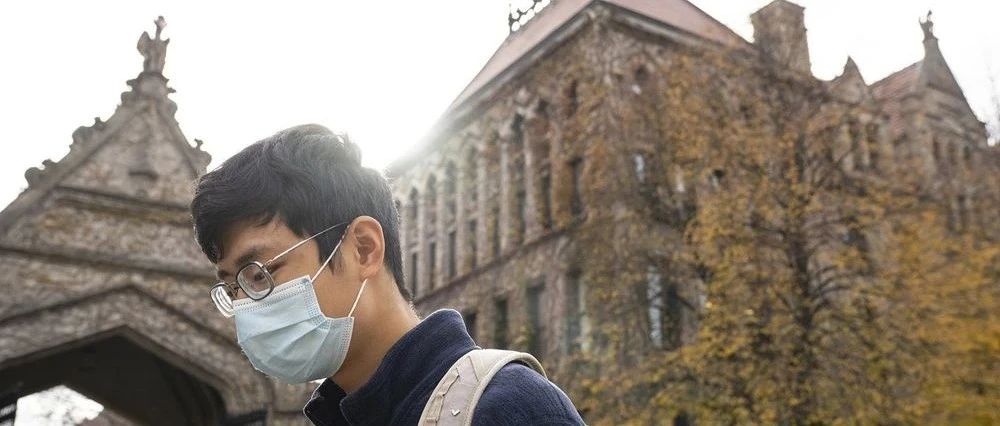
Core Insights - The experience of studying in Germany has significantly broadened academic perspectives and fostered cultural appreciation, leading to personal growth and increased confidence in research responsibilities [1][5]. Group 1: Academic Experience - The company is engaged in sleep medicine research at the prestigious Charité University Hospital in Berlin, focusing on the use of cardiopulmonary coupling technology to explore sleep characteristics in insomnia patients [4]. - The research environment includes collaboration with diverse academic partners from various fields such as medicine, biology, and engineering, enhancing interdisciplinary dialogue and broadening academic perspectives [4]. - Participation in international academic exchanges, including attendance at global sleep medicine conferences, has further expanded the company's research horizons and facilitated productive interactions with renowned experts [4]. Group 2: Cultural Integration - The company emphasizes the importance of cultural exchange, as students engage in activities that promote understanding of different customs and traditions, enriching their overall educational experience [2]. - The vibrant cultural atmosphere of Berlin, characterized by its historical significance and openness, serves as a continuous source of inspiration for research and personal development [5].
世界第一斯坦国,中国留学生正在涌入
36氪· 2025-06-04 12:09
Core Viewpoint - The article discusses the increasing trend of Chinese students choosing to study in Central Asia, particularly Kazakhstan, due to factors such as lower costs, improving university rankings, and favorable bilateral relations with China [3][4][28]. Group 1: Study Destination Trends - The attractiveness of the United States as a study destination has declined due to geopolitical tensions and safety concerns, dropping to fourth place in comprehensive evaluations for Chinese students [4]. - Countries along the "Belt and Road" initiative, such as Malaysia and Kazakhstan, have become more appealing due to their rising university rankings and lower tuition costs [4][28]. - In 2024, trade between China and the five Central Asian countries reached $94.82 billion, reflecting the growing economic and cultural ties [4]. Group 2: Economic and Educational Landscape in Kazakhstan - Kazakhstan's Almaty is highlighted as a vibrant economic center, with a significant digital economy where 90.9% of residents can access the internet [19][20]. - The cost of studying in Kazakhstan is significantly lower than in Western countries, with total expenses kept under 50,000 yuan per year [9][28]. - The Kazakh National University ranks 163rd globally in the QS World University Rankings for 2025, making it a competitive option for students [9][28]. Group 3: Demographics of Chinese Students in Central Asia - The student demographic includes university teachers seeking doctoral degrees, students unable to afford Western education, and those pursuing one-year master's programs for public service exams [29][31]. - Many students are motivated by the need for advanced degrees to enhance their job prospects in China, where a doctoral degree is increasingly seen as a requirement for academic positions [29][31]. Group 4: Economic Opportunities and Challenges - Kazakhstan's GDP per capita is around $15,000, indicating a relatively high purchasing power compared to China, presenting trade opportunities [20]. - However, the country also faces significant wealth disparity, with the wealthiest 50 individuals holding 42% of the national adult welfare [22]. - The article notes the presence of Chinese companies in Kazakhstan, indicating a growing economic footprint and opportunities for collaboration [32][34].