
药品监管改革

Search documents
《药品管理法实施条例》发布,23年来首次全面修订!
Yang Shi Xin Wen Ke Hu Duan· 2026-01-28 04:12
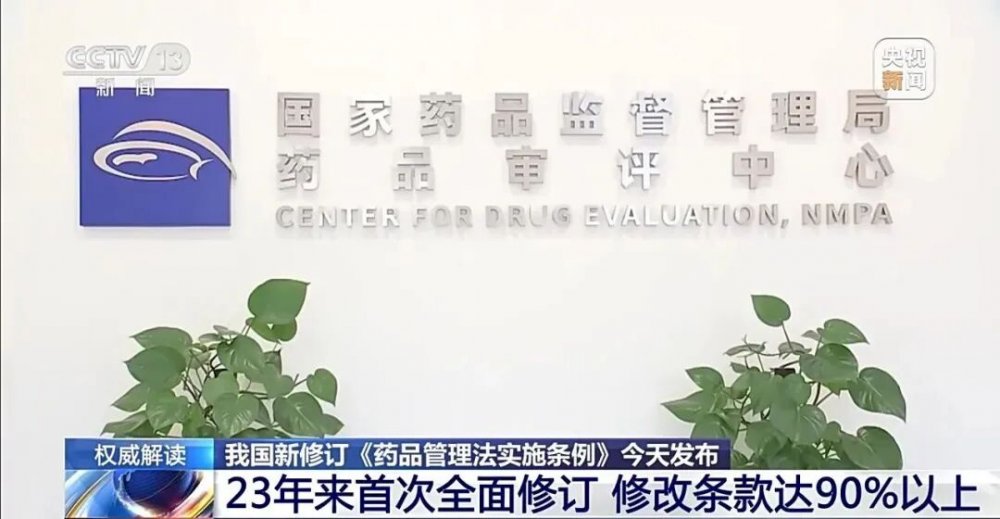
国务院总理李强日前签署国务院令,公布修订后的《中华人民共和国药品管理法实施条例》,自2026年5月15日起施行。 国家药监局政策法规司司长张琪介绍,《药品管理法实施条例》是《药品管理法》的重要配套行政法规。现行条例是2002年公布施行,曾有3 次对个别条款进行修改,这次修订是条例施行23年来的首次全面修订。 据介绍,与23年前相比,我国药品研制、生产、流通、使用各环节都发生巨大变化,法律法规制度也需要顺应变化,修订完善。 据了解,现行条例于2002年公布施行,包括药品生产企业管理、药品经营企业管理、医疗机构的药剂管理、药品管理、药品包装的管理、药品 价格和广告的管理、药品监督和法律责任等方面内容。 张琪表示,2019年《药品管理法实施条例》的上位法《药品管理法》全面修订,这次对条例全面修订,修改的条款达到90%以上,除了第一条 以《药品管理法》作为立法依据的条款没有修改外,其余条款均有调整或者修改。 据了解,我国2015年启动药品审评审批制度改革,2019年全面修订《药品管理法》,引入药品上市许可持有人制度,鼓励创新、加强药品全生 命周期监管。 张琪表示,这次条例修订细化《药品管理法》的制度措施,将近年来药品 ...

山东省药监局:“监管+服务”双轮驱动医药产业高质量发展
Qi Lu Wan Bao· 2026-01-16 10:18
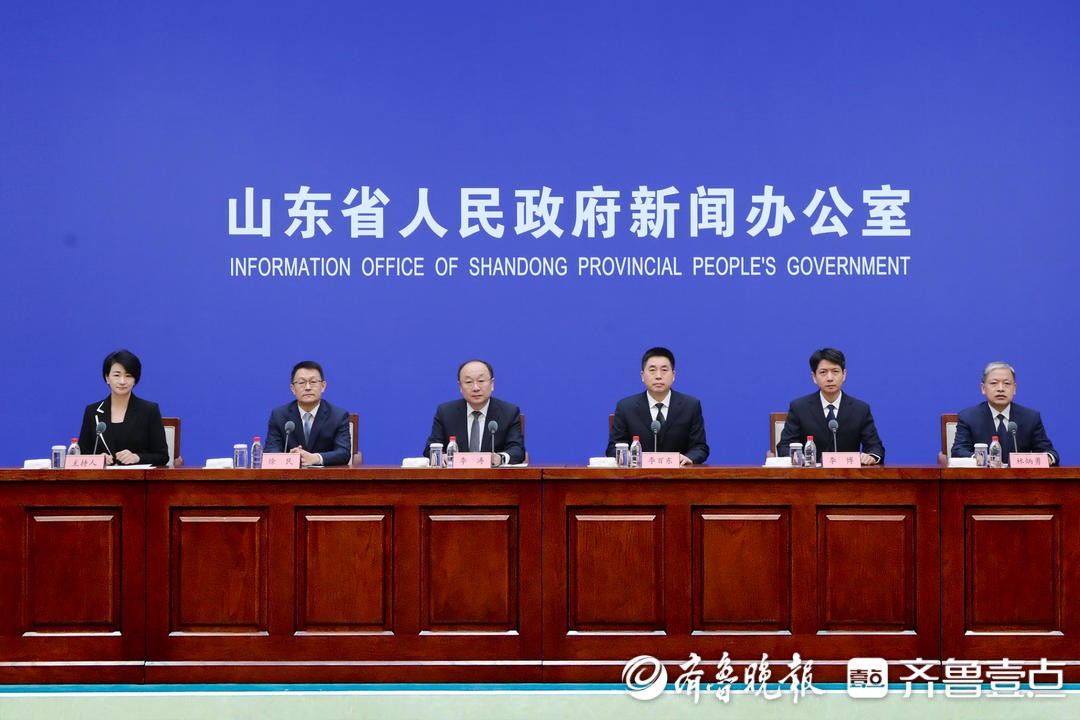
齐鲁晚报.齐鲁壹点记者秦聪聪 一是守牢安全底线。我们坚持守底线保安全,以新安全格局保障新发展格局。不断完善地方属地、部门管理、企业主体"三位一体"责任落实体系,在全国 率先以党内文件出台药品安全党政同责规定,压实地方属地和部门管理责任。指导企业坚持"质量为本,以质取胜",新华制药(000756)通过德国默克6 年的质量管理考核,签订年产值40亿元的跨国合作项目,成为全球医药合作"双向奔赴"的典范,也为全国药品企业主体责任落实树立了标杆。推动安全风 险防范关口前移,每季度开展全系统和各领域药品安全风险会商,加强常态化风险隐患排查治理。强化分级分类监管,扎实开展药品经营"清源"行动,针 对临床试验、委托生产、集采中选、网络销售等重点环节,强化靶向发力。药品抽检合格率达99.8%以上,高于全国平均水平。深化"罚帮并重",在严格 处罚的同时,安排专人对违法企业进行帮扶,防范化解潜在风险,提升产品质量水平。 二是强化改革赋能。以改革促创新,积极对上争取支持,将山东纳入国家药监局药品和医疗器械审评检查京津冀分中心服务范围,成为唯一辐射京津冀之 外的省份,为强化京津冀鲁标准互认、监管协同打下坚实基础。获批全国首批优化药品补 ...

研发有支持、转化有通道、使用有保障,山东为创新药械挂网开通绿色通道
Feng Huang Wang Cai Jing· 2026-01-16 07:32
Core Viewpoint - The Shandong Provincial Government has issued a policy document aimed at deepening the reform of drug and medical device regulation to promote high-quality development in the pharmaceutical industry, marking a significant step in balancing drug safety and industrial growth [6][11]. Group 1: Policy Implementation - The document outlines 29 measures across six key areas to enhance the innovation and development of the pharmaceutical industry [7]. - It emphasizes the importance of drug and medical devices as critical goods related to public health and safety, as well as economic development [4]. Group 2: Key Measures - Strengthening the cultivation of pharmaceutical innovation by supporting cutting-edge technology, enhancing innovation platforms, and promoting the transformation of innovative drugs and devices [7]. - Optimizing the clinical trial ecosystem by encouraging medical institutions to undertake trials, improving ethical review efficiency, and applying AI technology [8]. - Deepening review and approval reforms, including proactive engagement with national drug regulatory bodies and supporting segmented production of drugs [9][10]. Group 3: Industry Growth and Internationalization - Promoting the international development of the industry through targeted investment attraction and enhancing international cooperation [9]. - Encouraging the clinical promotion and use of innovative products by establishing product directories and improving insurance payment mechanisms [8]. Group 4: Quality Supervision - Strengthening quality supervision throughout the entire process, ensuring corporate responsibility, and enhancing smart regulatory capabilities [10][13]. - Implementing a comprehensive regulatory framework to ensure drug safety and efficacy, utilizing big data and AI for monitoring [13]. Group 5: Collaborative Efforts - Enhancing collaboration among various departments such as technology, health, and drug regulation to create a seamless connection between clinical trials, usage, and insurance coverage [12]. - Establishing a mechanism for mutual recognition of ethical reviews in multi-center clinical trials to reduce costs and time for enterprises [12]. Group 6: Future Directions - The Shandong Provincial Drug Administration will work with relevant departments to ensure drug safety and support the high-quality development of the pharmaceutical industry [13].

国家药品监督管理局:持续深化药品监管改革,助力药品研制创新
Cai Jing Wang· 2026-01-04 15:05
Core Viewpoint - The National Medical Products Administration (NMPA) has announced the approval of the revised draft of the Drug Administration Law Implementation Regulations, emphasizing the need for strict enforcement, regulatory reform, and capacity building in drug supervision to ensure high-level drug safety and promote innovation in drug development [1][2]. Group 1: Drug Safety and Enforcement - Strict supervision and enforcement will be prioritized to ensure high-level drug safety, with a focus on the entire lifecycle quality management of drugs and increased efforts to combat illegal drug activities [1]. - The NMPA aims to enhance the quality of drug supervision by strengthening oversight in key areas and increasing enforcement actions against violations [1]. Group 2: Drug Innovation and Regulatory Reform - Continuous reform in drug regulation is essential to support drug research and innovation, with efforts to improve the efficiency of drug review and approval processes [1]. - The goal is to accelerate the market entry of new drugs that meet public demand, thereby enhancing the competitiveness of the pharmaceutical industry [1]. Group 3: Capacity Building and Regulatory Framework - There will be a focus on building a high-quality, professional regulatory workforce and innovating regulatory methods to improve overall regulatory effectiveness [1]. - The NMPA plans to develop a comprehensive and scientifically sound regulatory framework by revising supporting documents and technical guidelines in line with the new regulations [2]. Group 4: Training and Public Awareness - The NMPA will conduct extensive training and awareness programs to ensure effective implementation of the new regulations, targeting various regulatory levels and types of enterprises [1]. - The training will cover the background, reform measures, regulatory requirements, and legal responsibilities outlined in the new regulations [1].
四川省药品监督管理局奋力书写“十四五”药品安全答卷 固本强基守底线 改革创新追高线
Si Chuan Ri Bao· 2025-12-25 07:45
Core Viewpoint - The Sichuan Provincial Drug Administration is actively enhancing drug regulation and quality control through a multi-faceted approach, focusing on safety, efficiency, and public welfare during the "14th Five-Year Plan" period [3][4][9]. Group 1: Regulatory Framework - The Sichuan Provincial Drug Administration is building a scientific and efficient drug regulatory system, emphasizing government leadership, departmental collaboration, and social governance [4]. - A clear responsibility system has been established to enhance regulatory effectiveness, with a three-tier and five-region regulatory framework [4]. - The administration has strengthened coordination with 26 departments to advance drug safety collectively [4]. Group 2: Digital Transformation - Digital transformation initiatives have made drug regulation smarter, with online processing for all regulatory procedures and an electronic traceability system for drugs [5]. - The implementation of a unique identification system for medical devices has resulted in over 22,600 data uploads, ranking eighth nationally [5]. - The establishment of seven key laboratories has positioned Sichuan as a leader in the western region for drug monitoring and safety [5]. Group 3: Talent Development - The administration has developed a professional title evaluation system for pharmaceutical engineering and non-clinical pharmacy, assessing 199 individuals to support high-quality industry development [6]. - Continuous training programs have been conducted, with over 10,000 participants, to enhance the professional skills of regulatory personnel [6]. - Competitions and events have been organized to showcase the capabilities of the drug inspection industry in Sichuan [6]. Group 4: Comprehensive Safety Control - A systematic approach has been adopted to ensure safety throughout the entire drug lifecycle, from research and development to usage [7]. - The administration has conducted over 60,000 inspections in the past five years, achieving a compliance rate of 99.6% for drugs and 98.2% for medical devices [8]. - Collaborative efforts with Chongqing have been initiated to create an integrated drug regulatory model, enhancing regional cooperation [8]. Group 5: Industry Support and Innovation - The Sichuan Provincial Drug Administration is addressing barriers to innovation in the pharmaceutical industry by launching a user community platform for medical devices [9]. - A proactive service model has been implemented to support enterprises, reducing the average review time for innovative products by 86% [10]. - The administration has streamlined approval processes, significantly improving efficiency in drug and medical device registrations [11].
安徽“十四五”药品监管成效领跑全国
Xin Lang Cai Jing· 2025-12-24 16:47
Core Insights - Anhui Province's pharmaceutical regulatory department has established a comprehensive regulatory system during the "14th Five-Year Plan" period, achieving an A-level rating in national drug safety assessments for three consecutive years and promoting significant growth in the pharmaceutical industry [1][2] Group 1: Drug Safety and Regulation - The province has implemented the "four strictest" requirements, establishing a risk consultation mechanism at provincial, municipal, and county levels, achieving a closed-loop management of risk monitoring, analysis, assessment, and response [1] - In 2024, the provincial drug and medical device sampling inspection will cover 11,000 batches, with a drug sampling pass rate of 99.85% and a 100% pass rate for high-risk drugs [1] - Since the beginning of the "14th Five-Year Plan," over 36,000 drug and medical device cases have been investigated, with 697 cases referred to law enforcement, and no significant drug safety incidents reported [1] Group 2: Industry Innovation and Development - The province has streamlined 117 pharmaceutical and medical device administrative service items to achieve "one-stop online service," with 39 municipal and county-level items standardized [2] - A total of 166 new drug registration approvals were granted in 2024, including 54 first generic drugs, representing a 170% year-on-year increase [2] - Since the "14th Five-Year Plan," 714 new pharmaceutical and medical device production enterprises have been established, marking a 40.2% increase, and 43 new clinical trial institutions have been added, with a 205% increase [2] Group 3: Regulatory Capacity Enhancement - The province has revised over 50 regulations and 500 standards, including 408 provincial standards for traditional Chinese medicine formula granules [2] - The "Drug Supervision Talent Program" has attracted 125 professional technical personnel and appointed 1,133 provincial inspectors, establishing 45 training bases [2] - All 16 municipal drug testing institutions have reached national C-level standards, and a comprehensive adverse reaction monitoring system has been implemented at the county level [2]
药械创新“山东速度”:审评时限缩7成,1类创新药获批量增10倍
Qi Lu Wan Bao· 2025-12-11 12:18
Group 1 - The core viewpoint of the article highlights Shandong's efforts to promote high-quality development in the pharmaceutical industry during the "14th Five-Year Plan" period through various supportive policies and measures [3][4]. - Shandong has introduced a series of policies, including a maximum funding subsidy of 30 million yuan for clinical trials of Class 1 innovative drugs, and has implemented 133 high-value supporting measures to enhance the research and development capabilities of innovative drugs and medical devices [3][4]. - Since the beginning of the "14th Five-Year Plan," Shandong has approved 10 Class 1 innovative drugs, which is ten times the number approved during the "13th Five-Year Plan," and has seen a compound annual growth rate of nearly 40% in new drug approvals [3][4]. Group 2 - In terms of drug regulation reform, Shandong is focused on creating a flat service system that connects various levels of governance, actively integrating into the Beijing-Tianjin-Hebei national strategy [4]. - The province has been approved as a pilot for the national drug supplementary application review and approval process reform, significantly reducing review times for innovative technology applications and major process changes from 200 working days to 60 working days, a reduction of 70% [4]. - The establishment of provincial drug regulatory review and inspection sub-centers in cities like Jinan, Yantai, and Heze has led to the efficient handling of over 5,000 items, with average processing times reduced by more than 50% [4]. Group 3 - Shandong is committed to both "going out" and "bringing in" strategies to enhance cooperation in the pharmaceutical industry [5]. - The province has organized pharmaceutical industry promotion events in Europe and Central Asia, resulting in 26 signed cooperation projects, leveraging its complete pharmaceutical industry chain and strong manufacturing capabilities [5]. - By building a comprehensive platform for innovation and regulatory services, Shandong has attracted high-profile international pharmaceutical projects from companies like AstraZeneca, Bayer, and Bausch & Lomb, establishing itself as a new highland for the openness of the pharmaceutical industry [5].
深化改革引领 服务民生急需 江苏药监推动建议提案办理成果转化为高质量发展实效
Yang Zi Wan Bao Wang· 2025-12-08 10:44
Core Insights - Jiangsu Provincial Drug Administration has effectively implemented 46 proposals since 2025, achieving a 100% conversion rate to enhance the innovation momentum of the pharmaceutical industry and improve public medication safety and convenience [1][2]. Group 1: Policy Implementation and Impact - The administration established a mechanism for handling proposals, breaking down 46 proposals into 94 specific tasks, resulting in the resolution of 255 issues for 109 key enterprises and the approval of 324 new drugs and 412 third-class medical devices [2][3]. - The approval of innovative drugs and medical devices accounted for 25% and 16.67% of the national totals, respectively, with 1,512 second-class medical devices also approved, placing Jiangsu at the forefront nationally [2][3]. Group 2: Regulatory Efficiency and Innovation - The establishment of a "green channel" for innovative medical device reviews reduced the review period for major projects to 30 working days, while the average inspection time for active medical devices decreased from 85 to 60 working days [3]. - The implementation of an electronic inspection information management system allows companies to verify reports online, promoting a "zero-run" service model [3]. Group 3: Community and Regional Collaboration - The administration has improved the readability of drug instructions for the elderly by creating simplified versions for 28 commonly used medications, addressing chronic diseases like hypertension and diabetes [4]. - Collaborative efforts in the Yangtze River Delta region have led to unified standards and policies in drug regulation, benefiting local communities [4]. Group 4: Long-term Governance and Quality Development - The administration combines short-term initiatives with long-term governance, optimizing drug supplementary application review processes and successfully approving 14 products, enhancing the speed of major changes post-market [5]. - A guide for pharmaceutical companies on implementing responsibility and a comprehensive governance action for home medical devices have been introduced to mitigate drug safety risks [5]. Group 5: Future Directions and Commitments - The Jiangsu Provincial Drug Administration aims to continue leveraging proposal handling as a catalyst for regulatory reform, ensuring both enterprise development and public safety in medication [6].
高质量完成“十四五”规划丨我国医药产业规模位居全球第二位
Xin Hua She· 2025-08-22 08:10
Core Insights - The pharmaceutical industry in China ranks second globally, with approximately 30% of innovative drugs under research worldwide [1][2] - The National Medical Products Administration (NMPA) is focused on ensuring drug safety, supporting high-quality development of the pharmaceutical industry, and meeting public medication needs [1][2] Group 1: Drug Safety Measures - China is enhancing dynamic regulation covering the entire lifecycle of drugs, establishing a risk consultation mechanism, and focusing on key areas such as online sales, contract manufacturing, and clinical trial management [1] - The country plans to conduct over 200,000 drug inspections, 20,000 medical device inspections, and 20,000 cosmetic inspections annually during the 14th Five-Year Plan [1] Group 2: Support for Pharmaceutical Development - Since the beginning of the 14th Five-Year Plan, 204 innovative drugs and 265 innovative medical devices have been approved, with 50 innovative drugs and 49 medical devices approved in the first seven months of this year [2] - The NMPA is implementing expedited review channels for breakthrough therapies and prioritizing the approval of key products through tailored guidance [1][2] Group 3: Meeting Public Medication Needs - The approval process for urgently needed foreign drugs has been optimized to allow faster access to the latest global drug developments for Chinese patients [2] - A total of 387 pediatric drugs and 147 rare disease drugs have been approved since the start of the 14th Five-Year Plan, addressing the medication needs of key populations [2]
“十四五”期间 国家药品抽检合格率稳定在99.4%以上
Sou Hu Cai Jing· 2025-08-22 06:25
Core Viewpoint - During the "14th Five-Year Plan" period, China is comprehensively deepening the reform of drug and medical device regulation to promote high-quality development in the pharmaceutical industry, with a national drug inspection pass rate stabilizing at over 99.4% [1] Group 1 - The National Medical Products Administration (NMPA) supports enterprises in conducting global clinical trials simultaneously, aiming to shorten the global market launch cycle for drugs [1] - The NMPA encourages foreign-invested enterprises to introduce original research drugs, biological products, and high-end medical equipment for domestic production [1] - The scope of export sales certification for drugs and medical devices is being expanded to provide strong support for the internationalization of Chinese pharmaceuticals [1] Group 2 - The establishment of three regional centers in Beijing-Tianjin-Hebei, Central China, and Southwest China is being accelerated [1] - A scientific action plan for drug regulation is being implemented to expedite the development of new regulatory tools, standards, and methods [1]