贷款诈骗

Search documents
为5000好处费背上10多万贷款
Xin Lang Cai Jing· 2026-02-01 04:54
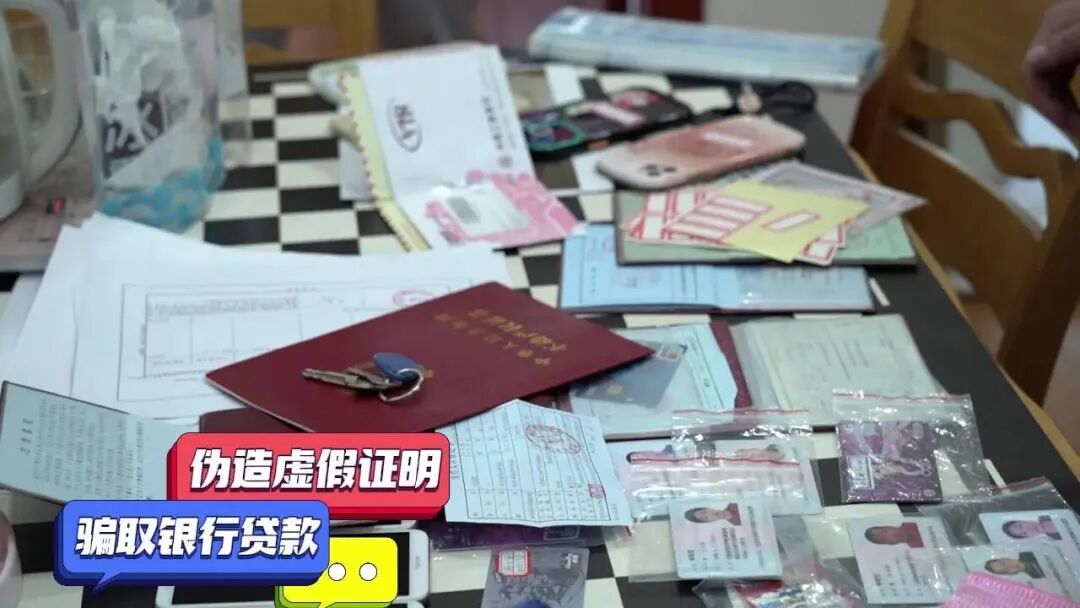
#央视揭骗子盯上信用良好人员#【#为5000好处费背上10多万贷款#】江苏靖江某银行发现,该行2023年 三季度办理的44笔贷款中,有38笔在还款1-3期后就断供了,银行也联系不上借款人。公安机关调查发 现,逾期贷款均是通过泰州一汽贸公司发生的业务,且38辆新车上牌后极短时间内便被当作二手车变 卖,车辆售出后,借款人停止还款。卖车所得款项并未落入借款人手中,而是全额转入杨某、刘某等人 的账户。警方顺藤摸瓜,一个涉嫌贷款诈骗的犯罪团伙浮出水面。该团伙发布"寻找无贷款记录人 员""日结工资"等虚假广告,招募"白户(信用良好人员)"当背债人,许诺高额好处费;制作虚假材 料,甚至为背债人买新衣服鞋子,以便骗取银行贷款。新车到手后,团伙人员立刻要求借款人录制"自 愿过户"视频,同时签署空白车辆买卖协议,并教给背债人"失业了""不在当地"等话术应付银行。团伙 成员按比例分赃,"白户"仅获得很少的好处费,却背上十几万的债务,个人征信留下污点,有的甚至被 追究法律责任。目前,该团伙12人被判处刑罚,其余23名涉案人员正在陆续移送起诉。[话筒]警方提 示:警惕利益诱惑,切勿出借个人身份充当"白户",沦为犯罪"工具人"。(央视新 ...
央视披露:犯罪团伙在全国招募借款人,以虚假材料骗取车贷,造成银行经济损失670多万元,在多地抓获37名犯罪嫌疑人;警方还原犯罪链条
Zhong Guo Ji Jin Bao· 2026-02-01 03:57
(原标题:央视披露:犯罪团伙在全国招募借款人,以虚假材料骗取车贷,造成银行经济损失670多万 元,在多地抓获37名犯罪嫌疑人;警方还原犯罪链条) 来源:央视新闻 贷款购车已成消费常态,为契合市场,不少金融机构推出了无抵押汽车消费贷,该产品无需资产抵押, 仅凭信用即可申请,首付最低只需两成。然而这项惠民之举,却被不法分子盯上,沦为诈骗工具。在江 苏泰州公安机关近日公布的一起贷款诈骗案中,犯罪团伙在全国招募借款人,以虚假材料骗取车贷,造 成银行直接经济损失670多万元。 2024年5月,泰州靖江市某银行向公安机关反映,该行2023年三季度办理的44笔贷款中,有38笔在还款1 到3期后就断供了,银行也联系不上借款人。 江苏靖江市公安局经侦大队三中队民警 范杰:我们初步调查发现,这38笔逾期的贷款都是通过泰州同 一家汽贸公司发生的业务。每单贷款额度在18万到20万元之间,因为20万以下额度的个人汽车消费贷, 是银行系统自动审批,会大大提高贷款的成功率。 江苏靖江市公安局经侦大队二中队民警 缪铖毓:这些借款人都不是我省居民,日常工作生活也不在泰 州。他们申请贷款时提供的"本地工作证明"是伪造的。而且这里面不少人没有驾照 ...
异常车贷暴露骗局 起底“无抵押消费贷”诈骗违法犯罪
Xin Lang Cai Jing· 2026-01-31 12:16
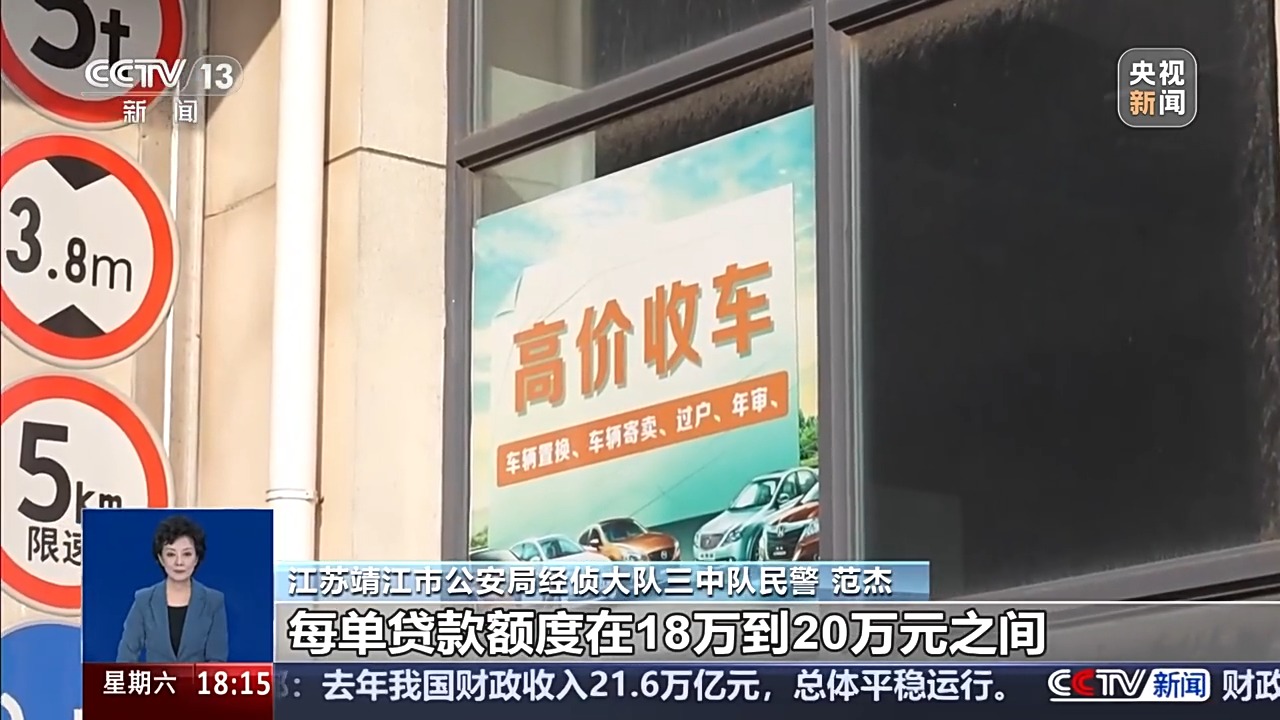
本文转自【央视新闻客户端】; 贷款购车已成消费常态,为契合市场,不少金融机构推出了无抵押汽车消费贷,该产品无需资产抵押,仅凭信用即可申请,首付最低只需两成。然而这项惠 民之举,却被不法分子盯上,沦为诈骗工具。在江苏泰州公安机关近日公布的一起贷款诈骗案中,犯罪团伙在全国招募借款人,以虚假材料骗取车贷,造成 银行直接经济损失670多万元。 2024年5月,泰州靖江市某银行向公安机关反映,该行2023年三季度办理的44笔贷款中,有38笔在还款1到3期后就断供了,银行也联系不上借款人。 江苏靖江市公安局经侦大队三中队民警 范杰:我们初步调查发现,这38笔逾期的贷款都是通过泰州同一家汽贸公司发生的业务。每单贷款额度在18万到20 万元之间,因为20万以下额度的个人汽车消费贷,是银行系统自动审批,会大大提高贷款的成功率。 江苏靖江市公安局经侦大队二中队民警 缪铖毓:这些借款人都不是我省居民,日常工作生活也不在泰州。他们申请贷款时提供的"本地工作证明"是伪造 的。而且这里面不少人没有驾照,也没有购车意愿,但他们都选择贷款购买25万到40万元之间的中高档轿车,这明显不符合常理。 警方进一步调查发现,这38辆新车在上牌后极短时 ...

金融监管总局、公安部联合发布第二批金融领域“黑灰产”违法犯罪典型案例
Xin Lang Cai Jing· 2026-01-23 10:43
Core Viewpoint - The Financial Regulatory Administration and the Ministry of Public Security have intensified collaboration to combat illegal financial activities, particularly in the "black and gray" sectors, achieving positive results through the publication of typical cases [1][18]. Group 1: Case Summaries - **Case 1**: An investment company and its members engaged in illegal lending under the guise of "buying houses on behalf of others," lending a total of 56.39 million yuan at an actual annual interest rate exceeding 36% from 2022 to 2023 [1][19][20]. - **Case 2**: A perpetrator fabricated business materials to defraud six financial institutions, obtaining over 102 million yuan in unsecured operating loans, with 57 million yuan in overdue principal at the time of investigation [4][22][24]. - **Case 3**: A group recruited individuals without genuine purchasing ability to apply for auto loans, resulting in a total loan amount of 7.344 million yuan, with a bank loss of 6.765 million yuan [8][25][27]. - **Case 4**: A fraud ring misled insurance clients into short-term cancellations of policies, leading to a total investment of over 17.63 million yuan and a loss of 5.84 million yuan for the insurance company [11][29][31]. - **Case 5**: Individuals illegally purchased personal information of insurance policyholders, leading to a profit of 68,749 yuan from the illegal sale of 67,207 personal records [14][32][35]. Group 2: Enforcement Actions - The police initiated investigations into these cases, with significant penalties imposed, including prison sentences ranging from two to over twelve years for various defendants involved in these financial crimes [2][6][19][23][30]. - The judicial outcomes reflect a commitment to severe punishment for financial crimes, reinforcing the legal framework against such activities and ensuring the protection of the financial ecosystem [7][24][28][31]. Group 3: Implications and Recommendations - The crackdown on illegal intermediaries is crucial for the effective implementation of macroeconomic policies, particularly in supporting small and micro enterprises [3][20]. - Strengthening collaboration between financial regulatory bodies and law enforcement is essential for comprehensive risk management and prevention of financial crimes [7][24][35]. - Continuous education and awareness campaigns are recommended to inform consumers about their rights and the risks associated with financial products, thereby enhancing the integrity of the financial market [16][35].
一线城市高发!骗子最喜欢扮演这10种人
Sou Hu Cai Jing· 2026-01-20 11:40
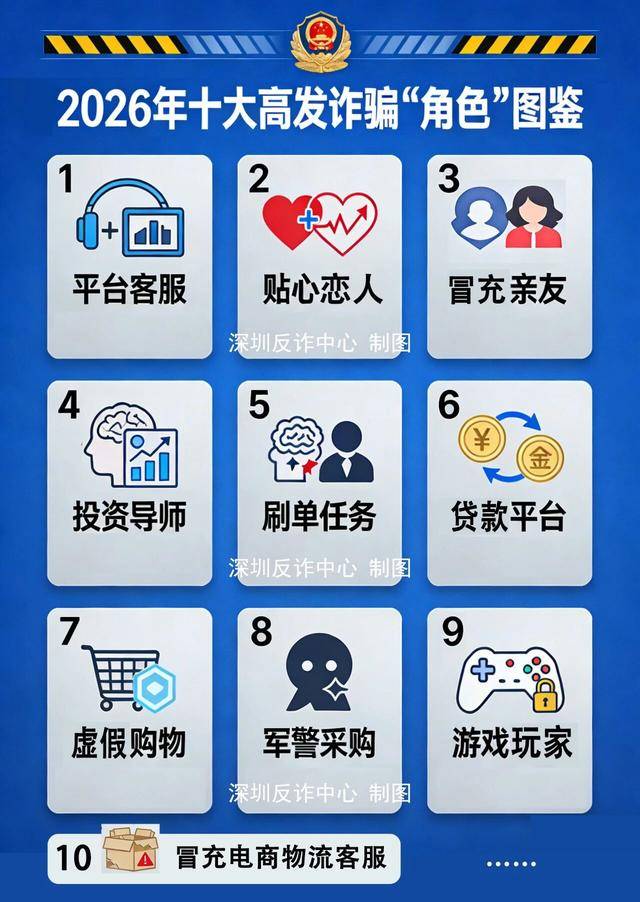
Core Viewpoint - The Ministry of Foreign Affairs has issued a warning about scammers impersonating the "12308 consular protection hotline," urging the public to be cautious and verify any suspicious calls [1] Group 1: Types of Scams - Impersonation of "Platform Customer Service" is one of the most common scams, where scammers pose as customer service representatives from platforms like Douyin, WeChat, and Alipay, threatening automatic charges to induce victims to share personal information and download malicious software [3] - Scammers impersonate "Close Lovers" or "Successful Individuals," using emotional manipulation to build trust before leading victims to fraudulent investment opportunities, commonly known as "pig-butchering" scams [4] - Impersonation of "Leaders, Friends, or Weibo Contacts" involves scammers using stolen social media accounts or AI-generated voices to request urgent money transfers under false pretenses [5] - Scammers posing as "Investment Mentors" or "Financial Experts" promote fake investment opportunities with promises of zero risk and high returns, often showcasing fabricated profit screenshots [6] - "Order Brushback" scams involve victims being lured into completing tasks for refunds, only to be manipulated into making larger investments under false pretenses [7] - Impersonation of "Loan Platforms" or "Credit Institutions" involves scammers claiming to help with credit issues or loan approvals, demanding upfront fees that are never legitimate [8] - Scammers post "Fake Shopping" or "Special Ticket Offers" on second-hand platforms, enticing victims to conduct transactions outside of secure platforms [9] - Impersonation of "Military or Police Personnel" involves scammers posing as officials to solicit payments for fake procurement needs [10] - Scammers masquerade as "Game Players" or "Game Customer Service," enticing victims with offers related to in-game transactions that lead to further scams [11] - Impersonation of "E-commerce Logistics Customer Service" involves scammers claiming issues with products and offering refunds to extract money from victims [12]
身份证有“两张脸”,“糟心事”不断?竟因多年前一“草率”行为
Xin Lang Cai Jing· 2026-01-14 14:28
Core Viewpoint - The article highlights a complex identity theft and loan fraud case involving the misuse of personal information, leading to significant financial losses for the victim and legal consequences for the perpetrators [1][4][5]. Group 1: Identity Theft and Fraud Mechanism - The fraud involved the use of fake public housing fund payment records to pass bank loan qualifications, allowing the perpetrators to apply for personal loans and then disappear after cashing out [1][4]. - A victim, Ms. Deng, discovered her identity was stolen when she found unauthorized credit card applications and loans linked to her name, despite never having visited the locations where these transactions occurred [2][3]. - The fraudsters created a fake identity for Ms. Deng, which was used to secure loans and other financial products, leading to her being pursued for debts she did not incur [5][7]. Group 2: Criminal Network and Legal Proceedings - A criminal gang was identified, with over 40 suspects involved in the loan fraud scheme, using forged documents to apply for loans across multiple banks [4][5]. - The main suspect, Ding, was arrested in 2025 and was found to have used Ms. Deng's identity to secure a loan of 300,000 RMB, which was never repaid, resulting in significant losses for the banks involved [5][6]. - Legal actions have been initiated against Ding for loan fraud, money laundering, and identity document forgery, with the case currently under further judicial review [7][8].
“职业背债”,馅饼还是陷阱?
Xin Lang Cai Jing· 2026-01-06 17:29
Core Viewpoint - The recent crackdown on a new type of contract fraud in Shanghai has highlighted the issues of "professional debtors" and "professional store closers," raising societal concerns about these practices and the legal implications surrounding them [1][2]. Group 1: Fraud Mechanisms - The phenomenon of businesses, such as gyms and training institutions, abruptly closing and evading debts has been observed, often facilitated by "professional store closers" who manipulate asset transfers and change business entities to avoid legal responsibilities [1][2]. - "Professional debtors" are individuals who sell their personal credit to assume debts for others in exchange for significant financial rewards, often targeting individuals from less educated backgrounds or those lacking stable income sources [1][2]. Group 2: Legal Implications - Both "professional store closers" and "professional debtors" face civil and criminal liabilities, regardless of their roles in the fraud [2][3]. - The Supreme People's Court's interpretation regarding prepayment consumption disputes, effective from May 2025, aims to regulate the fraudulent closure of prepayment businesses, imposing punitive compensation for businesses that fail to refund consumers after ceasing operations [3]. - Criminal charges for "professional store closers" may include loan fraud and contract fraud, with specific legal definitions and penalties outlined in the criminal law [4]. Group 3: Penalties and Consequences - The penalties for "professional debtors" can be severe, with potential prison sentences exceeding ten years or even life imprisonment for significant fraud amounts [4]. - Engaging in these fraudulent activities not only jeopardizes personal credit records but also exposes individuals to harsh legal repercussions [4].
“富太太”的圈钱局 涉六罪一审被判有期徒刑十七年
Xin Lang Cai Jing· 2026-01-02 06:06
Core Viewpoint - The case involves a fraudulent scheme led by Yao, who created a false persona as a wealthy individual to deceive financial institutions and individuals into providing loans totaling over 169 million yuan, resulting in significant financial losses for the banks involved [1][8]. Group 1: Fraudulent Activities - Yao, along with accomplices, registered shell companies and used the identities of victims to secure loans from financial institutions, amounting to over 169 million yuan [1][8]. - The fraudulent activities included loan fraud, contract fraud, theft, money laundering, credit card fraud, and forgery of company seals [1][9]. - Yao's operations led to financial institutions suffering losses exceeding 130 million yuan due to overdue loans [8]. Group 2: Legal Proceedings - The Suzhou Municipal Prosecutor's Office initiated legal proceedings against Yao and her accomplices, resulting in Yao receiving a 17-year prison sentence and a fine of 625,000 yuan [1][14]. - Other accomplices received varying sentences, with Li and Zhang sentenced to 30 months and 22 months respectively, while Tan received a 27-month sentence [1][14]. - The case was escalated to the prosecutor's office for further investigation into money laundering activities linked to the fraudulent loans [11][14]. Group 3: Background and Motivation - Yao, who previously operated a failing garment factory, adopted a false identity as a wealthy individual to borrow money from friends and financial institutions [7][8]. - She fabricated a story about her husband being a wealthy heir to a well-known group, which helped her gain trust and manipulate others into participating in her schemes [7][8]. - The fraudulent activities were driven by Yao's desire to maintain a lavish lifestyle and to create an illusion of wealth [7][9].

“白富美”竟是老赖!“80后”女子假冒富豪妻子骗贷1690余万元,涉六罪一审获刑17年
Xin Lang Cai Jing· 2026-01-02 05:02
Group 1 - The case involves a fraudulent scheme led by Yao, who created a false persona as a wealthy individual to deceive financial institutions into granting loans totaling over 169 million yuan [1][6][9] - Yao, along with accomplices, used a shell company and manipulated individuals into becoming nominal legal representatives to secure loans without any legitimate business operations [2][5][6] - The investigation revealed that Yao had a history of financial troubles, including being listed as a dishonest debtor, and had previously operated a failing garment factory [5][6] Group 2 - The fraudulent activities included obtaining loans from banks and other financial institutions, resulting in significant losses for these institutions, estimated at over 130 million yuan [6][9] - Yao's operations involved a complex scheme of money laundering, where funds were withdrawn and transferred to various accounts for personal use and to pay off initial loans [8][9] - The case has prompted authorities to investigate and address governance issues related to shell companies, leading to recommendations for administrative actions to clean up illegal market entities [10]
拉萨一银行紧急报警!
Xin Lang Cai Jing· 2025-12-20 17:02
Core Viewpoint - The article reports on the successful resolution of a major loan fraud case in Lhasa, involving 30 suspects and a total amount of over 8.66 million yuan, marking the first complete resolution of such a financial crime in the region [1]. Group 1: Case Overview - The Lhasa Public Security Bureau's Economic Crime Investigation Team uncovered a significant loan fraud case after nearly six months of investigation, leading to the arrest of 30 suspects across 9 provinces and over 20 cities [1][6]. - The fraud involved the use of forged documents to obtain loans, with a specific incident where 17 individuals defrauded a bank of 6.69 million yuan [2]. Group 2: Investigation Process - The investigation revealed two organized crime groups, one led by a suspect named Yuan and the other by a suspect named Wang, indicating a well-structured and professional loan fraud operation [3]. - The operation involved extensive data integration from various sectors, including banks and car dealerships, to identify the criminal networks [3]. Group 3: Arrest and Legal Proceedings - A coordinated effort across multiple provinces led to the identification and arrest of the suspects, despite challenges such as strong counter-surveillance tactics and violent resistance from some core members [5][6]. - The investigation resulted in a high prosecution rate, with 22 out of 23 suspects approved for arrest by the Lhasa People's Procuratorate, reflecting the judicial system's recognition of the investigation's thoroughness [9]. Group 4: Financial Impact and Recovery Efforts - The fraud resulted in significant financial losses for three banks operating in Lhasa, with ongoing efforts to recover stolen funds, including the successful retrieval of 582,000 yuan [12]. - The investigation emphasized the importance of both solving the case and recovering lost assets to protect the financial security of the community [12].