跨学科研究

Search documents
在“两弹一星”纪念之地扬帆星际
Xin Hua She· 2026-01-27 10:56
Core Viewpoint - The establishment of the Interstellar Navigation Institute at the Chinese Academy of Sciences University marks a significant step towards advancing deep space exploration and talent cultivation in related fields [1][2]. Group 1: Institute Establishment - The Interstellar Navigation Institute was officially inaugurated on January 27, symbolizing a new beginning in the pursuit of deep space exploration [1]. - The institute aims to cultivate interdisciplinary talents capable of managing tasks from near-Earth to deep space missions, emphasizing both scientific imagination and engineering capabilities [1]. Group 2: Educational and Research Focus - The institute is positioned as a "high ground" for basic research, innovative talent, and international exchange, reflecting an elevation in academic structure and goals [1]. - The educational model designed by the institute focuses on "task-driven, interdisciplinary" training, which is essential for addressing the complexities of deep space exploration [2]. Group 3: Collaborative Efforts - The importance of cross-institutional and cross-disciplinary collaboration is highlighted as a key approach to overcoming challenges in deep space missions [2]. - The institute's establishment is seen as a continuation of the collaborative spirit that has historically driven breakthroughs in scientific endeavors, from the "Two Bombs, One Satellite" project to current deep space initiatives [2]. Group 4: Vision for the Future - The institute embodies the scientific dreams of previous generations and carries the responsibility of nurturing the next generation of explorers [2][3]. - The overarching goal is to illuminate the vast universe, reflecting a national aspiration for exploration and technological advancement [3].
当法学邂逅漫画:吴志攀的跨界治学之路
Xin Lang Cai Jing· 2026-01-24 20:40
Core Viewpoint - The article highlights the unique intersection of law and art through the work of Professor Wu Zhipan, emphasizing his contributions to legal education and the innovative use of comics to communicate legal concepts [3][4][6]. Group 1: Academic Journey and Influence - Wu Zhipan has been associated with Peking University Law School since 1978, where he has developed his academic career from student to professor and administrator [4]. - Influenced by notable mentors, Wu emphasizes the importance of interdisciplinary knowledge in legal studies, which has shaped his teaching and research methodologies [4][5]. - His transition from scholar to administrator has provided him with a broader understanding of university management and the challenges of balancing academic and administrative responsibilities [4][5]. Group 2: Contributions to Legal Education - Wu has authored significant works in financial law, including "Commercial Bank Law" and "International Financial Law," and has initiated the "Financial Law Forum" series [6]. - He identifies the digital transformation in finance as a critical area for legal development, particularly in relation to digital currencies and their implications for cross-border transactions [6]. - Wu's course "Images and Law" represents a pioneering effort in integrating visual media into legal education, reflecting the changing landscape of evidence and communication in the digital age [6][7]. Group 3: Artistic Expression and Legal Themes - Wu utilizes comics as a medium to convey legal ideas, believing that they can effectively communicate complex thoughts and engage a wider audience [7]. - His comic works, such as "The Story of Campus Cats," resonate with students and alumni, showcasing the emotional connection and shared experiences within the academic community [7]. - The integration of legal themes into his artistic creations demonstrates the relevance of law in everyday life and various professions, reinforcing the idea that law permeates all aspects of society [7].


北京大学深圳研究生院科学智能学院和信息工程学院招聘教职人员
生物世界· 2026-01-13 08:45
Core Views - Beijing University Shenzhen Graduate School (PKUSZ) aims to integrate its research and teaching with the resources of the Greater Bay Area, focusing on academic innovation and societal service [2] - The establishment of the School of AI for Science (PKUSAI4S) in 2025 represents a strategic initiative to merge artificial intelligence with fundamental sciences, fostering interdisciplinary research and innovation [3][4] - The School of Intelligent Engineering (PKUSECE) emphasizes the integration of education, academic research, and industry, leveraging the advantages of the Greater Bay Area [7] Recruitment Areas - PKUSZ is recruiting in three core areas: - Integrated Circuit Science and Engineering, focusing on analog circuit design, micro-nano electronic devices, or electronic design automation for tenured or tenure-track assistant professors [8] - Computer Science and Technology, with emphasis on video and audio processing, XR/3D media processing, computer vision, computer graphics, haptic information processing, artificial intelligence, and robotics for tenure-track assistant professors [8] - Communication and Information Systems, concentrating on wireless communication, intelligent communication, the Internet of Things, and RF devices for tenured or tenure-track assistant professors [8] Academic Vision - The vision of PKUSZ is to accelerate scientific discovery and define the future of industries, promoting a collaborative and innovative academic environment [4] - The educational philosophy emphasizes fundamental principles, wisdom-driven approaches, and cross-disciplinary integration to shape the future [5]

“秦刻石”跨学科研究势在必行
Xin Lang Cai Jing· 2026-01-09 06:19
Core Viewpoint - The ongoing academic debate surrounding the "Qin Inscription Stone" highlights its profound research value despite having only 37 characters, necessitating interdisciplinary collaboration to fully explore its significance [1][2] Group 1: Research Value and Interdisciplinary Collaboration - Experts emphasize the need to place the study of the "Qin Inscription Stone" within a multi-dimensional framework that includes national governance, ethnic interactions, cultural identity, and the revitalization of cultural relics to achieve breakthroughs in research related to Kunlun culture and Tibetan Plateau archaeology [1] - The integration of various academic disciplines, such as geography, geology, ecology, and resource studies, is essential for a comprehensive understanding of the historical context of "Kunlun medicine gathering" [1][2] Group 2: Methodologies and Technological Integration - Combining geological analysis of the stone's rock type, physics and climatology for weathering studies, and geographical research on the Zhaling Lake terrain can help uncover the preservation mystery of the inscription [2] - Utilizing geographic information technology to analyze water distribution, terrain slope, and snow conditions can aid in reconstructing the route taken by the medicinal gathering team from Xianyang to Zhaling Lake [2] - The study of local medicinal plants and mineral resources will contribute to understanding the specific contents of the gathered medicines [2]
西湖大学传染病研究中心招聘教职人员
生物世界· 2025-12-31 09:00
Group 1 - The core viewpoint of the article is that Westlake University is actively recruiting faculty for its Center for Infectious Disease Research (CIDR) to advance research on emerging infectious diseases [2][3] - CIDR focuses on transformative scientific progress in understanding various infectious diseases, including influenza, tuberculosis, hepatitis B, and coronaviruses [2] - The university offers competitive salaries and startup funding to attract outstanding scientists in fields such as pathology, immunology, vaccine research, epidemiology, and drug discovery [3] Group 2 - Applicants are required to have a medical doctorate, PhD, or equivalent degree, along with significant postdoctoral research experience and a strong publication record [2] - The application process includes submitting a cover letter, CV, research statement, and three recommendation letters [4][7] - Applications will be reviewed on a rolling basis until the positions are filled, and inquiries can be directed to the provided email address [5]

安徽师大学子研发AI系统 助力慢阻肺居家监测
Xin Lang Cai Jing· 2025-12-25 03:02
Core Viewpoint - The "Lung Care AI Medical Monitoring System" developed by a multidisciplinary team from Anhui Normal University has won the special award at the 19th "Challenge Cup" National College Student Extracurricular Academic Science and Technology Works Competition, marking a historic breakthrough for the university and addressing the healthcare needs of COPD patients [1][2]. Group 1: Project Background and Motivation - The team, led by communication engineering student Yao Jun, established a COPD patient database in collaboration with a local hospital, highlighting the challenges faced by patients who require long-term monitoring and the burdens of traditional medical practices [2]. - Statistics from the National Health Commission indicate that there are nearly 100 million COPD patients in China, with a mortality rate of one person every 10 seconds and a low awareness and testing rate among patients [2]. - The team aimed to create a low-cost, radiation-free home monitoring solution to fill the monitoring gap for patients after hospital discharge, ensuring health protection is not limited by time, space, or economic factors [2][3]. Group 2: Research and Development Process - The project, named "Lung Care," reflects the team's commitment to using technology to make healthcare accessible, aiming to transform traditional medical monitoring into a home-based solution [3]. - The team faced challenges in developing a compact, intelligent, and affordable device, conducting extensive literature reviews and consultations with respiratory specialists to find innovative solutions [4]. - They discovered that non-radiative ultrasound detection could monitor lung structure and physiological parameters, leading to a significant improvement in monitoring accuracy by over 20% compared to traditional methods [4]. Group 3: Technological Innovations - The GSDNet algorithm, developed by Yao Jun, enables AI to identify correlations between lung ultrasound features and disease progression, addressing challenges in dynamic monitoring and early warning systems [5]. - The research has been published in reputable journals and conferences, with four international patents filed, including one that has been granted in the EU [6]. Group 4: Clinical Application and Impact - The team has transitioned from a competition-focused group to a research team, emphasizing the importance of collaboration and practical application of their findings [7]. - The COPD management system provides precise physiological data analysis, creating a health assurance system that enhances the effectiveness of medical services [7]. - Clinical trials in a hospital have shown that the AI monitoring system reduces patient visits, saving time and costs, aligning with the goal of minimizing patient burden [7]. Group 5: Future Aspirations - The team aspires for every COPD patient to afford and utilize their monitoring device, reflecting a commitment to societal responsibility and continuous improvement based on clinical feedback [8].
中山大学最新论文登上Cell头条
生物世界· 2025-12-03 10:00
Core Insights - The study demonstrates that large language models (LLMs) can significantly assist physicians in overcoming technical barriers in medical AI research, with project completion rates increasing from 25% to 87% when using LLMs [11][12] - Despite the benefits, the research highlights potential risks associated with LLMs, including the possibility of dependency and the phenomenon of "hallucination" where AI may generate incorrect information [8][12] Study Overview - The research titled "The effectiveness of large language models in medical AI research for physicians: A randomized controlled trial" was published on November 26, 2025, in Cell Reports Medicine [4] - Conducted by a team from Sun Yat-sen University, the study involved a randomized controlled trial with 64 primary ophthalmologists, assessing the effectiveness of LLMs in an "automated cataract identification" project [6][7] Results - The intervention group using ChatGPT-3.5 had a total project completion rate of 87.5%, compared to 25.0% in the control group, and a non-assisted completion rate of 68.7% versus 3.1% [7] - After a washout period, 41.2% of successful intervention participants were able to complete new projects independently without LLM support [7] - Concerns were raised among participants, with 42.6% worried about mindlessly repeating AI-generated information and 40.4% fearing that AI could foster lazy thinking [7] Conclusion - The study concludes that while LLMs can democratize medical AI research and help physicians navigate technical challenges, the long-term risks associated with their use, such as dependency, require further investigation [8][12]

形象史学视野下的山川名胜舆图文化
Xin Lang Cai Jing· 2025-11-11 02:43
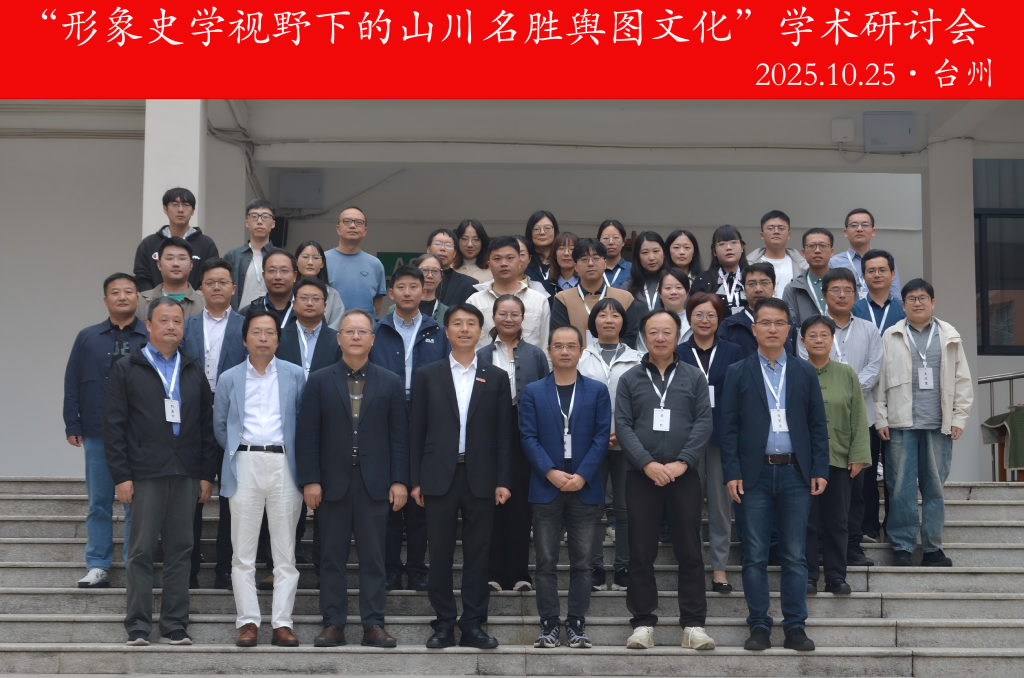
Core Insights - The conference titled "Cultural Mapping of Famous Mountains and Scenic Spots from the Perspective of Image History" was held in Taizhou, Zhejiang, focusing on the cultural significance of traditional Chinese maps and their interdisciplinary research implications [1][17] - The event gathered over 50 experts from more than 20 universities and research institutions, emphasizing the importance of cross-disciplinary dialogue in understanding historical geography, literature, landscape history, architectural history, and art history [1][4] Group Summaries Opening Ceremony - The opening ceremony featured speeches from key figures including Li Jianjun, Song Xueli, and Luo Zhengming, highlighting the significance of the conference and the collaborative efforts of the organizing institutions [3][4] Academic Contributions - Li Jianjun emphasized that ancient Chinese map culture is not merely geographical but a narrative of civilization and historical memory, advocating for a deeper understanding of how these maps reflect historical logic [4][6] - The conference is part of a series initiated in 2020, showcasing the evolution of the journal "Image History" and its role in promoting interdisciplinary research in material culture [5][6] Thematic Discussions - The conference included five thematic groups focusing on various aspects of map studies, including map literature, image studies, historical geography, landscape history, and architectural history, reflecting the growing interest in interdisciplinary approaches [8][10][12][13][15] - Each group presented specialized reports, exploring topics such as the analysis of historical maps, the relationship between traditional maps and modern representations, and the cultural implications of geographical depictions [10][12][13] Closing Remarks - The closing session highlighted the successful interdisciplinary dialogue established during the conference, with participants agreeing on the importance of continuing research in the field of map culture and its contributions to understanding traditional Chinese culture [15][17]
跨学科研究成“香饽饽”!AI从诺奖舞台走进多领域,国产算力撑起创新底气
Di Yi Cai Jing· 2025-09-22 09:58
Core Insights - The application of AI has expanded beyond protein structure prediction to various fields such as chemistry, medicine, and neuroscience, driven by interdisciplinary research and recent awards recognizing such efforts [1][3][4] Group 1: Interdisciplinary Research - The trend of interdisciplinary research is gaining momentum, with many fields continuously intersecting with AI [3] - Scientists emphasize the importance of AI in understanding complex data, particularly in molecular science and biomedicine, where data volume is rapidly increasing [3][4] - Researchers are utilizing domestic chips to build AI computing platforms, competing with international research teams [1][4] Group 2: AI in Molecular Science and Medicine - In molecular science, AI is being used to analyze vast amounts of data, with new research directions emerging, such as virtual cell studies [3][4] - AI applications in medicine include predicting genetic diseases and understanding brain functions through large-scale neural modeling [5][6] Group 3: AI in Robotics and Sensor Technology - Embodied intelligence, a cross-disciplinary area involving AI and robotics, is paving the way for advancements in robot intelligence [6] - Current challenges in sensor design for embodied intelligence include limitations in existing materials and the need for more flexible and cost-effective solutions [6][7] - Future developments may include the integration of olfactory and gustatory sensors to enhance robots' capabilities in domestic environments [7]

网络舆情的形成与管理
Sou Hu Cai Jing· 2025-09-04 08:37
Core Viewpoint - The article emphasizes that online public opinion is a complex phenomenon that reflects public attitudes and emotions towards social issues, and it should not be simplistically categorized as crisis management or a branch of communication studies [2][3]. Group 1: Nature and Characteristics of Online Public Opinion - Online public opinion is a manifestation of social discourse that is influenced by various factors, including political, social, economic, psychological, and legal aspects [3][4]. - The complexity of online public opinion requires a multidisciplinary approach for comprehensive understanding, integrating insights from political science, sociology, economics, psychology, communication studies, and law [3][4][18]. Group 2: Formation Mechanisms - The formation of online public opinion is rooted in social structures and psychological mechanisms, with feelings of social inequality and relative deprivation being significant underlying causes [5][7]. - Internet technology accelerates the formation and dissemination of public opinion, providing platforms for expression and reducing psychological barriers to sharing opinions [6][19]. Group 3: Stages of Development - Online public opinion typically progresses through three stages: occurrence, diffusion, and decline, each characterized by specific psychological mechanisms and public engagement [9][10]. - During the occurrence stage, an event triggers initial public interest; in the diffusion stage, information spreads rapidly, leading to diverse opinions; and in the decline stage, public attention shifts away from the issue [9][10]. Group 4: Governance Strategies - Effective management of online public opinion requires collaboration among multiple stakeholders, including government, enterprises, and various institutions [11][12]. - Governments play a crucial role in regulating and guiding public opinion, emphasizing the need for legal frameworks and timely communication to prevent misinformation [12][13]. - Enterprises must monitor public sentiment and respond to crises effectively to protect brand reputation, while also ensuring responsible content management on their platforms [14][15]. Group 5: Future Directions - The evolution of information technology presents both challenges and opportunities for online public opinion management, necessitating a focus on ethical considerations and cross-border collaboration [19]. - Future research should continue to explore innovative approaches to managing online public opinion, aiming to balance freedom of expression with the need for social order [19].