AIPC

Search documents
星宸科技:公司暂不涉及AI手机及AI PC领域
Zheng Quan Ri Bao· 2026-02-25 11:11
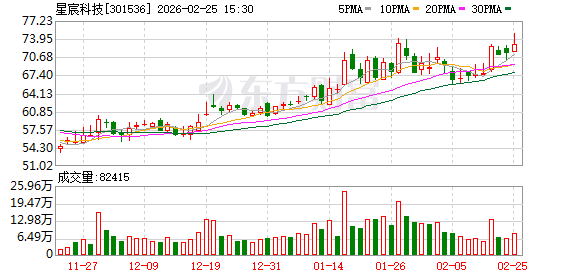
证券日报网讯 2月25日,星宸科技在互动平台回答投资者提问时表示,公司专注于端边侧AISoC产品布 局,暂不涉及AI手机及AIPC领域,与其在产品定位、目标市场上均为差异化赛道,双方独立经营、独 立决策、独立核算,不存在对公司业务经营产生重大不利影响的同业竞争情形。双方将严格遵守相关法 律法规及监管要求,切实维护公司及全体股东特别是中小投资者的合法权益。 (文章来源:证券日报) ...

华强北不知何为“AI泡沫”
经济观察报· 2026-01-30 14:33
Core Viewpoint - The article highlights a significant surge in the prices of server components, particularly storage chips and graphics cards, driven by supply constraints and increased demand from AI infrastructure investments. This price volatility is causing challenges for both buyers and sellers in the market [2][3][20]. Price Trends - A single server equipped with eight NVIDIA RTX 5090 graphics cards has seen its price rise from 300,000 yuan to 400,000 yuan within a month, indicating a 33.3% increase [2]. - The price of DDR4 64G server memory has doubled from approximately 1,500 yuan to 3,100 yuan in two months, reflecting a 106.7% increase [4]. - High-frequency DDR5 memory prices have surged to over 13,000 yuan for second-hand parts, with new products priced above 25,000 yuan (approximately 18,000 yuan) [6]. Market Behavior - Sellers are hesitant to stock inventory due to unpredictable price fluctuations, leading to a shift from traditional order placements to same-day pricing validity [3][4]. - Payment terms have become stricter, with sellers requiring a 50% deposit upon order and full payment before shipment [4]. Supply Chain Dynamics - Major semiconductor companies are issuing price increase notices, with adjustments ranging from 15% to 80% due to rising costs and supply chain pressures [10][11]. - The demand for AI-related chips is causing a supply crunch, with manufacturers like TSMC and Samsung reporting record profits and high demand for high-value products [17][18]. Impact on End Products - The rising costs of memory and storage are expected to increase the prices of consumer electronics, with estimates suggesting a potential 10% to 20% increase in product prices [13]. - The notebook computer market is projected to face significant challenges, with expected shipment declines of 9.4% in 2026 due to rising component costs [21]. Industry Outlook - The current chip price surge is anticipated to persist throughout 2023, with supply chain constraints and high demand from AI investments driving ongoing price increases [14][20].





早报 | 美军称林肯号航母打击群正部署中东;黄金白银大幅回调;宇树宣布第三次上春晚;我国尼帕病毒检测能力如何? 张文宏发声
虎嗅APP· 2026-01-27 01:09
Group 1 - The U.S. military's Abraham Lincoln aircraft carrier strike group is being deployed to the Middle East to promote peace and stability in the region [2] - The European Commission has launched a formal investigation into X platform, focusing on the potential risks associated with its AI chatbot, Grok, and whether appropriate measures have been taken [2] - Microsoft has released its second-generation AI chip, Maia 200, which is designed to reduce reliance on Nvidia chips and improve efficiency, achieving a 30% performance increase per dollar compared to its latest hardware [4] Group 2 - Apple has launched an upgraded version of AirTag, featuring a 50% increase in tracking distance and a louder speaker, while maintaining the same price of $29 [5][6] - Alibaba has introduced its flagship reasoning model Qwen3-Max-Thinking, which has over one trillion parameters and outperforms top international models in various evaluations [8] - Trump announced an increase in tariffs on various South Korean goods from 15% to 25% due to the failure of the South Korean legislature to ratify a trade agreement [9] Group 3 - The price of silver has seen a significant fluctuation, erasing a 14% gain, while gold has dropped below $5000 per ounce [11] - Yuhui Supermarket in Beijing has temporarily closed due to issues with the property management, despite having reopened after renovations less than a year ago [13][14] - The founder of Miaokelan Duo has been removed from his positions, with the company's stock price dropping by 1.77% following the announcement [15] Group 4 - KFC has made a slight price adjustment of an average of 0.8 yuan for its delivery products, while maintaining in-store prices unchanged [19] - Baicaowei has faced criticism for misleading consumers regarding the contents of its nut gift boxes, which contain significantly less nuts than advertised [20][21] - Tencent's CEO Ma Huateng emphasized the importance of saving users' time and improving efficiency through AI integration in their products during the company's annual employee meeting [30]

智迪科技(301503) - 301503智迪科技投资者关系管理信息20260121
2026-01-21 09:58
Group 1: Company Overview and Business Model - Zhuhai Zhiditech Co., Ltd. has focused on the ODM field of computer peripherals since its establishment in 1996, leveraging vertical integration from mold injection to assembly [2][3] - The company serves international first-tier brands, primarily in the business office and esports gaming sectors, which are experiencing high growth [2][3] - The establishment of a factory in Vietnam has strengthened the company's manufacturing advantages and global layout [2][4] Group 2: Market Trends and Growth Drivers - The rise of AIPC and the booming domestic esports industry provide growth opportunities for the company's products, particularly in high-performance peripherals [2][5] - The demand for high-end products, such as magnetic axis keyboards, is increasing due to the high-end trend in the esports market, enhancing product penetration rates [2][5][6] - The global esports market is experiencing steady growth and structural adjustments, driven by a diversified content ecosystem and supportive policies [7][8] Group 3: Competitive Advantages - The company's core competitiveness lies in its integrated technology, manufacturing, and customer service, creating a comprehensive barrier [3] - The vertical integration ensures high product quality and rapid delivery, while long-term service to international brands forms a stable and high-threshold customer ecosystem [3] Group 4: Production Capacity and Cost Advantages - The Vietnam factory has achieved large-scale production, contributing positively to the company's performance growth [4] - The ongoing expansion project in Vietnam is progressing well, with cost advantages stemming from a mature local electronics supply chain [4] Group 5: Product Performance and Future Outlook - High-end esports products are showing a robust growth trend driven by demand, technology, and customer engagement [5] - The magnetic axis keyboard has received positive market feedback, with sales continuously rising, contributing to a structural increase in average product prices [6] Group 6: Dividend Policy - The company emphasizes investor returns, maintaining a stable cash dividend rhythm since its listing in 2023, with plans for future dividends based on operational performance and cash flow [8]
调研速递|智迪科技接待湖南聚力财富私募基金调研 前三季度营收增长14.29% 磁轴产品驱动高端市场拓展
Xin Lang Zheng Quan· 2026-01-14 09:10
Core Viewpoint - Zhuhai Zhiditech Co., Ltd. has shown robust performance in the first three quarters of 2025, driven by industry recovery and increased demand for high-end gaming products and PC accessories [2] Group 1: Financial Performance - In the first three quarters of 2025, the company achieved revenue of 1.099 billion yuan, representing a year-on-year increase of 14.29% [2] - The net profit attributable to shareholders reached 77 million yuan, reflecting a year-on-year growth of 13.45% [2] - The growth in performance is attributed to increased orders for bundled products and retail items, alongside enhanced delivery capabilities from the Vietnam factory [2] Group 2: Competitive Advantages - The company's competitive edge lies in three main areas: vertical integration in manufacturing, strong R&D capabilities, and a solid customer base [3] - Vertical integration covers the entire production chain from mold injection to assembly, ensuring product quality and delivery efficiency [3] - The company has developed automated production lines to reduce costs and possesses core technologies such as magnetic axis, supporting its high-end product strategy [3] Group 3: Magnetic Axis Product Market Position - The magnetic axis technology is based on non-contact sensing principles, relying on high-precision Hall sensors and customized driver chips, which are more costly than traditional mechanical axis products [4] - The magnetic axis products are positioned in the high-end market, offering advantages such as adjustable trigger key travel, zero latency, and extended lifespan, aligning well with high-end gaming and professional interaction needs [4] - The company anticipates a positive outlook for market share growth in magnetic axis products due to increasing customer collaboration and expanding application scenarios [4] Group 4: High-End Gaming Product Trends - The global gaming peripheral market is experiencing high demand, with clear trends towards high-end and scenario-based products [5] - The penetration rate of high-performance products like magnetic axis keyboards is rapidly increasing, supported by the rise of AIPC, which broadens the demand for high-end interaction [5] - The company is enhancing product structure by iterating on chips, axis types, and wireless solutions to meet high-end performance premium demands [5] Group 5: Future Growth Path - The company plans to continue focusing on its ODM core business, leveraging production capacity in Zhuhai and Vietnam to support steady growth in high-end gaming products [6] - In the medium to long term, the company aims to optimize profitability through technological innovation and operational efficiency, while sharing business results with all shareholders [6]
智迪科技(301503) - 301503智迪科技投资者关系管理信息20260114
2026-01-14 08:38
Group 1: Company Overview and Performance - Zhuhai Zhidi Technology Co., Ltd. has been a key player in the computer peripheral ODM industry for nearly 30 years, focusing on vertical integration from injection molding to assembly and core technologies like magnetic axis [2][3] - In the first three quarters of the past year, the company achieved a revenue of CNY 1.099 billion and a net profit of CNY 77 million, representing year-on-year growth of 14.29% and 13.45% respectively [2][3] Group 2: Market Trends and Product Demand - The esports equipment and AIPC markets have shown steady growth, positively impacting the company's product demand and operations [2][4] - The magnetic axis products, positioned for high-end esports and professional interaction scenarios, have gained market recognition, with increasing cooperation from core customers [4][5] Group 3: Competitive Advantages - The company possesses significant technological barriers with multiple core patents, including light magnetic micro-motion and magnetic axis keyboards, ensuring superior product consistency [3][4] - Efficient smart manufacturing through self-developed automated production lines has reduced costs while maintaining high delivery efficiency and stable gross margins [3][4] Group 4: Future Outlook and Strategy - The company plans to continue focusing on its ODM core business, leveraging capacity expansion, customer development, and product upgrades for steady growth [6][7] - There is an intention to expand product categories while maintaining a focus on the computer peripheral sector, aligning with market trends and customer needs [6][7]
网传又一个玩家离场,华硕为何搞不定手机?
Feng Huang Wang Cai Jing· 2026-01-04 15:22
Core Viewpoint - ASUS is reportedly planning to exit the smartphone market, with no new smartphone releases planned for 2026, although the mobile division's operations will continue for now [1][2]. Group 1: Historical Context and Market Position - ASUS entered the mobile phone market in 2002, initially focusing on ODM for European operators, but struggled to establish brand recognition [2]. - The company launched its first self-branded phone, the J101, in 2003, marking the beginning of its branding journey [2]. - In 2008, ASUS acquired Garmin's smartphone business to differentiate itself in the market, but this partnership ended unsuccessfully due to the rise of the iPhone [2][3]. Group 2: Product Development and Strategy - ASUS attempted to penetrate the smartphone market with the ZenFone series in 2014, targeting high cost-performance ratios, which gained popularity in emerging markets [3]. - The launch of the ROG gaming phone in 2017 established a dual strategy for ASUS, focusing on mainstream with ZenFone and high-end with ROG [3]. Group 3: Challenges and Decline - After 2018, the smartphone market became increasingly competitive, with Chinese brands like Huawei and Xiaomi dominating [7]. - ASUS faced challenges in both cost-effectiveness and innovation, leading to a slowdown in product iterations and market presence [7]. - The mobile division has been a financial burden, with revenue from mobile devices consistently below 10% of total revenue and ongoing losses [8][9]. Group 4: Future Outlook - ASUS has indicated that the mobile division will see minimal activity by 2025, with a focus shifting back to its core PC business [7]. - The company is expected to concentrate on its main business areas, including AI, cloud computing, and smart ecosystems, while potentially exiting the smartphone market [10]. - ASUS's market share in the global PC market remains low, with the company ranking fifth behind Lenovo, HP, Dell, and Apple [11].
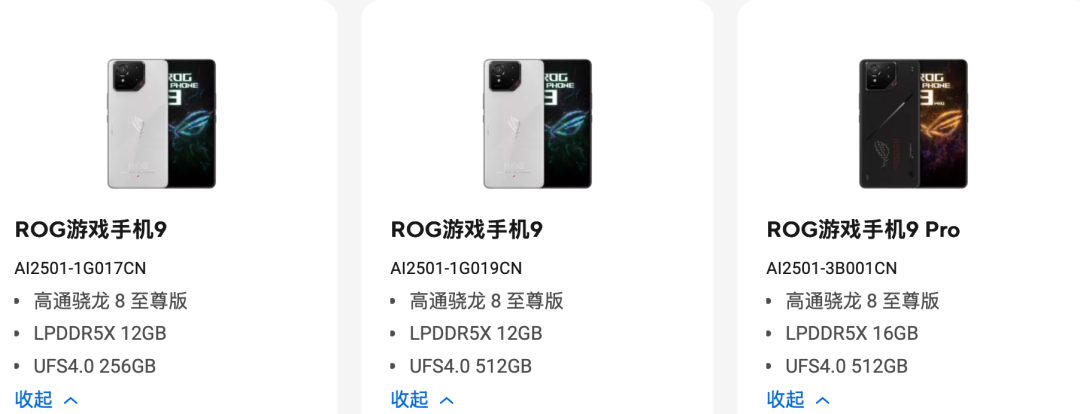
网传又一个玩家离场,华硕为何搞不定手机?
凤凰网财经· 2026-01-04 13:46
Core Viewpoint - ASUS is reportedly planning to exit the smartphone market, with no new smartphone releases planned for 2026, although the company has not officially confirmed this decision [1][3][4]. Group 1: ASUS's Smartphone History - ASUS entered the mobile phone market as early as 2002, initially focusing on ODM for European operators [3]. - The company launched its first self-branded phone, the J101, in 2003, marking the beginning of its brand recognition efforts [4]. - In 2008, ASUS acquired Garmin's smartphone business, launching the "Garmin-Asus" brand, but this partnership ended unsuccessfully due to the rise of the iPhone [4][5]. - The ZenFone series was introduced in 2014, targeting the budget market with high specifications, achieving significant popularity in emerging markets [5]. Group 2: Challenges and Decline - After 2018, the smartphone market became increasingly competitive, with Chinese brands like Huawei and Xiaomi dominating [7]. - ASUS struggled to compete in both the budget and innovation segments, leading to a decline in market presence and product iteration [7][9]. - The company faced significant losses in its mobile division, which accounted for less than 10% of total revenue and had been a financial burden for years [8][9]. Group 3: Current Situation and Future Outlook - ASUS's mobile division has been in a state of decline, with no new products planned and a focus on its core PC business [7][12]. - The company is shifting its strategy towards AI, cloud computing, and smart ecosystems, with plans to enter the memory module production sector in 2026 [12]. - The global PC market is showing growth, with ASUS ranking fifth in market share, indicating a stronger focus on its primary business [12].

龙旗科技(603341):智能硬件ODM龙头 智能穿戴设备、AIPC打开成长新空间
Xin Lang Cai Jing· 2025-12-18 08:25
Core Insights - The company is a leading ODM in smart products, providing comprehensive services to major global consumer electronics brands and tech companies, including Xiaomi, Samsung, Huawei, Lenovo, Honor, OPPO, vivo, and Company B [1] - In 2024, the company achieved a revenue of 46.38 billion yuan, a year-on-year increase of 70.6%, with a CAGR of 36.0% from 2019 to 2024; however, the net profit attributable to shareholders decreased by 17.2% to 501 million yuan [1] - For the first three quarters of 2025, the company reported a revenue of 31.33 billion yuan, a year-on-year decline of 10.28%, while the net profit attributable to shareholders increased by 17.74% to 507 million yuan [1] Business Segments - The AIoT business is growing rapidly, with significant performance in smartwatches and AI glasses; the smartwatch series has surpassed 10 million units in cumulative shipments, and the company is expanding into the medical wearables sector [2] - In the smart glasses segment, the company is deepening its engagement with top international clients and has launched new products, including children's glasses, while focusing on key technologies such as human factors, battery life, and lightweight design [2] - The company has successfully developed and delivered multiple AIPC products, enhancing its capabilities in ARM/X86 platform development and supply chain management, positioning itself to benefit from the rapid growth in AIPC shipments [3] Financial Projections - Revenue projections for 2025-2027 are 45.84 billion, 54.15 billion, and 65.91 billion yuan, with year-on-year growth rates of -1.16%, 18.12%, and 21.71% respectively; net profit projections for the same period are 651 million, 897 million, and 1.25 billion yuan, with growth rates of 29.92%, 37.81%, and 39.18% respectively [3] - The company is expected to benefit from new product lines such as AI glasses and AIPC while maintaining its core business [3]
中美芯片政策松动之际,苏姿丰带队低调访华
Tai Mei Ti A P P· 2025-12-17 02:16
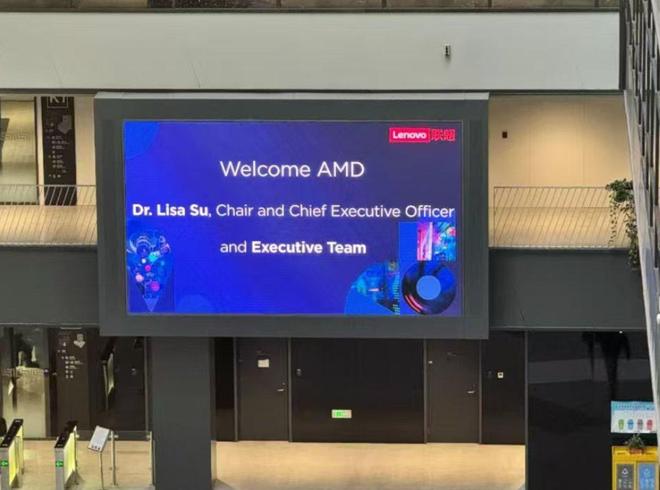
Core Viewpoint - AMD's CEO, Lisa Su, is visiting China to explore new opportunities amid a recent easing of U.S. chip export restrictions, indicating a strategic move to strengthen partnerships in the Chinese market [2][5]. Group 1: AMD's Visit and Partnerships - Lisa Su and her executive team visited Lenovo's headquarters in Beijing, marking a significant engagement with a key partner in China [2]. - The visit included a tour of Lenovo's latest products, including humanoid robots, showcasing the collaborative spirit between the two companies [2]. - This visit is notably more subdued compared to Su's previous high-profile trip to China in March, reflecting a shift in approach [2][3]. Group 2: U.S.-China Chip Export Policies - The U.S. government previously imposed export restrictions on companies like AMD and NVIDIA, requiring licenses for chip sales to China, which has impacted their revenue streams [5][6]. - Recent developments suggest a potential easing of these restrictions, with proposals for chip manufacturers to pay a tax on sales to China in exchange for export licenses [5][6]. - AMD's revenue from China is projected to account for 24% of its total revenue in 2024, highlighting the importance of the Chinese market for the company [5]. Group 3: Competitive Landscape - AMD's MI308 chip has received an export license but has not yet been shipped to China, raising questions about its market potential amid increasing competition from domestic Chinese chips [6]. - NVIDIA's market share in China has drastically dropped from 95% to 0%, indicating a significant shift in the competitive landscape for AI chips [5][6]. - The urgency for AMD to capture market share from NVIDIA is heightened by the evolving regulatory environment and the growing strength of local competitors [6].