公平竞争

Search documents
欧盟准备对中国出手,结束零关税时代,德国财长:不要中国垃圾
Sou Hu Cai Jing· 2025-11-18 12:09
Group 1 - The upcoming high-level financial dialogue between China and Germany is overshadowed by German Vice Chancellor and Finance Minister Christian Lindner's aggressive stance against Chinese imports, particularly targeting low-value packages [1] - The EU is moving to end the tax exemption for packages valued under 150 euros by 2026, a decision driven by Germany and France, which is perceived as a direct attack on Chinese e-commerce [1][3] - In 2024, 4.6 billion small packages are expected to enter the EU, with 91% originating from China, highlighting the significant impact of Chinese e-commerce on the European market [3] Group 2 - The EU's decision to impose taxes on small packages is seen as a desperate measure to protect local industries, but it may not effectively shield them from competition, as evidenced by the U.S. experience with similar policies [3][4] - Germany's energy policy failures have led to skyrocketing electricity costs, complicating efforts to protect local manufacturing through taxation on Chinese imports [4] - The economic situation in the EU, particularly in Germany, is deteriorating, with negative growth reported in 2023 and 2024, and a significant number of business bankruptcies, raising questions about consumer acceptance of increased costs due to new tariffs [5][6]

电商税收合规重塑行业生态公平竞争让"良币"脱颖而出
Zheng Quan Shi Bao· 2025-11-18 00:09
Core Viewpoint - The introduction of new tax regulations for e-commerce platforms marks a significant shift towards compliance, leveling the playing field for businesses and allowing them to compete based on product and service quality rather than tax evasion tactics [1][2][3]. Group 1: Tax Evasion Issues - The Chinese e-commerce industry, valued at over 10 trillion yuan, has faced systemic tax evasion issues, with small merchants creating false transactions and concealing real sales to avoid taxes [2][3]. - High-profile cases, such as that of a well-known streamer who concealed 301 million yuan in income, highlight the sophisticated methods used to evade taxes [2]. - Tax evasion has created an unfair competitive advantage, undermining market order and leading to a distorted business environment [2]. Group 2: Regulatory Changes - The new tax reporting regulations require e-commerce platforms to report identity and income information of operators quarterly, significantly increasing regulatory oversight [3][4]. - Platforms that fail to comply with these regulations face penalties, including fines and potential shutdowns, enhancing the accountability of e-commerce businesses [3]. - The regulations aim to eliminate hidden income practices and ensure a fairer tax environment, shifting the focus back to product quality and service [6]. Group 3: Impact on the Industry - The compliance wave is expected to reshape the e-commerce landscape, with low-quality, tax-evading businesses likely to be pushed out of the market due to increased compliance costs [3][4]. - The majority of compliant businesses, particularly small and micro-enterprises, will not face increased tax burdens, as they are often already benefiting from tax incentives [4]. - New market opportunities may arise, including the growth of compliance consulting firms and tax-related service providers, as businesses seek to navigate the new regulations [5]. Group 4: Long-term Implications - The shift towards tax compliance is anticipated to foster a healthier brand ecosystem, encouraging businesses to invest in product development and customer experience rather than solely competing on price [6][7]. - A transparent tax environment will provide better data for macroeconomic decision-making, enhancing resource allocation efficiency across the economy [7]. - The integration of e-commerce with the real economy is expected to deepen, promoting efficient distribution models and accelerating the digital transformation of supply chains [7].
电商税收合规重塑行业生态 公平竞争让“良币”脱颖而出
Zheng Quan Shi Bao· 2025-11-17 16:57
Core Insights - The new tax regulations for e-commerce platforms aim to eliminate tax evasion practices, creating a level playing field for compliant businesses [1][2][3] - The e-commerce industry, valued at over 10 trillion yuan, has been significantly impacted by tax evasion, which has hindered healthy development [2] - The new regulations will enhance platform responsibilities, requiring them to report identity and income information of operators quarterly, with penalties for non-compliance [3][4] Tax Evasion Issues - Tax evasion has become a systemic issue in the e-commerce sector, with small businesses creating false transactions and hiding real sales to avoid taxes [2] - High-profile cases, such as a streamer hiding 301 million yuan in income, illustrate the sophisticated methods used to evade taxes [2] - The practice of externalizing tax costs has created unfair competition, undermining market order [2] Regulatory Changes - The new regulations transform platforms from passive observers to active collaborators in tax collection, enhancing oversight capabilities [3] - Compliance reminders have already been sent to many online store operators, indicating a shift towards mandatory tax compliance [3] - The regulations are expected to lead to a reshaping of the industry, with low-quality, low-price businesses facing significant challenges [3][4] Market Opportunities - The compliance wave may create new market opportunities, such as the emergence of compliance consulting firms to assist businesses in navigating tax regulations [5] - Tax agents and electronic invoicing companies are likely to experience growth as businesses seek to ensure compliance [5] Competitive Landscape - The new tax regulations are expected to reshape competition in the e-commerce sector, allowing compliant businesses to thrive [6] - The focus will shift from price wars to product quality and service innovation, fostering a healthier market environment [6] - Businesses are anticipated to invest more in product development and user experience, moving away from a low-price focus [6] Macro Implications - The establishment of a fair tax environment will provide valuable data for macroeconomic decision-making and improve resource allocation efficiency [7] - The compliance trend is expected to deepen the integration of e-commerce with the real economy, promoting efficient distribution models and digital supply chains [7] - Brand development and sustainability are projected to become mainstream in the industry, driving the market towards a more efficient and healthier direction [7]
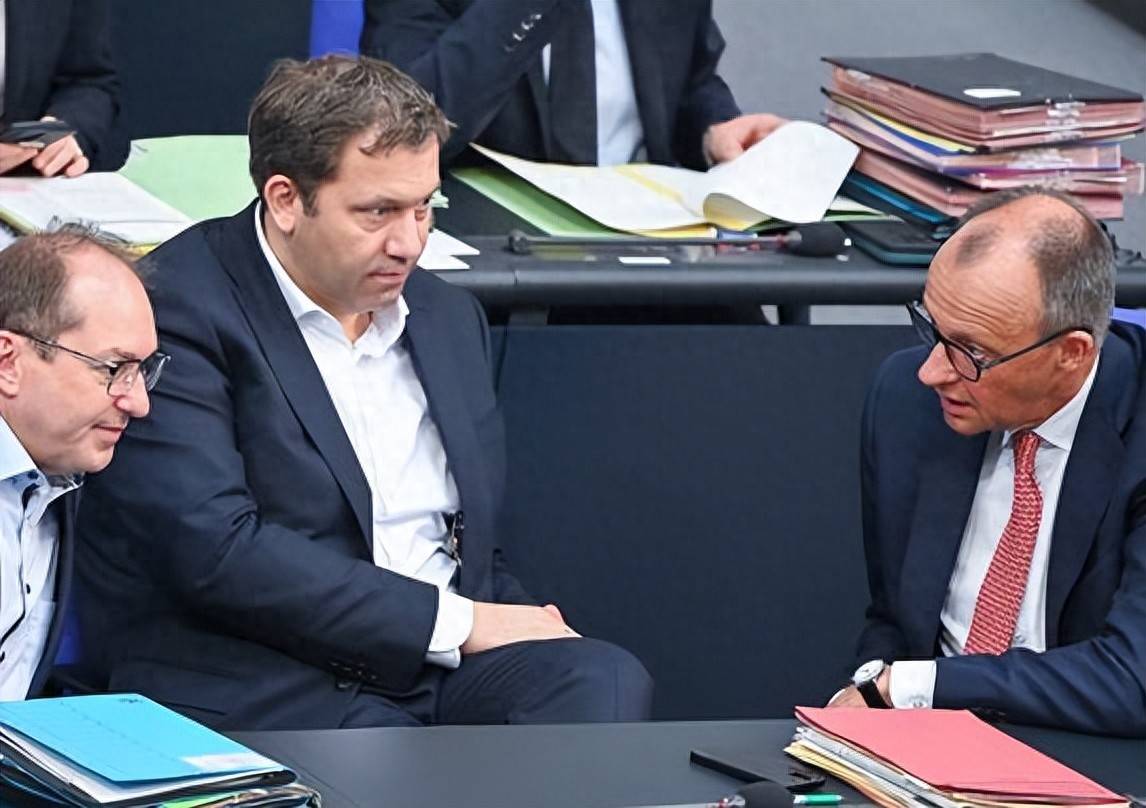
欧盟要对中国电商收税了,德国财长表示:不要中国垃圾!
Sou Hu Cai Jing· 2025-11-15 16:51
Core Viewpoint - The statement by German Finance Minister Lars Klingbeil regarding "no Chinese junk" reflects deep concerns over the impact of low-priced Chinese cross-border e-commerce products on the European market, prompting discussions on imposing high tariffs on small packages valued under 150 euros [1][3]. Group 1: Economic Impact - A significant 91% of small packages entering the EU originate from China, which has disrupted local retail, textile, and fast fashion industries due to competitive pricing and efficient logistics [1]. - Germany's economy is experiencing a downturn, attributed to global economic slowdowns and the outsourcing of manufacturing, leading to weakened internal competitiveness [3]. - The proposed policy changes may result in higher costs and longer wait times for consumers, particularly affecting low-income groups who may see prices double due to tariffs [3]. Group 2: Policy Implications - The effectiveness of the EU's tax measures remains uncertain, as Chinese e-commerce's advantages stem from advanced production capabilities and flexible supply chains, potentially keeping prices lower than local products even with tariffs [5]. - The EU's desire to "restore fairness" may not align with consumer priorities, which focus on price, quality, and shopping experience, suggesting that simplistic policy measures may not suffice in a globalized economy [5]. - The shift from cooperation to confrontation in trade relations could lead to detrimental outcomes for both Europe and China, highlighting the need for dialogue and collaboration to navigate economic challenges [7]. Group 3: Internal EU Dynamics - There may be dissent among EU member states regarding the protectionist measures, as not all countries may support such policies, indicating potential complications in implementation [7]. - The complex internal environment of the EU suggests that while Germany and France may appear united in pushing for these tariffs, actual consensus may be harder to achieve [7].
依据《指引》加强反垄断合规有哪些重要意义?市场监管总局回应
Mei Ri Jing Ji Xin Wen· 2025-11-14 23:37
Group 1 - The core viewpoint of the article is the introduction of the "Antitrust Compliance Guidelines for Internet Platforms (Draft for Solicitation of Opinions)" by the State Administration for Market Regulation, aimed at enhancing fair competition and compliance among platform operators [1][2][3] Group 2 - The guidelines emphasize optimizing the competitive ecosystem by promoting a culture of fair competition and encouraging platform operators to shift from exclusionary practices to collaborative approaches that benefit all stakeholders [1] - The guidelines aim to concentrate innovation efforts by addressing new types of monopolistic risks, thereby enhancing the confidence of platform operators in fair competition and encouraging them to invest in forward-looking research and development [1] - Compliance with these guidelines is seen as a key factor for companies to gain recognition in a dynamic market, as consumers, employees, partners, and investors increasingly favor compliant businesses [2]
欧盟取消150欧元以下包裹免税!中国电商迎来严峻挑战
Sou Hu Cai Jing· 2025-11-14 18:11
欧盟成员国一致同意取消150欧元以下小包裹的免税政策,这项被称为"针对中国电商的税收新政"将提前至2026年实施。 一直以来,价值低于150欧元的小包裹享受免税进入欧盟的特权,但这扇便利之门即将关闭。2025年11月13日,欧盟成员国达成一致,决定取消这项免税政 策。 欧盟贸易专员马罗什·谢夫乔维奇对此表示,这一决定"发出了一个强烈信号,表明欧洲对公平竞争是认真的"。 01 新政背景:46亿小包裹涌入欧盟,91%来自中国 欧盟之所以急于改革小包裹税收政策,源于近年来爆炸性增长的跨境电商包裹流量。 2024年,高达46亿件低价值包裹进入欧盟,相当于每秒超过145个包裹-7,其中91% 来自中国。 欧盟贸易发言人奥洛夫·吉尔承认:"近年来我们看到了电子商务的指数级增长"。 这种增长主要由总部设在中国的电商平台推动,如Shein和Temu,它们建立了直接向欧洲消费者发货的商业模式。 02 新政内容:免税门槛取消,新增处理费 欧盟此次税收改革包括两个核心措施: 取消150欧元以下包裹的关税豁免。 今后,从第一欧元开始,所有包裹都需缴纳关税。 征收小额包裹处理费。 欧盟委员会在2025年5月已提出对每个小包裹收取2欧元 ...

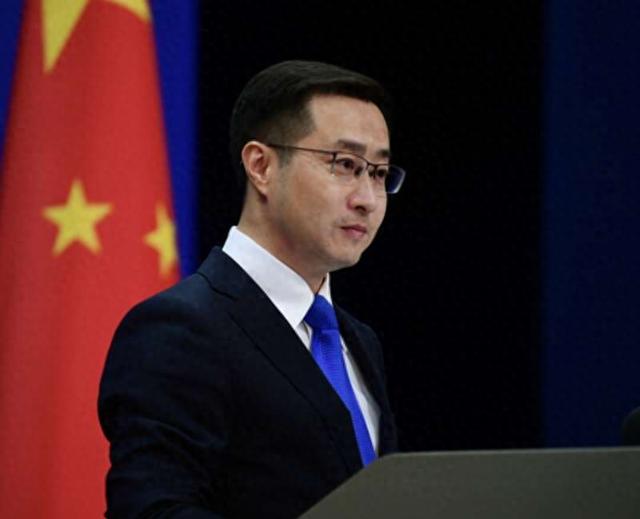
外交部:希望欧盟为中国企业营造公平、可预期的市场环境
Xin Hua She· 2025-11-14 13:48
Core Viewpoint - The Chinese government emphasizes the need for the EU to adhere to commitments of market openness and fair competition, while addressing the concerns of Chinese enterprises operating in Europe [1][3]. Group 1: Business Environment Concerns - The EU-China Chamber of Commerce reported that the overall business environment rating for Chinese companies in the EU has declined for six consecutive years, with 81% of surveyed companies indicating increased uncertainty [1]. - 90% of respondents believe that the EU's "de-risking" policies and economic security strategies are harming business operations and market confidence [1]. - Over 40% of Chinese enterprises have experienced differential treatment, with "uncertainty" identified as the biggest obstacle to operations in Europe [1]. Group 2: EU's Protectionist Measures - The EU has been promoting economic competition against China and implementing a series of protectionist measures under the guise of maintaining "economic security" and "fair competition," which disrupts global supply chains [2]. - These measures are seen as detrimental not only to the competitiveness of EU industries but also as a negative signal regarding the openness of the EU market, ultimately harming the investment confidence of Chinese companies [2]. Group 3: Opportunities for Cooperation - Chinese enterprises have been actively contributing to the EU's economic growth and green transformation, and the recent "14th Five-Year Plan" outlines a blueprint for China's economic development over the next five years [3]. - The Chinese government advocates for dialogue and cooperation between China and the EU to address differences and promote free trade and fair competition, suggesting that the EU should recognize the opportunities presented by China's development plans [3].
校正政绩观偏差 不“内卷”练“内功”——株洲高新区“破茧”新生
Ren Min Ri Bao· 2025-11-12 22:53
Core Viewpoint - The article emphasizes the transformation of the Zhuzhou High-tech Zone's development philosophy and practices, highlighting the shift from short-term performance metrics to a focus on sustainable, high-quality development. Group 1: Development Philosophy and Practices - The development philosophy directly influences the practices and performance of local governments, necessitating a correction of distorted performance views to promote a unified national market [1][4]. - The Zhuzhou High-tech Zone underwent significant changes starting in the second half of 2021, leading to a rebirth characterized by a focus on quality rather than quantity in investment attraction [1][3]. Group 2: Investment Attraction Metrics - The number of introduced projects and contracted investment amounts saw a drastic decline from 51 projects worth 401 billion to 14 projects worth 33.38 billion between the first and second halves of 2021 [2]. - However, the contracted investment amount rebounded from 128.03 billion in 2022 to 220.56 billion in 2024, with a consistent increase in contract fulfillment rates reaching 100% in 2023 and 2024 [3]. Group 3: Policy and Governance Changes - The local government established clear rules regarding what can and cannot be done in promoting economic development, moving away from chaotic competition and short-term performance projects [5][6]. - A decisive shift in policy occurred in August 2021, with the introduction of guidelines that emphasized zero land price for certain projects and cautious discussions for larger land requirements [15][16]. Group 4: Structural Reforms - The Zhuzhou High-tech Zone initiated institutional reforms to enhance service delivery, moving from a focus on management metrics to a service-oriented approach [20][21]. - The establishment of a new service-oriented structure, including a project service bureau, aimed to streamline processes and improve efficiency for businesses [25][30]. Group 5: Long-term Development Strategy - The focus has shifted from merely attracting large investments to fostering suitable projects that align with local strengths, particularly in advanced manufacturing and new energy sectors [39][40]. - The article highlights the importance of creating a favorable industrial ecosystem to attract and retain businesses, emphasizing the need for tailored solutions rather than generic policies [41][42]. Group 6: Future Outlook - The Zhuzhou High-tech Zone is actively seeking to integrate into the national market while exploring new models for investment attraction and optimizing assessment mechanisms for investment performance [43].
欧盟正研究强制成员国移除华为、中兴设备,外交部回应
券商中国· 2025-11-11 10:20
Group 1 - The core viewpoint of the article emphasizes the importance of fair competition and the negative impact of administrative restrictions on Chinese telecom companies in Europe [1] - The Chinese government urges the EU to provide a fair, transparent, and non-discriminatory business environment for Chinese enterprises to maintain investment confidence [1] - The article highlights that the forced removal of Chinese telecom equipment not only hinders technological progress but also leads to significant economic losses for the countries involved [1] Group 2 - The article mentions that Chinese companies have been operating in Europe in compliance with local laws, contributing positively to the local economy and employment [1] - It points out that the lack of legal basis and factual evidence for the EU's actions against Chinese companies violates market principles and fair competition rules [1] - The article discusses the broader implications of politicizing economic issues, which could obstruct technological advancement and economic development [1]

欧委会要求欧盟成员排除中兴、华为设备,中方:损人不利己
Zhong Guo Qing Nian Bao· 2025-11-11 09:51
Core Viewpoint - The European Commission is urging EU member states to gradually exclude Huawei and ZTE equipment from their telecommunications networks, prompting a response from the Chinese Foreign Ministry advocating for a fair and transparent business environment for Chinese companies in Europe [1][3]. Group 1: Chinese Companies' Contributions - Chinese companies have been operating in Europe in compliance with local laws, providing high-quality products and services to the public, and contributing positively to local economic and social development, including job creation [3]. Group 2: Concerns Over EU Actions - The Chinese Foreign Ministry criticized the EU's administrative measures to restrict or ban Chinese telecom companies from participating in the market, stating that such actions violate market principles and fair competition rules without legal basis or factual evidence [3]. - The removal of Chinese telecom companies' equipment is seen as hindering technological progress and causing significant economic losses, with the Ministry warning that politicizing economic issues could harm both parties [3]. Group 3: EU's Potential Measures - Reports indicate that the European Commission is exploring various means to pressure member states into removing Huawei and ZTE equipment, including potentially halting financing for projects using Huawei technology [3].