
四链融合

Search documents
撬动社会资本参与海洋产业布局
Zhong Guo Zi Ran Zi Yuan Bao· 2025-09-17 02:20
Group 1 - The Fujian Provincial Ocean and Fisheries Bureau emphasizes the need to optimize funding allocation and usage efficiency to strengthen the marine economy, encouraging social capital participation [1] - Since the beginning of the 14th Five-Year Plan, the completion rate of central budget investments in agricultural construction projects (fisheries) has been nearly 100%, with the execution rates of central agricultural transfer payment funds for 2024 and 2025 ranking among the top in the country [1] Group 2 - The focus is on enhancing effective supply of incremental policies around three main directions: strengthening industries, empowering technology, and improving livelihoods, with initiatives to facilitate policy implementation [2] - Seven special action plans have been launched to promote marine technology innovation, new product applications, and high-quality development in deep-sea aquaculture, supported by financial plans for modernizing fisheries [2] Group 3 - A rolling evaluation mechanism for marine fishery investment projects has been established, with a 6% year-on-year increase in central financial support for fishery development since 2025, leading to over 100 billion yuan in marine fishery project investments [3] - The introduction of a dual empowerment model combining policy and finance for marine economic development has been initiated, optimizing the "financial support + financial services" approach [3] Group 4 - The establishment of an integrated platform called "Marine Fujian" aims to streamline project application processes and enhance transparency in policy implementation, ensuring that benefits reach enterprises directly [4] - A dynamic adjustment mechanism for policies has been created to facilitate project approvals and funding, promoting a transparent and efficient application process [4]
第九届创客广东大赛在东莞举办,三年诞生166家“小巨人”企业
2 1 Shi Ji Jing Ji Bao Dao· 2025-09-11 05:25
Group 1 - The "Maker Guangdong" competition aims to foster innovation and entrepreneurship among small and medium-sized enterprises (SMEs) in Guangdong, with a focus on integrating innovation, industry, finance, and talent [1][2] - This year's competition attracted 3,447 projects across eight cutting-edge fields, with 24 projects selected for awards, including three first-place winners in both enterprise and startup categories [1] - The competition has a history of success, with over 27,000 projects participating in the past nine years and 74% of those projects achieving industrialization in Guangdong [2][3] Group 2 - In the last three years, 245 companies have been recognized as specialized and innovative SMEs through participation in the competition, with 116 of them becoming "little giant" enterprises [3] - The provincial government continues to support the competition, aiming to enhance the quality of projects, accelerate the gathering of innovation resources, and improve service for participating enterprises [3]

厦门同安:“四链融合” 激活新能源产业高质量发展新动能
Huan Qiu Wang· 2025-09-04 09:42
Core Viewpoint - The "Four Chains Integration" approach in Xiamen's Tong'an District is driving significant growth in the new energy industry, with projections indicating a leap from 81.9 billion yuan in 2022 to over 335.4 billion yuan by 2024, and nearly 80% growth in 2025 [3][17]. Innovation Chain - Technological innovation is the core driver of high-quality development in the new energy sector, exemplified by Xiamen New Energy Technology Co., Ltd., which has developed advanced lithium iron phosphate batteries and established partnerships in over 30 countries [4][5]. - The establishment of innovation platforms, such as the Xiamen Science City incubator, is facilitating the transformation of scientific research into industrial applications, enhancing the region's innovation capabilities [5][7]. Industry Chain - The collaboration between Xiamen and CATL marks a shift towards building a comprehensive new energy ecosystem, with significant production and employment opportunities anticipated from ongoing projects [8][10]. - The presence of leading companies like Haicheng Energy and their global supply chain strategies are fostering a complete industry chain from raw materials to end applications in Tong'an [10][12]. Financial Chain - The dual approach of fiscal policies and financial tools is crucial for injecting capital into the new energy sector, with the establishment of the Xiamen Science City Fund attracting over 50 private equity funds and managing over 40 billion yuan [13]. - New policies aimed at reducing financing costs and enhancing capital flow to the new energy industry are being implemented, with significant credit funds mobilized to support development [13]. Talent Chain - Talent acquisition and retention strategies are being prioritized, with measures in place to attract high-level talent and provide comprehensive support services, including financial incentives and housing [14][15]. - The implementation of an "order-based" training model in collaboration with vocational schools is ensuring a steady supply of skilled workers for the new energy industry [15]. Conclusion - The integration of innovation, industry, finance, and talent is positioning Tong'an District as a benchmark for new energy development in Xiamen and across the nation, with ongoing initiatives aimed at enhancing the region's competitive edge [17][18].
专访南方科技大学副校长金李:促进“四链”融合 构建更具活力的国家创新体系|专家建言“十五五规划”
证券时报· 2025-09-04 00:11
Core Viewpoint - China is transitioning from "catching up" to "running together" and even "leading" in the global technology innovation landscape, with significant opportunities in fields like artificial intelligence, nanotechnology, quantum information, and healthcare, but also faces structural challenges in research result transformation, startup financing, and high-end talent cultivation [1][2]. Group 1: Challenges in the Integration of the Four Chains - The integration of the innovation chain, industry chain, capital chain, and talent chain faces four major challenges: insufficient linkage between the innovation chain and industry chain, a need for optimization in talent support, inadequate service functions of the capital chain, and a lack of rich application scenarios in the industry chain [4][5]. - The innovation chain and industry chain often operate separately, leading to low transformation efficiency of research results [4]. - There is a shortage of key core technology leaders and composite talents who understand technology, market, and finance, resulting in a disconnect between talent cultivation and industry development [4][5]. Group 2: Systematic Solutions Proposed - A "tropical rainforest" ecosystem should be established to enhance the overall success rate of technology innovation, moving away from a single project mindset [5]. - The talent chain support system needs optimization, including the establishment of market-oriented technology transfer personnel incentive mechanisms in higher education institutions [5][6]. - A comprehensive financial service system covering the entire lifecycle of technology enterprises should be developed, including optimizing government guidance funds and encouraging financial product innovation [6][12]. Group 3: Enhancing Research Result Transformation - The low transformation rate of research results is primarily hindered by policy execution, research ecology, and transformation capability [8][9]. - A long-term mechanism should be established to ensure that research results can be effectively transformed, focusing on optimizing policy services, reinforcing the role of enterprises in innovation, and enhancing transformation capabilities [9][10]. Group 4: Talent Mobility and Systemic Exploration - A dual-channel system should be created to facilitate talent mobility between universities, research institutions, and enterprises, addressing institutional barriers [10]. - Encouraging flexible personnel management systems and establishing "rotating door" mechanisms between academia and industry can promote knowledge and technology flow [10]. Group 5: Long-term Capital in Equity Investment - A systematic layout is needed to build a technology finance system that supports the growth of technology enterprises, focusing on cultivating long-term capital and promoting diversified development of venture capital [12][13]. - Policies should be optimized to encourage long-term funds to invest in equity, including raising investment limits and promoting combination investment strategies [13][14].
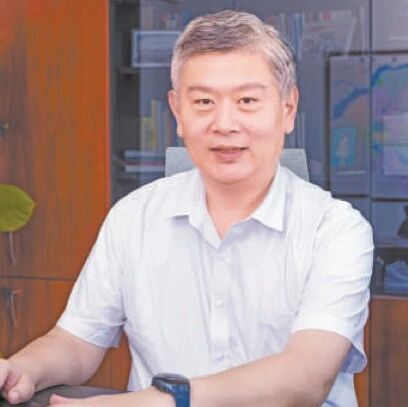
专访南方科技大学副校长金李:促进“四链”融合 构建更具活力的国家创新体系
Zheng Quan Shi Bao· 2025-09-03 21:10
Core Viewpoint - China is at a critical juncture transitioning from "catching up" to "keeping pace" and even "leading" in global technology innovation, with significant opportunities in fields like AI, nanotechnology, quantum information, and healthcare, but also faces challenges in research result transformation, startup financing, and high-end talent cultivation [2] Group 1: Challenges in the "Four Chains" Integration - The integration of the innovation chain, industry chain, capital chain, and talent chain faces four major challenges: insufficient linkage between the innovation and industry chains, a shortage of key talent, inadequate funding support for startups, and a lack of diverse application scenarios in the industry chain [3][4] - The innovation chain and industry chain often operate in silos, leading to low conversion efficiency of research results into market applications [3] - There is a need for optimized talent support, as there is a shortage of interdisciplinary talents who understand technology, market dynamics, and finance [3][4] Group 2: Systematic Solutions Proposed - A "tropical rainforest" ecosystem for technology innovation should be established to enhance the overall success rate of the innovation ecosystem rather than focusing solely on individual project success [4] - The talent chain support system needs optimization, including the establishment of market-oriented technology transfer personnel incentives and better integration of technology transfer roles within universities and enterprises [4][5] - A comprehensive technology finance service system should be developed, optimizing government guidance funds and encouraging social capital participation in early-stage investments [5] Group 3: Enhancing Research Result Transformation - The low conversion rate of research results is primarily hindered by policy execution, research ecosystem issues, and transformation capabilities [6][7] - Three key areas to focus on during the "14th Five-Year Plan" include optimizing policy services, reinforcing the role of enterprises in innovation, and enhancing transformation capabilities through better support platforms [7][8] Group 4: Talent Mobility and Institutional Innovation - To facilitate talent mobility between universities, research institutions, and enterprises, institutional barriers must be addressed, including flexible personnel management systems and the establishment of rotating positions [8] - Middle and small enterprises, crucial to the innovation ecosystem, require innovative systems to attract talent, such as "technology vice president" roles and dual-employment systems [8] Group 5: Long-term Capital in Equity Investment - A systematic layout is needed to build a technology finance system that covers the entire lifecycle of enterprises, focusing on cultivating long-term capital and promoting diversified development in the venture capital industry [9][10] - Specific recommendations include raising investment limits for long-term funds in equity markets, encouraging diversified investment approaches, and developing S funds to enhance investment returns [10][11]

专访南方科技大学副校长金李: 促进“四链”融合 构建更具活力的国家创新体系
Zheng Quan Shi Bao· 2025-09-03 18:24
Core Viewpoint - China is transitioning from "catching up" to "running together" and even "leading" in the global technology innovation landscape, presenting both opportunities and challenges in areas such as research result transformation, startup financing, and high-end talent cultivation [1] Group 1: Challenges in the Integration of the Four Chains - The integration of the innovation chain, industry chain, capital chain, and talent chain faces four major challenges: insufficient linkage between the innovation chain and industry chain, a shortage of key talent, inadequate support for early-stage tech companies, and a lack of diverse application scenarios in the industry chain [1][2] - The current disconnection between research outcomes and market needs leads to low transformation efficiency, highlighting the need for better alignment between research and industry [5] Group 2: Systematic Solutions Proposed - A "tropical rainforest" ecosystem for technology innovation should be established to enhance the overall success rate of the innovation ecosystem rather than focusing solely on individual projects [2] - The talent chain support system needs optimization, including the establishment of market-oriented technology transfer personnel incentives and better integration of technology transfer roles within universities and enterprises [2][3] - A comprehensive financial service system covering the entire lifecycle of technology enterprises should be developed, including optimizing government guidance funds and encouraging financial product innovation [3][8] Group 3: Mechanisms for Effective Research Result Transformation - The low transformation rate of research results is primarily due to policy execution issues, a fragmented research ecosystem, and a lack of specialized institutions and talent [5][6] - Three key areas for improvement include optimizing policy services, enhancing the role of enterprises in the research process, and improving transformation capabilities through public service platforms [6][7] Group 4: Talent Mobility and Institutional Innovation - To facilitate talent mobility between academia and industry, flexible personnel management systems should be explored, allowing researchers to engage in entrepreneurship or part-time roles in enterprises [7] - Middle and small enterprises should be supported through institutional innovations to attract talent, such as promoting "technology vice president" roles and establishing overseas talent workstations [7] Group 5: Encouraging Long-term Capital Investment - A systematic layout for a technology finance system should focus on cultivating long-term capital and diversifying venture capital development to support technology enterprises [8][9] - Recommendations include relaxing investment limits for long-term funds in equity markets, encouraging diversified investment strategies, and developing secondary market funds to enhance investment returns [9][10]
粤港澳大湾区创业大赛复赛火热开启,资源对接精准赋能
Nan Fang Du Shi Bao· 2025-08-31 09:03
Group 1 - The Guangdong-Hong Kong-Macao Greater Bay Area Entrepreneurship Competition has gained significant attention since its launch in May, with 450 projects advancing to the semifinals from over 7,000 registered entries [2][3] - The semifinal projects showcase a wide geographical distribution, covering nearly all provinces in China and including overseas projects from Europe and the US, highlighting the Bay Area's attractiveness [3] - The projects are concentrated in key industries such as AI, robotics, sensors, chip design, and biomanufacturing, indicating a strong focus on "hardcore technology" [3] Group 2 - The semifinals utilize a "6+4" presentation format, ensuring a fair evaluation process with a panel of 25 experts from various backgrounds, including investment and entrepreneurship [5] - High-quality projects have been noted, with many showing strong market potential and attracting interest from venture capitalists during the competition [5][6] - The competition has initiated a comprehensive entrepreneurial service ecosystem, integrating policy support, early investment, and long-term empowerment for participating projects [6][11] Group 3 - Resource matching activities are a key feature of the competition, with over 150 venture capital institutions and numerous incubation centers participating to support project development [6][9] - The event has facilitated over 400 connections between venture capital institutions and entrepreneurial projects, with an intended investment amount of 263 million yuan [9] - The competition aims to create a full-service system for projects, linking them with various resources from initial funding to industry implementation [10][11] Group 4 - The government plays a crucial role in enhancing the entrepreneurial ecosystem by linking resources and providing support for all registered projects, regardless of their advancement in the competition [11] - The competition serves as a platform to promote innovation, attract investment, and integrate various chains of innovation, industry, finance, and talent [11]

海上新山东|科技兴海,做好蔚蓝“新”文章
Qi Lu Wan Bao· 2025-08-29 00:57
Group 1 - The ocean is identified as the largest driving force, advantage, and potential for Shandong's development, with a focus on high-quality development strategies and the implementation of ten major actions for marine economy enhancement [1] - Shandong is advancing marine technology innovation through five major actions, emphasizing the importance of technological breakthroughs in the high-tech competition of the marine sector [2] - The "Wenhai" marine AI model developed by Qingdao Guoshi Technology Group can predict global ocean conditions for the next 15 days within 90 seconds, showcasing a 3000-fold improvement in computational performance compared to traditional methods [3] Group 2 - Guoshi's senior president highlighted the company's efforts in leveraging the "AI + Marine" technological transformation, developing various specialized models and intelligent products that have established service networks in multiple regions [5] - Shandong has introduced the "Shandong Marine Industry Technology Innovation Action Plan (2025-2027)" to promote key technology breakthroughs and transition marine technology from a follower to a leader in innovation [5] - Significant achievements in marine technology include the development of key technologies for wave energy conversion and the "Deep Sea No. 1" project, which received a national science and technology progress award [5] Group 3 - Shandong is a major province for marine technology talent, with 22 academicians in the marine field, accounting for about one-third of the national total [6] - The establishment of the only national laboratory in the marine field, the Laoshan Laboratory, and the signing of agreements for the construction of major national platforms indicate a strong focus on innovation and collaboration [6] - The company "Lubei Biyuanyuan Seawater Desalination Co., Ltd." is addressing water scarcity issues in Wudi County by developing seawater desalination technology, with plans to produce 100,000 tons of desalinated water daily after the completion of its second phase [6][7] Group 4 - The dual-membrane desalination process developed by Biyuanyuan significantly reduces costs, with self-developed membranes costing only one-third of imported ones, leading to substantial savings for local enterprises [7] - Shandong has established 53 seawater desalination projects with a daily production capacity of 867,000 tons, positioning itself as a leader in the country [9] - The integration of talent, education, industry, and innovation chains is crucial for advancing marine technology and achieving high-quality development in the marine industry [9]
“前海5号楼”正式启用 国际人才“72小时”畅通深港
2 1 Shi Ji Jing Ji Bao Dao· 2025-08-27 13:11
Core Insights - The inauguration of "Qianhai No. 5 Building" marks a significant step in establishing an international talent innovation district in Shenzhen, aiming to enhance the local technology innovation ecosystem and talent development environment [2][4]. Group 1: Infrastructure and Initiatives - "Qianhai No. 5 Building" features eight functional areas, including "Exploration Gate," "Boundaryless Space," and "City Viewing Platform," designed to connect talent, innovation, industry, and funding [2][4]. - The building will regularly host various events such as "Star Coffee Party," "Star Fire Workshop," and "Star Sky Lecture," providing one-stop services including policy consultation and investment resource linkage [4]. Group 2: Talent Attraction and Collaboration - Qianhai and Hong Kong have launched a global talent "72-hour experience voucher," offering 500 global flight tickets, 200 coastal accommodations, and 1,000 high-paying job opportunities to attract international talent [7][8]. - The "72-hour experience voucher" is a direct implementation of a memorandum signed between Hong Kong's talent service office and Qianhai, aimed at enhancing cooperation in talent introduction and development [7][8]. Group 3: Talent Statistics and Trends - Qianhai has attracted 660,000 modern service and technology talents, with over 3,000 foreign talents currently working there and more than 5,000 living in the area [4]. - According to the IMD's 2024 World Talent Ranking, Hong Kong has improved its position from 16th to 9th, reflecting its growing attractiveness to international talent [8]. Group 4: Case Studies and Future Prospects - The establishment of companies like Daimeng Robotics, which originated from Hong Kong and set up its headquarters in Shenzhen, exemplifies the successful collaboration between the two regions [9]. - The focus on deepening cooperation between Shenzhen and Hong Kong is expected to attract more high-end international talent to the Greater Bay Area for collaboration and development [9].
齐鲁农超扎根百县网罗山东全域好品
Da Zhong Ri Bao· 2025-08-27 01:03
Core Insights - The "Qilu Nongchao" project aims to connect small farmers with larger markets, enhancing the sales of Shandong agricultural products across the province and beyond [2][3] - The initiative has successfully integrated nearly 5,600 quality agricultural enterprises, creating a comprehensive marketing network for Shandong products [4][6] - The platform has established a four-in-one model that includes a trading hub, data center, brand engine, and ecological hub to support agricultural sales and development [7][8] Group 1: Market Expansion - "Qilu Nongchao" is set to visit over 100 districts and counties in Shandong, promoting local products and enhancing market access for farmers [2][3] - The platform has organized numerous promotional events, including the "Peach Season" online activities, to showcase local specialties like Mengyin and Anqiu peaches [3][4] - The initiative has gained traction in major cities like Shanghai and Beijing, where consumers are increasingly purchasing Shandong products through the platform [4][5] Group 2: Resource Integration - The project focuses on breaking down regional barriers to create a unified platform that enhances the competitiveness of Shandong agricultural products [3][7] - By collaborating with local governments, cooperatives, and high-quality production areas, "Qilu Nongchao" is fostering deep partnerships to boost local economies [3][6] - The platform's resource integration model addresses challenges in product sales and brand fragmentation, allowing small farmers to connect with larger markets effectively [3][7] Group 3: Brand Development - "Qilu Nongchao" has successfully built a strong brand presence, with Shandong's agricultural products gaining recognition both domestically and internationally [6][8] - The initiative has led to the establishment of 3,999 effective labels for green, organic, and geographically indicated products in Shandong [6] - The brand's visibility is further enhanced through various marketing strategies, including online platforms and offline exhibitions [6][8] Group 4: Innovation and Collaboration - The platform promotes a "four-chain integration" approach, merging industry, supply, innovation, and value chains to create new opportunities in agriculture [8] - Collaborations with village leaders and local initiatives have been established to support agricultural development and boost local tourism [8] - The integration of technology and data analytics within the platform allows for real-time market monitoring and informed decision-making for farmers and enterprises [7][8]