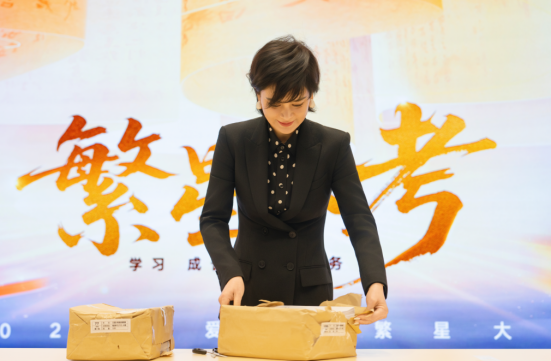
人才培养体系

Search documents
聚焦2026河北两会·两会声音丨商利伟委员建议:健全人才培养体系 提升普惠托育服务质量
Xin Lang Cai Jing· 2026-01-25 00:45
Core Viewpoint - The development of affordable and quality childcare services is essential for promoting long-term balanced population growth, addressing the needs of young parents [3][4] Group 1: Current State of Childcare Services - The province aims to achieve a ratio of over 4.5 childcare spots per 1,000 people by the end of the 14th Five-Year Plan [3] - There are significant challenges in establishing a universal childcare service system, including high operational costs, a shortage of specialized talent, and inconsistent service quality [3] Group 2: Policy Recommendations - Increased policy support is needed, including construction and operational subsidies for childcare institutions to alleviate cost pressures [3] - The establishment of standards for universal childcare institutions, management norms, and service quality standards is recommended, along with enhanced supervision and evaluation mechanisms [3] Group 3: Talent Development - Support for higher education institutions, research organizations, and vocational schools to add childcare service-related programs is suggested to strengthen academic and faculty development [4] - A model combining job demand, skills training, skills assessment, and employment services should be implemented to enhance practical skills of workers [4] - Improvement of professional title evaluation and salary incentive systems is necessary to broaden career development pathways and increase industry attractiveness [4]

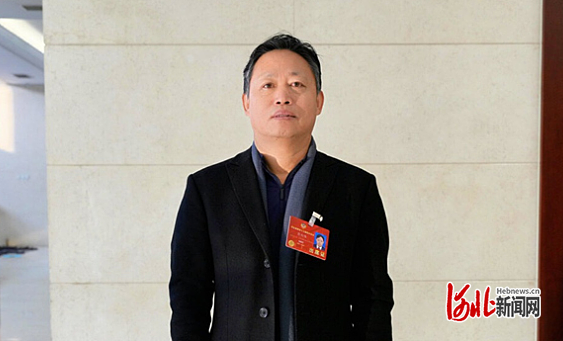
构建红色文化与人才培养体系的融合路径
Xin Lang Cai Jing· 2025-12-23 22:11
Core Viewpoint - The article emphasizes the importance of utilizing red culture as a vital resource for ideological and political education in universities, aiming to integrate red culture into various educational practices to cultivate students' values and beliefs [1][2][3][4]. Group 1: Integration of Red Culture in Education - The integration of red culture into ideological education is essential for instilling firm ideals and beliefs among students, connecting school ethos with the scientific connotation of red culture [1]. - Universities should synchronize the transmission of red genes with the construction of ideological courses, creating a comprehensive "big ideological class" that incorporates red culture into various subjects [2]. - The use of digital technology is encouraged to transform rich resources of red culture into new driving forces for education, promoting competitions that combine red genes with modern elements [3]. Group 2: Enhancing Campus Culture and Social Practice - Campus culture should be leveraged to enhance the effectiveness of education, utilizing various media to showcase red culture and engage students in immersive educational experiences [3][4]. - Social practice should be emphasized to deepen students' understanding of red culture, encouraging activities such as visits to historical sites and volunteer services to foster a sense of responsibility and patriotism [4].
推动新时代兵团人才工作高质量发展
Xin Lang Cai Jing· 2025-12-21 19:39
Core Viewpoint - The article emphasizes the importance of talent as the primary resource for promoting high-quality development, highlighting the need for a strategic approach to talent cultivation and utilization in various industries [1]. Group 1: Talent Development Strategy - The article outlines a comprehensive strategy for talent development, focusing on aligning talent acquisition with industry needs, particularly in key sectors such as renewable energy, new materials, and biomedicine [2]. - It advocates for innovative recruitment models that encourage enterprises to take the lead in talent acquisition, moving away from traditional reliance on public sector recruitment [2]. - The strategy includes expanding recruitment channels and utilizing existing talent policies to attract experts from both within and outside the region [2]. Group 2: Talent Cultivation Mechanisms - The article stresses the importance of creating high-end platforms for talent growth, such as innovation centers and research stations, to provide necessary support for talent to thrive [3]. - It calls for a collaborative talent training mechanism that promotes skills enhancement and knowledge updating, aiming to cultivate a skilled workforce [3]. - The article highlights the need for breaking down institutional barriers to facilitate talent mobility and exchange between research institutions and enterprises [3]. Group 3: Talent Utilization and Evaluation - The article advocates for a performance-oriented approach to talent utilization, emphasizing trust and empowerment for high-level talents [4]. - It proposes an innovative evaluation mechanism that focuses on contributions and capabilities rather than traditional metrics, aiming to recognize diverse talents across various fields [4]. - The article suggests that market and enterprise feedback should guide talent evaluation, ensuring that high-performing individuals receive appropriate recognition and rewards [4]. Group 4: Talent Ecosystem and Retention - The article discusses the importance of creating a supportive environment for talent retention, including providing affordable housing and addressing personal concerns such as family support [5]. - It emphasizes the need for a culture that respects and values talent, encouraging innovation and risk-taking among professionals [5]. - The article highlights the significance of integrating regional talent development efforts to enhance overall competitiveness and address employment challenges [6]. Group 5: Regional Collaboration - The article calls for breaking down regional barriers to enhance talent mobility and cooperation between different areas, promoting mutual benefits in employment and skills development [6]. - It suggests establishing a collaborative framework for talent policy alignment and resource sharing to facilitate efficient talent allocation [6]. - The article emphasizes the need for a multi-layered interaction model to stimulate innovation and drive regional economic growth [6].
新势力“挖”不走的奔驰“传承” 真正的豪华 是春雨润物 代代生辉
Yang Zi Wan Bao Wang· 2025-12-10 08:11
Core Insights - The rise of new energy vehicle companies has created a pressing demand for talent in the industry [1] - Companies are increasingly targeting existing talent, particularly from established brands like Mercedes-Benz, amidst a high-salary "talent snatching" trend [1] - The talent being sought after is backed by a rigorous and systematic training framework that has been developed over years [1] Talent Development System - The 2025 Mercedes-Benz Service Skills Master Competition, which has been held for 17 years, exemplifies the company's talent development system [1] - This competition not only tests technical skills but also reinforces the transmission of the "Mercedes standard" [1] - Mercedes-Benz has broken down service into a quantifiable system, allowing every new employee the potential to become a master, ensuring consistent high-quality service across all locations [1] Long-term Strategy - While short-term talent poaching can quickly address immediate needs, establishing an internal talent development system is essential for long-term success [1] - The core competitive advantage of a company lies in the continuous development of its skilled professionals [1]
全市首个!萧山区一医院医共体总院实现“三站”齐建
Hang Zhou Ri Bao· 2025-11-28 02:28
Core Insights - The Hangzhou Science and Technology Association announced the evaluation results of the "Three Stations" construction, with the First People's Hospital of Xiaoshan District achieving multiple outstanding results [1][2] - The hospital has become the first medical community in the city to establish all three stations, promoting the downward flow of quality medical resources and enhancing grassroots medical service capabilities [1] Group 1 - The academician workstation led by Academician Han Jisheng has successfully passed the annual assessment and has been a key driver for discipline construction, talent cultivation, and research collaboration since its establishment in 2012 [1] - The hospital has actively introduced quality medical resources, collaborating with authoritative experts in osteoporosis, such as Professor Zhang Zhenlin and Professor Yue Hua, to advance a project on AI screening and comprehensive management of osteoporosis-related fractures in the elderly [1] Group 2 - The innovation station led by Dr. Zhu Zhongxin at the Guoli branch stood out among over 300 stations in the city, receiving an excellent rating [2] - The station implements an innovative training model of "1 Doctor + 2 Key Staff + N Trainees," contributing to the branch's success in provincial and municipal project approvals [2] - The hospital has established a complete talent training and service loop through a three-tier talent system of "Academician - Expert - Doctor," bringing national-level diagnostic technologies closer to the community [2]
小米王化回应转岗
新华网财经· 2025-11-22 02:17
Core Points - The article discusses the transition of a key executive at Xiaomi, Wang Hua, who has officially started working at the company's Wuhan headquarters after a planned rotation that was set five years ago [2][4]. Group 1: Executive Transition - Wang Hua expresses gratitude for the support received over the past five years and reflects on significant events he participated in, including the launch of new retail initiatives and the development of Xiaomi's automotive project [4]. - The company has a structured talent development system that includes various training programs and a rotation system that encourages horizontal and vertical career growth [4][5]. Group 2: Rotation System - Xiaomi's rotation policy mandates that employees must rotate positions every three years, with a five-year maximum tenure in a single role [5]. - Wang Hua chose Wuhan for his new role due to its proximity to Chengdu, which offers lower travel costs and time compared to Beijing [5].


小米王化回应转岗
Xin Lang Cai Jing· 2025-11-21 10:24
Core Points - The announcement marks the beginning of a new role for the individual at Xiaomi's Wuhan headquarters, which was planned five years ago [1] - The individual emphasizes that the transition is a normal rotation without any hidden motives, urging not to overanalyze the situation [2] - The individual expresses gratitude for the past five years and highlights significant experiences during their tenure, including involvement in major company events [3] Company Structure and Culture - Xiaomi has a comprehensive talent development system that includes various training programs such as the Spark Plan, Torch Plan, and others, aimed at different career stages [3] - The company's rotation system mandates a job change every three years, with a five-year rotation being compulsory, allowing for broader perspectives among mid-level managers [3][4] - The choice of Wuhan for the new role is influenced by personal convenience and the company's strategic developments in the region, including the establishment of a major manufacturing and research facility [4]

小米王化发文回应转岗,雷军特别助理徐洁云接任公关部总经理
2 1 Shi Ji Jing Ji Bao Dao· 2025-11-21 10:19
Core Viewpoint - The recent personnel changes at Xiaomi, particularly the reassignment of Wang Hua to the Wuhan headquarters, are part of the company's established rotation system, which mandates job changes every three to five years, reflecting a commitment to talent development and strategic positioning within the organization [1][2][4]. Group 1: Personnel Changes - Wang Hua confirmed his relocation to Xiaomi's Wuhan headquarters, stating that his rotation was planned five years ago as per the company's rules [1][2]. - Xu Jieyun has been appointed as the new General Manager of the Public Relations Department, having previously held the same position and currently serving as a special assistant to the Chairman [6]. Group 2: Company Strategy and Development - The rotation system at Xiaomi is designed to broaden the perspectives of mid-level managers, allowing for both upward mobility and lateral experience [2]. - Wang Hua expressed a personal interest in the Wuhan location due to its proximity to Chengdu and the company's significant investments in the area, including the establishment of a large-scale research and manufacturing facility [4]. - The company is focusing on a substantial development plan in Wuhan, aiming for a "ten-thousand-person research and manufacturing" initiative [4]. Group 3: Public Relations and Communication - Wang Hua has been a prominent figure in Xiaomi's public relations, often addressing rumors and concerns through social media, which has made him a recognizable identity for the company's communication strategy [10]. - The timing of Wang Hua's reassignment coincided with public discussions led by founder Lei Jun regarding automotive safety, indicating a potential shift in Xiaomi's external communication approach [8][10].
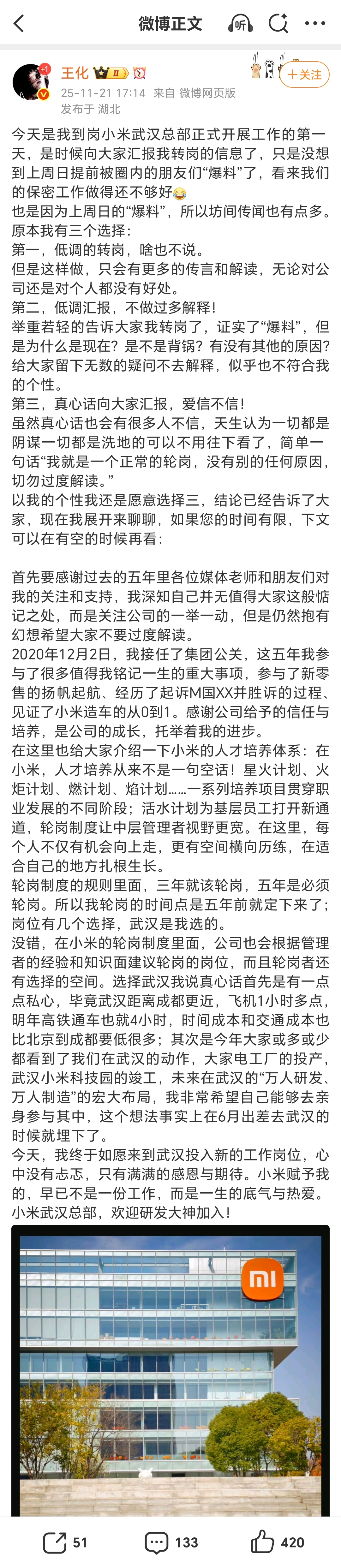
小米集团公关部总经理王化确认转岗小米武汉总部
Xin Lang Cai Jing· 2025-11-21 09:29
Core Viewpoint - The announcement of a managerial rotation within Xiaomi Group highlights the company's structured talent development and rotation system, emphasizing the importance of career growth and adaptability in leadership roles [1][3][4] Group 1: Managerial Rotation - The company has a defined rotation policy where managers are expected to rotate every three years, with a mandatory rotation after five years [3][4] - The recent transition to the Wuhan headquarters was planned five years in advance, showcasing the company's long-term strategic planning for talent management [3][4] Group 2: Talent Development - Xiaomi implements various talent development programs, such as the Spark Plan and Torch Plan, which support employees at different career stages [3] - The rotation system not only allows for upward mobility but also provides opportunities for lateral experiences, enhancing the overall skill set of managers [3][4] Group 3: Strategic Location Choice - The choice of Wuhan as the new work location is influenced by logistical considerations, such as proximity to Chengdu and reduced travel costs compared to Beijing [4] - The company is expanding its operations in Wuhan, including the establishment of a major manufacturing and research facility, which aligns with the new manager's desire to contribute to this growth [4]
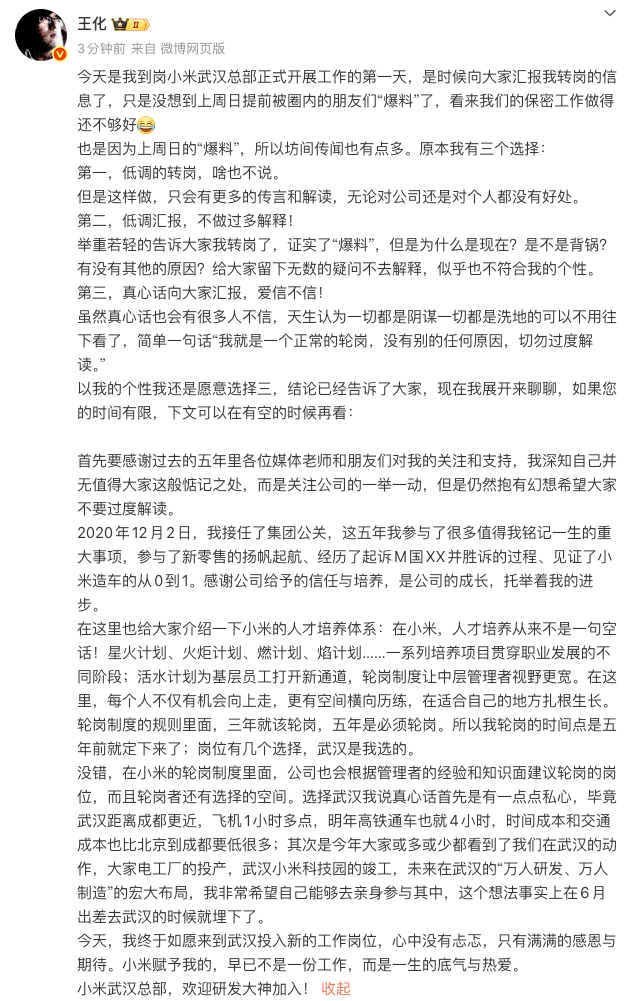
万余名经纪人赶考!北京我爱我家“繁星大考”开考
Bei Jing Wan Bao· 2025-10-21 06:17
Core Viewpoint - The "Star Exam" organized by the leading real estate brokerage company, I Love My Home, serves as a benchmark for assessing the professional quality of real estate agents, promoting the professionalization of the industry [1][3]. Group 1: Exam Purpose and Structure - The "Star Exam" is designed to ensure that real estate agents possess strong professional capabilities, addressing the complexities and risks associated with real estate transactions [3][4]. - The exam is not just a test but a comprehensive learning experience for agents, providing opportunities for both new and experienced agents to update their knowledge and skills [3][4]. - The exam results are directly linked to consumer service experiences, influencing agents' visibility on the company's online platform [4][5]. Group 2: Exam Content and Relevance - The 2025 "Star Exam" features upgraded content that reflects current market demands and regulatory changes, with a focus on real-world service scenarios [5][7]. - The exam includes 100 questions corresponding to 100 service scenarios, integrating recent regulations and market policies to ensure agents can effectively safeguard client interests [5][7]. - The assessment criteria have expanded to include not only legal knowledge but also comprehensive transaction safety and ethical service practices [7][9]. Group 3: Training and Support Systems - I Love My Home has established a comprehensive talent development system that includes practical training, an intelligent learning platform, and specialized training bases [8][9]. - The "Star" intelligent learning platform offers over 5,025 courses, with high participation rates among agents, facilitating continuous professional development [8][9]. - The company has created a "Zhen Service" intelligent platform to provide real-time support for agents, ensuring they have access to necessary resources and guidance [8][9].