
长期资本

Search documents
上海:更大力度培育壮大长期资本耐心资本
Zhong Guo Zheng Quan Bao· 2026-02-03 20:27
Economic Growth Targets - The main expected target for Shanghai's economic and social development in 2023 is a GDP growth of around 5% [1][2] - The local general public budget revenue is projected to grow by 2% [2] - The ratio of total R&D expenditure to GDP is expected to reach approximately 4.6% [2] Future Industry Development - Shanghai aims to accelerate the construction of a modern industrial system, focusing on future industries such as brain-computer interfaces, quantum computing, silicon photonics, and 6G [1][3] - The city plans to implement a cultivation plan for future industries and promote the development of advanced intelligent factories, with a target of adding over 50 such factories this year [1][3] Financial Sector Enhancements - The report emphasizes the need to enhance the competitiveness and influence of Shanghai as an international financial center [4] - It outlines plans to deepen financial system reforms, improve the interconnectivity of bond markets, and explore the establishment of an offshore financial system [3][4] - There is a focus on increasing long-term and patient capital, improving the integration of finance and industry, and directing more financial resources towards supporting domestic demand, technological innovation, advanced manufacturing, green development, and small and medium-sized enterprises [3][4]
GDP增长5%左右,大力发展脑机接口等未来产业,上海公布今年发展目标
Zhong Guo Zheng Quan Bao· 2026-02-03 04:49
Core Viewpoint - The Shanghai government aims for a GDP growth of around 5% for the year, with a focus on developing future industries and enhancing the modern industrial system [1][2][3] Economic Goals - The expected GDP growth for Shanghai in 2026 is also around 5%, with a target GDP of 5.67 trillion yuan by 2025, reflecting a growth of 5.4% [2] - Local general public budget revenue is projected to reach 850 billion yuan, with a growth of 1.5% [2] - The report sets a goal for R&D expenditure to be approximately 4.6% of the city's GDP, with an urban unemployment rate targeted to remain within 5% [2] Industry Development - The report emphasizes the cultivation of future industries such as brain-computer interfaces and fourth-generation semiconductors [3] - Implementation of the "Artificial Intelligence +" initiative is highlighted, focusing on enhancing computing power infrastructure and promoting the use of new intelligent terminals and models [3] - The construction of high-level innovation communities and the development of specialized industrial parks are prioritized [3] Investment and Infrastructure - A total of 255 billion yuan is planned for major engineering investments this year, including the construction of various metro lines and significant infrastructure projects [4] - The report outlines the initiation of several key transportation projects, including the extension of existing metro lines and the construction of new railways [4] Financial Reforms - The report calls for deepening financial system reforms and enhancing the construction of the Sci-Tech Innovation Board [5] - It aims to improve the connectivity of bond markets and explore the establishment of an offshore financial system [5] - There is a focus on fostering long-term and patient capital, enhancing the integration of finance and industry, and supporting sectors such as technology innovation and green development [5] Social Services - The report includes plans to reform elderly care services, with the addition of 2,000 cognitive care beds and 200 community-based elderly service stations [5] - It emphasizes the need for diverse services in community elderly care, including meal assistance and medical support [5]
GDP增长5%左右 大力发展脑机接口等未来产业 上海公布今年发展目标
Zhong Guo Zheng Quan Bao· 2026-02-03 04:48
Economic Growth Targets - The main expected target for Shanghai's economic growth in 2023 is around 5% [2][3] - By 2025, Shanghai's GDP is projected to reach 5.67 trillion yuan, with a growth rate of 5.4%, which is better than expected [3] Investment and Infrastructure Development - A total of 255 billion yuan is planned for major engineering investments in 2023 [6] - Key infrastructure projects include the construction of various metro lines and the South-North Passage [6] Industry Development Initiatives - The report emphasizes the cultivation of future industries such as brain-computer interfaces and fourth-generation semiconductors [4] - Implementation of the "Artificial Intelligence +" initiative to enhance smart manufacturing and technology integration [4] Financial and Capital Market Reforms - The report outlines plans to deepen financial system reforms and improve the connectivity of bond markets [7] - There is a focus on nurturing long-term and patient capital to support innovation and sustainable development [7] Social Services and Community Support - The report includes plans to reform elderly care services, adding 2,000 cognitive care beds and 200 community elderly service stations [7]
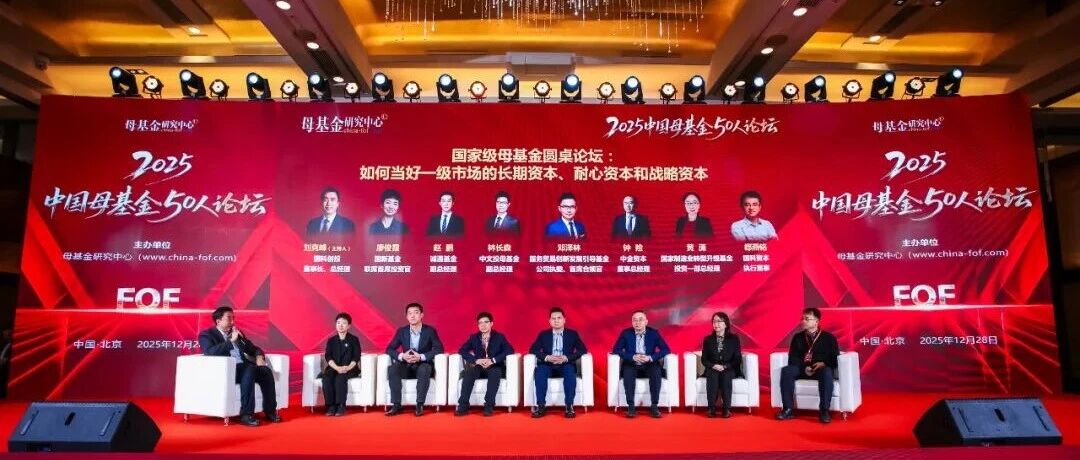
2026,国家级母基金这样投
母基金研究中心· 2026-01-30 09:36
Core Viewpoint - The forum emphasized the role of national-level mother funds as long-term, patient, and strategic capital in the primary market, highlighting their innovative practices and institutional designs to support industry development and national strategies [2][4]. Group 1: Long-term and Patient Capital - The discussion on long-term and patient capital focused on institutional innovations and investment practices, with an emphasis on longer fund durations, higher tolerance for errors, and more scientific assessment mechanisms [5][6]. - The Chinese Investment Fund, established during the pandemic, has a minimum fund duration of 15 years, demonstrating a commitment to patient capital and focusing on the cultural industry sector [5]. - The importance of understanding the growth patterns of enterprises and the necessity of a long-term assessment mechanism were highlighted, as short-sighted evaluations could hinder the development of science and technology enterprises [6]. Group 2: Strategic Capital and Ecological Collaboration - The strategic capital discussion revolved around the mission of national-level mother funds to go beyond financial returns and support national strategies, with examples of successful collaborations between social and industrial capital [7][8]. - The National New Fund has developed a series of funds aimed at supporting state-owned enterprises in technological innovation, achieving a sevenfold amplification effect of state capital through strategic investments [7]. - The Service Trade Innovation Development Guidance Fund aims to create a strategic investment ecosystem by actively selecting general partners (GPs) based on project standards and fostering deep connections with enterprises [9]. Group 3: Ecosystem Development - The forum concluded with a call for national-level mother funds to build ecosystems that encompass early-stage venture capital to industrial and financial capital, thereby supporting national strategic development [9].

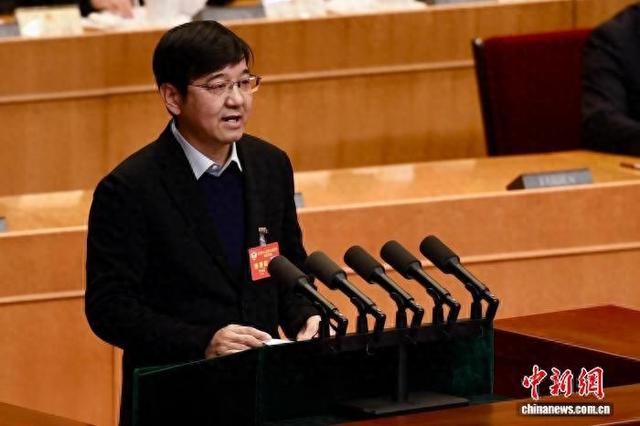
形成四五十万亿股权基金!黄奇帆重磅提议
Sou Hu Cai Jing· 2026-01-14 13:39
Core Viewpoint - Huang Qifan emphasizes the need to increase direct financing through a dual approach, developing both the stock market and equity investment funds, suggesting the establishment of a guiding fund involving various financial sources [1][2]. Group 1: Funding Sources for Equity Investment - Huang Qifan estimates that if 3% of China's bank capital is allocated to equity investment, it could generate approximately 1 trillion yuan as a source for equity investment funds [1]. - The social security fund could potentially contribute around 2 trillion yuan if 30% of its assets are directed towards equity investment [1]. - Insurance funds, if allocated 30% for equity investment, could yield between 3 trillion to 4 trillion yuan for equity investment funds [1]. Group 2: Potential Scale of Equity Investment Funds - The aggregation of funds from banks, social security, insurance, and foreign exchange could create a guiding fund of over ten trillion yuan, potentially leading to a scale of 40 to 50 trillion yuan in equity investment funds to support corporate equity [2]. Group 3: Current Developments in Financial Asset Investment Companies (AIC) - As of 2024, the pilot program for financial asset investment companies has expanded to 18 cities, with signed agreements exceeding 350 billion yuan [3][4]. - The number of bank-affiliated AICs has grown to nine, with total signed amounts surpassing 3.8 billion yuan [5]. Group 4: Recent Initiatives and Fund Launches - The establishment of the Jianyuan Zhengxing Fund, with a scale of 7 billion yuan, marks the first instance of AICs participating in Shenzhen's strategic industry investments [6]. - China Bank has successfully launched a science and technology mother fund, expanding its scale to over 50 billion yuan, with a focus on long-term capital investment [6][7]. Group 5: Role of Social Security and Insurance Funds - Multiple social security science and technology funds have been launched in 2025, totaling 2.1 billion yuan, which will help attract more social capital to strategic industries [8]. - Since the policy shift in late 2020, insurance capital has increasingly invested in private equity, becoming a significant source of long-term capital for the VC/PE sector [9][10]. Group 6: Regulatory Changes and Future Expectations - The recent notification from the National Financial Supervision Administration allows insurance companies to invest up to 30% in single venture capital funds, enhancing support for the equity investment industry [9]. - The alignment of insurance capital with long-term investment characteristics is expected to facilitate a more stable investment environment in the equity investment sector [10][11].

浙江省政协委员建言:引全球资源“润苗”未来产业
Xin Lang Cai Jing· 2026-01-14 12:27
Core Viewpoint - The article emphasizes the need for Zhejiang Province to accelerate the development of future industries, such as bionic robots and quantum information, to create a new engine for high-quality growth [1][3]. Group 1: Future Industry Development - Zhejiang has prioritized the development of nine future industries and is exploring six additional ones, but these industries face high technological intensity and long validation cycles, leading to uncertainties during the incubation phase [1][3]. - The rise of future industries is a global trend, and competition in this sector is fundamentally about competing in global innovation networks [3][4]. Group 2: Recommendations for Support Mechanisms - It is suggested that support for future industries should come from three aspects: capital, mechanisms, and openness, to create an innovative ecosystem conducive to incubating and nurturing future industry projects [3]. - A specific example is the establishment of the "Runmiao Fund" in Hangzhou, with an initial scale of 2 billion yuan and a duration of 20 years, aimed at addressing early-stage financing challenges for technology startups [3]. Group 3: Collaborative Innovation - There is a need for deep collaboration among industry, academia, research, finance, and government to build a synergistic innovation body that aggregates resources and shares risks and rewards [3]. - The proposal includes forming tightly-knit innovation alliances led by companies, which would involve joint investment, research, and transformation efforts [3]. Group 4: Attracting Foreign Investment - High-level openness is recommended to attract quality foreign capital and enterprises, including the introduction of robust QFLP policies to draw European asset management institutions to establish funds in Zhejiang [4]. - Leveraging the "Hangzhou Six Little Dragons" effect is suggested to enhance European awareness of Zhejiang's legal and business environment, thereby attracting more high-tech projects [4].
形成四五十万亿股权基金!黄奇帆重磅提议
母基金研究中心· 2026-01-13 10:09
Core Viewpoint - Huang Qifan emphasizes the need to increase the proportion of direct financing through multiple channels, advocating for the development of both the stock market and enterprise equity investment funds, as well as improving the market-oriented capital supplement mechanism for enterprises [1][2]. Group 1: Funding Sources and Potential - Huang Qifan suggests establishing an equity guidance fund involving bank funds, social security funds, commercial insurance funds, and foreign exchange funds, which could potentially create a fund size of several trillion yuan [1][2]. - If banks allocate 3% of their capital for equity investment, approximately 1 trillion yuan could be sourced for equity investment funds [1]. - Social security funds could generate around 2 trillion yuan for equity investment funds if 30% is allocated [1]. - Insurance funds could contribute approximately 3 to 4 trillion yuan under a similar 30% allocation [1]. Group 2: Long-term Capital and Investment Strategies - The total potential from banks, social security, insurance, and foreign exchange could lead to the formation of equity investment funds worth 40 to 50 trillion yuan, supporting enterprise capital replenishment [2]. - The long-term capital source is crucial for the development of equity investment in China, as the current fundraising market lacks substantial "long money" [2]. - Venture capital (VC) and private equity (PE) funding sources in international markets primarily come from pension funds, endowment funds, and family wealth, while domestic penetration remains low at 2-3% [2]. Group 3: Recent Developments in Financial Asset Investment Companies (AIC) - As of 2025, the number of bank-affiliated AICs has expanded to 9, with signed fund amounts exceeding 3.8 trillion yuan [5]. - The AIC model has been successfully implemented in 18 cities, with a total signed amount surpassing 3.5 trillion yuan [4]. - The establishment of AICs aims to leverage insurance capital and professional management to attract more social capital [4][5]. Group 4: Insurance Capital in Private Equity - Since the second half of 2020, insurance capital has increasingly engaged in private equity investments, becoming a significant source of funding for VC/PE [6][7]. - A recent notification increased the maximum investment ratio of insurance companies in single venture capital funds from 20% to 30%, providing substantial support for the equity investment industry [7]. - Insurance capital is particularly focused on sectors closely related to its core business, such as healthcare and strategic national industries, including new infrastructure and renewable energy [8][9]. Group 5: Future Expectations and Trends - The alignment of insurance capital with mother funds is seen as beneficial for stabilizing returns and reducing risks, thus enhancing the investment ecosystem [9]. - The anticipated influx of insurance capital into the equity investment sector is expected to accelerate the growth of the industry [9]. - The establishment of various social security and insurance funds targeting technology innovation indicates a growing trend towards long-term capital investment in strategic industries [6][8].

想赢怕输的普通人,别犹豫,买分红险
Xin Lang Cai Jing· 2026-01-11 17:16
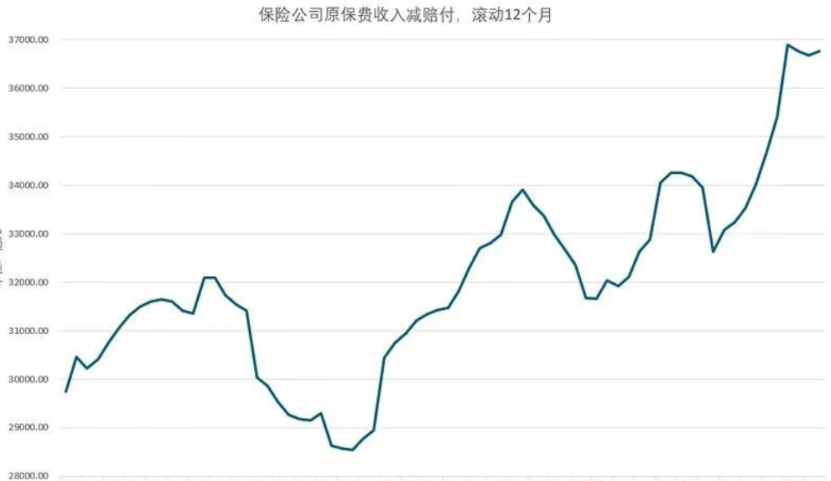
Group 1 - The insurance industry reported a significant performance with a net premium income of approximately 3.7 trillion yuan after deducting claims, indicating a strong financial position despite market anxieties [1] - Financial institutions are preparing for an influx of 50 trillion yuan in maturing deposits, with bank wealth management being the primary investment tool for the public, although its contribution to the stock market remains minimal, with equity allocation below 2% [3] - Insurance companies are expected to have a substantial and long-term impact on the A-share market, with some already holding 20% in stocks and bond funds, while others maintain a 10% allocation [5] Group 2 - A long-term allocation of 15%-20% in stocks is deemed appropriate for insurance companies, as high-dividend stocks provide yields significantly higher than bond rates, thus helping to cover liabilities [7] - The current low-interest-rate environment necessitates a shift from traditional high-yield bonds to equities, as the latter can better cover the rigid costs associated with long-term liabilities [10] - High-dividend stocks, particularly in the banking sector, are favored by insurance companies, which can classify these dividends as profits while stock price fluctuations do not affect their profit statements [11] Group 3 - By Q3 2025, insurance companies' stock investments reached 3.6 trillion yuan, indicating a significant presence in the market, comparable to the scale of actively managed public funds [13] - The stability of insurance capital is crucial for the stock market, as it provides long-term support and helps stabilize investor sentiment, especially in the context of technology sector investments [13] - Insurance companies are positioned to benefit from high-quality development and are expected to reflect this in dividend payouts, enhancing returns for policyholders [10]
央行金融研究所所长丁志杰:部分长期资本仍沉淀在银行体系 优化金融结构大力发展资本市场
Zheng Quan Shi Bao Wang· 2026-01-10 09:16
Core Viewpoint - The optimization of China's financial structure has significant potential, with opportunities for reform outweighing challenges [1] Group 1: Financial Structure Optimization - There is considerable room for improvement in China's financial structure, and the efficiency of the financial system can be enhanced [1] - Transforming a portion of household long-term savings deposited in banks into patient and long-term capital is beneficial for optimizing financial structure and increasing the proportion of direct financing [1] Group 2: Development of Capital Markets - A major direction for optimizing China's financial structure is the vigorous development of capital markets, including the active promotion of equity and bond financing [1] - The recent performance of the National Social Security Fund's local pension fund investments shows that pension funds can achieve annualized returns exceeding 5% when entering capital markets, significantly higher than guaranteed returns [1] Group 3: Potential Capital Market Contributions - As of the end of 2024, the total scale of basic pensions in China is projected to reach 8.7 trillion yuan, and if a significant portion of these funds enters capital markets, it would positively impact market development [1] - The surplus in medical insurance and the balance of housing provident fund deposits currently exist in the form of bank deposits, and if some of these funds can enter capital markets, it would enhance residents' investment returns and contribute to capital market development [1]
海南自贸港封关,资本的新机遇在哪?
母基金研究中心· 2026-01-03 08:45
Core Viewpoint - The second Hainan Free Trade Port Innovation Investment Development Forum emphasizes the theme "Capital to the South" and aims to explore how capital can support Hainan's high-quality development through policy and industry collaboration [1][2]. Group 1: Conditions for Attracting Long-term Capital and Key Industry Layout - Hainan is rapidly becoming a hotspot for domestic and foreign capital due to multiple advantages, including national strategic support, continuous policy benefits, and unique geographical positioning [5]. - The core conditions for attracting long-term capital include comprehensive policy support, such as zero tariffs and low tax rates, and a clear industrial strategy focused on upgrading traditional industries and developing strategic emerging industries [5][6]. - Three recommended investment areas are: 1. Upgrading traditional industries like modern agriculture and high-end tourism 2. Breakthroughs in strategic emerging industries such as marine economy and renewable energy 3. Development of green energy industries, particularly offshore wind power [6][7]. Group 2: Capital Role and Policy Interaction Pathways - The interaction between capital and policy is crucial for the successful implementation of Hainan's industrial strategies, requiring a conducive investment environment and effective policy execution [9]. - The government should focus on long-term capital investment, moving beyond short-term project thinking to establish market-oriented cooperation with capital [9][10]. - Hainan's unique policies in the biopharmaceutical sector provide a competitive edge, making it an ideal location for biopharmaceutical companies to reduce costs and accelerate product launch cycles [10]. Group 3: International Cooperation and Strategic Development - Capital should act as a bridge for international cooperation, leveraging Hainan's strategic position to connect with global resources and enhance economic and cultural exchanges [11][12]. - The establishment of specialized industrial parks within Hainan's free trade zone can facilitate resource sharing and policy alignment with international free trade zones, promoting a collaborative development model [12]. - The forum highlights the importance of high-level openness, not just in trade and finance, but also in personnel, technology, and industry, to foster a virtuous cycle of high-quality development [12].
