扩大内需战略

Search documents
国家发展改革委:将研究设立国家级并购基金
Xin Hua Cai Jing· 2026-01-20 05:38
Group 1 - The National Development and Reform Commission emphasizes the importance of the National Venture Capital Fund as a benchmark to promote innovation and entrepreneurship, and plans to establish a national-level merger and acquisition fund [1][2] - There is a recognition of the current economic challenges in China, particularly the imbalance of strong supply and weak demand, necessitating a focus on expanding domestic demand [1] - A strategic plan for expanding domestic demand from 2026 to 2030 will be developed to align with the new trends in demand and the needs of the new technological revolution and industrial transformation [1] Group 2 - The focus will be on deepening the construction of a unified national market to enhance market vitality and shift from "price competition" to "value competition" [2] - Measures will be taken to regulate market entry, ensure fair competition, and manage capacity to address the temporary oversupply issues [2] - A quality brand strategy will be implemented to guide the resolution of "involution" competition and promote a healthy market order [2]
研究设立国家级并购基金、制定城乡居民增收计划!国家发展改革委最新发声
Zhong Guo Zheng Quan Bao· 2026-01-20 05:07
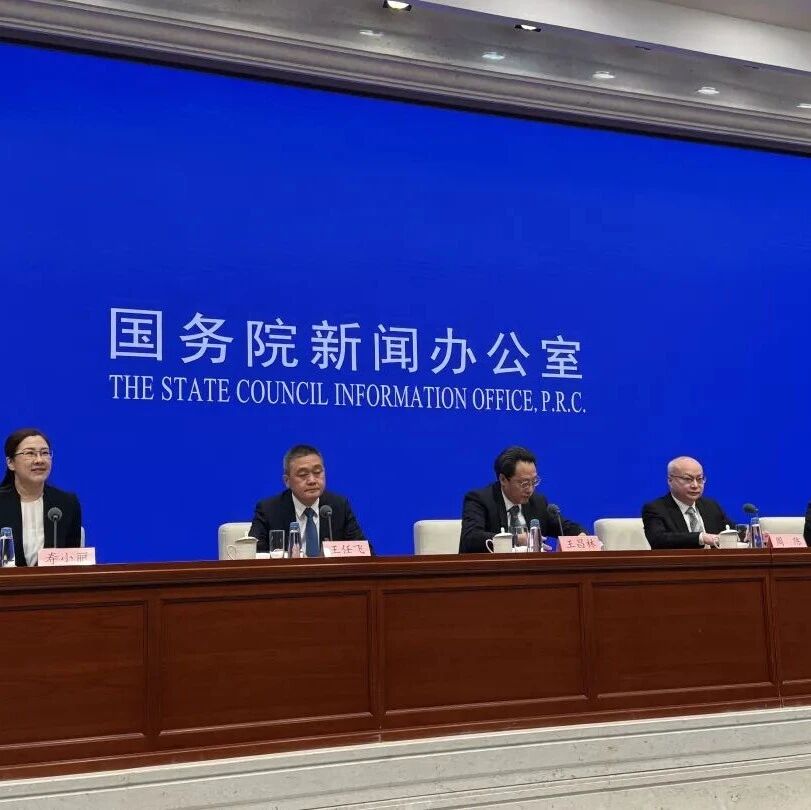
1月20日,国新办举行新闻发布会,介绍落实中央经济工作会议精神,推动"十五五"实现良好开局有关 情况,多位国家发展改革委有关负责人出席。 要点速览 研究制定出台2026年—2030年扩大内需战略实施方案 研究设立国家级并购基金,加强政府投资基金布局规划和投向指导 正谋划推进一批"十五五"时期的高技术产业标志性引领性重大工程 研究制定全国统一大市场建设条例,制定出台妨碍建设全国统一大市场事项清单、招商引资鼓励和禁止 事项清单 正在研究制定稳岗扩容提质行动和城乡居民增收计划 今年将推动实施服务业扩能提质行动 正在谋划一批高技术产业标志性引领性重大工程 国家发展改革委国民经济综合司司长周陈表示,展望2026年,我国经济结构将持续向"优"、发展动能持 续向"新"、整体发展态势持续向"好",新质生产力稳步发展,消费与投资、科技与产业、城乡与区域都 将释放出巨大的发展潜能。 周陈表示,新技术新产品新场景蔚然成势。新能源、新材料、航空航天、量子科技、生物制造、具身智 能等新的经济增长点正在蓄势待发。"人工智能+"行动正在为我国海量的场景优势赋能增效,人工智能 加速从数字世界走向物理世界,从说话变成做事,将带动高端制造、新兴 ...
重磅信号!国家级并购基金要来了
FOFWEEKLY· 2026-01-20 04:40
Core Viewpoint - The article highlights the positive signals in the primary market regarding mergers and acquisitions (M&A), emphasizing the establishment of national-level M&A funds and the government's commitment to promoting high-tech industries and expanding domestic demand from 2026 to 2030 [3][4]. Group 1: M&A Market Dynamics - The A-share M&A market is experiencing a significant increase in activity, with a rise in both the frequency and capability of transactions, driven by strategic positioning and chain integration among leading enterprises [4]. - In 2025, a total of 305 listed companies participated in the establishment of 321 industry M&A funds, with a total fundraising scale reaching 297.51 billion yuan, marking a notable increase from 2024 [4]. - Newly established M&A funds are highly concentrated in strategic sectors such as advanced manufacturing, healthcare, artificial intelligence, automotive, new materials, and semiconductors, indicating their role in implementing national industrial policies [4][5]. Group 2: Role of National-Level M&A Funds - The establishment of national-level M&A funds is expected to play a crucial role in promoting industrial upgrades and addressing the needs of local industrial chain integration [5][6]. - The increase in the number of funds and their participation in emerging sectors like aerospace and low-altitude economy reflects a shift towards professional and systematic integration within the technology industry [5]. - M&A funds are positioned as key vehicles for optimizing asset allocation and revitalizing existing assets, with a focus on supporting regional economic development and assisting listed companies in achieving strategic transformations [5]. Group 3: Future Outlook - The year 2025 is anticipated to be a pivotal year for the rise of a new wave of M&A funds, driven by continuous policy encouragement and urgent demands for industrial integration [5][6]. - The establishment of national-level M&A funds is seen as the beginning of a new chapter in the integration of capital and industry within China's capital market [6].


盘中,涨停!A股,突然异动!
中国基金报· 2026-01-20 04:35
【导读】 上午A股 三大指数 高开低走,商业航天、通信设备板块重挫,大金融、食品饮料逆市拉升 中国基金报记者 张舟 大家好, 今天是周二, 基金君和你 继续 关注市场行情! 1月20 日上午,A股三大股指 高开低走。 截至午间收盘,沪指 报4101.62点,跌0.3 %,深证成指 跌1.22 %,创业板指 跌1.83 %。 科 创创业50指数、创业板50指数均跌超2%。 | 4101.62 | 2 2 2010 11 | 14119.95 | Annuanna W | 3276.64 | VWO | | --- | --- | --- | --- | --- | --- | | 上证指数 -0.30% | | 深证成指 -1.22% | | 创业板指 -1.83% | | 个股 跌多涨少,全 市场 共有3396 只个股下跌 ,1912 只个股上涨, 54 只个股涨停 。成交额方面,沪深两市半日成交额为1.85万亿 元,较上个交易日放量568亿元。 从板块 来 看, 通信设备、航天军工、电子元器件、基本金属、能源设备等板块纷纷下挫;银行保险板块异动拉升,食品饮料、房地产、 半导体板块逆市上涨。 银行保险板块异动 ...

重磅!国家发改委:正在研究制定城乡居民增收计划!
Zheng Quan Ri Bao Wang· 2026-01-20 04:15
会上,谈及2026年宏观政策将如何施策,国家发展改革委副主任王昌林表示,重点要做到"三个坚持": 1月20日,国新办举行新闻发布会,国家发展改革委有关负责人一同出席介绍落实中央经济工作会议精 神,推动"十五五"实现良好开局有关情况,并答记者问。 三是坚持把市场运行的调控点放在纵深推进全国统一大市场建设上,充分激发市场活力。重点是要综合 整治"内卷式"竞争,实现从卷价格向优价值转变。要完善市场准入、公平竞争、产能退出等机制,加强 产能调控,积极化解供大于求的阶段性矛盾。进一步细化地方招商引资鼓励和禁止事项边界,规范地方 经济促进行为。加强重点行业价格监管,依法依规治理企业低价无序竞争,形成优质优价、良性竞争的 市场秩序。大力实施质量品牌战略,引导破解"内卷式"竞争。 值得关注的是,围绕提振内需,国家发展改革委国民经济综合司司长周陈表示,提升消费者收入是提振 内需的重要方面。目前,正在研究制定稳岗扩容体制行动和城乡居民增收计划。 一是要坚持把宏观政策的发力点放在做强国内大循环上,全方位扩大国内需求。重点是要适应需求升级 的趋势,结合新一轮科技革命和产业变革的需要,研究制定出台2026—2030年扩大内需战略实施方 ...
把促进物价回升作为货币政策的重要考量!国家发改委最新发声
券商中国· 2026-01-20 04:13
Core Viewpoint - The Chinese government is focusing on implementing proactive fiscal and monetary policies to stimulate economic growth and price recovery, addressing the current imbalance between supply and demand in the economy [2][3][5]. Group 1: Economic Policies and Strategies - The National Development and Reform Commission (NDRC) plans to implement a more proactive fiscal policy and moderately loose monetary policy, emphasizing the importance of price recovery in monetary policy considerations [2]. - A strategic plan for expanding domestic demand from 2026 to 2030 is being developed to adapt to the upgrading of demand structure in China, aiming to create new demand through new supply [3]. - The NDRC is working on significant high-tech industry projects during the 14th Five-Year Plan period, with expectations for the digital economy's added value to reach 49 trillion yuan by 2025, accounting for approximately 35% of GDP [4]. Group 2: Economic Development Goals - By 2025, the main economic and social development goals are expected to be achieved, showcasing resilience in development and improved living standards [5]. - The urbanization rate is projected to reach 67.89% by the end of the year, an increase of 0.89 percentage points from the previous year [5]. Group 3: Policy Implementation and Support - The NDRC is enhancing the "Two New" policies, with an initial allocation of 62.5 billion yuan in special bonds to support these initiatives, aiming to lower investment thresholds for small and medium-sized enterprises [6][7]. - There will be a focus on standardizing local economic promotion behaviors and enhancing market competition mechanisms to ensure a dynamic balance in supply and demand [8][9]. Group 4: Market Regulation and Coordination - The NDRC is set to develop a list of actions that hinder the establishment of a unified national market and a list of encouraged and prohibited actions for investment promotion [10]. - There is an emphasis on coordinating reforms with fiscal, financial, consumption, investment, industrial, and innovation policies to address intertwined cyclical, structural, and institutional issues in the economy [11]. Group 5: Regional Development Initiatives - The NDRC is committed to advancing strategies for the development of the western regions and the rise of central regions, recognizing their potential to support stable economic growth [13][14].
未来5年大方向定了!发改委:扩大内需战略实施方案将出台
Xin Lang Cai Jing· 2026-01-20 03:29
Core Viewpoint - The National Development and Reform Commission (NDRC) has outlined the successful completion of major economic and social development goals for 2025, emphasizing steady economic performance and improved resilience, alongside enhanced welfare policies for the populace [2][10]. Group 1: Economic Policies and Goals - The NDRC is implementing more proactive macroeconomic policies to elevate economic strength [3]. - A focus on accelerating high-level technological self-reliance and breakthroughs in new productive forces is being prioritized [3]. - The NDRC has conducted over 120 meetings with private enterprises to address development challenges directly [3][12]. - Urbanization rate reached 67.89% by year-end, an increase of 0.89 percentage points from the previous year [3]. Group 2: Future Economic Outlook - The NDRC is planning to advance significant high-tech industry projects during the 14th Five-Year Plan period [4]. - The digital economy's added value is expected to reach 49 trillion yuan, accounting for approximately 35% of GDP by 2025 [4]. - China is home to 24 of the world's top 100 innovation clusters, maintaining its leading position globally [4]. Group 3: Domestic Demand and Supply Balance - The NDRC aims to address the current imbalance of strong supply and weak demand by expanding domestic demand and optimizing supply [5]. - A strategic plan for expanding domestic demand from 2026 to 2030 is being developed [5]. - Emphasis is placed on strengthening the domestic economic cycle and adapting to demand upgrades [5]. Group 4: Market Regulation and Competition - The NDRC is focused on enhancing the modern industrial system and promoting quality upgrades in key industries [6]. - Measures are being taken to regulate market operations and eliminate "involution" competition, shifting focus from price competition to value [6]. - The establishment of a unified national market is a priority to stimulate market vitality [6]. Group 5: Monetary Policy and Price Stability - Promoting reasonable price recovery is a key goal of macroeconomic regulation, with positive changes observed in price trends since Q4 2025 [7]. - A combination of proactive fiscal policies and moderately loose monetary policies will be implemented to foster economic growth and price recovery [7]. Group 6: Investment and Project Management - The NDRC is lowering investment thresholds for project applications to support small and medium-sized enterprises [9]. - Enhanced scrutiny and management of project conditions and standards are being established to prevent resource wastage [9]. - A closed-loop management system for equipment renewal projects is being developed to ensure accountability and improve project implementation efficiency [9]. Group 7: Social Welfare and Employment - The NDRC is committed to enhancing public welfare and addressing urgent societal needs, with an average urban unemployment rate of 5.2% for the year [10]. - Initiatives such as childcare subsidies and free preschool education are being implemented to improve quality of life [10]. - The upcoming 2026 Spring Festival holiday will be extended to nine days, responding to public demand for better holiday arrangements [11].
我国将研究制定2026—2030年扩大内需战略实施方案
Zhong Guo Jing Ji Wang· 2026-01-20 03:26
一是要坚持把宏观政策的发力点放在做强国内大循环上,全方位扩大国内需求。要适应需求升级的趋 势,结合新一轮科技革命和产业变革的需要,研究制定出台2026—2030年扩大内需战略实施方案,为以 新需求引领新供给、以新供给创造新需求提供强有力的创新举措和要素保障,努力实现供需互促、循环 升级。 二是坚持把发展经济的着力点放在实体经济上,加快构建现代化产业体系。坚持智能化、绿色化、融合 化方向,推动重点产业提质升级,大力培育壮大新兴产业和未来产业,深入开展"人工智能+"行动。要 发挥好国家创业投资基金行业标杆作用,研究设立国家级并购基金,加强政府投资基金布局规划和投向 指导,促进创新创业创造,加快培育和发展新质生产力。 中国经济网1月20日讯 1月20日,国新办举行新闻发布会,介绍落实中央经济工作会议精神、推动"十五 五"时期经济社会发展实现良好开局有关情况。国家发展改革委副主任王昌林在会上表示,我国将研究 制定并出台2026—2030年扩大内需战略实施方案,聚焦供需两端发力,推动经济实现高质量发展。 王昌林指出,当前我国经济发展中需求不足问题较为突出,同时存在供给不充分的短板。"我国供给体 系已进入从'有没有'向' ...
国家发展改革委:今年将研究制定出台2026—2030年扩大内需战略实施方案
Yang Shi Xin Wen· 2026-01-20 03:17
(责任编辑:张紫祎) 1月20日,国家发展改革委副主任王昌林在国新办新闻发布会上表示,当前我国经济运行存在供强需弱 的问题,接下来要坚持把宏观政策的发力点放在做强国内大循环上,全方位扩大国内需求,重点是要适 应我们国家需求结构升级趋势。结合我们新一轮科技革命和产业变革的需要,今年,发改委将研究制定 出台2026年—2030年扩大内需战略实施方案,以新供给创造新需求,提供强有力的创新举措和要素保 障。 ...
研究设立国家级并购基金!国家发改委最新宣布
证券时报· 2026-01-20 03:13
Group 1 - The core viewpoint of the article emphasizes the need for China to strengthen domestic demand and adapt to the trends of demand upgrading, particularly in light of the current economic situation where supply is strong but demand is weak [2] - The National Development and Reform Commission (NDRC) plans to formulate a strategic implementation plan for expanding domestic demand from 2026 to 2030, focusing on innovation and providing strong support for new supply and demand [2] - The NDRC also aims to establish a national-level merger and acquisition fund to enhance government investment and guide fund allocation, thereby promoting innovation and the development of new productive forces [3]