超高清

Search documents
首发、首秀、首展占比近80% 这一展会尽显影视行业“硬核实力”
Yang Shi Xin Wen· 2025-07-24 14:40
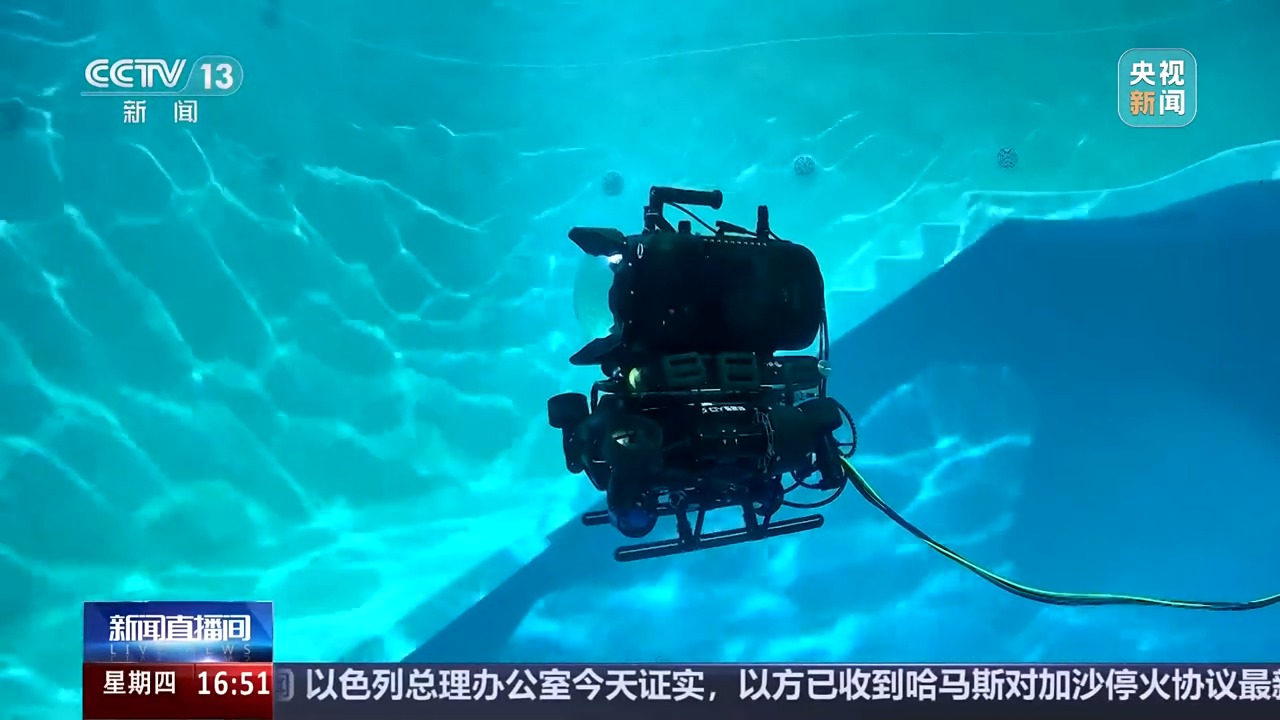
Group 1 - The 32nd Beijing International Radio, Film and Television Exhibition was held from July 23 to 26, featuring over 500 exhibitors from more than 20 countries and regions [1] - The exhibition focused on the themes of "all media, ultra-high definition, and strong intelligence," showcasing new technologies, products, and applications, with nearly 80% being first-time presentations [1] - Ten specialized exhibition areas were set up, including ultra-high definition end-to-end industry chain, film production processes, generative AI applications, and immersive audio technology, highlighting the latest advancements in the broadcasting and online audio-visual industry [1] Group 2 - The Central Radio and Television Station showcased its technological innovations under the theme "Technological Innovation Promotes Systemic Change in Mainstream Media," featuring the CCTN Listening Media Model 2.0 and ultra-high definition technology systems [2] - The CCTN Listening Media Model 2.0 includes six core components and has launched 82 intelligent applications, enhancing production efficiency across various channels [2] - The ultra-high definition NVI integrated media production platform and proprietary IP-based ultra-high definition broadcasting system were presented, indicating the station's commitment to advancing the ultra-high definition industry in China [2] Group 3 - The DJI Ronin ecosystem, featuring camera stabilizers and drones, attracted attention at the professional imaging exhibition, successfully used in films directed by Zhang Yimou [3] - The upgraded Ronin 2 system received the "2025 Academy Award for Scientific and Technical Achievement," showcasing its advanced stabilization technology [3] - The debut of the underwater robot from Qiyuan Technology addressed challenges in underwater filming, allowing stable capture of underwater scenes up to 100 meters deep, significantly reducing the barriers for professional underwater photography [3][5]

重新定义“看”的方式
Jing Ji Ri Bao· 2025-07-14 22:05
Core Viewpoint - The launch of Beijing's 4K Ultra HD channel marks a significant advancement in China's ultra HD industry, which is approaching a scale of 5 trillion yuan, driven by policy benefits, regional collaboration, and technological standards [1][2]. Group 1: Industry Development - The ultra HD industry in China is nearing a scale of 5 trillion yuan, with ongoing policy support and technological advancements driving growth [1]. - The launch of ultra HD channels by various regional broadcasters and platforms, including CCTV and major streaming services, has led to over 40% of new programs being ultra HD [2][3]. - The establishment of a complete "creation-manufacturing-distribution" loop is facilitating the transition from quantitative to qualitative breakthroughs in ultra HD development [2]. Group 2: Technological Advancements - Ultra HD technology enhances visual experiences through high resolution, frame rates, dynamic range, color depth, and quantization precision, redefining how viewers engage with content [1]. - The integration of ultra HD in various sectors, such as healthcare with 8K endoscopes and security with ultra HD surveillance systems, demonstrates its potential beyond entertainment [2]. - Future initiatives include upgrading equipment, expanding cable and IPTV networks, and promoting autonomous innovation in core technologies to support ultra HD applications across multiple industries [3]. Group 3: Future Directions - The industry aims to phase out standard definition channels by the end of the year and enhance the transmission of ultra HD channels nationwide [3]. - There is a focus on developing commercial space initiatives and leveraging 5G and 6G technologies to improve ultra HD signal transmission quality [3]. - The exploration of "ultra HD + AI/VR" integration scenarios is expected to further enhance the application of ultra HD technology in various fields [3].
超高清成上海电视节热词,它将如何改变家庭娱乐?
Di Yi Cai Jing· 2025-06-27 13:07
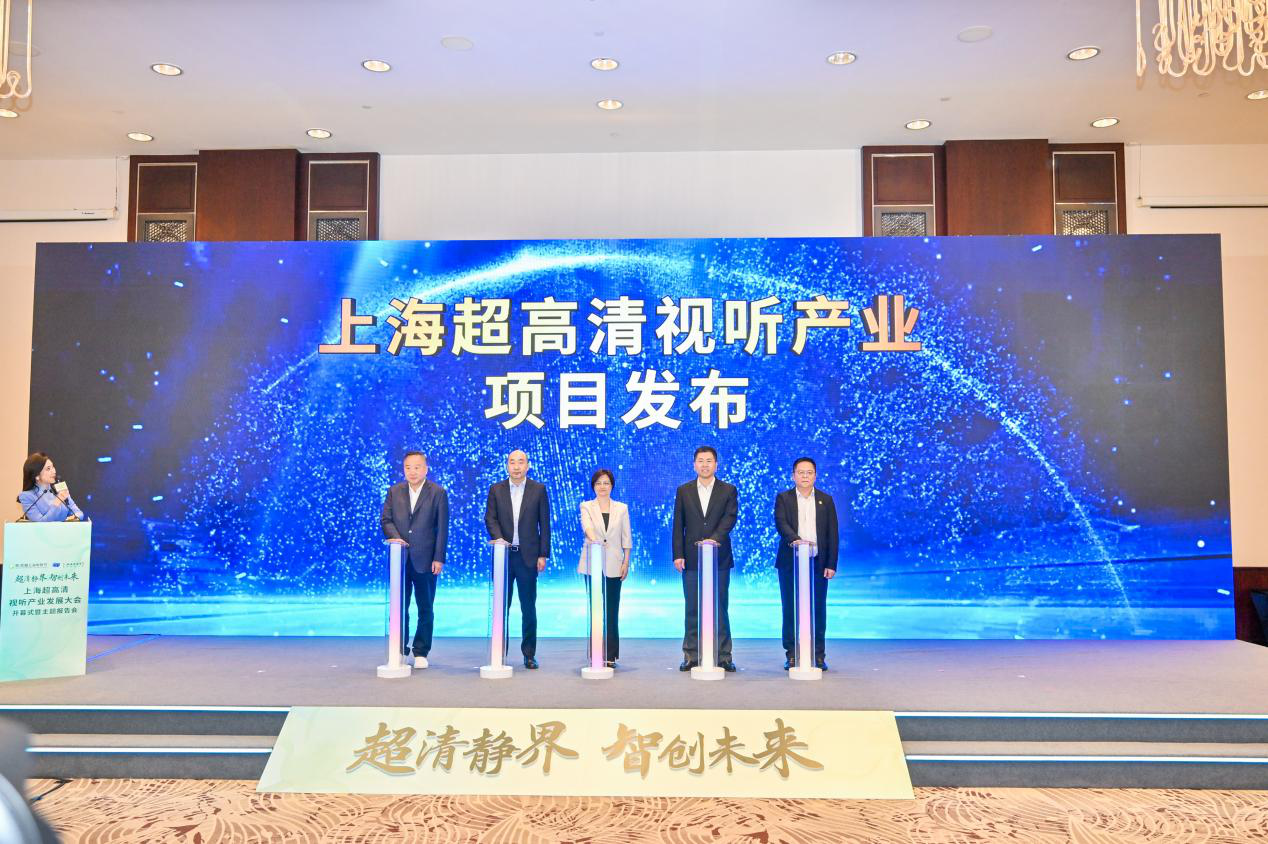
Core Insights - The "Ultra HD" technology has become a focal point during the 30th Shanghai Television Festival, with the National Radio and Television Administration designating this year as the "Year of Ultra HD Development" to promote the collaborative development of the ultra HD industry across the entire value chain [1][2] Group 1: Industry Developments - The 30th Shanghai Television Festival hosted discussions on the production paths of ultra HD content, the empowerment of ultra HD ecosystems by artificial intelligence, and the integration of ultra HD with cultural tourism and commerce [3] - Shanghai Broadcasting Television Station has made significant advancements in the ultra HD audiovisual industry, establishing core capabilities and a rich ecosystem in channels, technology, content, and applications [3][4] - The first 4K ultra HD channel "Happy Theater" launched in July 2020, and over ten ultra HD panoramic sound films have been produced, including "Wuyishan: Our National Park" and "Never Fading Waves" [3][4] Group 2: Upcoming Initiatives - The launch of the Oriental TV 4K ultra HD comprehensive channel is scheduled for September 28, focusing on documentary, variety shows, sports events, and high-end interviews to enhance the ultra HD program library [3][4] - Shanghai Broadcasting Television Station plans to implement an ultra HD optical network construction project to cover 8 million users in 2 to 3 years, supporting the popularization of ultra HD smart home applications [4] Group 3: Technological Innovations - The "Ultra HD Colorful Audiovisual Ecosystem Empowerment Plan" has been initiated to build a national talent training system for the ultra HD audiovisual industry, aiming to supply more versatile talents [6] - The ultra HD technology is expected to transform family entertainment and lifestyle, providing immersive experiences through high-definition displays and sound [9] Group 4: Content Creation Trends - The shift in content creation aesthetics from "blurred beauty" to "clear beauty" is noted, with ultra HD technology opening new possibilities for filmmakers and requiring higher standards for content quality [10][11] - The "Ultra HD Creation List" was released, featuring six works that showcase how ultra HD technology enhances detail, texture, and color vibrancy [11] Group 5: Future Perspectives - The application of ultra HD technology is not limited to film production but extends to various life scenarios, enhancing user experiences across different contexts [9] - Filmmakers express that ultra HD serves as a "magnifying glass" for authenticity, capturing intricate details and emotional nuances in performances [13]
广播电视和网络视听行业代表与中外记者见面交流 用心用情点亮大屏小屏
Jing Ji Ri Bao· 2025-06-20 21:59
Core Viewpoint - The meeting highlighted the importance of technology, particularly ultra-high definition (UHD) and generative artificial intelligence, in transforming the broadcasting and online audio-visual industry, aiming to enhance user engagement and content quality [1][2]. Group 1: Technological Advancements - The broadcasting industry is experiencing significant changes due to the rise of UHD and generative AI, which provide new creative possibilities [1]. - The National Radio and Television Administration has set 2025 as the year for UHD development, with many TV series, web dramas, and documentaries expected to adopt UHD standards [1]. - The integration of technology and artistic creation is exemplified by the success of the 2025 Spring Festival Gala, which utilized advanced technology to enhance viewer engagement [1]. Group 2: Targeting Young Audiences - The rapid development of the internet and mobile internet has shifted young users' information consumption from large screens to smaller mobile devices, presenting a challenge for the broadcasting network [1]. - To attract young audiences, the industry is focusing on high-quality content, including UHD films, micro-short dramas, domestic and international sports events, and AR/VR games [2]. - A new television line has been established to synchronize the release of quality films and micro-short dramas, while also incorporating sports events and cultural documentaries [2]. Group 3: Comprehensive Service Offerings - The broadcasting sector is providing a comprehensive information service model, integrating "5G + TV + broadband + content + rights + X" to enhance user experience [2]. - Users can access classic programs and quality content through 5G services while on the go, and enjoy seamless integration with new set-top boxes at home [2]. - Smart broadcasting solutions are being developed to offer full-home intelligent access and services, catering to the needs of modern consumers [2].
超高清视听产业蓄势突破
Jing Ji Ri Bao· 2025-06-11 22:19
Core Insights - Ultra-high-definition (UHD) is an inevitable direction for the evolution of global audiovisual technology, providing a new viewing experience and significantly enhancing the cultural industry and digital economy [1][2] - The launch of the Beijing Satellite TV UHD channel marks a new phase in China's UHD audiovisual industry, transitioning from "catching up" to "leading" within three years [1][3] Industry Development - The UHD industry is expected to see the establishment of 50 UHD channels and the proliferation of 650 million terminals in China over the next three years [1][3] - The annual UHD content supply capacity in Beijing has surpassed 60,000 hours, with over 1,100 related enterprises forming a cluster effect [1][2] Technological Features - UHD encompasses not only resolution enhancement but also high frame rates, high dynamic range, wide color gamut, and high quantization precision, improving visual experience across five dimensions [1][2] Economic Impact - The development of UHD is crucial for driving quality upgrades in the cultural industry and digital economy, with significant effects on various sectors including information infrastructure and electronic information manufacturing [2][3] - UHD can stimulate content innovation, enhance the attractiveness of large screens, and improve the viewing experience on mobile devices [2] AI Development Support - UHD can provide high-quality audiovisual content and abundant data for training general large models, supporting China's AI development strategy and enhancing international competitiveness [3] - The synergy between UHD and AI can create a virtuous ecosystem, producing high-quality UHD content and improving the overall industry landscape [3] Challenges and Strategies - Despite breakthroughs in UHD, challenges remain, such as insufficient content production willingness, variable network transmission quality, and outdated equipment technology [3] - The National Radio and Television Administration has established a development path focusing on "point-to-surface, key breakthroughs, and full-chain upgrades" to address these challenges [3]
2025文化强国建设高峰论坛丨主流媒体系统性变革论坛:重构媒体融合发展技术底座
Ke Ji Ri Bao· 2025-05-28 01:49
Group 1 - The core theme of the forum is the transformation of media driven by technology, which has evolved from being an auxiliary tool to becoming the central engine of systemic change in media [1] - Central Broadcasting Television Station emphasizes the integration of "thought, art, and technology" to foster breakthroughs and enhance content penetration through advancements in AI, 5G, and ultra-high-definition technologies [1] - Shanghai Media Group is focusing on reconstructing its technological foundation and innovating application scenarios for vertical models to accelerate its progress in the AI sector [1][2] Group 2 - Shanghai Media Group has developed an intelligent production and communication platform to upgrade AI applications from individual points to a full-chain, full-process innovation [2] - Chongqing Broadcasting Group is actively developing its own "Hualong Chip" intelligent model and has established a provincial-level XR virtual studio, collaborating with Huawei and Tencent to create AI innovation centers [2] - Local media, particularly at the city and county levels, face significant challenges and are adopting a collaborative approach to drive systemic transformation through AI technology [3] Group 3 - The establishment of a project mechanism that involves media, academia, and industry collaboration is essential for addressing key areas such as intelligent communication and emerging business models [3] - The core competitive advantage in the future of media and intelligent communication lies in the shared core data repository [3] - The media landscape has been fundamentally altered, emphasizing the importance of reaching audiences effectively through algorithms rather than merely owning the communication channels [3]
合作共赢绘就绚烂篇章: “中国(北京)联合展台”沙漠明珠之行交出亮眼成绩单
Bei Jing Wan Bao· 2025-05-19 06:36
Group 1 - The "China (Beijing) Joint Exhibition" showcased at CABSAT 2025, guided by the National Radio and Television Administration and organized by Beijing Radio and Television Bureau, featured 12 participating companies expanding their overseas markets, with 4 companies signing contracts on-site [1] - The exhibition utilized a "1+1+N" model, consisting of one main exhibition booth, one international exchange meeting, and multiple supporting thematic activities, providing a platform for international cooperation and exchange for companies [1] - Participating companies covered various segments of the audio-visual industry chain, including business platforms, ultra-high-definition video, transmission, and production, showcasing new products and technologies through diverse formats [1] Group 2 - Notable companies such as iQIYI, Huace, Youku, and Perfect World presented outstanding audio-visual works at the ultra-high-definition display area, attracting significant attention from attendees [3] - Companies combined product promotion with on-site demonstrations, conducting 12 innovative product and technology promotion activities over three days, effectively engaging international partners [5] - The diverse presentation methods of "showcase + promotion + negotiation" not only attracted international partners but also facilitated product sales and multi-dimensional cooperation [7] Group 3 - Beijing Shenghuo Technology Co., Ltd. signed a framework cooperation agreement worth $200,000 with Dubai 3D Touch for an LED screen control system, and additional agreements with other international companies totaling $80,000 [7] - Zhihui Technology (Tianjin) Co., Ltd. signed a sales agreement with UK C2S Media for a project in Pakistan, with an expected sales amount of $20,000, and completed equipment delivery worth $10,000 for a Dubai TV studio project [10] - Beijing Direction Huaxin Electronics Co., Ltd. signed a sample procurement agreement worth $10,000 with Dubai Gamma Emerging and a cooperation agreement with AWPRO, totaling $30,000 in expected orders [12] Group 4 - Kuokai Technology's vice president highlighted the strong demand for localized content and AI technology in the Middle East, aligning with their global intelligent screen system's capabilities [16] - Digital Vision's overseas general manager noted the recognition received for their achievements in AI and ultra-high-definition technologies during the exhibition [17] - Yongxin Shibo's deputy general manager reported that dozens of international clients expressed actual business needs, leading to strategic cooperation intentions across various innovative fields [19] Group 5 - Beijing Guang Technology's chairman mentioned the valuable feedback collected from numerous potential customers, which will support product and service optimization [21] - Lanjing Technology's international sales director emphasized the strong demand for high-quality XR content production and control solutions, aligning with their technological advantages [22] - The exhibition served as a strategic point for Lanjing Technology to establish connections and lower market entry barriers for international expansion [23]
终于,真超高清要来了?
3 6 Ke· 2025-05-06 01:36
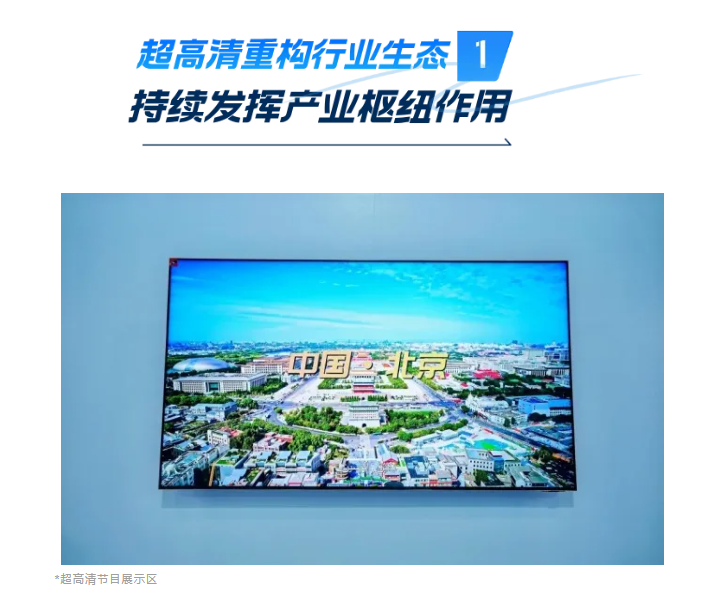
Core Viewpoint - The television industry is undergoing a transformation with the push for ultra-high-definition (UHD) content, which is expected to revolutionize the entire content ecosystem and attract viewers back to large screens [5][20]. Industry Evolution - Television has evolved from basic viewing to high-definition and now aims for ultra-high-definition, with a focus on delivering a more realistic viewing experience [5][16]. - The introduction of UHD technology is part of a broader trend in global video technology, indicating a significant shift in the content industry [5][20]. Market Trends - Television sales peaked in 2016 at 50.89 million units but are projected to decline to 30.86 million units by 2024 due to the rise of alternative viewing options and the complexity of traditional TV operations [7][8]. - The competition from IPTV and OTT services has driven improvements in video clarity, but the overall viewing experience has suffered due to complicated operations and advertising [8][14]. Content Development - The lack of UHD content has hindered the recovery of television sales, despite the hype around UHD technology [10][12]. - Future content will see a shift towards UHD, with all new dramas, documentaries, and network shows expected to be produced in UHD [20]. Technological Advancements - The UHD revolution is not just about improved picture quality; it also includes advancements in content creation and distribution methods, impacting various industries beyond entertainment [29][31]. - The infrastructure for UHD content delivery, including fiber networks and upgraded systems, is being prioritized to enhance user experience [23]. International Impact - China has made significant strides in UHD technology, achieving self-reliance in core standards and breaking the long-standing technological monopoly held by Western companies [31][35]. - The application of UHD technology at the 2024 Paris Olympics is set to showcase China's advancements on a global stage, providing 8K public signals for major events [33].

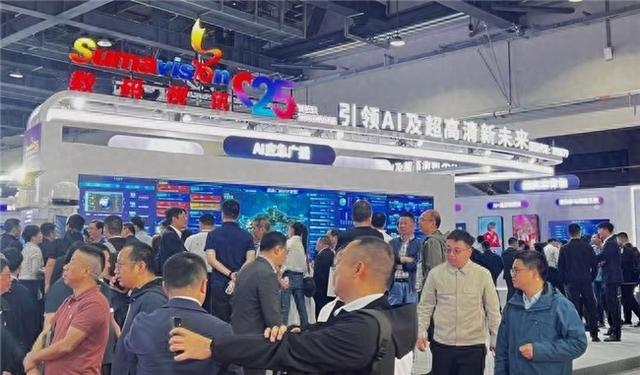
引领AI及超高清新未来 数码视讯CCBN2025
Bei Ke Cai Jing· 2025-04-23 09:27
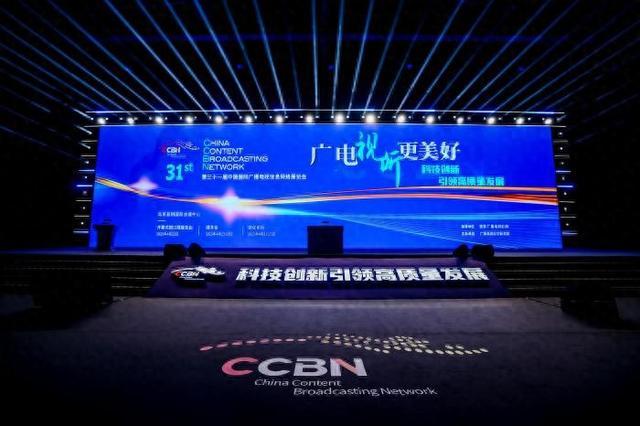
Core Viewpoint - The 31st China International Radio and Television Information Network Exhibition (CCBN2025) showcases advancements in AI, ultra-high definition (UHD), and broadcasting technologies, highlighting the role of digital vision in leading the future of AI and UHD [1][16]. Group 1: Company Innovations - Digital Vision launched the first AI Agent in broadcasting, designed for operational management in various broadcasting environments, utilizing a localized vertical model for comprehensive data collection and intelligent fault diagnosis [3]. - The company demonstrated its capabilities in the AI + UHD industry chain, emphasizing its role in filling industry gaps, establishing standards, promoting application innovation, and leading domestic equipment production [5]. - In the emergency safety sector, Digital Vision's AI emergency broadcasting solution gained significant attention, showcasing nationwide coverage and interactive features for enhanced user engagement [7]. Group 2: Product Offerings - The AI conference room system, Space Conference, integrates audio and video systems for intelligent management of meetings, including features like voice control and automatic meeting minutes generation [9]. - The company presented its extensive experience in emergency broadcasting, highlighting hundreds of implemented projects and a fully domestically controlled system from hardware to software [13]. Group 3: Market Impact - CCBN serves as a comprehensive platform for technology innovation and industry promotion, reflecting the evolving landscape of UHD and its integration with new information technologies across various sectors [16]. - The continuous advancement in UHD technology is expected to create significant market opportunities and growth potential for the company, driven by its commitment to independent innovation [16].

千万级规模!“超高清”正走进千家万户
Xin Lang Cai Jing· 2025-04-22 19:11
Group 1 - The 31st China International Radio and Television Information Network Exhibition (CCBN2025) opened in Beijing, focusing on the theme of "Technological Innovation Leading High-Quality Development" and showcasing breakthroughs in the ultra-high-definition (UHD) sector [1][3] - The launch of Beijing Satellite TV's 4K UHD channel and the initiation of a large-scale deployment of ultra-high-definition insertable micro set-top boxes signify that UHD is becoming accessible to households [1][3][8] Group 2 - UHD technology enhances the viewing experience by providing "details that reveal reality," with a resolution of 3840×2160, which is four times that of HD, and incorporates high frame rates, high dynamic range, and wide color gamut [3][5] - The application of UHD is driving profound changes in the broadcasting and television industry through technological upgrades, consumer upgrades, industry transformation, and policy support [5][6] - By the end of 2025, the National Radio and Television Administration plans for a significant increase in UHD content production, with new dramas and documentaries expected to achieve UHD standards [5][6] Group 3 - The deployment of ultra-high-definition insertable micro set-top boxes aims to address user pain points related to traditional set-top boxes, simplifying user operations and enhancing service quality [6][8] - The initiative is part of a broader strategy to improve user engagement and service quality in the broadcasting sector, with a notable increase in active users and a positive growth trend in cable TV subscriptions [6][8] - The collaborative efforts in policy, technology, content, and terminal development are expected to propel UHD from a stage of technical validation to large-scale application by 2025 [8]