
长时储能

Search documents
海辰储能达成1.5GWh储能合作!
起点锂电· 2025-11-07 09:14
Core Viewpoint - The article highlights the strategic partnership between Hai Chen Energy and El-Mor Renewable Energy to deploy a large-scale long-duration energy storage system in Israel, marking a significant milestone in the international expansion of long-duration energy storage solutions [2][3][4]. Group 1: Event Overview - The 2025 Solid-State Battery Industry Conference and the Golden Ding Award Ceremony will take place on November 8, 2025, at the Guangzhou Nansha International Convention Center, with an expected attendance of over 1,000 participants [2]. - The event will feature concurrent activities, including the CINE Solid-State Battery Exhibition and the 2025 Sodium Battery Industry Conference [2]. Group 2: Strategic Partnership - Hai Chen Energy has signed a strategic cooperation agreement with El-Mor Renewable Energy to deploy a total of 1.5GWh of long-duration energy storage systems in Israel, which includes a notable 1GWh photovoltaic and battery storage system project [3][4]. - The collaboration aims to support Israel's renewable energy integration and enhance grid stability, addressing the growing demand for energy storage solutions [3]. Group 3: Technology and Solutions - Hai Chen Energy will provide its self-developed ∞Power 6.25MWh 4-hour energy storage system as part of a comprehensive energy equipment package [4]. - The energy equipment package integrates various components, including battery containers, power conversion systems, and energy management systems, into a unified platform [4].


光热发电赋能国家能源战略|附中央企业光热业绩与发展历程
Sou Hu Cai Jing· 2025-10-29 08:36
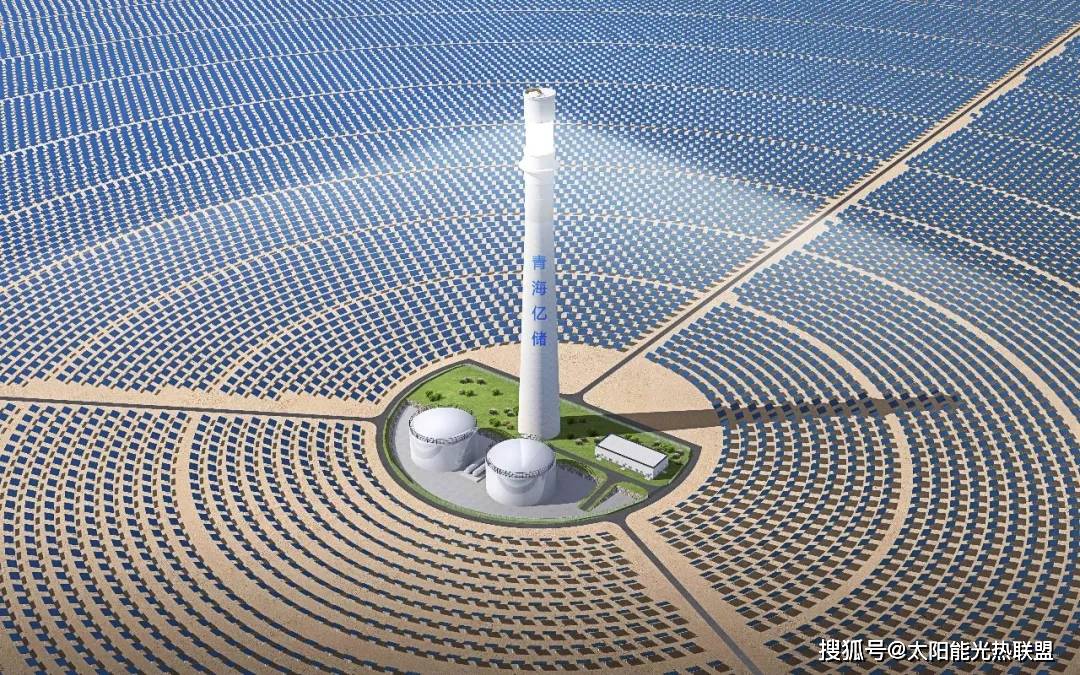
Core Insights - The Qinghai Yichu Geermu 350 MW tower solar thermal power project marks a significant advancement in solar thermal technology, featuring the world's largest single-unit scale, mirror field area, energy storage capacity, and annual designed power generation [1][2][19] - Solar thermal power is increasingly recognized as a crucial component of China's new energy system, aligning with national "dual carbon" goals and energy security strategies [3][19] Project Overview - The project will utilize innovative "three towers + three mirror fields + distributed energy storage" layout, addressing cost efficiency challenges in traditional solar thermal power plants [2][19] - It is expected to generate approximately 960 million kWh of clean electricity annually, sufficient to power 200,000 households [1] Technology and Advantages - Solar thermal power offers long-duration energy storage and flexible regulation, making it a stable and controllable renewable energy source compared to photovoltaic systems [3][5] - The energy storage system at the Geermu project can support continuous full-load power generation for 14 hours without sunlight, a scale difficult to achieve with most current electrochemical storage systems [5] Industry Development - The development of solar thermal power in China has been significantly driven by central enterprises, which have led technological advancements and commercial demonstrations since 2010 [6][9] - Major projects include the 150 MW Noor III in Morocco and the 50 MW Qinghai Gonghe project, showcasing the successful application of solar thermal technology [9][10] Future Outlook - The solar thermal power industry is expected to evolve towards higher efficiency, broader applications, and deeper industrial collaboration, with a target cost of 0.4 CNY per kWh by 2035 [14][17] - The technology is anticipated to expand beyond electricity generation to include industrial heating and hydrogen production, enhancing its role in decarbonization efforts [15][19]


简讯:海辰储能营收飙升 更新香港IPO申请
BambooWorks· 2025-10-28 08:45
Company Overview - Xiamen Hichain Energy Technology Co., Ltd. submitted an updated IPO application in Hong Kong, indicating strong growth momentum expected to continue into 2025 [2] - The company achieved revenue of 6.97 billion yuan (approximately 980 million USD) in the first half of the year, a year-on-year increase of 224.6% [2] - Gross profit surged over tenfold to 916 million yuan [2] Business Model and Market Position - Founded in 2019, the company is one of the leading manufacturers of energy storage systems (ESS) and complete equipment globally [2] - Hichain Energy offers customized energy storage products and solutions for diverse application scenarios, covering the entire industry chain from energy storage cells to integrated energy storage systems and end-to-end solutions [2] - The company is positioned to benefit from the explosive growth in energy storage demand and is the first Chinese enterprise to produce energy storage systems in the U.S. [2] Financial Performance - The company has achieved adjusted profitability since last year, with an adjusted net profit of 247 million yuan in the first half of this year, rapidly moving towards a positive net profit for the full year [2] Competitive Advantage - Hichain Energy has established a significant competitive edge through differentiated technology, particularly in the long-duration energy storage sector, where it holds a substantial lead [2] - The company emphasizes that it is the first globally to launch energy storage batteries with a capacity exceeding 1,000 ampere-hours [2] - Its large-scale production includes energy storage cells of 587 ampere-hours and 1,175 ampere-hours, forming a product matrix suitable for power and commercial scenarios [2] - Hichain Energy is also the first in the industry to achieve mass production of 314 ampere-hour energy storage batteries [2]
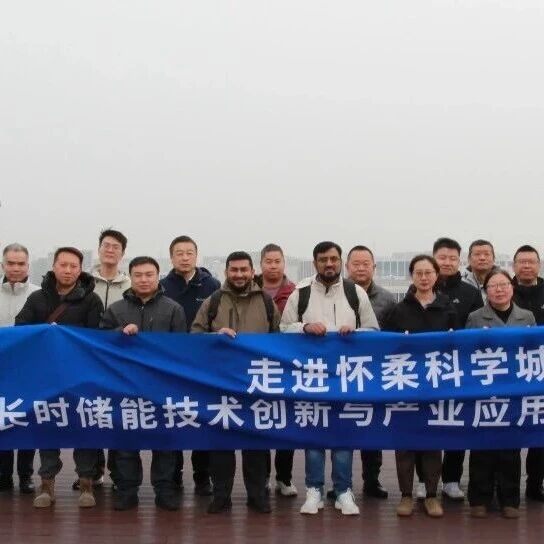
长时储能技术创新与产业应用深度交流沙龙成功举办
中关村储能产业技术联盟· 2025-10-28 08:26
Core Viewpoint - Long-duration energy storage is crucial for addressing the intermittency of renewable energy and ensuring energy security, especially in the context of China's "dual carbon" goals and the construction of a new power system [2][12][29] Group 1: Event Overview - The event titled "Exploring Huairou Science City: In-depth Exchange on Long-duration Energy Storage Technology Innovation and Industrial Application" was successfully held, gathering nearly 80 guests from research institutions and representative enterprises [2] - The event was co-hosted by the Huairou District Science and Technology Committee, the Zhongguancun Energy Storage Industry Technology Alliance, and the Beijing Huairou Science City Construction Development Co., Ltd. [2] Group 2: Key Insights from Leaders - Chen Haisheng, Director of the Institute of Engineering Thermophysics at the Chinese Academy of Sciences, emphasized the need for breakthroughs in core material performance and system integration costs in long-duration energy storage technologies [12] - Lan Xiongjing, Deputy Director of the Huairou Science City Management Committee, highlighted the achievements of Huairou Science City, which has produced 386 major scientific and technological results and is accelerating the cultivation of emerging industries such as new energy and new materials [14] - Wang Tianyi, Deputy Director of the Huairou District Science and Technology Committee, provided insights into the region's support for technological innovation and industrial integration [15] Group 3: Technical Reports - Zhou Xuezhi, a senior engineer at the Institute of Engineering Thermophysics, discussed the urgent need for long-duration energy storage solutions as renewable energy usage increases, analyzing various technologies like pumped storage, compressed air, and flow batteries [19] - Tong Lige, Secretary-General of the CNESA Thermal Energy Storage Professional Committee, reported on the rapid growth of thermal energy storage in China, with new installed capacity and power exceeding 5 GW and 26 GWh respectively over the past decade, and a projected 375% year-on-year increase in new installed capacity for 2024 [21] - Zhang Hui, Vice President of the China Datang Group Science and Technology Research Institute, shared the company's achievements in long-duration energy storage projects, with a total installed capacity of 3.597 GW and 8.666 GWh by September 2025 [23] Group 4: Collaborative Discussions - The discussion session focused on key issues such as core technology bottlenecks, policy support for the industry, application scenario expansion, and models for industry-academia-research collaboration [25] - Participants engaged in lively discussions on topics including the construction of compressed air storage projects, the application of flow battery technology, and the economic viability of thermal energy storage [25] Group 5: Future Directions - The successful hosting of this salon not only established an efficient platform for connecting research and industry but also fostered a consensus on the core directions for innovation and industrial development in long-duration energy storage [29] - The organizers aim to leverage the strategic scientific strengths of Huairou Science City to promote further technological breakthroughs, result transformation, and industrial cooperation, supporting the high-quality development of the long-duration energy storage industry [29]
澳大利亚Vast完成350万美元融资,加速30MW/10h光热项目落地
Sou Hu Cai Jing· 2025-10-14 01:53
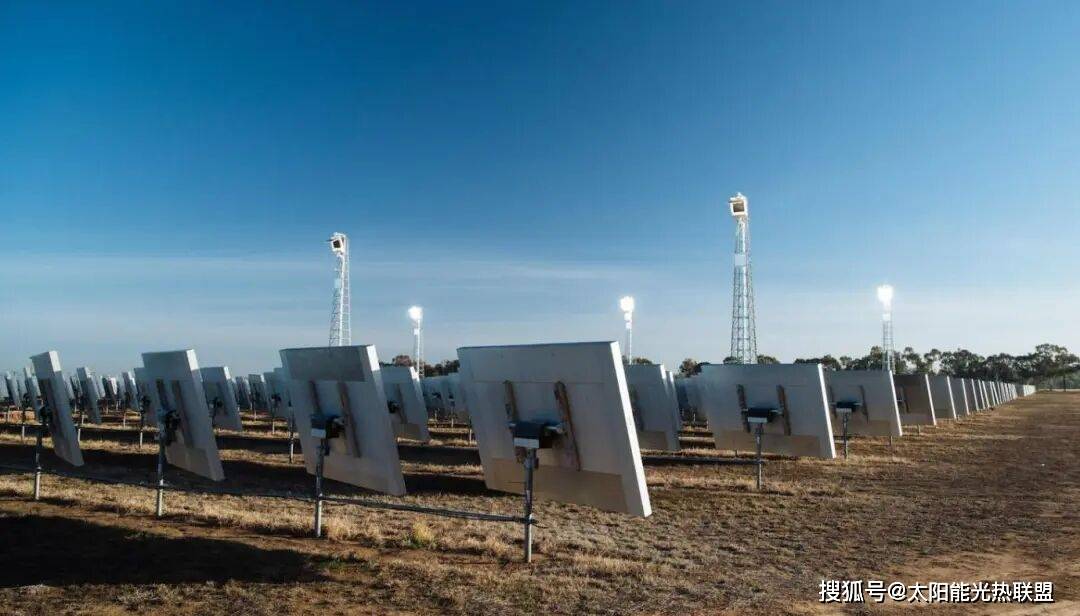
Core Insights - Vast Renewables successfully raised $3.5 million through convertible bond placement to support its Augusta Port green energy center and international project development [1][2] - The flagship project, Vast Solar 1 (VS1), is a 30MW solar thermal power plant utilizing proprietary CSP 3.0 technology, aiming for final investment decision by the end of 2025 [2][4] - The project has received significant funding support from the Australian government, totaling AUD 290 million, with AUD 180 million from ARENA [2][4] Group 1 - The financing reflects market recognition of Vast's differentiated CSP technology and its commercial maturity [2] - VS1 will feature a 10-hour thermal energy storage capability, addressing the intermittency issues of traditional renewable energy sources [2][4] - The Augusta Port green energy center will also include a 140MW/2h lithium-ion battery project, enhancing grid stability and responsiveness [4] Group 2 - The company plans to hold its annual general meeting on November 14, 2025, to review progress and share future development plans [4] - The successful financing indicates global capital market confidence in clean power and long-duration storage sectors amid energy transition [4] - CSP 3.0 technology offers scalable modular design and improved thermal efficiency, catering to diverse energy needs and supporting decarbonization in hard-to-abate sectors [6][7]
全球新能源大变局下,长时储能何以成为决胜关键|独家
24潮· 2025-10-12 23:09
Group 1 - The global energy transition towards "carbon neutrality" is accelerating, with cumulative installed capacity of wind and solar energy increasing from 645 GW in 2015 to 3,383 GW in 2024, a growth of 424.50% [2] - The share of wind and solar energy in global installed capacity rose from 10.3% in 2015 to 31% in 2023, with projections indicating that total installed capacity could exceed 4,000 GW by 2025 [2] - The cost of electricity generated from solar and wind has become significantly more competitive compared to coal and gas, driving the large-scale adoption of renewable energy [2] Group 2 - The challenge of energy consumption and storage is becoming a critical issue as renewable energy sources like wind and solar gain prominence, with energy storage seen as a key solution [3][4] - Current storage technologies, particularly long-duration storage, are insufficient, with the average storage duration in China being only 2.2 hours, while 4-hour and above storage systems account for only 15.4% of installed capacity [4] - Policies have been introduced to promote the development and application of long-duration storage technologies, including requirements for renewable energy projects to incorporate 4-hour storage capabilities [4][5] Group 3 - The National Energy Administration has set ambitious targets for new energy systems, aiming for a new storage capacity of over 180 million kW by 2027, with direct investments of approximately 250 billion yuan [5] - The action plan emphasizes the need for technological breakthroughs in long-duration storage to address the intermittency of wind and solar energy [5][6] - The demand for long-duration storage is expected to grow significantly, with projections indicating that by 2030, long-duration storage could account for 20% of total new storage capacity in China [9] Group 4 - The average storage duration in the U.S. is 3.3 hours, while in China it is 2.1 hours, highlighting the varying stages of development in different regions [14] - The International Long-Duration Energy Storage Council predicts that long-duration storage will become the most cost-effective flexibility solution as renewable energy penetration increases [14] - Various storage technologies, including hydrogen storage, pumped hydro, compressed air, and liquid flow batteries, are being explored for their suitability in long-duration applications [16][17] Group 5 - Initial investment costs for different storage technologies vary significantly, with lithium-ion batteries being the most cost-effective at 500 yuan/kWh, followed by compressed air at 1,250 yuan/kWh, and liquid flow batteries at 2,000 yuan/kWh [20][21] - The levelized cost of electricity (LCOE) for lithium-ion batteries is competitive with compressed air storage, indicating a shift in market dynamics [20][21] - As renewable energy generation increases, the limitations of 4-hour storage will necessitate the adoption of longer-duration storage solutions, with liquid flow batteries and compressed air storage expected to play a significant role [22][23]
“国家队”之外,第三方企业加速入局———9月源网侧新型储能项目分析
中关村储能产业技术联盟· 2025-10-11 10:44
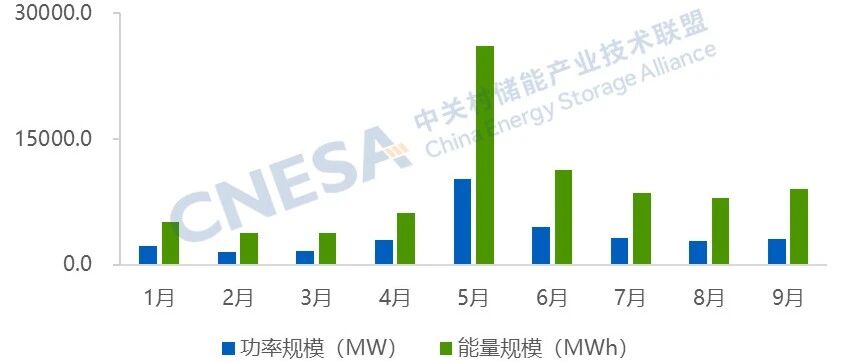
Core Insights - The article highlights a significant growth in the energy storage market, particularly in the source-network side, with a year-on-year increase of over 180% in September, and independent storage capacity rising nearly 340% [3][4]. Group 1: Market Overview - In September 2025, the newly installed capacity of energy storage projects reached 3.08 GW/9.08 GWh, marking a year-on-year increase of 166%/200% and a month-on-month increase of 7%/15% [4]. - The total installed capacity for the first three quarters of 2025 reached 9.16 GW/25.52 GWh, which is 74% of the total installed capacity for the entire previous year, indicating that 2025 is on track to exceed last year's figures [5]. Group 2: Source-Network Side Analysis - In September, the source-network side added 2.84 GW/8.50 GWh, with year-on-year growth of 189%/226% and month-on-month growth of 15%/21% [7]. - Independent storage accounted for over 80% of the new installations, with a capacity of 2.31 GW/6.73 GWh, reflecting a year-on-year increase of 340%/576% [8]. - The East China region contributed over 35% of the new installations, with Jiangsu province leading in capacity, where independent storage made up 99% of the new installations [11]. Group 3: Investment Trends - The market is witnessing a diversification of investment entities, with major state-owned power groups maintaining a leading position but experiencing a 10 percentage point decrease in market share compared to August [15][16]. - Third-party enterprises, including lithium battery manufacturers and private equity firms, accounted for nearly 40% of the new installed capacity, a significant increase of 28 percentage points from August [16]. Group 4: Technological Developments - Long-duration energy storage technologies are rapidly being implemented, with compressed air storage projects making up a quarter of the new installations in September [18]. - A mixed storage facility integrating multiple battery technologies, including liquid flow and sodium-ion batteries, has been successfully launched in Shanghai [19].
从拼价格到拼价值储能 产业进入关键转型期
Zhong Guo Zheng Quan Bao· 2025-10-10 23:59
Core Insights - The energy storage industry is undergoing a significant material revolution, transitioning from a lithium-dominated landscape to a diversified technological approach, particularly in long-duration energy storage, which is becoming essential for new power systems [1][2] - The industry is moving away from price wars and single technology reliance, entering a critical transformation phase characterized by technological diversification, improved market mechanisms, and multi-energy collaboration [2][4] Energy Storage Challenges - The primary challenge facing the energy storage sector is the insufficient duration of storage, which is crucial as renewable energy generation increases [2][3] - As renewable energy capacity exceeds 20%, a minimum of 4 hours of storage becomes necessary, and over 50% requires at least 10 hours of long-duration storage to address issues like renewable energy consumption and grid peak regulation [2] Material Innovations - Breakthroughs in materials are essential for enhancing energy storage performance and reducing costs, with innovations in positive and negative electrode materials being highlighted [3] - New methods such as the GCL-PHY process for preparing positive materials and the transition from traditional materials to silicon-carbon composites for negative materials are being developed [3] Industry Dynamics - The energy storage sector is shifting from price competition to value competition, driven by the integration of source, grid, load, and storage [4] - The current market dynamics are characterized by homogenization and prolonged investment recovery periods, necessitating stronger policy guidance and international cooperation to foster high-quality development [4] Multi-Energy Integration - The core value of energy storage lies in supporting renewable energy by addressing intermittency issues, thus enhancing its capacity and auxiliary service capabilities [5] - The industry is expected to see nearly a tenfold increase in installed storage capacity by 2030, with hydrogen energy also entering a phase of explosive growth [6] Future Outlook - The period of the 14th Five-Year Plan is anticipated to be a critical window for the development of energy storage and hydrogen energy, with a fundamental shift in the driving logic of these industries [6] - The future of energy storage will focus on building a multi-energy integrated ecosystem, accommodating diverse technological routes to meet complex demands [6]
从拼价格到拼价值 储能产业进入关键转型期
Zhong Guo Zheng Quan Bao· 2025-10-10 20:58
Core Insights - The energy storage industry is undergoing a significant material revolution, transitioning from a lithium-dominated landscape to a diversified technological approach, particularly in long-duration energy storage, which is becoming essential for new power system construction [1][2] Group 1: Challenges and Transformations - The energy storage sector is moving away from price wars and technological uniformity, entering a critical transformation phase due to the increasing share of renewable energy and the accelerated construction of new power systems [2] - The core challenge facing the industry is the insufficient duration of energy storage, with a call for long-duration storage as renewable energy generation exceeds 20% of total installed capacity [2][3] - Achieving 6-hour energy storage could effectively alleviate current issues related to renewable energy consumption and grid peak regulation [2] Group 2: Material Innovations - Breakthroughs in long-duration energy storage hinge on material innovations, balancing technical, economic, and safety aspects to enhance storage performance and reduce costs [3] - New methods for producing cathode materials, such as the GCL-PHY method, are emerging, which significantly lower costs and energy consumption while reducing dependency on chemical parks [3] Group 3: Industry Dynamics and Market Mechanisms - The industry consensus acknowledges that low-price competition has led to thin profit margins, hindering technological innovation [4] - The establishment of capacity pricing mechanisms and auxiliary service markets is expected to shift the focus from price competition to value competition, fostering new productive forces [4] - The current wave of homogenized competition in the energy storage sector is exacerbated by project planning, pricing policies, and technical limitations, which prolong investment recovery periods [4] Group 4: Multi-Energy Integration - The core value of energy storage lies in supplementing renewable energy, addressing intermittency issues of wind and solar power, and enhancing capacity support and auxiliary service capabilities [6] - Predictions indicate that by 2030, the installed capacity of energy storage could see nearly a tenfold increase, with the hydrogen industry also entering a phase of explosive growth [6] - The future of the energy storage industry is seen as a multi-trillion-dollar opportunity, emphasizing the need for a collaborative ecosystem that integrates various technologies to meet diverse demands [6]
从拼价格到拼价值储能产业进入关键转型期
Zhong Guo Zheng Quan Bao· 2025-10-10 20:57
Core Insights - The energy storage industry is undergoing a significant material revolution, transitioning from a lithium-dominated landscape to a diversified technological approach, particularly in long-duration energy storage, which is becoming essential for new power systems [1][2] - The industry is moving away from price wars and single technology reliance, entering a critical transformation phase driven by technological diversification, improved market mechanisms, and multi-energy collaboration [1][2] Long-Duration Energy Storage Challenges - The primary challenge facing the energy storage sector is insufficient storage duration, with a need for over 4 hours of storage when renewable energy generation exceeds 20% of total capacity, and over 10 hours when it surpasses 50% [2] - Breakthroughs in long-duration storage hinge on material innovations, balancing technical, economic, and safety aspects to enhance performance and reduce costs [2] Industry Internal Competition - Low-price competition has led to thin profit margins and stifled technological innovation, prompting a shift from price competition to value competition as market mechanisms mature [3] - Recommendations include strengthening policy guidance, market leadership, and technical support, alongside fostering international cooperation to escape the cycle of internal competition [3] Multi-Energy Integration - The core value of energy storage lies in supporting renewable energy by addressing intermittency issues, transitioning from merely providing energy to offering capacity support and ancillary services [3] - The integration of energy storage with hydrogen energy is accelerating, driven by the dual carbon goals and the need for a new power system [3][4] Future Growth Projections - The installed capacity of energy storage is expected to grow nearly tenfold by 2030, with the hydrogen industry also entering a phase of explosive growth [4] - The development of energy storage and hydrogen industries is entering a critical window, with a shift from isolated technology views to a collaborative, multi-energy ecosystem approach [4][5] Application and Infrastructure - Energy storage systems are becoming foundational to computational infrastructure, with predictions that by 2030, 95% of computational power will be inference-based, necessitating enhanced real-time balancing capabilities in the grid [5] - Companies are exploring integrated platforms for wind, solar, and storage solutions, particularly in regions like the Middle East, to capitalize on investment opportunities in the energy storage sector [5]