海绵城市

Search documents
泰瑞机器涨2.36%,成交额3662.56万元,主力资金净流入85.69万元
Xin Lang Cai Jing· 2025-09-24 03:17
Core Viewpoint - Tai Rui Machinery's stock price has shown a significant increase of 33.70% year-to-date, despite a recent decline of 1.01% over the past five trading days [2] Group 1: Stock Performance - As of September 24, Tai Rui Machinery's stock rose by 2.36%, reaching 10.83 CNY per share, with a total market capitalization of 3.177 billion CNY [1] - The stock has experienced a 9.73% increase over the past 20 days and a 13.88% increase over the past 60 days [2] - The company has appeared on the trading leaderboard once this year, with a net buy of -16.6366 million CNY on March 27 [2] Group 2: Financial Performance - For the first half of 2025, Tai Rui Machinery reported a revenue of 584 million CNY, reflecting a year-on-year growth of 1.16%, while the net profit attributable to shareholders was 56.3973 million CNY, up by 27.09% [3] - The company has distributed a total of 384 million CNY in dividends since its A-share listing, with 133 million CNY distributed in the last three years [4] Group 3: Shareholder Information - As of September 10, the number of shareholders increased by 9.60% to 15,600, while the average circulating shares per person decreased by 8.76% to 18,751 shares [3] - New institutional shareholders include Bo Dao Yuan Hang Mixed A and Bo Dao Cheng Zhang Zhi Hang Stock A, among others, which have entered the top ten circulating shareholders [4]

着力建设安全可靠的韧性城市(现代化人民城市这样建·韧性)
Ren Min Ri Bao· 2025-09-18 21:45
Group 1: Housing Safety Improvement in Xuzhou - Xuzhou has enhanced housing safety by utilizing housing provident fund returns to finance the repair of old buildings, addressing funding challenges faced by older communities [1][2] - The city has implemented a pilot program for comprehensive safety management of old buildings, including insurance coverage for structural failures and regular inspections by third-party agencies [2][3] - A total of 1,225 multi-owner residential buildings built before 2002 have been insured for old building safety, with an insurance amount of 7.5 million yuan [3] Group 2: Urban Safety Initiatives in Hefei - Hefei has initiated urban lifeline safety engineering projects, utilizing advanced monitoring technology to prevent damage to underground utilities during construction [4][5] - The city has developed a comprehensive data platform covering 170,000 kilometers of underground pipelines and 1,230 square kilometers of above-ground structures for real-time monitoring [5] Group 3: Sponge City Concept in Jiujiang - Jiujiang is implementing the sponge city concept to improve urban drainage and flood control, integrating natural water management solutions into urban planning [6][7] - The city has established regulations to promote sponge city construction, focusing on source prevention and ecological methods [8] Group 4: Disaster Prevention and Emergency Response in Zaozhuang - Zaozhuang has developed a smart AI platform for flood prevention, providing real-time alerts and facilitating emergency response through data analysis [9][10] - The city has established 73 emergency rescue points to ensure rapid response capabilities, aiming for full coverage across communities by the end of the year [10][11]
首创环保跌2.10%,成交额2.87亿元,主力资金净流出1029.77万元
Xin Lang Cai Jing· 2025-09-18 03:31
Core Viewpoint - The stock of Beijing Capital Eco-Environment Protection Group Co., Ltd. (首创环保) has experienced fluctuations, with a current price of 3.26 CNY per share and a market capitalization of 23.93 billion CNY, reflecting a year-to-date increase of 4.82% [1] Financial Performance - For the first half of 2025, the company reported a revenue of 8.731 billion CNY, a year-on-year decrease of 4.41%, while the net profit attributable to shareholders was 929 million CNY, showing a year-on-year growth of 1.45% [2] - Cumulative cash dividends since the company's A-share listing amount to 11.075 billion CNY, with 2.936 billion CNY distributed over the past three years [3] Shareholder Structure - As of June 30, 2025, the number of shareholders is 161,900, a decrease of 3.92% from the previous period, with an average of 45,339 circulating shares per shareholder, an increase of 4.08% [2] - The second-largest circulating shareholder is Hong Kong Central Clearing Limited, holding 140 million shares, a decrease of 25.02 million shares from the previous period [3] Stock Trading Activity - On September 18, the stock saw a net outflow of 10.2977 million CNY in principal funds, with significant buying and selling activity recorded [1]

“空中荒地”变“生态绿园”,福田街道焕新老旧小区楼顶
Nan Fang Du Shi Bao· 2025-09-18 01:42
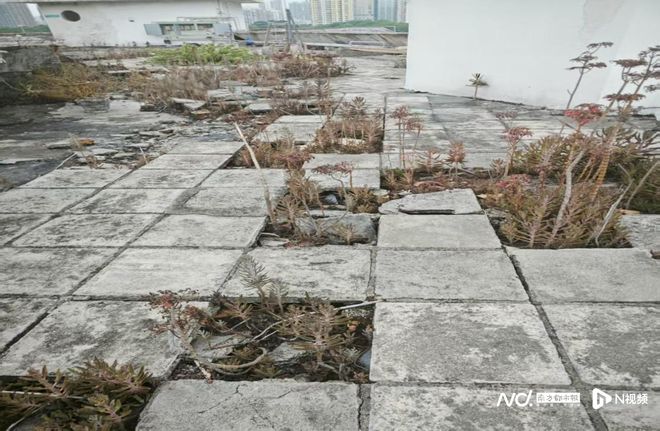
南都讯 记者林敏儿 通讯员袁鑫悦 李君彦 福田街道作为深圳核心城区,30米以下老旧建筑占比超60%, 老旧小区楼顶普遍存在隔热差、积水漏水和杂乱荒芜等问题,极大程度影响顶层住户的生活质量,但缺 管理、缺经费又导致问题迟迟无法解决。近日,福田街道执法队联合社区、物业以及居民代表通过创新 应用"免维护、轻改造、低荷载"生态技术,在福滨新村4栋成功共建一片屋顶绿化空间。该项目以"零荷 载威胁、低维护成本"为核心优势,为深圳高密度城区既有建筑立体增绿提供可复制样板。 破题老旧小区:楼顶的"绿色逆袭" 荒芜、杂乱、破旧,这是大多数的老旧建筑楼顶给人带来的第一印象,如何盘活楼顶这一片潜力巨大的 空间,"绿色"不失为一种全方面兼顾的选择。当居民们踏上改造后的楼顶,眼前的景象彻底颠覆了他们 对"空中荒地"的认知——立体绿毯自然舒展,原先斑驳开裂的防水层已被充满生命力的绿色覆盖,整个 楼顶仿佛盖上了一件会呼吸的生态毯。这场"绿色逆袭"带来的改变肉眼可见:室内温度较改造前平均下 降5℃-8℃、常见的渗水痕迹消失了。改造后的屋顶与福田中心区现代化楼宇的空中花园形成巧妙呼 应,为老旧社区镶嵌上充满生机的"绿色宝石"。 改造前的楼顶环 ...

生态优先,恢复河流的生命力
Zhong Guo Huan Jing Bao· 2025-09-17 07:05
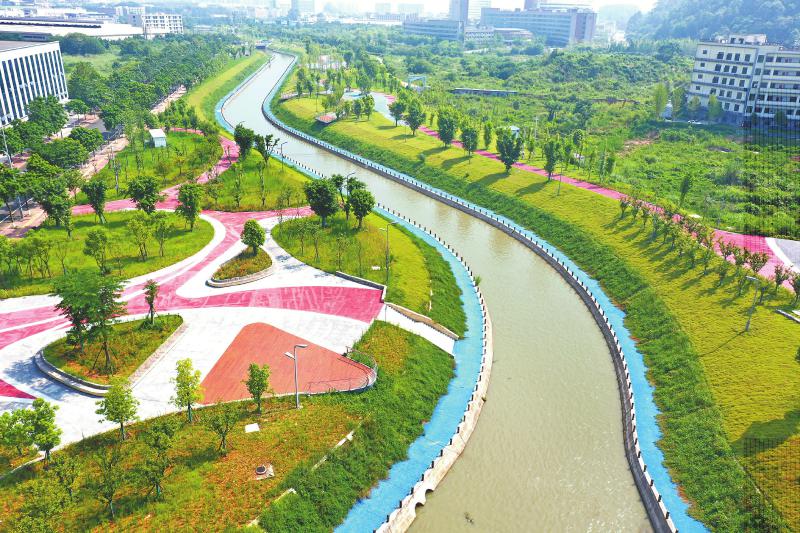
Core Viewpoint - The article emphasizes the need for restoring urban rivers to their natural state, highlighting the ecological and social importance of such restoration efforts [1][2] Group 1: Current State of Urban Rivers - Many urban rivers have been altered for modernization, losing their natural flow and ecological functions due to concrete encasements and channelization [1] - These changes have led to a decline in water self-purification abilities, loss of aquatic habitats, and disconnection from surrounding ecosystems [1] Group 2: Restoration Strategies - Restoration should not merely involve dismantling existing structures but should adopt systematic and ecological methods to revive river vitality [1] - Key strategies include creating diverse river conditions with deep pools, shallow areas, and varied flow rates, as well as using natural materials for riverbed restoration [1][2] - Planting native vegetation along riverbanks to create multi-layered green belts that filter pollutants and stabilize soil is essential [1][2] Group 3: Integrated Urban Planning - A shift from "engineering-first" to an ecology-first approach is necessary for effective river management [2] - Urban planning should allocate sufficient ecological space for rivers and prioritize the restoration of severely degraded sections [2] - Incorporating "sponge city" concepts can enhance urban rainwater management, reducing flood impacts and providing stable ecological flows to rivers [2] Group 4: Community Engagement and Education - River restoration should be part of broader urban ecological civilization efforts, involving public participation and environmental education [2] - Initiatives like ecological monitoring, public water activities, and educational exhibits can raise awareness and foster respect for water ecosystems [2]
治理城市积水内涝 “海绵城市”如何更具“弹性”?
Yang Shi Xin Wen· 2025-09-07 06:43
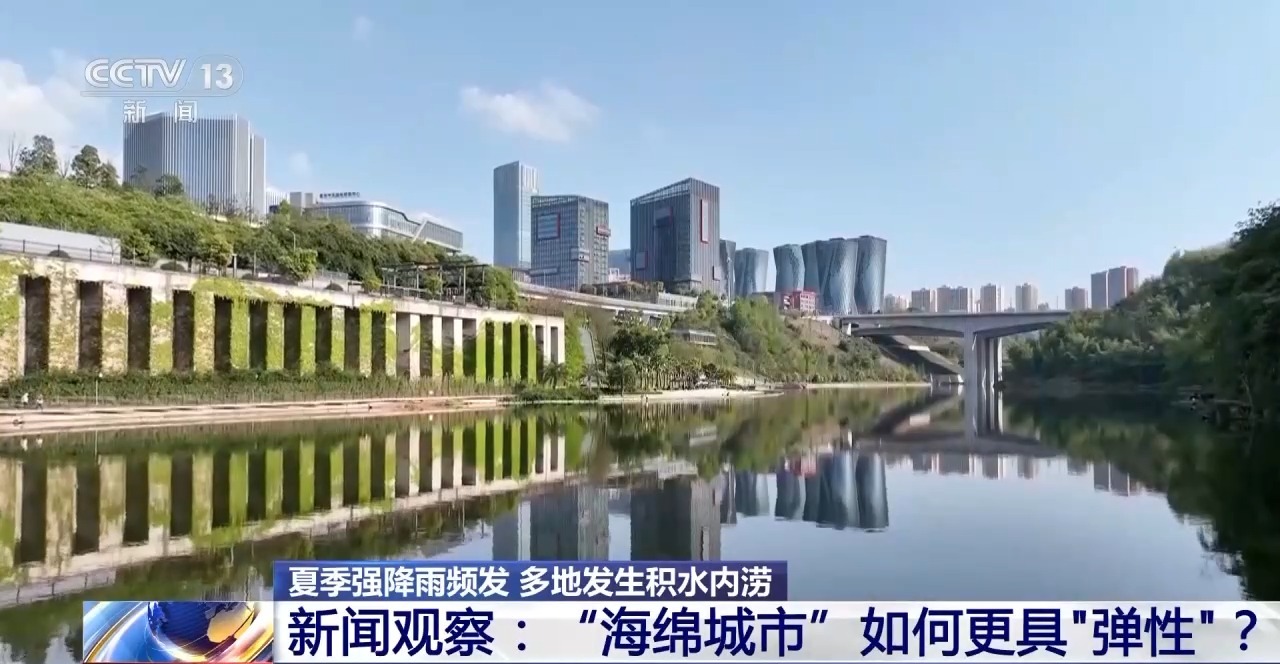
我国近年来不断加快推进海绵城市建设,不过夏季强降雨发生时,积水内涝还是时有发生,这是什么原因?海绵城市又有哪些升级改进的空间? 2015年以来,我国不断加快推进海绵城市建设,目前已在90个城市开展海绵城市建设试点和示范工作。海绵城市建设,顾名思义,就是通过一系列措施让城 市像一块海绵一样,有效地吸纳、收集雨水并加以利用,在减轻城市排水压力的同时,通过对雨水的资源化利用,节约水资源。 中国城市规划设计研究院副总工程师 王家卓:海绵城市我们经常提到六个字"渗、滞、蓄、净、用、排"。首先促进雨水的下渗,滞就是缓排,慢点排,别 一起排,净化利用,最后超出的部分再排走,这样减少了雨水齐步排对管网造成的压力。 专家表示,虽然海绵城市建设不断在加快。而近年来,我们不少城市面对的是极端短时强降雨和极端暴雨,应对的是超过设计规划的降雨量。这种情况下, 就很容易导致区域内排涝系统难以在短时间内排出雨水。 上海市政工程设计研究总院总工程师 张辰:我们现在降雨的时空分布极不均匀,极端降雨会频发而且往往超过了标准。海绵体可以吸饱水,但更多的水落 在海绵体上,海绵上面是不是会积水。 同时,面对极端天气增加、城市积水压力增大的情况,以往中 ...
加快建设现代化城市,乐山做好城市更新“加减法” “菜篮子”变讲究,城市地面“会呼吸”
Si Chuan Ri Bao· 2025-08-28 07:36
Core Viewpoint - The city of Leshan is actively implementing urban renewal projects, focusing on improving public facilities and enhancing the quality of life for residents through the "Four Publics and One Agriculture" initiative, which includes parks, public toilets, bus stations, public parking lots, and agricultural markets [5][8]. Group 1: Urban Renewal Projects - Leshan has completed the renovation of 76 agricultural markets, significantly improving the shopping experience for residents, with new markets being clean and organized [8]. - The "Four Publics and One Agriculture" initiative has seen a total investment of approximately 1 billion yuan, with plans to implement 883 urban renewal projects over three years, including the construction and upgrading of 146 agricultural markets and the addition of 9,500 public parking spaces [8][10]. - The city is also focusing on enhancing urban infrastructure, with projects like the Spring Creek Park, which will include an underground parking lot and various recreational facilities, expected to open in 2026 [8]. Group 2: Traffic Improvement Initiatives - Leshan is addressing traffic congestion issues by implementing the "Leshan Main Urban Area Traffic Relief and Smoothness Planning," which includes a project library for annual implementation [10][11]. - Key projects such as the Jiang Road Bridge and Tiger Head Mountain "micro-circulation" have been completed, improving regional traffic flow [10]. - Future plans include constructing a "grid + ring" efficient road network to optimize traffic flow and reduce congestion during peak hours, potentially saving commuters 15-20 minutes [11]. Group 3: Environmental and Ecological Projects - The city is integrating "sponge city" concepts into urban planning, focusing on ecological restoration and water management in parks like the Fish Bay Park, which will serve as a flood storage area during heavy rains [12]. - Projects will include features such as permeable pavements and ecological banks to enhance urban resilience against flooding [12]. - The overall strategy aims to create a comprehensive flood control and drainage system, utilizing the local river systems to manage stormwater effectively [12].
北方暴雨频发,多地突发山洪 对话水文专家徐宗学:防洪何以“为水让路”
Mei Ri Jing Ji Xin Wen· 2025-08-26 16:27
Core Viewpoint - The recent extreme weather events, particularly the flash floods in Inner Mongolia, highlight the urgent need for a robust disaster prevention system in the face of increasing rainfall and flooding in traditionally arid northern regions [1][2]. Group 1: Flood Risk Characteristics - Northern cities are experiencing unprecedented rainfall, which, while appearing abnormal, aligns with historical hydrological cycles, indicating a shift from drought to a period of increased precipitation since 2012 [2]. - The distribution of this year's rainfall has been more regional and scattered, affecting areas that are not adequately covered by existing flood prevention measures [2][3]. Group 2: Flood Prevention Strategies - The concept of "giving way to water" is emphasized, suggesting the construction of sunken parks and artificial lakes to serve as temporary flood retention areas during extreme weather events [1][4]. - A call for enhanced public education on flood risks and disaster preparedness is made to improve societal awareness and response capabilities [1][4]. Group 3: Evolution of Flood Management - The flood management system in China has evolved significantly since the 1998 Yangtze River floods, with a focus on large rivers initially, followed by attention to smaller rivers and urban flood management in recent years [4][5]. - The "sponge city" concept has been developed to integrate urban water management systems, but it is acknowledged that it has limitations in extreme weather scenarios [5][6]. Group 4: Infrastructure and Standards - Current urban flood prevention standards are fragmented across different departments, leading to inconsistencies in flood management strategies [7][8]. - The reduction of natural water retention areas due to urban development has exacerbated flood risks, necessitating a reevaluation of urban planning and flood management practices [7][8]. Group 5: Community Involvement and Awareness - Public participation in flood prevention, such as clearing drainage systems and preparing emergency supplies, is crucial for mitigating small-scale flooding [12][13]. - There is a need for increased public awareness regarding flood risks, particularly in northern regions where such events are less frequent, to prevent tragedies like the recent flash flood incident [12][13][14].
北方暴雨频发,多地突发山洪,防洪何以“为水让路”
Hu Xiu· 2025-08-23 07:40
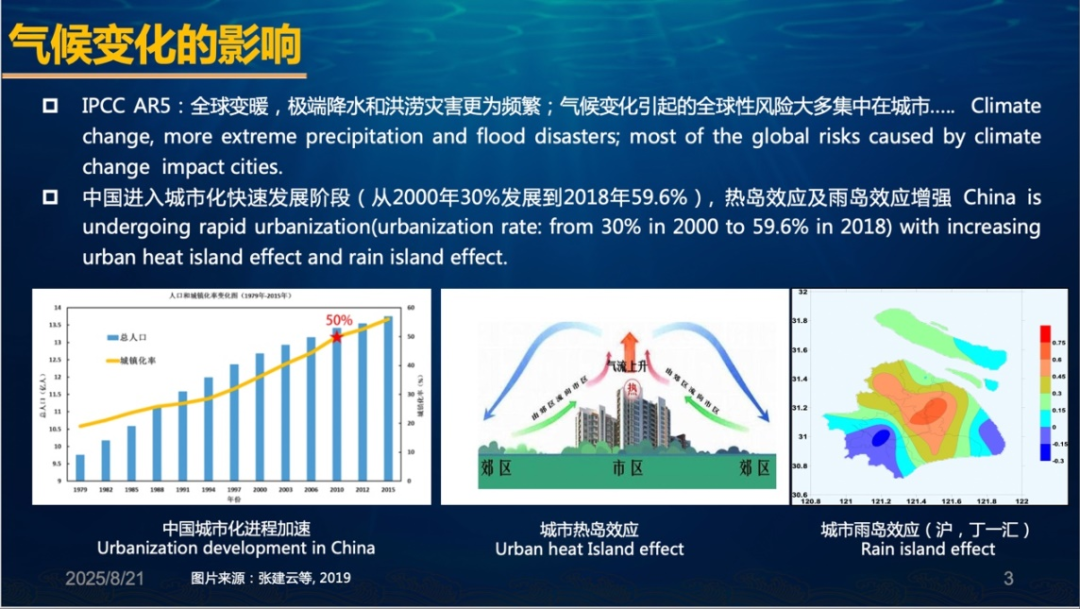
Core Viewpoint - The article discusses the increasing frequency of extreme weather events, particularly heavy rainfall in northern China, and emphasizes the need for a more effective flood prevention system that incorporates the concept of "giving way to water" [1][3]. Group 1: Flood Prevention Strategies - Xu Zongxue suggests creating sunken parks, green spaces, and artificial lakes as temporary flood retention areas during extreme rainfall events [3]. - The article highlights the importance of enhancing public education on flood prevention and risk awareness to improve societal preparedness for flood disasters [3][35]. Group 2: Characteristics of Recent Flooding - Northern cities are experiencing unprecedented heavy rainfall, which is characterized by its widespread and irregular occurrence, differing from past patterns [5][6]. - The areas most affected by flooding are often those that have not been adequately addressed by existing flood prevention systems, indicating weaknesses in current infrastructure [6]. Group 3: Historical Context and Evolution of Flood Management - Since the 1998 Yangtze River floods, significant investments have been made in flood management, focusing initially on major rivers and later shifting towards smaller river systems [8][9]. - The concept of "sponge cities" was introduced post-2012 to enhance urban flood management capabilities, integrating various urban water systems [10][13]. Group 4: Urban Planning and Infrastructure - Urban planning must consider regional differences in climate and hydrology, with tailored solutions for northern and southern cities [17][18]. - The article advocates for restoring natural water retention areas that have been lost due to urban development, which is crucial for improving flood resilience [22][23]. Group 5: Public Awareness and Community Involvement - The article stresses the need for increased public awareness regarding flood risks, particularly in areas that have historically been considered safe [7][36]. - Community efforts, such as clearing drainage systems and preparing emergency supplies, can significantly mitigate the impact of flooding [34][37]. Group 6: Limitations of Current Flood Management Approaches - The article points out that current flood management standards are inconsistent across different departments, leading to potential vulnerabilities in urban flood defenses [22]. - It emphasizes that while "sponge cities" can manage typical rainfall, they are not sufficient for extreme weather events, necessitating emergency response plans [14][38].
北方暴雨频发,多地突发山洪!对话水文专家徐宗学:防洪何以“为水让路”
Mei Ri Jing Ji Xin Wen· 2025-08-23 05:24
Core Viewpoint - The recent tragic event in Inner Mongolia highlights the urgent need to improve disaster prevention systems in the face of extreme weather, particularly in northern regions that are traditionally less prone to heavy rainfall [1][2]. Group 1: Flood Prevention Strategies - Xu Zongxue emphasizes the importance of creating temporary flood retention areas through urban renewal and village renovations, such as sunken parks and artificial lakes, to manage extreme rainfall [2][3]. - The current flood prevention system in northern cities has significant weaknesses, particularly in areas not covered by major river protections or sponge city initiatives [3][4]. Group 2: Historical Context and Evolution of Flood Management - Since the 1998 Yangtze River flood, China has invested heavily in flood management, focusing initially on major rivers and later shifting to smaller river systems over the past decade [5][7]. - The concept of sponge cities has evolved to integrate urban water management systems, addressing both common rainfall and extreme flooding events [11][12]. Group 3: Public Awareness and Preparedness - Public education on flood risks and safety measures is crucial, especially in light of recent tragedies caused by flooding in areas where people underestimated the risks [22][23]. - Community efforts, such as clearing drainage systems and preparing emergency supplies, can significantly mitigate the impact of minor flooding events [22][23]. Group 4: Technical and Infrastructure Recommendations - There is a need for a unified standard for flood management across different governmental departments to improve coordination and effectiveness [17][18]. - Enhancing urban drainage capacity, increasing floodwater retention areas, and utilizing green infrastructure are essential strategies for improving urban resilience against flooding [19][20].