
社会主义核心价值观

Search documents
健全协同育人机制 共促养成良好品行
Ren Min Ri Bao· 2025-12-15 22:20
Core Viewpoint - The construction of moral education for minors is a strategic and foundational task crucial for the long-term development and stability of the country, emphasized by Xi Jinping's directives on fostering a healthy growth environment for minors [1][4]. Group 1: Importance of Moral Education - Xi Jinping highlights the necessity of implementing the fundamental task of moral education and establishing a collaborative education mechanism among schools, families, and society [1]. - The importance of instilling a correct worldview, outlook on life, and values during the youth stage is underscored, as it lays the foundation for good character development [1][4]. Group 2: Role of Schools and Teachers - Schools are urged to take primary responsibility for moral education, integrating ideological and political education into all subjects to ensure that every lesson imparts both knowledge and moral values [2]. - Teachers are seen as key figures in disseminating knowledge and values, and they are expected to embody integrity and serve as role models for students [2]. Group 3: Family Influence - The family is recognized as the first school, with parents being the first teachers, emphasizing the importance of parental guidance in shaping children's moral values and behavior [3]. - The transmission of traditional family virtues and the establishment of a positive family culture are essential for nurturing good habits and moral character in children [3]. Group 4: Social Responsibility and Engagement - Engaging in social practices and activities is highlighted as a vital component of education, helping students develop a sense of responsibility towards society and the nation [4]. - The integration of public cultural resources and red educational resources is encouraged to enhance the effectiveness of social education for minors [4].
凝聚合力立德树人 持之以恒培根铸魂——习近平总书记重要指示为未成年人思想道德建设指明方向注入动力
Xin Hua She· 2025-12-15 16:13
Core Points - The article emphasizes the importance of moral education for minors as directed by General Secretary Xi Jinping, highlighting the need for a collaborative effort to create a supportive environment for their healthy growth [1][2][3][4] - Various local officials and educators express their commitment to implementing Xi's directives, focusing on integrating socialist core values into education and fostering a strong sense of national identity among minors [2][3] Group 1: Importance of Moral Education - Xi Jinping's directives serve as a guiding principle for enhancing the moral education of minors, emphasizing the need for a strategic and foundational approach [1][2] - The establishment of over 1,200 practical teaching bases for ideological and political education in schools aims to integrate core socialist values into the educational framework [2] Group 2: Collaborative Efforts - Local governments and educational institutions are encouraged to strengthen organizational leadership and collaboration to create a conducive environment for minors' growth [3][4] - Initiatives such as "revolutionary site classes" and community-based educational activities are being implemented to instill values and ideals in young people [2][3] Group 3: Family and Community Involvement - The significance of good family values in the moral development of minors is highlighted, with calls for enhanced family education initiatives [2][4] - Community organizations and educational bodies are urged to work together to provide comprehensive support for minors, including mental health services and legal protections [4]
以志愿服务汇聚光和热
Ren Min Ri Bao· 2025-12-14 22:30
《 人民日报 》( 2025年12月15日 05 版) (责编:杨光宇、胡永秋) "努力在服务国家战略、服务百姓民生、服务社会治理中传递真善美,传播正能量,为强国建设、民族 复兴伟业贡献志愿服务力量。"不久前,习近平总书记致信祝贺中国志愿服务联合会第三届会员代表大 会召开,殷殷嘱托,激励无数投身志愿服务事业的普通工作者接续奋斗、再谱新篇。 以志愿服务提升社会文明水平,弘扬主流价值。志愿服务,发乎爱心,成于奉献,本身就传递着"己立 立人,己达达人"的价值追求。第十五届全运会上,2950名"小海豚"志愿者用饱满热情护航赛事活动顺 利进行,也成为感染无数观众的文明榜样;在湖北黄冈,"东坡骑爱"志愿骑手既是送餐员也是文化使 者,向需要帮助的市民和游客伸出援手,化作城市亮丽的文明景观。一抹抹"志愿红",将社会主义核心 价值观润物无声地融入社会肌理,激发出全社会向上向善的强大正能量。 "十五五"规划建议提出:"发展志愿服务,加强志愿服务组织管理。"面向未来,大力弘扬奉献、友爱、 互助、进步的志愿精神,充分发挥志愿服务的感召力、动员力,点滴奉献必将汇成人间大爱,照亮我们 的美好生活,为推进中国式现代化提供有力支撑。 据统计 ...
善意助人发生意外,检察办案平衡法理情
Ren Min Wang· 2025-12-11 00:59
Core Viewpoint - The case highlights the importance of balancing legal accountability with the recognition of good Samaritan actions, emphasizing the need for a nuanced approach in handling incidents arising from acts of kindness [1][4]. Group 1: Incident Overview - On May 31, 2024, Yang, while driving an electric tricycle, offered a ride to two villagers, leading to an accident that resulted in severe injuries and one fatality [2]. - The accident occurred when Yang attempted to avoid another vehicle, causing the tricycle to overturn, resulting in injuries to all three individuals involved [2]. Group 2: Legal Proceedings - The local prosecutor's office engaged in a thorough review of the case, including gathering evidence and expert opinions to establish the causal relationship between the accident and the victim's death [3]. - Yang's lack of prior criminal record, cooperation with authorities, and expressions of remorse were significant factors in the legal assessment of the case [3][4]. Group 3: Judicial Approach - The prosecutor's office organized a public hearing to discuss the case, involving various community stakeholders to ensure a comprehensive understanding of the incident and its implications [5][6]. - The hearing concluded with a recommendation for non-prosecution, recognizing Yang's actions as stemming from a place of goodwill, which aligns with the core socialist value of "friendliness" [6][8]. Group 4: Community Impact - Following the case, the prosecutor's office collaborated with traffic authorities to address safety issues related to electric tricycles in rural areas, aiming to enhance community awareness and promote safe driving practices [7].
郭美美、王子柏、谢孟伟被点名!央视曝光劣迹网红账号被查处细节
新浪财经· 2025-12-07 07:48
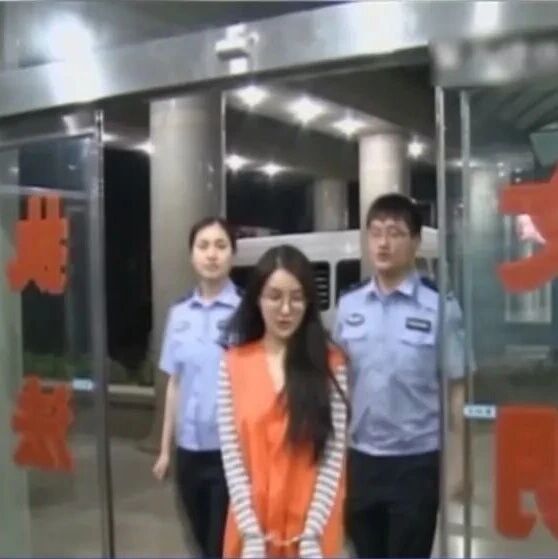
Core Viewpoint - The article discusses the recent actions taken by the Central Cyberspace Administration of China against internet celebrities like Guo Meimei and Wang Zibai for promoting negative values such as wealth flaunting, tax evasion, and selling counterfeit goods, highlighting the need for stricter regulations and enforcement in the online space [2][12][18]. Group 1: Guo Meimei's Case - Guo Meimei, known as an early internet celebrity, gained fame in 2011 for flaunting wealth under a false identity and has been imprisoned twice for various crimes, including operating illegal gambling and selling harmful food products [4][6][7]. - After her release in September 2023, Guo continued her previous behavior of flaunting wealth online, leading to her account being banned again in November 2025 for promoting negative values [9][12]. - Experts suggest that platforms should implement stricter measures to prevent individuals with a history of misconduct from easily returning to the online space [11][18]. Group 2: Wang Zibai's Case - Wang Zibai, another internet celebrity, has a history of promoting wealth flaunting and selling counterfeit goods, and has been caught evading taxes amounting to 7.49 million yuan, resulting in a total penalty of 13.3 million yuan [16][17]. - Despite his past offenses, Wang has repeatedly changed his online identity to return to the platform, where he continued to promote a lavish lifestyle and mislead followers into purchasing fake products [12][14]. - The article emphasizes the need for platforms to enforce stricter registration processes to prevent individuals with a criminal record from re-entering the online market [20][34]. Group 3: Regulatory Recommendations - Experts advocate for a multi-departmental approach to establish a joint enforcement mechanism to address illegal activities by internet celebrities, aiming to create a cleaner online environment [32][34]. - There is a call for improved coordination between regulatory bodies, such as the Cyberspace Administration and tax authorities, to conduct targeted enforcement actions against tax evasion and other illegal behaviors [34]. - The new cybersecurity law, effective January 1, 2024, increases penalties for online operators who fail to manage harmful content, raising the maximum fine from 1 million yuan to 10 million yuan [30].

努力创造高品质生活——六论学习贯彻省委十四届十次全会精神
Xin Hua Ri Bao· 2025-12-05 23:41
Group 1 - The core focus of the article is on creating a high-quality life as a key deployment in the context of the "14th Five-Year Plan" and the planning of the "15th Five-Year Plan," emphasizing a people-centered development approach to enhance public welfare and promote common prosperity [1] - The foundation for a high-quality life is solid economic and social development, with the province achieving steady progress during the "14th Five-Year Plan" despite complex challenges, thereby providing a strong basis for public welfare [1] - The article highlights the importance of addressing diverse and refined public demands, including education, healthcare, elderly care, employment, and housing, to enhance the sense of gain, happiness, and security among the populace [1] Group 2 - Common prosperity is deemed a necessary requirement for a high-quality life, necessitating equitable distribution of development benefits to all citizens to achieve genuine improvement in living standards [2] - The article calls for accelerating agricultural modernization and reducing urban-rural disparities, alongside promoting regional coordinated development to ensure all citizens share in the benefits of modernization [2] - It emphasizes the need for spiritual and ecological dimensions of high-quality living, advocating for cultural enrichment and ecological sustainability as integral components of overall quality of life [2] Group 3 - The realization of a high-quality life is supported by effective governance, which includes deepening reforms, optimizing service processes, and enhancing service efficiency to make it easier for citizens to address their needs [3] - The article stresses the importance of a robust policy implementation mechanism to ensure that public welfare measures are effectively executed and meet the expectations of the populace [3] - It concludes that creating a high-quality life is a practical manifestation of the "people first" philosophy and a necessary requirement for advancing modern practices in Jiangsu, urging the integration of the conference spirit into every aspect of public welfare improvement [3]
学习新语|这些书信,饱含总书记对志愿者的殷切期望
Xin Hua She· 2025-12-04 15:13
Core Points - The articles emphasize the importance of volunteerism in promoting social progress and contributing to national development, particularly in the context of Chinese-style modernization [1][2][3] - There is a call for various demographics, including youth and the elderly, to engage in volunteer activities that support national strategies and improve community welfare [3][4][6] - The significance of environmental protection and sustainable practices is highlighted, with specific mentions of water conservation and waste classification initiatives [6][7] Group 1 - The articles convey a strong message of hope for volunteers to actively participate in the modernization efforts of China, emphasizing the need to spread positivity and contribute to national rejuvenation [2][3] - The Chinese Volunteer Service Federation, established in December 2013, plays a crucial role in promoting volunteerism across the country, with its third member representative conference scheduled for November 2025 [2] - The letters from various volunteer groups reflect a commitment to serve in areas where they are most needed, showcasing the dedication of youth and elderly volunteers alike [3][4][6] Group 2 - Environmental volunteers are encouraged to promote water conservation and create a harmonious relationship between humans and nature, contributing to ecological civilization [6] - The importance of waste classification as a new trend in low-carbon living is underscored, with volunteers urged to lead community efforts in this area [7] - The articles also highlight the role of educational volunteers in disseminating Marxist theory and promoting cultural values, reinforcing the significance of ideological education [8][12]

50人获陕西省第八届道德模范荣誉称号
Shan Xi Ri Bao· 2025-11-30 22:43
Core Points - The Shaanxi Provincial Party Committee has awarded the title of "Moral Model" to 50 individuals and "Moral Model Nomination Award" to 60 individuals as part of the eighth moral model selection and commendation activity [1][2] - The selection process involved strict procedures including recommendations, media announcements, expert evaluations, and departmental reviews, emphasizing the principle of selecting the best from the best [1] - The initiative aims to promote advanced moral standards and enhance the moral quality and social civilization level in Shaanxi, aligning with the guidance of Xi Jinping's thoughts on cultural and moral construction [1] Summary by Sections - **Award Recipients** - 50 individuals received the title of "Moral Model" and 60 received the "Moral Model Nomination Award" [1] - **Selection Process** - The selection involved a rigorous process including recommendations, media publicity, expert reviews, and departmental audits, ensuring high standards in the selection of awardees [1] - **Cultural and Moral Guidance** - The initiative is guided by Xi Jinping's thoughts on cultural and moral construction, aiming to cultivate and practice socialist core values and enhance public moral standards [1][2] - **Social Impact** - The program seeks to transform the power of role models into practical actions among the populace, improving societal moral standards and fostering a culture of virtue and goodness [2]
习近平在中央政治局第二十三次集体学习时强调 持续营造风清气正的网络空间
Su Zhou Ri Bao· 2025-11-30 01:17
Core Viewpoint - The governance of the online ecosystem is a crucial task for building a strong networked nation, impacting national development, security, and the interests of the people [1][2]. Group 1: Governance Structure - The governance of the online ecosystem must be under the centralized and unified leadership of the Party, establishing a comprehensive governance framework to form a collaborative effort [2]. - Various levels and departments are required to strengthen their political and leadership responsibilities in managing the internet, effectively addressing prominent issues, and enhancing their ability to understand public opinion through the internet [2]. Group 2: Promoting Positive Values - It is essential to shape the online space with positive voices, mainstream values, and contemporary trends, making the internet a significant platform for ideological guidance, moral cultivation, and cultural transmission [2]. - The promotion of socialist core values and the dissemination of innovative theoretical content online should be deepened, with mainstream media playing a leading role in providing high-quality online content [2]. Group 3: Systematic Approach - Online ecosystem governance is a systematic project that requires mobilizing various forces and employing multiple methods, including education, administration, and legal measures [2]. - A mechanism for targeted and precise implementation of online ideological and moral education should be established to foster a self-respecting, rational, and positive online social mentality [2]. Group 4: Addressing Online Issues - There is a need to combat online chaos that pollutes social ethics and infringes on public interests, cutting off the profit and industrial chains that sustain such issues [3]. - Identifying weak links in online ecosystem governance and implementing targeted measures to strengthen foundations and address shortcomings is crucial [3]. Group 5: Technological Challenges and Opportunities - The emergence of new technologies such as artificial intelligence and big data presents challenges for online ecosystem governance but also offers new support conditions [3]. - Encouraging the development of new technologies in the internet information sector and improving safety regulation mechanisms are necessary to strengthen cybersecurity and data security [3]. Group 6: International Cooperation - Online ecosystem governance is a common challenge faced by countries worldwide, necessitating active participation in the formulation of international rules and collaboration to combat online crimes [3][4]. - Strengthening international communication platforms and capabilities is vital for effectively showcasing China's image and telling China's story [4].
赵一德会见我省第八届道德模范
Shan Xi Ri Bao· 2025-11-30 00:17
Core Points - The meeting held on November 28 highlighted the recognition of moral models in the province, emphasizing the importance of moral values and cultural development in achieving modernization [1] - The provincial leadership expressed gratitude towards the moral models for their contributions in promoting positive values and inspiring others in society [1] Summary by Sections Recognition of Moral Models - Provincial Secretary Zhao Yide congratulated the moral models and extended greetings to all moral exemplars in the province [1] - The meeting underscored the achievements in spiritual civilization construction and the emergence of numerous advanced role models [1] Cultural and Moral Development - Zhao emphasized the need for both material and spiritual wealth in the modernization of Shaanxi [1] - There is a call for deeper exploration of the province's rich cultural resources to foster moral values and social norms [1] Promotion of Moral Values - The provincial government aims to create a strong atmosphere that honors, learns from, and aspires to be like moral models [1] - Efforts will be made to widely publicize the achievements of moral models and enhance societal support for them [1]