AI原生

Search documents
微盟集团成立微盟出海并成为Genstore.ai中国区独家战略合作伙伴
Xin Lang Cai Jing· 2025-09-24 00:40
Group 1 - Weimob Group has officially announced the establishment of a new business unit called "Weimob Outbound" [1] - Weimob Outbound aims to provide comprehensive outbound solutions for merchants with cross-border needs, focusing on independent sites [1] - The company has become the exclusive strategic partner for Genstore.ai in China, a North American startup focused on AI-driven e-commerce solutions [1] Group 2 - Weimob Outbound will leverage Genstore.ai's AI-native website building technology and intelligent agent matrix to enhance its service offerings [1] - The partnership will enable Weimob Outbound to cover various operational aspects including AI-native website building, performance marketing, creative marketing, SEO, intelligent customer service, social media operations, data analysis, and value-added operations [1] - This collaboration aims to provide Chinese cross-border brands with a seamless digital outbound service, facilitating their entry into global markets [1]
微盟集团战略投资Genstore.ai并成立微盟出海布局全球化
Zhi Tong Cai Jing· 2025-09-24 00:23
Core Insights - Weimob Group has announced a strategic investment in North American AI innovation company Genstore.ai and established a new business unit called "Weimob Overseas" [1] - Weimob Overseas will serve as the exclusive strategic partner for Genstore.ai in China, aiming to assist Chinese brands in expanding globally [1] Group 1 - Genstore.ai is a Silicon Valley-based startup focused on AI-driven e-commerce solutions, allowing users to build online stores and manage operations through AI interactions [1][3] - In the past two years, Weimob has actively pursued international expansion in mature markets like North America, building a comprehensive digital brand export service [3] - Weimob has become an official partner of Apple Ads and signed with Google CPP as a primary agent for the Chinese region, offering multimedia marketing services across major platforms [3] Group 2 - The Weimob Overseas business will focus on providing end-to-end solutions for merchants with cross-border needs, centering on independent websites and comprehensive marketing strategies [3][4] - As the exclusive partner of Genstore.ai in China, Weimob Overseas will leverage AI-native building technology and a matrix of AI agents to enhance its operational capabilities [4] - The collaboration is expected to complement Weimob's existing SaaS technology and overseas marketing resources, facilitating a seamless digital export service for Chinese brands [4]

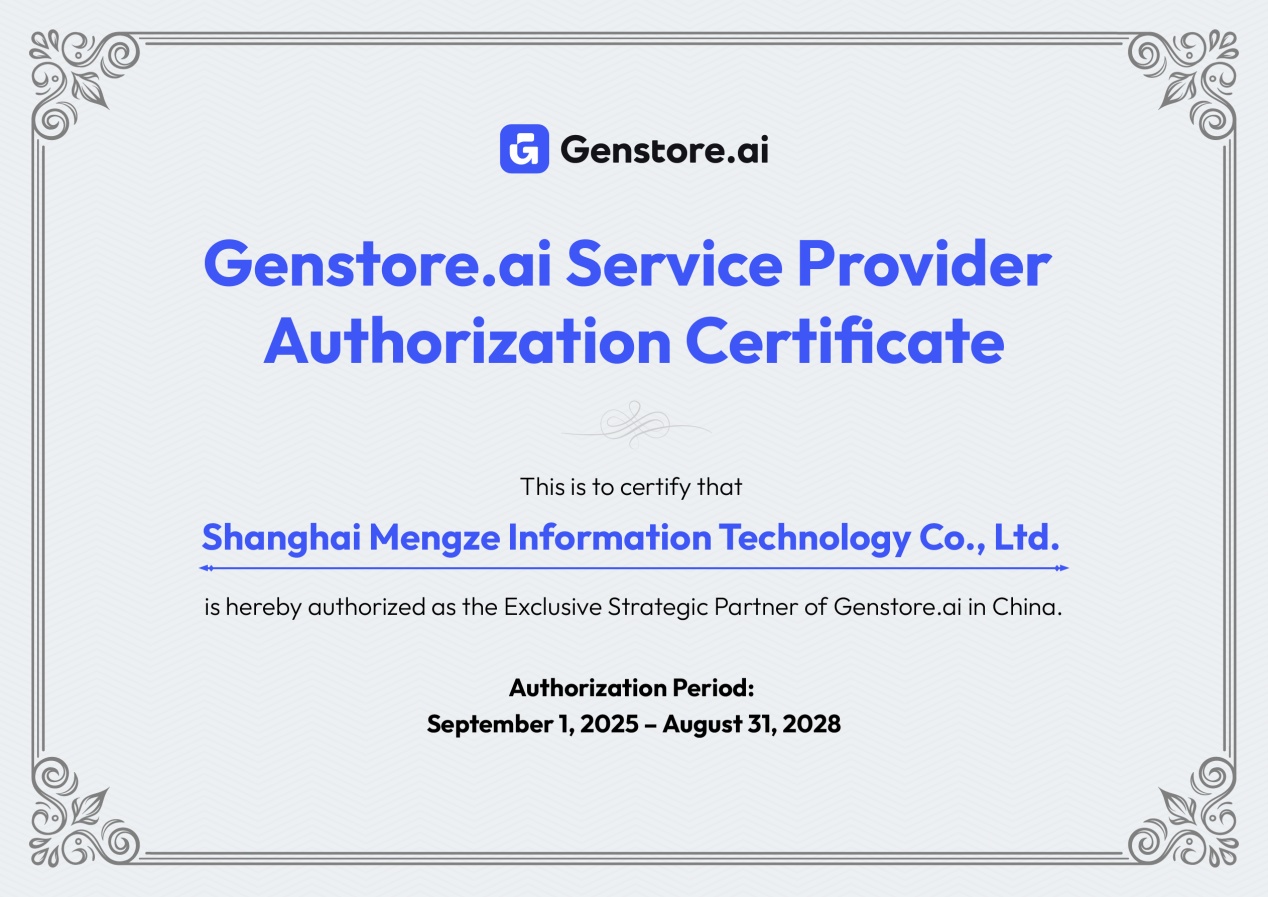
微盟集团成立微盟出海并成为 Genstore.ai 中国区独家战略合作伙伴
Zhi Tong Cai Jing· 2025-09-23 11:26
Core Insights - Weimob Group (02013) has officially announced the establishment of a new business unit called "Weimob Outbound" and has become the exclusive strategic partner for Genstore.ai in China [1] Group 1 - Weimob Outbound primarily targets merchants with cross-border outbound needs [1] - The unit focuses on independent sites and offers a full-chain outbound solution, aiming to provide Chinese brands with precise marketing, underlying technology, and comprehensive operational support for entering global markets [1] Group 2 - Genstore.ai is a California-registered startup that centers on "AI-native" concepts, aiming to reconstruct e-commerce website building and operational processes through AI technology [1] - As the exclusive strategic partner for Genstore.ai in China, Weimob Outbound will leverage AI-native website building technology and AI Agents to enhance its capabilities across various operational aspects, including marketing, SEO, intelligent customer service, social media operations, data analysis, and value-added operations [1] Group 3 - The partnership with Genstore.ai will complement Weimob's offerings in the North American core market, facilitating Chinese cross-border brands in obtaining comprehensive digital outbound services [1]
微盟集团(02013)成立微盟出海并成为 Genstore.ai 中国区独家战略合作伙伴
智通财经网· 2025-09-23 11:25
Core Viewpoint - Weimob Group has officially announced the establishment of a new business unit "Weimob Outbound" and has become the exclusive strategic partner for Genstore.ai in China [1] Group 1: Business Development - Weimob Outbound primarily targets merchants with cross-border outbound needs, focusing on independent sites to provide comprehensive outbound solutions [1] - The unit aims to support Chinese brands in entering global markets through precise marketing, foundational technology, and full operational support [1] Group 2: Partnership with Genstore.ai - Genstore.ai is a California-registered startup that focuses on AI-native concepts, aiming to reconstruct e-commerce website building and operational processes through AI technology [1] - As the exclusive strategic partner for Genstore.ai in China, Weimob Outbound will leverage AI-native website building technology and AI Agents matrix to enhance its capabilities across various operational aspects [1] Group 3: Service Offerings - Weimob Outbound will provide multi-dimensional capabilities covering all operational aspects including AI-native website building, performance advertising, marketing creativity, SEO, intelligent customer service, social media operations, data analysis, and value-added operations [1] - The partnership with Genstore.ai will complement Weimob's services in the North American core market, facilitating easier access for Chinese cross-border brands to comprehensive digital outbound services [1]
神州控股科捷发布供应链智能体“小金”,破解企业AI应用“最后一公里”难题
智通财经网· 2025-09-23 08:48
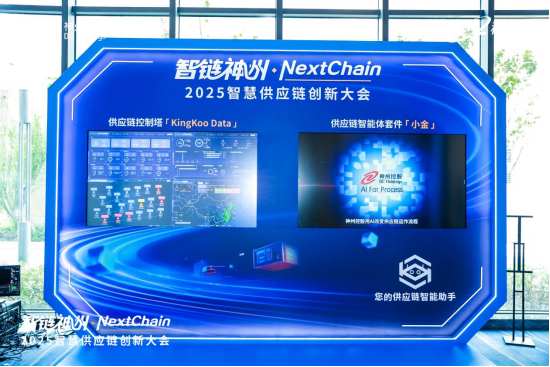
Core Insights - The launch of the supply chain intelligent agent "Xiao Jin" by KJ Technology aims to address the pain points of enterprise-level applications of general large models, focusing on enhancing efficiency across the entire supply chain process [1][3][11] - "Xiao Jin" is part of Shenzhou Holdings' strategy to elevate its "Data x AI" approach, leveraging the "Yanyun Infinity" platform to empower core business scenarios in supply chain management [1][5] Group 1: AI Application Challenges - A report by MIT indicates that while 90% of employees frequently use general large models, only 5% of enterprises achieve quantifiable business returns, with 95% of investments yielding no results, a phenomenon termed "shadow AI" [3][10] - The disconnect between general large models and actual business needs is identified as a core issue, as these models fail to convert insights into actionable solutions [3][5] Group 2: Features of "Xiao Jin" - "Xiao Jin" is designed with a "3+N" architecture, which includes three core intelligent agents that address common enterprise needs: a data assistant, a decision assistant, and a customer assistant, significantly improving efficiency in data queries and decision-making processes [6][10] - The intelligent agents can enhance data query efficiency by 90%, improve decision analysis efficiency by 70%, and reduce customer service workload by 50% [6][8] Group 3: Future Development and Commercialization - KJ Technology plans to implement a pilot program for "Xiao Jin" in 2025, targeting benchmark clients in retail, 3C, and fast-moving consumer goods sectors, with a focus on providing customized AI services [10][12] - The company aims to build a large-scale cluster of vertical intelligent agents covering various supply chain scenarios, transforming traditional processes into AI-driven operations [9][10] Group 4: Industry Impact - The global generative AI market is projected to reach $10 trillion, highlighting the urgent demand for intelligent transformation across industries, particularly in supply chain management [10][12] - The introduction of "Xiao Jin" is expected to shift the supply chain from a reactive to a proactive model, enabling smarter inventory management and operational efficiency [12]
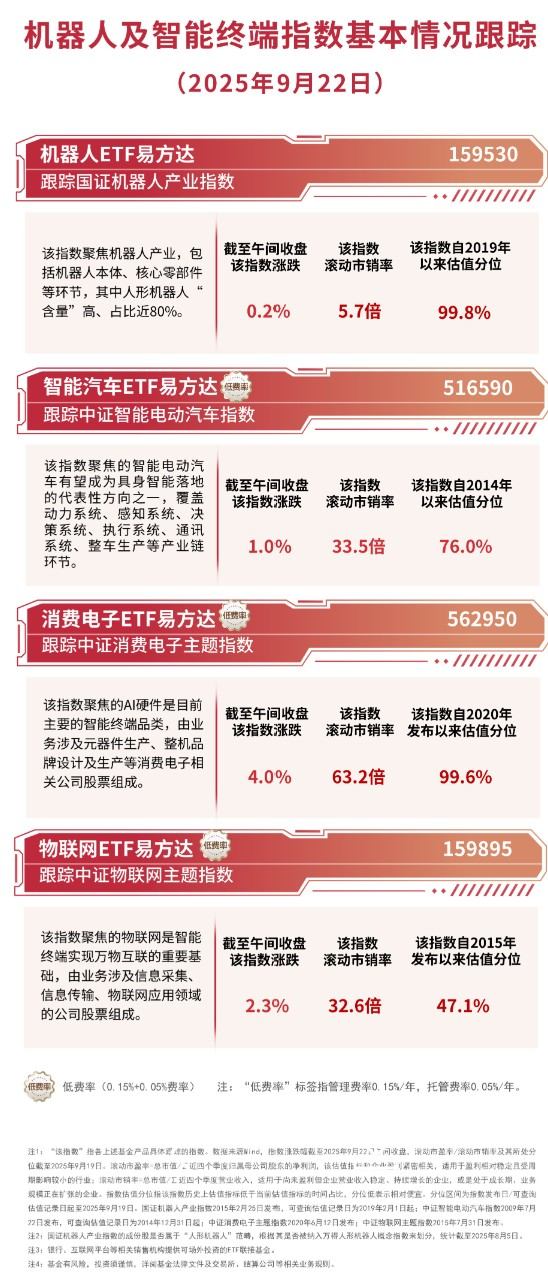
机器人ETF易方达(159530)半日获近1亿份净申购,全球首个“AI原生”机器人系统开源
Mei Ri Jing Ji Xin Wen· 2025-09-22 06:30
Group 1 - The National Robot Industry Index rose by 0.2%, the China Securities Intelligent Electric Vehicle Index increased by 1.0%, the China Securities Consumer Electronics Theme Index surged by 4.0%, and the China Securities Internet of Things Theme Index climbed by 2.3% as of midday close [1] - The robot ETF E Fund (159530) saw nearly 100 million net subscriptions in half a day [1] - OpenMind launched what it claims to be the world's first "AI-native" open-source robot system, which supports various hardware and simulation environments, aiming to unify the platform ecosystem [1] Group 2 - The IoT index focuses on smart terminals that enable the interconnection of all things, consisting of stocks from companies involved in information collection, transmission, and IoT applications [4] - The index has a rolling sales rate of 32.6 times and a valuation percentile of 47.1% since its launch in 2015 [4] - The "low fee" label refers to a management fee rate of 0.15% per year and a custody fee rate of 0.05% per year [4]

YC最新风向标:顶级VC追捧的9家初创公司
3 6 Ke· 2025-09-17 11:57
Core Insights - The YC 2025 Summer Demo Day showcased over 160 startups, with a clear trend towards building AI-native applications and infrastructure rather than just AI-driven products [2] Group 1: Notable Startups - Autumn is likened to Stripe for AI startups, providing open-source infrastructure to simplify complex pricing models, already used by hundreds of AI applications and 40 YC startups [4] - Dedalus Labs automates the infrastructure needed to build AI agents, significantly reducing coding time from hours to clicks [6] - Design Arena crowdsources the ranking of AI-generated designs, creating a feedback loop that helps improve AI models [6] - Getasap Asia, founded by a 14-year-old, has generated millions in revenue by delivering supplies to Southeast Asian retailers within eight hours [8] - Keystone, founded by a 20-year-old, focuses on using AI to fix software bugs, having rejected a million-dollar acquisition offer [8] - RealRoots is an AI matching platform for women to find friends, generating $782,000 in revenue from 9,000 paying customers in just one month [10] - Solva automates insurance claims processes, achieving an annual recurring revenue (ARR) of $245,000 within ten weeks of launch [11] - Pingo AI offers language tutoring through AI, experiencing a 70% monthly growth and reaching $250,000 in monthly revenue [13] Group 2: Key Trends - The shift from "empowerment" to "native" and "agent" applications indicates a deeper integration of AI into workflows, with companies like Keystone and Solva acting as digital employees rather than mere tools [15] - The rise of infrastructure and toolchain providers, such as Autumn and Dedalus Labs, highlights a continued investment interest in companies that support the AI economy [16] - AI applications are becoming more vertical and addressing specific high-cost pain points, as seen with Solva in insurance and Pingo AI in language education, demonstrating strong customer willingness to pay [17] - The potential of "non-mainstream" sectors and innovative business models is evident, with Getasap Asia exemplifying traditional industry transformation and RealRoots addressing social needs [18]

穿过AI迷雾,企业如何从「+AI」奔向「AI+」?
3 6 Ke· 2025-09-16 10:09
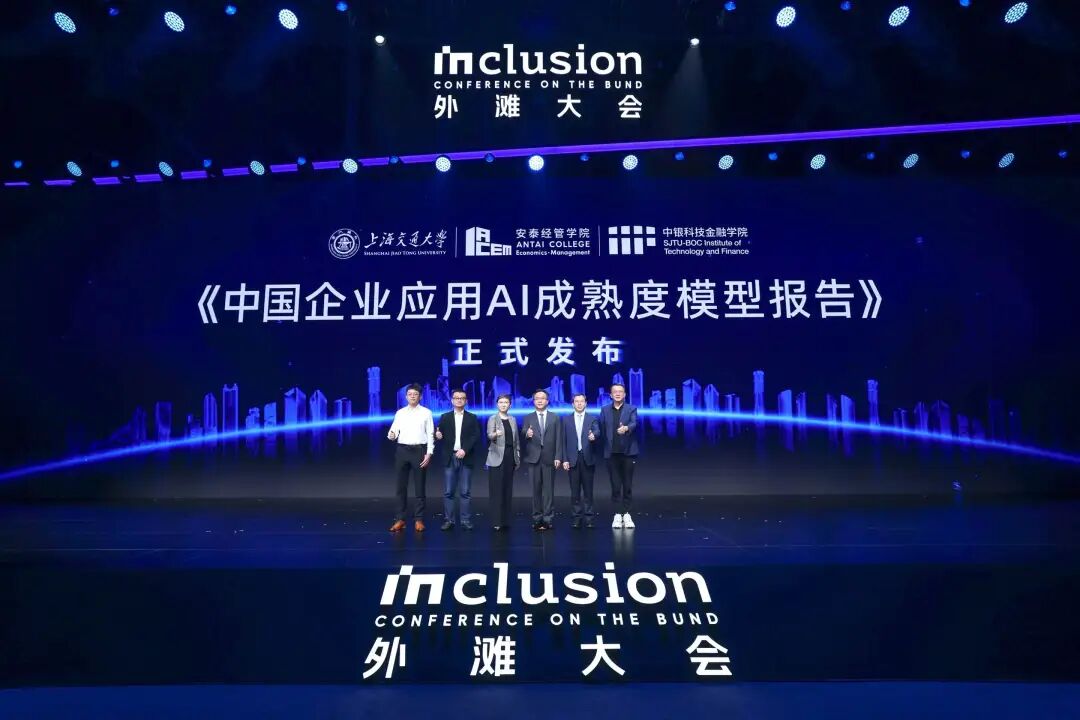
Core Insights - The article discusses the disparity between the hype surrounding AI and its actual implementation in businesses, highlighting that many companies are stuck in a "+AI" mindset rather than fully integrating AI into their core operations [1][4][5] - A new AI Adoption Maturity Model (AIM²) has been developed to help companies transition from a superficial use of AI to a more integrated approach, termed "AI+" [2][9] Group 1: Current State of AI in Business - Many companies are investing in AI due to a sense of insecurity, with 50% of surveyed firms citing this as their primary reason for adoption [1] - A significant 95% of organizations involved in Generative AI (GenAI) projects reported no returns, indicating a failure to translate investments into productivity gains [4][5] - The lack of a systematic framework and reliance on intuition rather than data-driven decisions have led to widespread failures in AI implementation [5][11] Group 2: The AIM² Model - The AIM² model provides a structured approach for businesses to assess their AI maturity across five levels and six dimensions, guiding them from "+AI" to "AI+" [9][11] - The model emphasizes the importance of integrating AI into business strategy, operations, and technology, rather than treating it as an add-on [4][9] - AIM² aims to reduce marginal costs by promoting platformization, standardization, and reuse of AI applications [11] Group 3: Industry Examples and Applications - China Pacific Insurance has successfully integrated AI into its operations by merging various data sources, positioning itself strategically in the "big health" ecosystem [7][12] - Ant Group's AI health manager demonstrates the potential of AI to create a closed-loop ecosystem in healthcare, enhancing decision-making and operational efficiency [8][12] - In the retail sector, L'Oréal has localized AI technologies to enhance its market competitiveness, showcasing the benefits of embedding AI within existing ecosystems rather than building new platforms [13] Group 4: Future Directions - The transition to "AI+" requires a fundamental shift in how businesses approach AI, making it a core driver of innovation rather than a supplementary tool [7][14] - Companies that successfully adopt the AIM² model will not only improve their operational efficiency but also enhance their competitive positioning in the industry [15] - The future of AI in business is expected to reshape industry ecosystems, guiding companies to make informed decisions and optimize their AI strategies [14][15]
22人的贷款平台8周吸金2900万美元,巨头客户成投资人
虎嗅APP· 2025-09-16 08:58
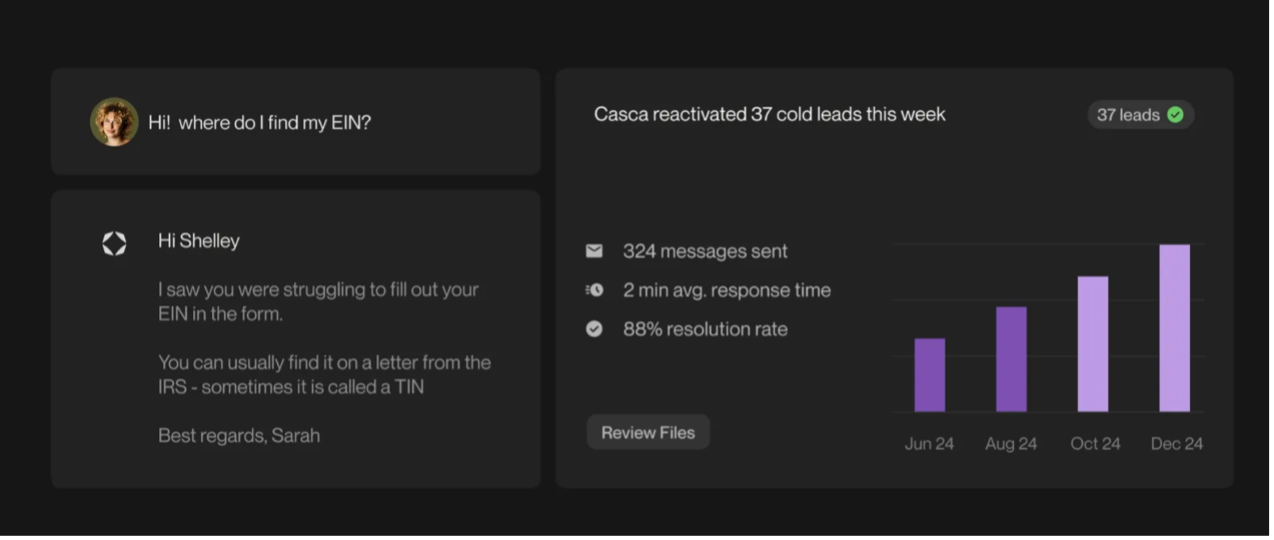
Core Viewpoint - The article discusses the transformative impact of AI on the lending process, highlighting the success of the AI-driven loan platform Casca, which significantly reduces loan processing times and enhances efficiency in the financial sector [5][6][10]. Group 1: Company Overview - Casca, a startup with only 22 employees, completed a $29 million Series A funding round in just 15 months, backed by major banks like Live Oak Bank and Huntington National Bank, which are also its core clients [6][11]. - The company has developed an AI-native loan system that compresses the average loan processing time from 90 days to just 10 days, reducing manual operations by 90% and increasing processing speed by 30 times compared to industry standards [11][12]. Group 2: Business Model and Operations - Casca positions itself as a B2B SaaS provider focused on the financial sector, offering technology empowerment services to banks rather than directly engaging in lending [12][24]. - The platform features a fully automated workflow that includes borrower front-end experience, AI loan assistants, and lender work engines, streamlining the entire loan application process [14][19]. Group 3: Market Context and Competition - The small business loan market in the U.S. exceeds $1.4 trillion, yet many banks still rely on outdated systems that lack true AI capabilities, creating a significant opportunity for innovation [33]. - Casca faces competition from various types of companies, including loan matching platforms, AI point solution providers, and AI loan technology platforms, but differentiates itself by focusing on optimizing internal bank processes rather than acting as a direct lender [35][36][37]. Group 4: Impact and Results - The implementation of Casca's system at Bankwell, a community bank, resulted in an increase in SBA loan conversion rates from 8% to 81% and reduced loan processing times from 90 days to approximately 10 days [21][22]. - Live Oak Bank, another key client, reported a tenfold increase in loan processing capacity after adopting Casca, allowing for more efficient customer interactions and lower interest rates to attract small business clients [23][24]. Group 5: Founders and Team - The success of Casca is attributed to its co-founders, Lukas Haffer and Isaiah Williams, who bring a combination of industry insight and technical expertise, enabling the company to navigate the complexities of the banking sector effectively [26][30]. - Haffer’s background in banking software and Williams’ experience in AI technology have positioned Casca to address the inefficiencies in traditional banking systems [29][31].

22人的贷款平台8周吸金2900万美元,巨头客户成投资人
Hu Xiu· 2025-09-16 07:02
Core Insights - The article discusses the emergence of Casca, an AI-driven loan platform that has successfully raised $29 million in Series A funding, backed by major banks that are also its clients [4][31] - Casca aims to revolutionize the traditional lending process for small and medium-sized enterprises (SMEs) by significantly reducing loan processing times and enhancing efficiency through AI technology [5][9] Company Overview - Casca is a startup with only 22 employees, which completed its Series A funding in just 15 months since its inception [4][31] - The company has developed an AI-native loan system that reduces the average loan processing time from 90 days to just 10 days, while decreasing manual operations by 90% [5][9] - Casca's business model focuses on providing technology solutions to banks, charging subscription fees for its software, and offering comprehensive customer support [10][22] Industry Context - The U.S. small business loan market is valued at over $1.4 trillion, but the existing infrastructure is outdated, relying on legacy systems that lack true AI capabilities [26][27] - Many banks currently use traditional loan management systems that are inefficient and cumbersome, creating a significant opportunity for innovative solutions like Casca [26][27] Competitive Landscape - The competitive landscape includes various types of companies, such as loan matching platforms and AI solution providers, but Casca differentiates itself by focusing on optimizing internal bank processes rather than merely connecting borrowers and lenders [27][28] - Casca faces competition from AI-driven platforms like Salient, which also aim to automate loan workflows, but Casca's unique approach as a pure SaaS provider helps it avoid direct competition with its clients [29][30] Technology and Innovation - Casca's platform integrates AI throughout the entire loan lifecycle, from application to disbursement, providing a seamless and efficient experience for both borrowers and lenders [8][9] - The AI Loan Assistant feature allows for real-time interaction with borrowers, significantly improving application submission rates and overall customer experience [11][15] Client Success Stories - Bankwell, a community bank, reported a dramatic increase in loan conversion rates from 8% to 81% after implementing Casca's system, showcasing the platform's effectiveness [18][20] - Live Oak Bank, another major client, noted a tenfold increase in loan processing capacity, allowing for faster service and improved customer relationships [21][22]