金融科技

Search documents
MercadoLibre(MELI) - 2025 Q3 - Earnings Call Transcript
2025-10-29 22:02
Financial Data and Key Metrics Changes - Revenues grew by 39% year-on-year, marking the 27th consecutive quarter of growth above 30% [4][99] - Operating income reached $724 million, growing by 30% year-on-year, demonstrating the ability to balance growth, investments, and profitability [7][99] Business Line Data and Key Metrics Changes - Mercado Pago experienced accelerated growth in monthly active users, with record high NPS in Brazil [6][12] - The credit card portfolio grew significantly, with older cohorts becoming profitable, while maintaining a healthy credit quality [36][40] Market Data and Key Metrics Changes - In Argentina, revenues grew by 39% year-on-year in U.S. dollars and 97% in local currency, despite macroeconomic challenges [12] - GMV growth in Mexico accelerated, with unit shipping costs in fulfillment continuing to decline [5][12] Company Strategy and Development Direction - The company continues to invest in free shipping, logistics, and credit card offerings to drive long-term growth [8][40] - Strategic investments are aimed at enhancing financial inclusion and capturing growth opportunities in commerce and fintech [4][8] Management's Comments on Operating Environment and Future Outlook - Management remains optimistic about Argentina's long-term growth potential despite current macro challenges [12][13] - The company is focused on maintaining user acquisition investments while ensuring profitability and growth [20][21] Other Important Information - The company is exploring the potential of Agentic AI to enhance user experience and operational efficiency [91][92] - The competitive landscape in Brazil remains intense, but the company believes its strategies are rational and effective [94][96] Q&A Session Summary Question: Insights on Argentina's macro challenges and growth plans - Management acknowledged macro challenges but emphasized continued investment in Argentina, including opening a new fulfillment center and launching a credit card [11][12] Question: Breakdown of new active users and marketing spend - The company reported adding 7.8 million new buyers, with a focus on maintaining marketing spend at around 11% of revenues [16][20] Question: Merchant adherence to pricing strategies and competition - Management discussed the introduction of a price monitoring system to enhance buyer experience and seller adherence [24][25] Question: Shipping cost reductions and automation investments - Shipping costs in Brazil decreased by 8% due to improved logistics efficiency, with ongoing investments in robotics and automation [30][32] Question: Profitability of the credit card business - Older credit card cohorts are profitable, and the company maintains strict underwriting discipline while expanding card issuance [36][78] Question: Growth of acquiring TPV in Brazil - The company is gaining market share in Brazil, with a strategic shift to direct sales and improved online payment systems [81][83] Question: Performance in other Latin American markets - Strong GMV growth in Chile and Colombia attributed to improved logistics, demand generation, and promotional activities [86][88] Question: Response to OpenAI's entry into e-commerce - The company is excited about the potential of AI to enhance its platform and is focused on building the best user experience [91][92] Question: Competitive environment in Brazil - Management believes the competitive dynamics are rational and that their strategies are effectively enhancing market share [94][96]

MercadoLibre(MELI) - 2025 Q3 - Earnings Call Transcript
2025-10-29 22:00
Financial Data and Key Metrics Changes - Revenues grew by 39% year on year, marking the 27th consecutive quarter of growth above 30% [4][91] - Operating income reached $724 million, growing by 30% year on year, demonstrating the ability to balance growth, investments, and profitability [6][91] Business Line Data and Key Metrics Changes - Mercado Pago experienced strong growth with monthly active users accelerating and NPS hitting record highs in Brazil [5] - The credit card portfolio grew rapidly, with all-time low first-paying defaults and a healthy credit quality maintained [6][12] - GMV in Argentina grew by 39% year on year in US dollars and 97% in local currency, with items sold increasing by 34% [12] Market Data and Key Metrics Changes - In Brazil, unit shipping costs decreased by 8% due to higher transaction volumes and better utilization of logistics [5][30] - Mexico saw strong GMV growth, with fulfillment costs continuing to decline [5] Company Strategy and Development Direction - The company continues to invest in free shipping, logistics, and credit card offerings to drive long-term growth [7][64] - Strategic investments are focused on enhancing the value proposition for users and expanding market share in Latin America [4][91] Management's Comments on Operating Environment and Future Outlook - Management remains optimistic about Argentina's long-term growth potential despite macroeconomic challenges [12][13] - The company is focused on capturing growth opportunities in both commerce and fintech, with a disciplined investment approach [64][66] Other Important Information - The company is exploring the potential of Agentic AI to enhance user experience and operational efficiency [85] - The competitive landscape in Brazil remains intense, but the company believes its strategies are rational and effective [87][89] Q&A Session Summary Question: Argentina's macro challenges and growth outlook - Management acknowledged macro challenges but emphasized continued investment and optimism for long-term growth in Argentina [11][12] Question: Active user growth breakdown - The company reported 7.8 million new buyers in the quarter, with a healthy mix of new and returning users [17][51] Question: Merchant adherence to pricing initiatives - Management discussed the introduction of a price monitoring system to enhance buyer experience and seller performance [21][23] Question: Shipping cost dynamics and automation investments - Shipping costs in Brazil decreased by 8% due to better utilization, with ongoing investments in robotics and automation [26][30] Question: Credit card profitability and cohort performance - Older credit card cohorts are profitable, and the company maintains strict underwriting discipline while expanding issuance [32][73] Question: Competitive dynamics in Brazil - Management expressed confidence in their competitive position and rational strategies in the Brazilian market [87][89]
This Fintech Stock Dropped 40% to Lead S&P 500 Decliners Today. Here's Why.
Investopedia· 2025-10-29 18:15
Core Insights - Fiserv shares are experiencing significant declines, with nearly two-thirds of their value lost since the beginning of the year, following a disappointing earnings report and leadership changes [1][3]. Financial Performance - Fiserv reported adjusted earnings of $2.04 per share, with revenue growth of 1% year-over-year to $5.26 billion, falling short of analyst expectations of $2.63 and $5.69 billion respectively [2]. - The company has lowered its 2025 organic revenue growth target to a range of 3.5% to 4%, and adjusted EPS target to $8.50-$8.60, down from a previous projection of about 10% organic revenue growth and adjusted EPS of $10.15 to $10.30 [2]. Leadership Changes - Fiserv is undergoing a leadership shakeup under new CEO Mike Lyons, who took over in May. The company has appointed Paul Todd as the new CFO, effective Friday, succeeding Robert Hau [4][8]. - The board will see changes with Gordon Nixon, Céline Dufétel, and Gary Shedlin replacing three members on January 1, with Nixon becoming Independent Chairman [8]. Strategic Initiatives - The company has launched an action plan called "One Fiserv," focusing on client service, technology solutions, and innovation, with a key component being the Clover point-of-sale payments system [5]. - Fiserv has also announced the acquisition of part of TD Bank's merchant processing business in Canada and a deal with the bank group's Merchant Solutions unit [5]. Stock Market Activity - Following the earnings report and guidance reset, Fiserv's shares dropped more than 40%, reaching their lowest level since late 2018 [3][7]. - The company plans to transfer its stock listing to Nasdaq from the New York Stock Exchange on November 11, changing its ticker symbol to "FISV" from "FI" [9].

2025全球金融科技中心城市榜单:北京排名第一
Bei Jing Shang Bao· 2025-10-29 16:40
Core Insights - The report released by the Beijing Frontier Financial Regulatory Technology Research Institute highlights five core trends in the development of fintech globally, emphasizing the need for innovation and competitive advantage amidst significant global changes [1][3] Summary by Sections Global Fintech City Rankings - The 2025 Global Fintech Hub Report ranks Beijing as the top city for fintech development, followed by San Francisco, New York, London, Shanghai, Shenzhen, Hangzhou, Singapore, Hong Kong, and Paris [2] - The rankings show minimal changes from 2024, with Hong Kong rising one position and Paris replacing Sydney in the top ten [2] Factors Contributing to Rankings - The report attributes Beijing's top position to strong policy guidance and market vitality, supported by its status as a national financial management and technology innovation center [3][4] - China's large economy and active digital economy, which accounts for over 40% of GDP, provide a rich landscape for fintech, particularly in the consumer sector [3] Regional Analysis - Asia leads the global fintech competition with 25 cities in the top 50, while the Americas and Europe account for 28% and 20% respectively [4] - Among the top 50 cities, 70% experienced ranking changes, indicating fierce competition [2][4] Emerging Centers - The report notes that 14 cities in the top 50 have improved their rankings, with a significant presence from emerging markets, highlighting the dual role of industry/technology and ecosystem/rules in driving fintech development [6] - New emerging cities are showing differentiated advantages in the competitive landscape, with a focus on creating a conducive environment for fintech innovation [6] Importance of Fintech Development - The advancement of fintech is crucial for the modernization of financial systems, driving innovation, economic growth, and job creation [7] - To enhance competitiveness, cities need to focus on diverse and inclusive fintech market innovations, maintain high levels of research investment, and foster open ecosystems [7]
2025金融街论坛|2025全球金融科技中心城市榜单:北京排名第一,新兴中心崛起
Bei Jing Shang Bao· 2025-10-29 14:42
Core Insights - The report highlights the competitive landscape of global fintech cities, with a focus on the top 50 cities selected from over 80 worldwide, showcasing their fintech ecosystems and industry development status [1][3] Ranking Overview - Beijing ranks first globally in the 2025 fintech city rankings, followed by San Francisco, New York, London, Shanghai, Shenzhen, Hangzhou, Singapore, Hong Kong, and Paris [3] - The rankings show minimal changes compared to 2024, with Hong Kong rising one position and Paris replacing Sydney in the top 10 [3] Trends in Fintech Development - The report identifies five core trends in fintech development, emphasizing the need for innovation and competitive advantage amidst a rapidly evolving global landscape [1] - The gap in fintech development index scores between the top-ranked city and the tenth has decreased from 29.7 points in 2020 to 22.8 points in 2025, indicating a more competitive environment [4] Regional Analysis - Asia leads the global fintech competition, with 25 cities in the top 50, representing 50% of the total [6][7] - Among the top 10 cities, 60% are from Asia, with five cities from China, highlighting the region's dominance in fintech [6] Emerging Market Dynamics - The report notes that 14 cities in the top 50 have improved their rankings, with a significant presence from emerging markets, which account for 50% of the cities showing upward movement [9] - The rise of new fintech centers is attributed to both industry/technology-driven and ecosystem/rules-driven development models [9] Importance of Fintech Development - Fintech is crucial for modern financial system innovation, driving economic growth and creating job opportunities [10] - The report emphasizes the need for diverse and inclusive market innovation, high research investment, and international collaboration to enhance the competitiveness of cities in fintech [10]


恒银科技三季报业绩显著提升,利润同比增加5360.41万元
Zheng Quan Shi Bao Wang· 2025-10-29 14:32
Core Insights - The core viewpoint of the articles highlights the significant improvement in the profitability of Hengyin Technology, despite a moderate revenue growth in the first three quarters of 2025 [1][3]. Financial Performance - In the first three quarters of 2025, the company achieved an operating income of 265 million yuan, representing a year-on-year increase of 3.22% [1]. - The net profit attributable to shareholders reached 17.8 million yuan, an increase of 53.6 million yuan compared to the previous year [1]. - The net profit after deducting non-recurring gains and losses was 13.75 million yuan, up by 65.0 million yuan year-on-year [1]. - The third quarter saw a revenue decline of 3.87%, but net profit surged by 309.96% [1]. Profitability Metrics - The gross margin for the first three quarters of 2025 was 29.39%, a significant increase of 37.09 percentage points year-on-year [1]. - The net profit margin stood at 6.71%, up by 20.64 percentage points compared to the same period last year [1]. - In the third quarter, the gross margin was 36.41%, reflecting a year-on-year increase of 34.42 percentage points and a quarter-on-quarter increase of 12.03 percentage points [1]. - The net profit margin for the third quarter was 4.69%, an increase of 3.59 percentage points year-on-year [1]. Cost Management - The effective control of operating expenses was a key driver for the substantial growth in net profit, with operating expenses amounting to 54.68 million yuan, a decrease of 22.42 million yuan year-on-year [2]. - The operating expense ratio fell to 20.61%, down by 9.38 percentage points from the previous year [2]. Business Composition - The revenue composition indicates that cash-related devices and services accounted for the highest share at 64.30%, followed by non-cash devices and services at 18.01%, equipment parts at 14.24%, and technical services and others at 3.46% [2]. - This structure emphasizes the company's core competitiveness in the financial self-service equipment sector, particularly in cash-related devices [2]. Industry Positioning - Hengyin Technology operates within the computer industry, specifically in the computer equipment sector, and is involved in various concept sectors including e-commerce, fintech, financial machinery, smart governance, and smart healthcare [2]. - This diversification reflects the company's broad application of products and services beyond traditional banking, extending into wider fintech and smart service domains [2].

北京金融街服务局:持续深化与国际金融中心城市共同交流
Xin Hua Cai Jing· 2025-10-29 13:56
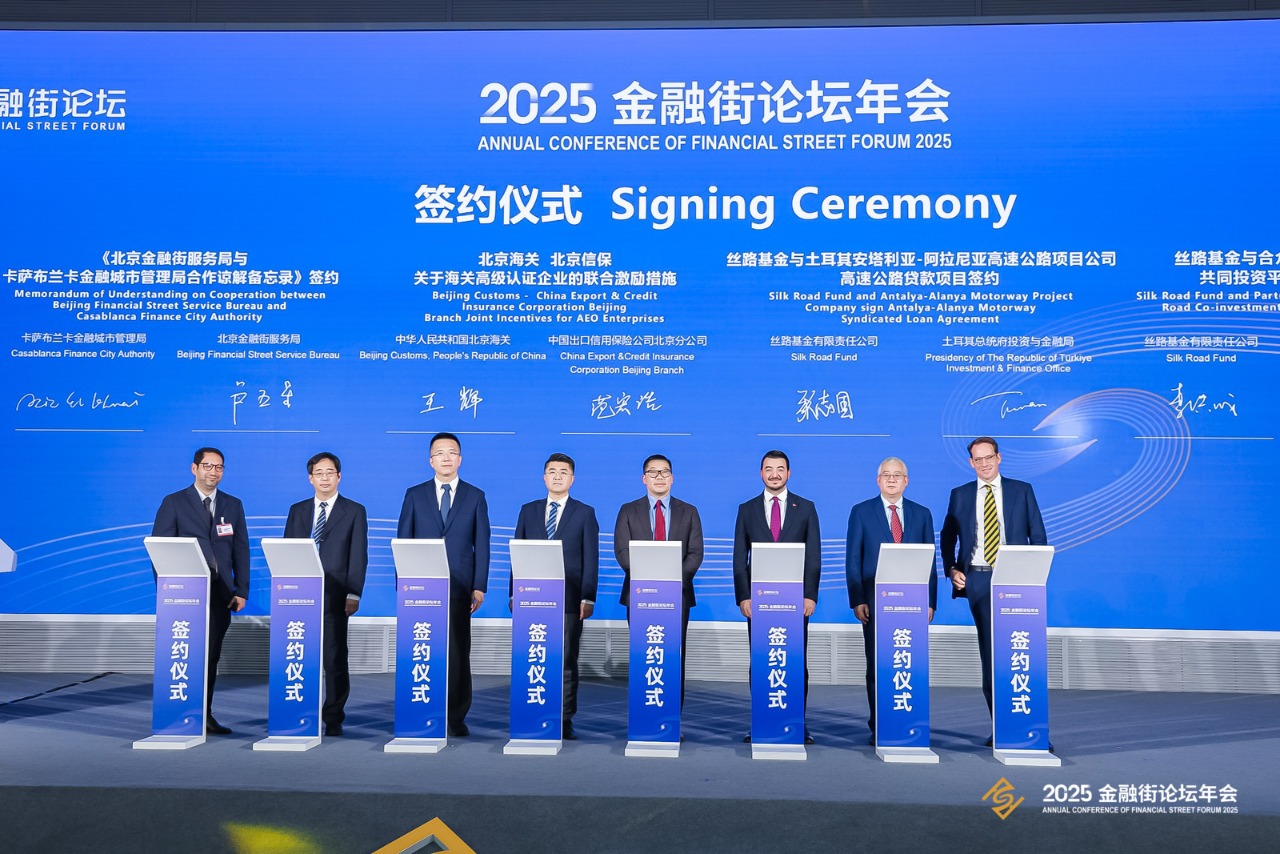
Core Viewpoint - Beijing is expanding its high-level opening-up and enhancing financial capabilities to support international cooperation, as evidenced by recent agreements signed during the "Financial Street Release" event [1][3]. Group 1: Agreements Signed - The Beijing Financial Street Service Bureau signed a cooperation memorandum with the Casablanca Financial City Authority, marking a new phase in their collaboration since their first agreement in 2018 [3]. - Beijing Customs and Beijing Credit Insurance signed a joint incentive measure for customs advanced certification enterprises [1]. - The Silk Road Fund signed a loan project agreement with the Antalya-Alanya Highway Project Company in Turkey [1]. - The Silk Road Fund also established a joint investment platform project with Hezhong Group under the Belt and Road Initiative [1]. Group 2: Areas of Cooperation - The collaboration between Beijing Financial Street and Casablanca Financial City will focus on promoting green and sustainable finance, financial innovation and technology, mutual establishment of financial institutions, experience sharing, talent education and training, and organizing forums [3]. - Casablanca Financial City is recognized as a significant financial economic hub, and its development director expressed eagerness to strengthen exchanges and collaborate with Chinese financial institutions in areas like green finance and financial technology [5]. - The Beijing Financial Street aims to deepen exchanges with international financial centers, expand high-level financial openness, and enhance bilateral investment cooperation, contributing to the construction of a strong financial nation [5].
Fiserv stock post-earnings plunge creates sweet spot for long-term investors
Invezz· 2025-10-29 13:29
Core Insights - Fiserv Inc (NASDAQ: FI) is facing pressure following disappointing financial results for the third quarter [1] - The company has reduced its guidance for the full year, indicating potential challenges ahead [1] Financial Performance - The financial technology company reported weaker-than-expected earnings for the third quarter [1] - Specific financial metrics and comparisons to previous quarters were not detailed in the provided content [1] Future Outlook - The trimming of guidance for the full year suggests a reassessment of growth expectations [1] - This adjustment may reflect broader industry challenges or company-specific issues [1]

龙虎榜 | 机构超10亿扫货阳光电源,温州帮狂卖!2游资联手封板山子高科
Ge Long Hui· 2025-10-29 10:39
Focus Stocks - Fujian local stock Pingtan Development has achieved a 10.02% increase, marking 9 days with 7 consecutive limits [2][3] - Time Technology, involved in mergers and acquisitions, has seen a 10.01% rise with 6 consecutive limits [2][3] - Antai Group, a coal stock, has increased by 9.91% with 6 limits over 10 days [2][3] - Robotics concept stock Yashichuangneng has risen by 10.04% with 4 consecutive limits [2][3] Stock Performance Summary - *ST Dongyi: +4.98%, current price 10.32, 17 days with 12 limits, driven by restructuring and home decoration leadership [3] - ST Zhongdiao: +4.95%, current price 6.57, 9 consecutive limits, due to control change in real estate [3] - Antai Group: +9.91%, current price 3.55, 10 days with 6 limits, focusing on coking coal and circular economy [3] - Time Technology: +10.01%, current price 57.71, 6 consecutive limits, due to major asset restructuring [3] - Yashichuangneng: +10.04%, current price 9.10, 4 consecutive limits, related to AI technology [3] Market Trends - The top net buying stocks include Nanshan Aluminum, Shanzi High-Tech, and Keda Guochuang, with net purchases of 3.99 billion, 3.13 billion, and 3.03 billion respectively [4][5] - The top net selling stocks include Shoukai Co., Shenka Co., and Tianji Co., with net sales of 2.26 billion, 1.3 billion, and 1.17 billion respectively [5][6] Institutional Activity - Institutional net buying was significant in stocks like Yangguang Electric, Keda Guochuang, and Jingao Technology, with net purchases of 10.55 billion, 2.73 billion, and 1.58 billion respectively [6][7] - Conversely, net selling was observed in Tianji Co., Weilong Co., and Kaidi Co., with net sales of 1.17 billion, 494.85 million, and 340.47 million respectively [7][8] Notable Stock Highlights - Zhongtung High-Tech saw a 10.00% increase, with a trading volume of 17.80 billion and a turnover rate of 5.03%, despite a net selling of 13.75 million by institutions [8][10] - Shenzhou Information, focusing on quantum technology and financial technology, achieved a 9.99% increase with a trading volume of 11.74 billion [10][12] - Shanzi High-Tech and Benchuan Intelligent both reached their limits with significant trading volumes and institutional net buying [14][16]




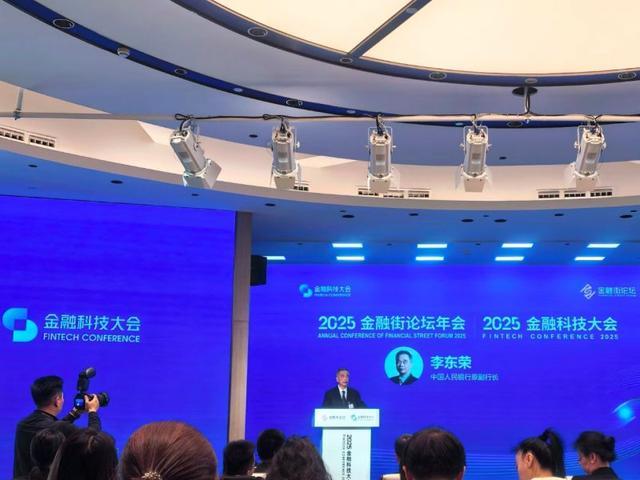
央行原副行长李东荣:ESG已逐步成为衡量企业长期价值的核心战略指标|快讯
Hua Xia Shi Bao· 2025-10-29 08:55
Core Viewpoint - The forum highlighted the importance of ESG (Environmental, Social, and Governance) as a core strategic indicator for measuring long-term corporate value, emphasizing the need for continuous improvement in top-level design, data governance, and technology application in ESG development [1][2]. Group 1: ESG Development Strategies - Continuous improvement of top-level design is necessary to implement ESG policies effectively, with a focus on sustainable information disclosure and the need for a comprehensive regulatory framework [1]. - Establishing a robust ESG data governance system is crucial, as ESG data encompasses multiple dimensions and requires a solid foundation to minimize future governance costs [2]. Group 2: Technological Integration - There is a need to enhance the application of artificial intelligence in the ESG sector, as advancements in AI can improve data processing and analysis capabilities, providing innovative solutions for ESG development [2]. Group 3: Sustainable Development Mindset - Financial institutions and companies must adopt a sustainable development mindset, recognizing the importance of ESG and addressing challenges such as talent shortages, weak data foundations, and low disclosure quality [2]. Group 4: Collaboration and Support - Large enterprises, including state-owned enterprises, should play a leading role in promoting ESG practices among small and medium-sized enterprises (SMEs) by providing training, building carbon management platforms, and enhancing technology applications [4].