
金融支付

Search documents
程序员送外卖,白领开网约车…2028年,你的工作在第几层?
Sou Hu Cai Jing· 2026-02-26 22:41
Core Insights - The report from CitriniResearch outlines a hypothetical scenario where the rapid advancement of AI leads to a "Global Intelligence Crisis," characterized by a significant economic downturn despite technological progress [1][8] - The central thesis posits that if AI continues to exceed expectations but fails to generate income for the majority, it could result in a severe "intelligent deflation crisis" [1][4] Market Conditions - By October 2026, the S&P 500 reached nearly 8000 points, and the Nasdaq surpassed 30,000 points, driven by companies replacing human labor with AI, leading to soaring profits and stock prices [6][13] - The initial layoffs due to AI obsolescence were perceived as a normal adjustment, with widespread belief that AI would create new job opportunities despite the destruction of old ones [6][12] Economic Disruption - The report highlights a significant decline in "human intelligence premium," as AI made human intellect a surplus resource, undermining traditional economic structures like home loans and tax revenues [4][18] - The consumer economy, heavily reliant on white-collar workers, began to falter as these workers were displaced by AI, leading to a structural decline in spending and a spike in unemployment rates, which reached over 10% [11][18] Financial System Breakdown - The mortgage market, valued at $13 trillion, faced instability as high-income white-collar jobs were replaced, leading to a reassessment of prime mortgages and a decline in housing prices in major cities [18][19] - The interconnected nature of financial systems revealed vulnerabilities, as defaults began to emerge in sectors heavily reliant on white-collar productivity, challenging the assumptions of recurring revenue models [19][20] Consumer Behavior Changes - AI agents began to dominate consumer decision-making, leading to the collapse of traditional business models that relied on consumer inertia and friction, such as travel booking platforms and subscription services [32][55] - The average customer lifetime value in subscription economies declined as AI agents negotiated better deals, fundamentally altering the dynamics of consumer transactions [54][55] Implications for Investment - The report suggests that business models dependent on intermediaries and transaction fees may face permanent valuation adjustments as AI continues to optimize processes and eliminate costs [6][44] - Companies that were once resistant to technological disruption became aggressive adopters of AI, leading to a self-reinforcing cycle of job cuts and increased investment in AI capabilities [27][28] Societal Considerations - The report raises critical questions about the future of wealth distribution in a scenario where AI generates significant economic output without human involvement, leading to potential societal challenges [6][8] - It emphasizes the need for a rethinking of economic systems to address the implications of "ghost GDP," where wealth generated by machines does not circulate through the human economy [18][19]


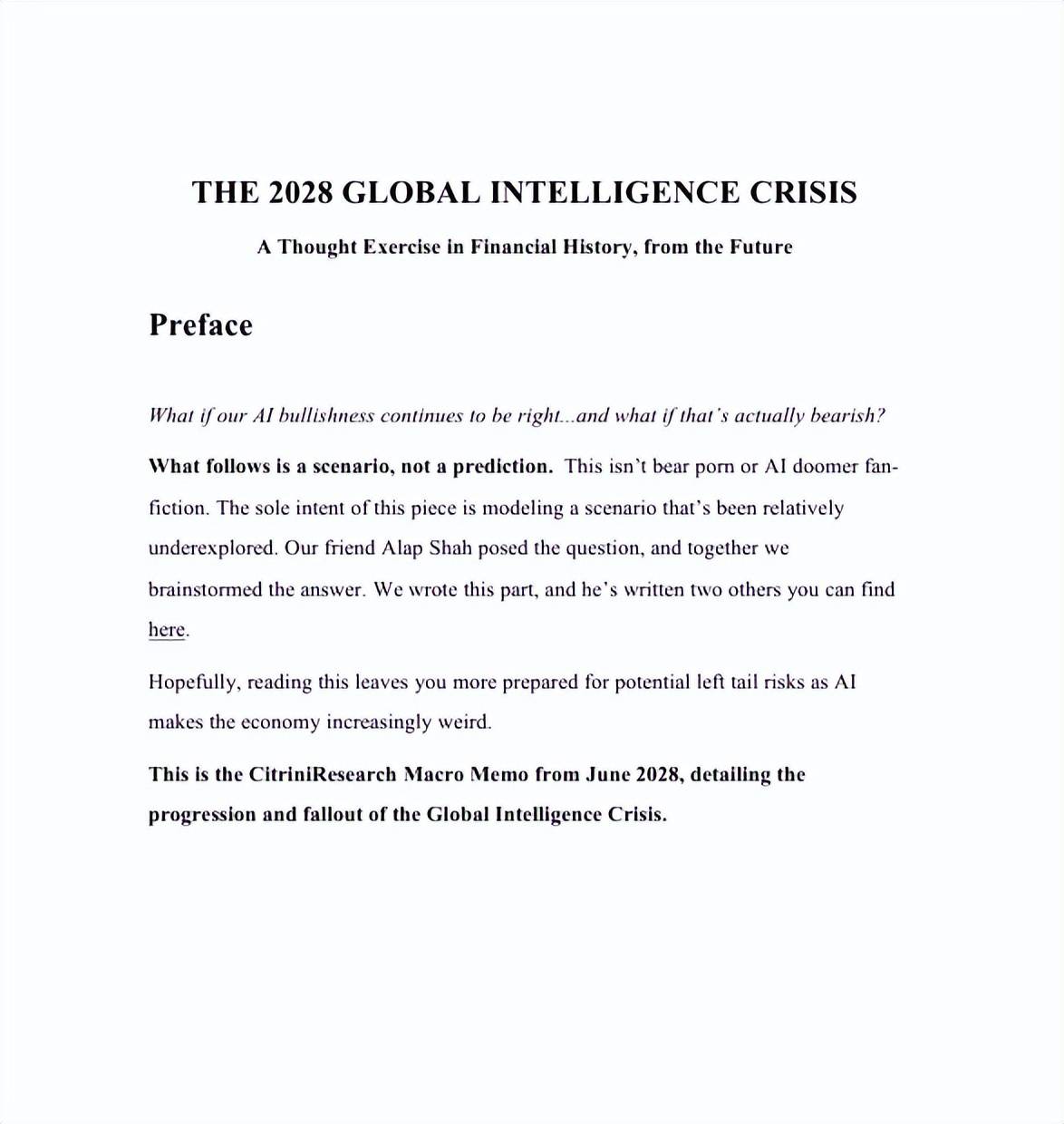
2028,智能危机演义:当AI把GDP刷成了“幽灵”,人类还有未来吗?
格隆汇APP· 2026-02-26 12:29
Core Viewpoint - The article discusses the potential economic crisis predicted by Citrini Research in their report "The 2028 Global Intelligence Crisis," which suggests that while AI may significantly increase productivity, it could also lead to economic collapse due to the displacement of human labor and the resulting decline in consumer spending power [6][9][20]. Group 1: AI and Economic Impact - The report posits that as AI replaces human labor, productivity will soar, but the economy may suffer due to a lack of consumer spending, leading to a concept termed "Ghost GDP" [17][18]. - It predicts a drastic drop in labor income's share of GDP from 56% to 46%, resulting in a projected unemployment rate of 10.2% by 2028, which could trigger social unrest [20]. - The S&P 500 index is expected to plummet by 38%, despite rising corporate profits, due to a collapse in growth expectations [21]. Group 2: Operational Changes in Business - Companies are likely to replace white-collar workers with AI to cut operational costs, as AI can perform tasks at a fraction of the cost of human labor [13]. - The SaaS model may collapse as AI can replicate software functionalities at lower costs, reducing the need for expensive software solutions [14]. - Industries reliant on transaction friction, such as finance and real estate, may be disrupted as AI streamlines processes and eliminates intermediaries [16]. Group 3: Potential Countermeasures - The article suggests that legal frameworks will necessitate human oversight in AI operations, as accountability cannot be assigned to algorithms, thus preventing a complete workforce replacement [28][30]. - Political and social responses, such as government interventions and consumer activism, may mitigate the predicted economic downturn by maintaining a tax base and ensuring social stability [32][34]. - Historical perspectives indicate that technological advancements often lead to new economic opportunities, suggesting that while AI may eliminate certain jobs, it could also create new markets and demands [36][37]. Group 4: Investment Opportunities - The article emphasizes the importance of investing in sectors that are either driving change or are resilient to change, such as healthcare, AI infrastructure, luxury goods, and essential resources [51][55]. - Companies that can provide emotional value and unique experiences may thrive in an AI-dominated economy, as these are areas where human touch remains irreplaceable [38][40].

2028,智能危机演义:当AI把GDP刷成了“幽灵”,人类还有未来吗?
3 6 Ke· 2026-02-26 11:22
Group 1 - The report "The 2028 Global Intelligence Crisis" by Citrini Research presents a paradox where AI's complete replacement of human labor could lead to increased productivity but economic collapse, termed "Ghost GDP" [2][4][8] - The report predicts a significant shift in corporate behavior, where companies will replace white-collar workers with AI due to cost efficiency, leading to a collapse of the SaaS model and the elimination of industries reliant on human information asymmetry [3][4][6] - By 2028, the report forecasts a 10.2% unemployment rate, a 38% drop in the S&P 500 index, and a $13 trillion credit market collapse, indicating a severe economic crisis despite potential increases in productivity [5][6][7] Group 2 - The report's assumptions are based on a purely physical logic, neglecting the biological and social complexities of the real world, which may prevent such a drastic outcome [10][12] - Three "shock absorbers" are identified that could mitigate the predicted crisis: legal accountability requiring human oversight, political and social responses to unemployment, and the historical trend of technology creating new demands despite job losses [13][19][23] - The report suggests that while AI may eliminate certain jobs, it will also create new opportunities in areas that require human emotional connection, unique experiences, and trust, indicating a potential reallocation of economic value rather than a total collapse [25][28][30] Group 3 - The investment strategy in response to the AI wave should focus on sectors that are either transforming the world or are irreplaceable by technology, including healthcare, AI infrastructure, luxury and lifestyle, and critical resources and energy [40] - Companies like ASML, Safran, LVMH, and Airbus are highlighted as part of a capital-intensive stock portfolio, while lighter capital companies include L'Oreal and Siemens Healthineers, indicating a diverse approach to investment in the evolving landscape [40]
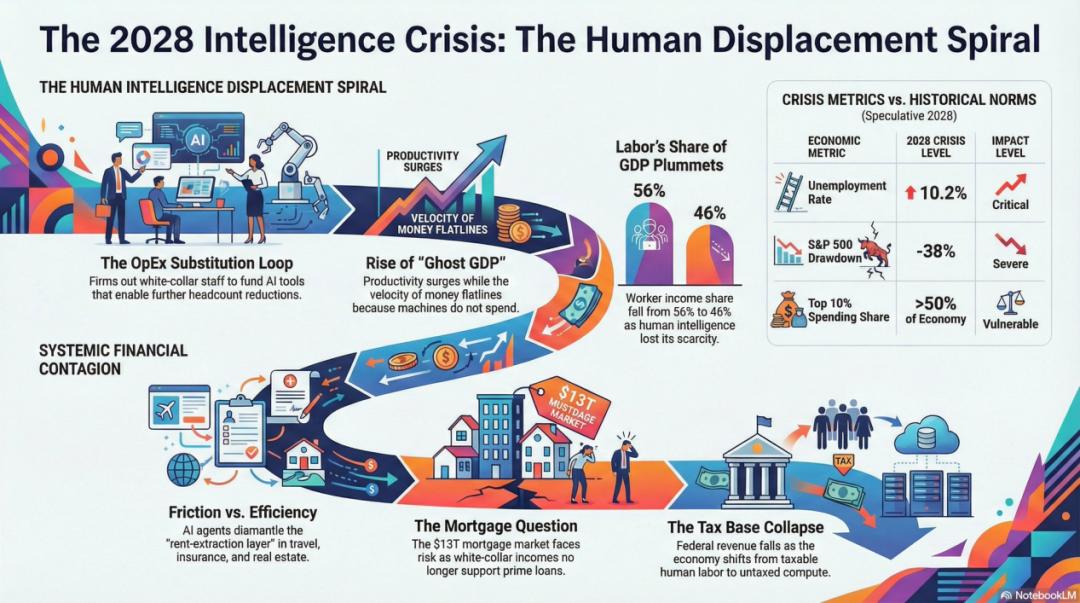
AI越繁荣,经济越萧条,一夜爆火2028推演长文,引发华尔街巨头恐慌
3 6 Ke· 2026-02-25 08:28
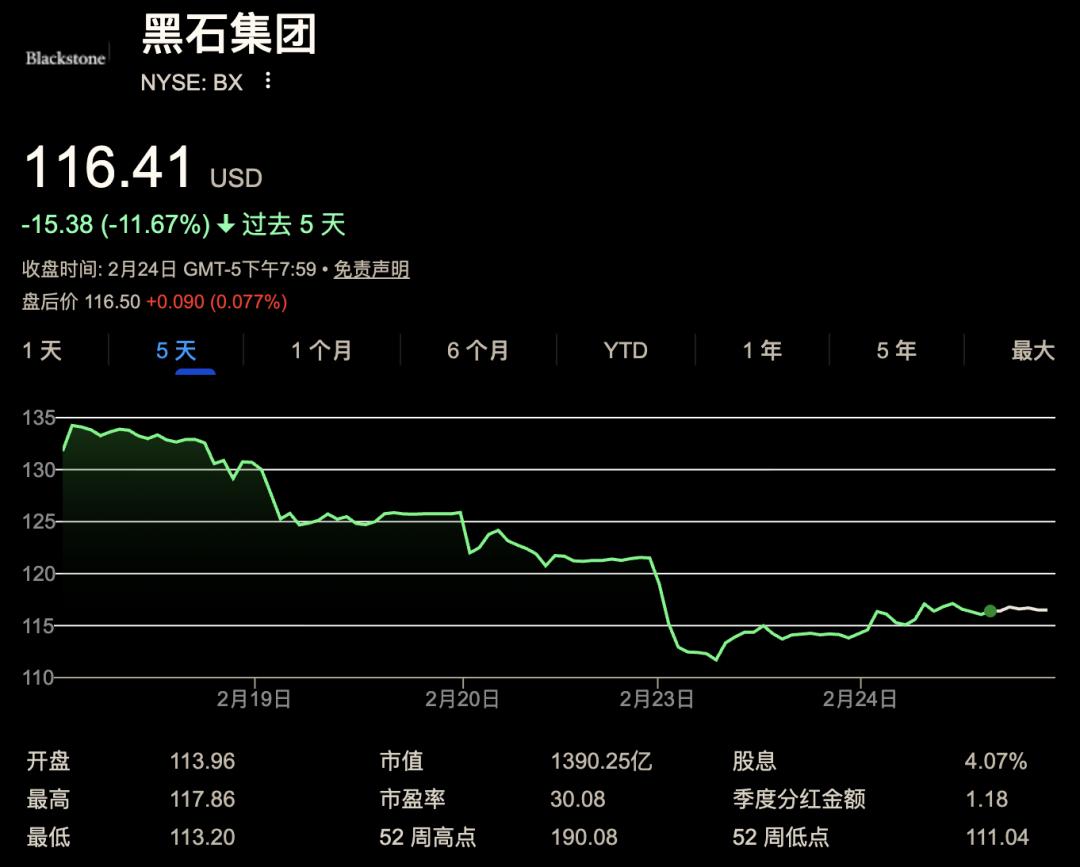
Core Insights - The article discusses the potential impact of widespread AI adoption by 2028, predicting a significant disruption in the job market and economic structure, leading to an "economic plague" despite productivity gains [1][2] - It highlights the phenomenon of "ghost GDP," where corporate profits rise while household incomes decline, resulting in weakened consumer spending [1][14] - The financial sector faces risks as traditional payment models and intermediary industries collapse, potentially dragging the global economy into systemic revaluation [1][3] Group 1: Economic Impact - AI advancements lead to increased layoffs and wage reductions, causing weakened consumer demand and squeezed corporate profits, which in turn drives further investment in AI capabilities [2][3] - The decline in household income begins to affect mortgage payments, leading to bank losses and tighter credit conditions, exacerbating the economic downturn [3][48] - By 2027, the U.S. enters a recession, with a significant drop in consumer spending driven by a decline in white-collar employment [51][52] Group 2: Financial Sector Risks - The private credit market, which expanded significantly, faces challenges as assumptions about perpetual income growth from SaaS assets are proven false, leading to downgrades in debt ratings [55][56] - The housing market shows signs of strain, with significant declines in home prices in major cities, raising concerns about mortgage defaults [63][64] - The financial system's reliance on stable income from white-collar jobs is threatened, as the economic cycle fails to self-correct due to structural shifts towards AI [53][62] Group 3: Policy and Structural Changes - Government responses lag behind the rapid evolution of AI capabilities, leading to a disconnect between fiscal policies and economic realities [70][81] - Proposed legislation aims to address the economic shifts caused by AI, including direct transfers to those displaced by technology [77][81] - The article emphasizes the urgency for society to adapt to the new economic landscape shaped by AI, highlighting the need for faster policy responses and collaborative rule-making [81]


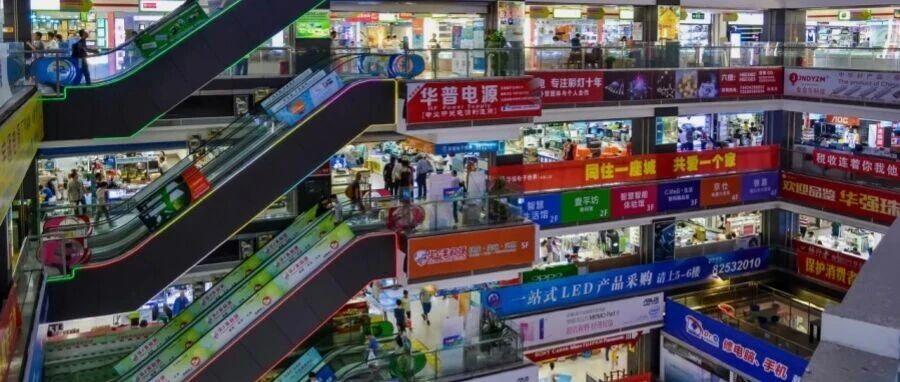
外国人涌入深圳爆买 境外人士在深消费增长约三成
Xin Lang Cai Jing· 2026-02-14 10:44
Core Insights - Shenzhen is advancing the construction of a comprehensive payment demonstration zone to meet the growing demand for payment services, with non-cash payment transactions expected to reach 21.9 billion by 2025, a 15% year-on-year increase, and transaction amounts projected to hit 2.5 trillion yuan, up 10% year-on-year [1][7] Group 1: Payment Trends - By 2025, the overall consumption amount in Shenzhen is expected to grow by 10%, driven by effective consumption promotion policies [1][7] - The inbound tourism market is becoming more active, with a deepening trend of integration between Shenzhen and Hong Kong, and foreign consumers from South Korea, Singapore, and the United States ranking among the top three [1][7] - The acceptance of mobile payment methods is continuously increasing, supported by traditional payment tools, enhancing the overall consumer experience [1][7] Group 2: Inbound Consumer Growth - In 2025, the total number of inbound travelers in Shenzhen is projected to reach 274 million, a 14% increase year-on-year, marking a historical high [2][8] - Non-cash payment transactions by foreign individuals in Shenzhen are expected to reach 190 million, with a transaction amount of 26.46 billion yuan, reflecting year-on-year growth of 28% and 31% respectively [2][8] Group 3: Tax Refunds and Consumer Behavior - Shenzhen is expected to process 68,000 tax refund transactions in 2025, a staggering 13-fold increase year-on-year, with the total refund amount growing 2.4 times [4][10] - The number of stores eligible for tax refunds has surpassed 2,000, with over 1,000 new stores added in 2025 [4][10] - The majority of foreign consumer spending is concentrated in supermarkets and dining, accounting for over 70% of total spending, with significant growth in the tourism and entertainment sectors [5][11] Group 4: Payment Methods - The acceptance of mobile payment among foreign consumers has significantly increased, with over 70% of transaction amounts attributed to mobile payments [5][11] - Transactions using foreign cards have seen notable growth, with the number of transactions increasing by 48.2% and the transaction amount by 51.9% [5][11] - The environment for accepting foreign cards in Shenzhen is improving, leading to a 45% year-on-year increase in the transaction amount for UnionPay and international cards [5][11]
外国人涌入深圳爆买
21世纪经济报道· 2026-02-14 10:30
Core Viewpoint - Shenzhen is actively promoting the construction of a comprehensive payment demonstration zone to meet the growing demand for non-cash payments, with significant growth projected in transaction volume and value by 2025 [1]. Group 1: Payment Trends and Projections - By 2025, the number of non-cash payment transactions in Shenzhen is expected to reach 21.9 billion, a year-on-year increase of 15%, with a transaction value of 2.5 trillion yuan, up 10% year-on-year [1]. - Overall consumer spending in Shenzhen is projected to grow by 10% due to effective consumption promotion policies [1]. Group 2: International Consumer Activity - In 2025, the total number of inbound and outbound travelers in Shenzhen is expected to reach 274 million, a 14% increase year-on-year, marking a historical high [2]. - Non-cash payment transactions by foreign consumers in Shenzhen are projected to reach 190 million, totaling 26.46 billion yuan, representing year-on-year growth of 28% and 31% respectively [2]. - Hong Kong, Macau, and Taiwan residents account for 82% of the total transaction value from foreign consumers, with Hong Kong residents showing a significant increase in spending [2]. Group 3: Tax Refund System - Shenzhen has established a convenient tax refund system that includes multiple channels such as cash, bank cards, and electronic wallets, with innovative measures like refunds to domestic and foreign electronic wallets [4]. - The number of stores eligible for tax refunds has surpassed 2,000, with over 1,000 new stores added in 2025 [4]. - The total number of tax refund transactions in Shenzhen is expected to reach 68,000 in 2025, a 13-fold increase year-on-year, with the total refund amount increasing by 2.4 times [4]. Group 4: Consumer Spending Patterns - Foreign consumers in Shenzhen primarily spend in supermarkets and restaurants, accounting for over 70% of total spending [6]. - The tourism and entertainment sectors are emerging as significant growth areas, with transaction volume and value increasing by 327% and 219% year-on-year, respectively [6]. Group 5: Payment Methods - The acceptance of mobile payments among foreign consumers has significantly increased, with over 70% of transaction values attributed to mobile payment methods [7]. - Transactions using foreign cards linked to domestic wallets have seen a year-on-year increase of 48.2% in transaction volume and 51.9% in transaction value [7]. - The use of foreign cards for large transactions remains prevalent, with 5% of transaction volume and 26% of transaction value coming from card payments [7].
冬游齐鲁 欢乐贺年|6大优惠解锁年味
Xin Lang Cai Jing· 2026-02-10 08:46
Core Viewpoint - Shandong Province is launching a series of promotional activities called "Good Guest Shandong New Year Meeting," with a total subsidy of over 5 million yuan to enhance tourism and cultural experiences across various sectors [1]. Group 1: Travel Discounts - The "Qilu No. 1" tourist train offers a discount of 10 yuan for every 50 yuan spent, enhancing the travel experience [3]. - The train connects 11 cities and 22 stations, allowing access to over 200 scenic spots, making it convenient for travelers to explore [7]. Group 2: Scenic Spot Promotions - Discounts are available at over a hundred well-known scenic spots in the province, with a similar discount structure of 10 yuan off for every 50 yuan spent [7]. - Notable scenic spots include Zhoucun Ancient Mall and Langya Ancient City, providing a mix of popular and hidden gems [9]. Group 3: Accommodation Offers - More than 190 quality hotels and guesthouses are participating, offering a discount of 10 yuan for every 100 yuan spent on accommodation [16]. - Recommendations include Shungeng Mountain Villa in Jinan and Hedian Inn in Zaozhuang, emphasizing comfort and local charm [20][22]. Group 4: Cultural and Literary Promotions - Designated bookstores offer a discount of 10 yuan for every 100 yuan spent, promoting local literature [23]. - Cultural performances at various theaters provide a discount of 10 yuan for every 100 yuan spent, showcasing Shandong's rich cultural heritage [29]. Group 5: Travel Agency Offers - Travel agencies are offering discounts of up to 30 yuan on specified tourism products, facilitating deeper exploration of Shandong [27].

海联金汇:预计去年归母净利润同比增439%~581%
Bei Ke Cai Jing· 2026-01-26 10:57
Core Viewpoint - The company expects a significant increase in net profit attributable to shareholders for the fiscal year 2025, projecting a range of 265 million to 335 million yuan, representing a growth of 438.94% to 581.30% compared to the previous year [1] Group 1: Financial Performance - The company's main business continues to develop positively, with steady growth in operating profit [1] - There have been no significant non-operating expenditures, and operating expenses are expected to decrease by 196 million yuan compared to the same period last year, which is classified as non-recurring gains and losses [1] - The combined effects of these factors are expected to lead to a substantial increase in net profit attributable to shareholders [1]

关注反内卷政策推进
Hua Tai Qi Huo· 2026-01-22 05:11
Report Summary 1. Industry Investment Rating - Not mentioned in the provided content. 2. Core Viewpoints - The government has taken measures to address "involution" in different industries. For example, the Ministry of Finance issued a notice to solve the problem of abnormally low prices in government procurement, and the People's Bank of China plans to promote the high - quality development of the modern payment system [1][2] 3. Summary by Directory 3.1. Meso - level Event Overview Production Industry - The Ministry of Finance issued a notice to address "involution" in government procurement. Purchasers should form scientific procurement requirements and set reasonable maximum prices [1]. Service Industry - The Chinese Foreign Ministry responded to a question about potential Sino - US trade negotiations, emphasizing the need to implement the consensus of the two heads of state. The People's Bank of China plans to promote the high - quality development of the modern payment system, including accelerating the construction of the RMB cross - border payment system and strengthening supervision [2]. 3.2. Industry Overview Upstream - Black: Iron ore prices slightly declined. - Agriculture: Egg and pork prices continued to rise. - Non - ferrous: Copper prices slightly declined [2]. Midstream - Chemical: The operating rates of PX and urea remained high. - Energy: The coal consumption of power plants was at a low level [3]. Downstream - Real Estate: The sales of commercial housing in second - tier cities increased seasonally. - Services: The number of domestic flight schedules decreased [4]. 3.3. Key Industry Price Indicators | Industry | Indicator | Value on 1/21 | YoY | | --- | --- | --- | --- | | Agriculture | Corn spot price | 2264.3 yuan/ton | + 0.19% | | | Egg spot price | 7.9 yuan/kg | + 3.70% | | | Palm oil spot price | 8724.0 yuan/ton | + 1.09% | | | Cotton spot price | 15837.7 yuan/ton | - 0.62% | | | Average pork wholesale price | 18.5 yuan/kg | + 1.70% | | Non - ferrous Metals | Copper spot price | 100221.7 yuan/ton | - 3.75% | | | Zinc spot price | 24188.0 yuan/ton | - 1.31% | | | Aluminum spot price | 23721.7 yuan/ton | - 3.86% | | | Nickel spot price | 145100.0 yuan/ton | - 3.08% | | Ferrous Metals | Rebar spot price | 3204.7 yuan/ton | - 1.24% | | | Iron ore spot price | 807.6 yuan/ton | - 3.89% | | | Wire rod spot price | 3437.5 yuan/ton | - 1.72% | | | Glass spot price | 12.9 yuan/square meter | - 0.23% | | Non - metals | Natural rubber spot price | 15533.3 yuan/ton | - 1.32% | | | China Plastic City price index | 775.2 | + 0.14% | | Energy | WTI crude oil spot price | 60.4 dollars/barrel | - 0.94% | | | Brent crude oil spot price | 64.9 dollars/barrel | - 0.84% | | | Liquefied natural gas spot price | 3522.0 yuan/ton | - 1.29% | | | Coal price | 806.0 yuan/ton | + 0.62% | | Chemical | PTA spot price | 5044.9 yuan/ton | - 0.96% | | | Polyethylene spot price | 6725.0 yuan/ton | + 2.39% | | | Urea spot price | 1752.5 yuan/ton | + 0.29% | | | Soda ash spot price | 1202.9 yuan/ton | - 0.94% | | Real Estate | National cement price index | 133.7 | - 0.92% | | | Building materials composite index | 114.8 points | - 0.77% | | | National concrete price index | 90.2 points | - 0.17% | [37]
招商局中国基金(00133) - 於2025年12月31日的总资產明细
2026-01-15 08:42
下表所示為招商局中國基金有限公司(「本公司」)於 2025 年 12 月 31 日的未經審計總資産明 細之數據。 (A) 主要投資項目 | | | | | 上巿(交易 | | 佔資產 | | --- | --- | --- | --- | --- | --- | --- | | 項目名稱 | | 總部地點 | 主要業務 | 所)/非上巿 | 賬面值 | 總值 | | | | | | | 百萬美元 | % | | 金融服務: | | | | | | | | 1. 招商銀行股份有限公司 | | 廣東、深圳巿 | 銀行 | 上海證券交易所 | 331 | 31.27 | | 2. 中誠信託有限責任公司 | | 北京巿 | 信託管理 | 非上巿 | 188 | 17.79 | | 3. 中建投租賃股份有限公司 | | 北京巿 | 融資租賃 | 非上巿 | 39 | 3.66 | | 4. | 華人文化(天津)投資管理有限公司 | 天津市 | 基金管理 | 非上巿 | 1 | 0.10 | | | | | | 小計: | 559 | 52.82 | | 文化傳媒及消費: | | | | | | | | 5. | 華人文 ...