文化创新

Search documents
年轻力量激活城市新经济
Zhong Guo Qing Nian Bao· 2025-05-06 02:09
Core Insights - The article highlights the vibrant consumption patterns and cultural creativity of the younger generation, particularly during the May Day holiday, showcasing their role as a driving force in reshaping urban economic landscapes [1][2][3] Group 1: Youth Consumption Trends - The Z generation is creating new consumption landscapes, with significant growth in sectors like the Hanfu industry, which saw a 240% increase in revenue during the holiday [2] - Unique experiences and cultural recognition are becoming primary motivators for youth spending, shifting from traditional shopping to social sharing and personalized expression [3][6] - Various cities are witnessing a surge in youth-centric activities, such as art markets and music festivals, contributing to a 75% increase in nighttime consumption in Chengdu [3][5] Group 2: Cultural and Economic Synergy - Events like the "Youth Art Market" in Hangzhou are fostering collaboration between young entrepreneurs and cultural creators, generating over 10 million yuan in potential orders [4] - The integration of traditional crafts with modern trends is evident in events like the coffee and bread festival in Zhejiang, attracting diverse audiences [2][4] - The collaboration between local governments and youth initiatives is enhancing urban cultural vitality, with cities implementing programs to support youth entrepreneurship and cultural events [6][7] Group 3: Government Initiatives and Support - Cities are adopting strategies to create youth-friendly environments, with initiatives like the "Youth Friendly Day" in Panzhihua attracting over 100,000 young consumers and generating significant sales [7] - Programs such as the "Qinghe Package" in Hangzhou, offering exclusive discounts and experiences, are designed to stimulate youth spending and enhance their quality of life [6][7] - The establishment of creative spaces and funds for youth-led projects is becoming a trend, with cities like Qingdao and Chengdu supporting innovative cultural and tourism initiatives [7]
去发掘美,传递美
Ren Min Ri Bao· 2025-05-04 22:12
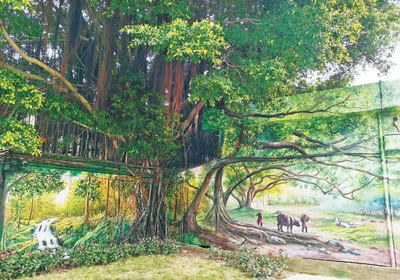
Group 1 - The core mission of the company is to discover and convey beauty through mural art, which is seen as a means of cultural innovation and expression [1][2] - The company faced challenges in the mural business, including difficulties in commercial cooperation and issues with mural durability, but these challenges fueled a determination to innovate and improve [1] - The company has successfully built a reputation through social media, particularly WeChat, and has established a team named "Mumu Bird" [1] Group 2 - The company emphasizes the cultural significance of mural art, viewing it as a means to preserve and promote cultural heritage, as demonstrated by the restoration of lost murals [2] - The company engages in community-oriented projects, such as creating murals that raise awareness for social issues, including accessibility for the visually impaired and creating warm environments for special needs children [2] - The company believes that art should not only beautify life but also inspire and uplift society, reflecting the values of the new generation [2]

唢呐何以“圈粉”年轻人(人文茶座)
Ren Min Ri Bao· 2025-05-01 21:51
Core Viewpoint - The traditional Chinese instrument, suona, is experiencing a resurgence among young people, driven by innovative adaptations and cultural relevance [1][2][3] Group 1: Historical Context and Cultural Significance - Suona has deep roots in Chinese culture, having been introduced via the Silk Road and becoming integral to various cultural practices and celebrations [1] - The instrument has historically been associated with significant life events, such as weddings and farewells, embedding it in the cultural memory of the Chinese people [1] Group 2: Challenges and Innovations - There was a period when suona was perceived as "outdated," leading to challenges in its transmission and a narrow audience [2] - Suona artists have been exploring diverse performance styles, including solo and group performances, as well as integrating traditional and contemporary music [2] Group 3: Engagement with Youth and Future Prospects - Young people are creatively transforming and innovating traditional music, incorporating suona into modern contexts such as video games and electronic music [2] - Initiatives like public suona classes have attracted significant interest, with nearly 500 participants learning to play, indicating a growing appreciation and potential for cultural transmission [3] - The resurgence of interest in suona among youth reflects a broader cultural revival and recognition of traditional values [3]
北外滩奏响“产城人文”融合发展交响曲
Guo Ji Jin Rong Bao· 2025-03-31 02:46
Group 1 - The forum emphasizes the importance of culture in calibrating the value coordinates for high-quality financial development and wealth preservation, while finance provides funding support for cultural prosperity [1][2] - Shanghai's Hongkou District is experiencing significant economic growth, with a GDP increase of 8.2% and foreign investment growth of 35.8% in 2024, leading the city in both metrics [1] - The establishment of over 60 financial institutions, including foreign-owned financial technology companies, highlights Hongkou's role as a financial management hub with over 2,100 financial management organizations [1] Group 2 - The forum launched three key projects aimed at enhancing the integration of finance and culture, including a high-end platform for financial and cultural exchange, a collection of exemplary cases of financial and cultural integration, and a merger and acquisition ecosystem alliance [3] - The release of the first carbon finance industry policy in Shanghai's Hongkou District aims to promote high-quality development in carbon finance, positioning the area as a core hub for green finance [3] Group 3 - Experts suggest that Shanghai should aim to lead in the construction of a unique financial culture, promote Sino-foreign financial cultural exchanges, and serve as a model for the financial culture system [4] - The rise of DeepSeek reflects China's new narrative in the innovation landscape, with Chinese assets outperforming global markets since the Spring Festival [4][5] Group 4 - Hongkou District is accelerating its development as a global asset management center, with an asset management scale exceeding 8 trillion yuan, and is focusing on the cultural foundation of asset management [6] - The forum featured discussions on the principles of rational, value, and long-term investment, emphasizing the importance of these concepts in the asset management industry [6]
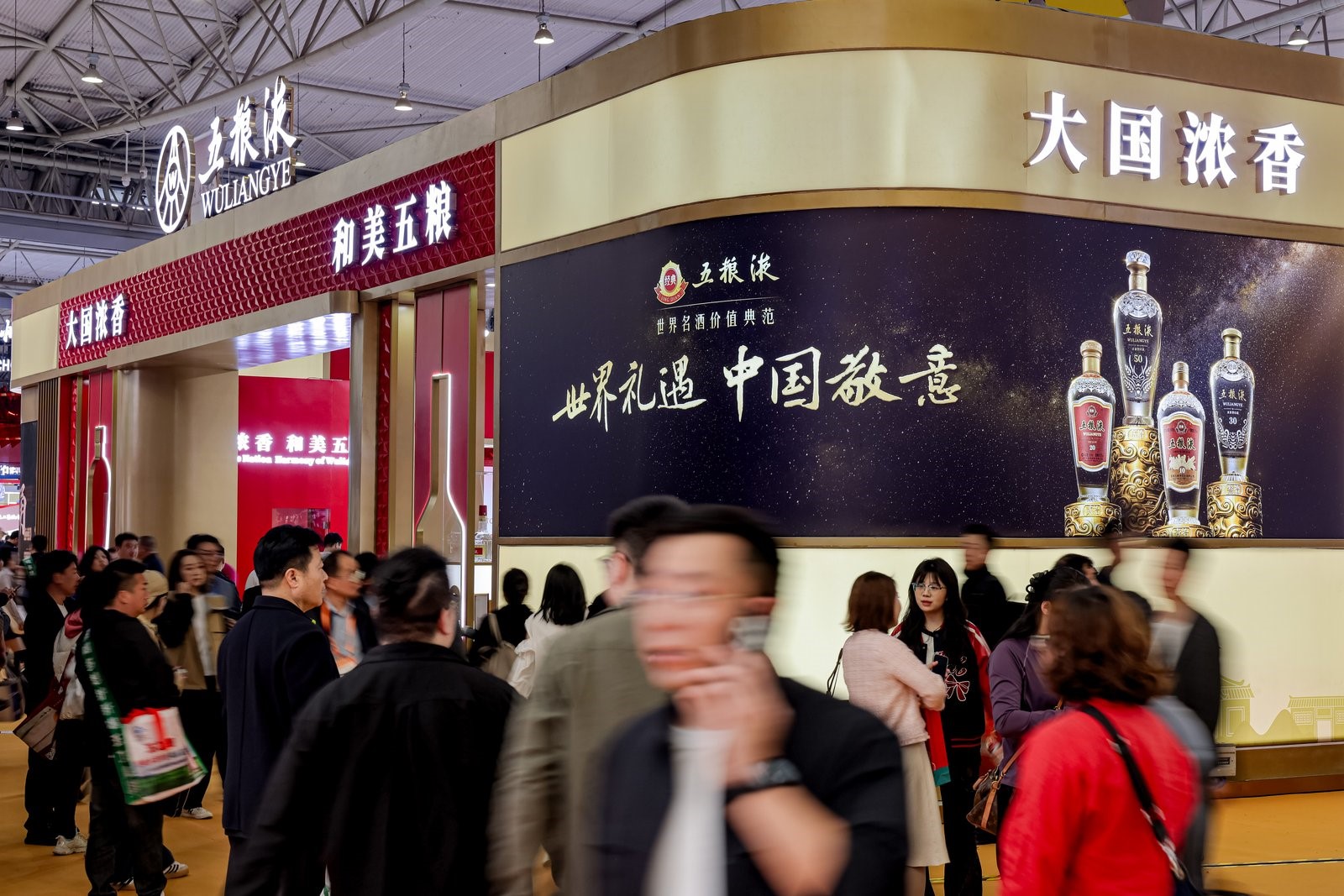
落地“为消费者创造美好” 五粮液将直播间搭进春糖展厅
Cai Jing Wang· 2025-03-26 07:24
Core Viewpoint - Wuliangye has integrated a live streaming room into its exhibition space at the 112th National Sugar and Wine Products Trade Fair, enhancing consumer interaction and engagement while showcasing its diverse product offerings [3][5][9] Group 1: Event Participation - The 112th National Sugar and Wine Products Trade Fair commenced on March 25 in Chengdu, with Wuliangye's booth located at a prime position in the Century City International Exhibition Center [3] - Wuliangye is actively participating in the fair, conducting live streams daily from 9 AM to 6 PM, and offering various gifts and prizes to viewers [3][5] Group 2: Product Display - Wuliangye's exhibition features a rich product matrix, including the eighth generation of Wuliangye, various alcohol degrees, and cultural products like zodiac-themed wines, showcasing the brand's innovation and cultural heritage [5][7] - The booth design emphasizes historical heritage, featuring a three-dimensional display of the "Old Cellar Group" to narrate the brand's cultural legacy and craftsmanship [7] Group 3: Brand Strategy - Wuliangye aims to enhance brand influence and market competitiveness by providing quality products and services, while also focusing on consumer rights protection [9] - The company is committed to deepening brand value through cultural foundations and innovation, reflecting a strong confidence in high-quality development amidst evolving consumer sovereignty [9]