
文旅融合

Search documents
文旅巨头多维赋能 *ST张股重整焕新可期
Zheng Quan Ri Bao Zhi Sheng· 2025-11-21 14:09
Core Viewpoint - Zhangjiajie Tourism Group Co., Ltd. has entered a restructuring process, supported by strong backing from state-owned enterprises, local government policies, and systematic governance optimization, which together create a solid value foundation for long-term investment [1] Group 1: Restructuring Highlights - The participation of multiple state-owned listed companies in the restructuring provides stable expectations and quality resource support [1] - Hunan Electric Media Co., Ltd., as a leading cultural enterprise in Hunan Province, offers robust policy coordination and resource support for cultural tourism integration projects [1] - The core implementation entity, Mango Cultural Tourism Investment Co., Ltd., will leverage its nearly 20 years of experience in cultural tourism project management for the transformation of Duyong Ancient City [2] Group 2: Collaborative Efforts - A specialized operating company will be jointly established by Electric Media and other professional cultural tourism institutions to lead the quality improvement and market-oriented operation of Duyong Ancient City [2] - Caesar Travel Development Co., Ltd. will collaborate with Zhangjiajie Tourism Group on tourism product development, supply chain optimization, and expanding domestic and international customer sources [2] - The involvement of Jifuqingyuan Investment Partnership will inject cultural connotations into the scenic area, enhancing visitor return rates through brand linkage and co-hosted events [2] Group 3: Financial and Structural Support - Zhangjiajie Industrial Investment (Holding) Co., Ltd. has acquired 1.09 billion shares at a price of 3.96 yuan per share, demonstrating confidence in the company's future development [3] - The restructuring agreement includes participation from 17 restructuring investors, many of whom have state-owned backgrounds, providing dual guarantees of financial support and resource empowerment [3] - The implementation of the restructuring plan is expected to fundamentally improve the asset-liability structure of Zhangjiajie Tourism Group, enhancing the profitability of its core business [3]


安徽文化产业项目推介暨签约大会在沪成功举办 长三角文旅协同发展迈出新步伐
Jiang Nan Shi Bao· 2025-11-21 09:32
在项目签约环节,江苏片投影业院线电影项目作为本次大会唯一影视类签约项目备受关注。据悉,该项 目已于11月3日在苏州举行启动仪式,由苏州市文学艺术界联合会、黄山市文化和旅游局负责同志及业 界专家学者等与项目出品人、导演李亢共同启动。本次大会的签约代表李亢作为国内知名导演,长期致 力于影视创作与文化交流,兼具学术视野与行业实践经验,其作品曾获多项国内外奖项并在主流平台播 出,具有广泛社会影响力。 本次推介会作为长三角国际文化产业博览会的重要配套活动,是安徽积极融入长三角一体化发展、精准 对接区域优质资源的有力举措。近年来,安徽围绕文化事业、文化产业、文旅融合"三业"统筹,持续健 全现代文化产业体系和市场体系,不断壮大文化市场主体,培育新型文化业态与文化消费模式,推动全 省文化产业呈现千帆竞发、生机勃勃的崭新局面。 本报上海11月20日电,今日,安徽文化产业项目推介暨签约大会在上海国家会展中心隆重举行。大会 以"创新安徽 向新而行"为主题,全面展示安徽省文化产业高质量发展的新成果、新布局与新优势,着 力塑造"创新安徽"的"皖美"形象,进一步提升安徽文化产业在长三角区域和全国范围内的辐射力与影响 力。安徽省副省长孙勇 ...
临夏有约:彩陶、黄河与民族风情共生共兴
Zhong Guo Xin Wen Wang· 2025-11-21 07:39
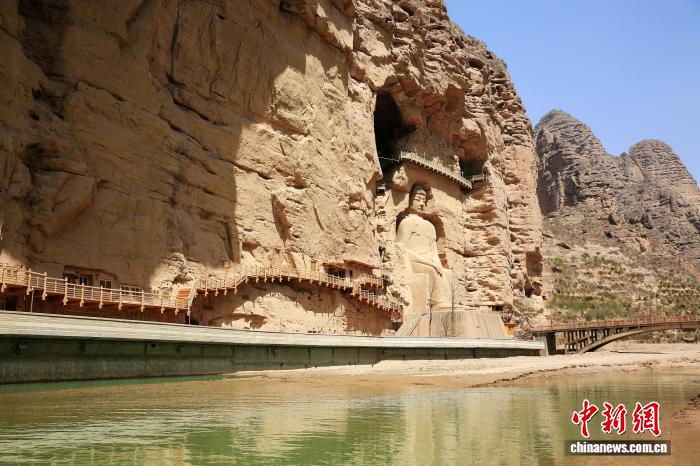
临夏有约:彩陶、黄河与民族风情共生共兴 中新网兰州11月21日电(王牧雨 艾庆龙)地处黄河上游、古丝绸之路南道要冲的甘肃临夏回族自治州,素 有"彩陶之乡""古生物的伊甸园"等美誉。"十四五"期间,临夏依托黄河文化、自然景观和民族风情,推 动文旅产业从"潜力培育"迈向"全域发展",实现了从"景点游"到"全域游"的跨越。 文化"活"起来,旅游"厚"起来 临夏坚持"以文塑旅",深入挖掘黄河文化、非遗资源和史前文明。近年来,新庄坪遗址、林家遗址等考 古工作取得新进展,广河县齐家文化国家遗址公园等重点文保项目稳步推进。世界级非遗项目"花儿"通 过修订保护条例、规划生态保护区,实现新传承。砖雕、木雕、保安腰刀等非遗技艺融入旅游商品开 发,实景剧目《花开临夏五千年》《黄河安澜》等成为文旅融合的亮眼名片。 甘肃省政府新闻办21日举行"决胜收官'十四五' 争先进位话发展"主题系列新闻发布会——临夏专场。 据临夏州副州长王光龙介绍,五年来,当地旅游接待人数从2020年的约1200万人次增长至2024年的逾 4300万人次,年均增长近四成;旅游收入从近60亿元跃升至230多亿元,年均增长约四成。文旅产业正 成为临夏高质量发展的新引 ...

新鲜食材+地道手艺 延吉特色美食带动文旅消费热
Yang Shi Xin Wen Ke Hu Duan· 2025-11-21 07:07
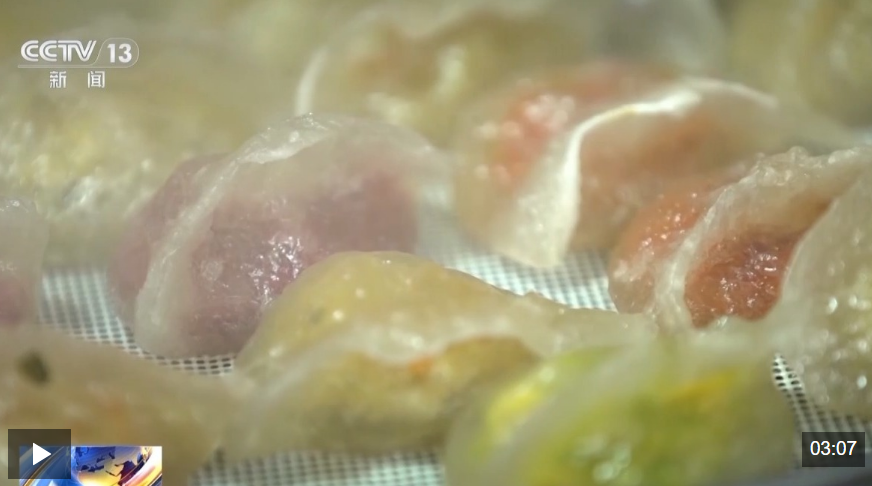
Core Insights - The article highlights the transformation of Yanji's water market into a vibrant cultural and culinary destination, attracting both local residents and tourists, particularly due to its unique breakfast offerings and the integration of local customs with tourism [9][12]. Group 1: Market Overview - Yanji Water Market, established over 20 years ago, is a key local landmark that showcases the region's culinary and cultural heritage, featuring over 300 vendors along a 200-meter stretch [3]. - The market has evolved from a traditional local procurement hub to a must-visit destination for national tourists, driven by the appeal of its diverse food offerings and cultural experiences [9]. Group 2: Culinary Highlights - Signature dishes such as Jiangmi Chicken, made with local black soil rice and nutritious ingredients, are particularly popular among both locals and visitors [5][6]. - The market offers a variety of rice cakes and other traditional foods, with vendors adapting recipes to cater to different tastes, including options for takeaway [8][14]. Group 3: Visitor Experience - The market sees an average of 5,000 visitors daily, with numbers soaring to around 20,000 during holidays and peak seasons, indicating its growing popularity [12]. - Tourists are drawn to the market not only for the food but also to immerse themselves in the local culture, with many seeking to experience the breakfast culture of the region [9][11]. Group 4: Tourism Development - The opening of the Shenyang-White high-speed railway has significantly increased tourist traffic, prompting local businesses to enhance their offerings and services [11]. - The local government plans to introduce tourism consumption vouchers and expand transportation routes to further promote Yanji as a winter tourism destination [20].
让古老遗产长出文旅“新”模样
Zhong Guo Qing Nian Bao· 2025-11-21 06:28
Core Insights - The "2025 Ancient Architecture New Language" contemporary art exhibition in Jincheng, Shanxi, showcases the reinterpretation of ancient architecture through modern artistic expressions, fostering a dialogue between youth and cultural heritage [1][2][7] Group 1: Exhibition Overview - The exhibition is organized by UCCA Lab and attracted over 30,000 visitors in its first week, indicating strong public interest [2] - It features works that blend ancient architectural elements with contemporary art, creating immersive experiences that connect viewers with historical narratives [3][4] Group 2: Cultural Significance - The exhibition aligns with the "14th Five-Year Plan" which emphasizes the preservation and promotion of traditional Chinese culture, aiming to integrate cultural heritage with tourism [1][6] - Artists explore themes of humanity's relationship with nature and the universe, using ancient architectural structures as a foundation for their creative expressions [2][5] Group 3: Audience Engagement - A team of local university student volunteers provides relatable explanations of the artworks, making the exhibition more accessible to younger audiences [3][4] - The integration of cultural elements into everyday life is highlighted through the creation of cultural products inspired by ancient architecture, appealing to younger demographics [4][5] Group 4: Long-term Vision - The Jincheng cultural tourism department plans to develop "art exhibition + ancient architecture tour" routes, enhancing the connection between contemporary art and historical sites [6][7] - Future exhibitions are anticipated to continue this trend of merging ancient culture with modern expressions, ensuring the vitality of cultural heritage [7]
杭州景区再启免费模式,带来哪些启示?
Yang Shi Wang· 2025-11-21 06:17
Core Viewpoint - The Hangzhou Lingyin Feilai Peak Scenic Area will implement a free admission policy starting December 1, aiming to enhance cultural tourism integration and increase visitor engagement with the site's historical significance [1][2]. Group 1: Reasons for Free Admission - The free admission policy is a significant step towards deepening cultural tourism integration and realizing the "cultural benefit to the public" concept [2]. - The scenic area aims to improve its visibility and influence compared to other renowned sites like Dunhuang and Longmen Grottoes, especially after its successful UNESCO heritage application [2]. Group 2: Management and Visitor Experience - The scenic area will implement real-name reservations and timed visits to manage visitor flow effectively, ensuring a comfortable experience for tourists [3]. - The management strategy will utilize smart technology to optimize visitor management and enhance the overall experience [3]. Group 3: Supporting Measures and Financial Considerations - The responsibility for public services in the scenic area should be shared between central and local governments, ensuring financial support for the free admission model [4]. - The future development should focus on shared experiences between tourists and local residents, with businesses inside the scenic area contributing to operational costs through taxes [4]. - Local governments should recognize the trend towards reduced or free admission in state-owned scenic areas as a necessary market evolution [5]. - Diverse financial strategies, including tax revenue and contributions from enterprises, should be explored to support the scenic area financially [6]. - Innovations in digitalization and commercial integration are essential for generating diversified revenue streams for the scenic area [7].
“早餐经济”成为吉林延吉文旅融合生动缩影 催生“一冷一暖”新消费场景
Yang Shi Wang· 2025-11-21 02:19
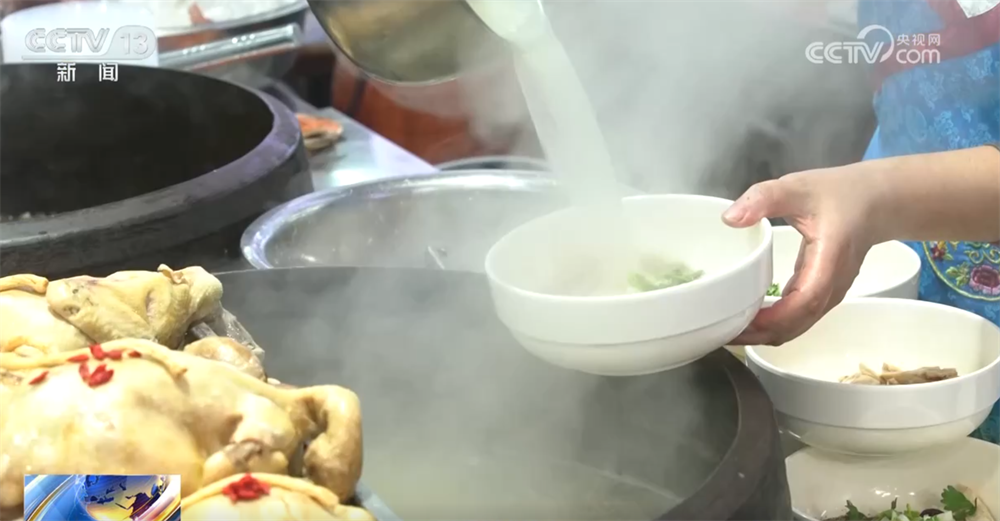
Core Insights - The article highlights the emergence of breakfast culture as a significant aspect of urban tourism and local economy, particularly in Yanji, Jilin, where the water market has transformed into a must-visit destination for tourists [1][9]. Group 1: Breakfast Economy - The breakfast economy is becoming a vital part of the cultural and tourism integration in Yanji, with local businesses upgrading their products and services to cater to increasing tourist demand [9][13]. - The Yanji water market, with over 300 vendors, offers a variety of traditional Korean dishes, such as Jiangmi chicken and rice cakes, which are popular among both locals and visitors [1][4]. Group 2: Tourist Attraction - The water market has evolved from a local procurement market to a national tourist landmark, attracting visitors with its unique culinary offerings and cultural experiences [9][11]. - The market opens at 5 AM, creating a vibrant atmosphere where tourists can enjoy diverse ethnic foods at affordable prices, enhancing the cultural experience [7][9]. Group 3: Business Adaptation - Local vendors are adapting to tourist preferences by modifying traditional recipes and offering take-away options, thus expanding their market reach [11][13]. - Some vendors utilize online platforms for live streaming and sales, integrating online and offline shopping experiences [13]. Group 4: Tourism Promotion - The local government plans to launch tourism consumption vouchers and enhance transportation links to attract more visitors, particularly for the winter tourism season [15]. - The opening of the Shenbai high-speed railway is expected to facilitate access to various winter activities, creating a comprehensive tourism experience that combines culinary delights with winter sports [15].
新民大街“拆围”记
Ren Min Ri Bao· 2025-11-20 22:21
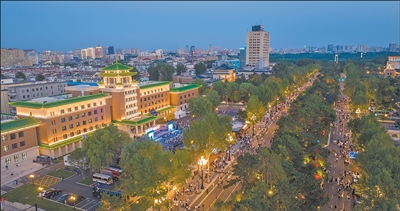
Core Viewpoint - The revitalization of Xinmin Street in Changchun, Jilin Province, transforms it into a vibrant pedestrian area, showcasing historical architecture and enhancing community engagement while reflecting the principle of "People's City Built by the People" [1][2][3]. Group 1: Historical Significance - Xinmin Street, established in the 1930s during the puppet Manchukuo era, features buildings that once housed government offices and later served educational and medical purposes, symbolizing both colonial suffering and the spirit of resistance among the Northeast people [2][3]. - The street's historical buildings are now accessible to the public, serving as leisure spaces and educational sites, thus bridging the gap between history and contemporary life [2][3]. Group 2: Urban Development and Transformation - The renovation project, initiated in February, involved the removal of 3,724 meters of enclosing walls, resulting in the release of 4.5 hectares of green space and the addition of 13 pocket parks, enhancing the street's aesthetic and functional appeal [3][7]. - The project reflects a collaborative effort among various government departments to ensure minimal disruption to local institutions while maximizing public access and engagement [3][7]. Group 3: Economic Impact - By the end of August, Xinmin Street attracted nearly 5 million visitors, generating over 2.7 billion yuan in economic revenue, highlighting its role as a significant cultural and economic hub [6][7]. - The street's revitalization has stimulated surrounding commercial areas, creating a ripple effect that enhances the overall tourism and cultural landscape of Changchun [7][8]. Group 4: Cultural Integration and Future Prospects - The integration of modern technology, such as QR codes for historical information and AR guides, enhances visitor interaction and educational opportunities, making history more accessible [3][6]. - Future plans include developing three tourism routes centered around Xinmin Street, aiming to further enrich local tourism and cultural offerings, thereby sustaining the momentum of revitalization [7][8].
积极拓展文旅融合深度与广度
Jing Ji Ri Bao· 2025-11-20 22:15
Core Insights - The Chinese government emphasizes the deep integration of culture and tourism as a strategic initiative to develop the cultural tourism industry into a pillar sector, which is crucial for optimizing economic structure and enhancing consumer demand during the 14th Five-Year Plan period [1][2] Group 1: Industry Growth and Economic Impact - In 2024, China's cultural industry is projected to achieve a revenue of 19,142.3 billion yuan, with domestic tourist spending reaching 5.75 trillion yuan, reflecting growth rates of 7.1% and 17.1% respectively compared to the previous year [1] - The flourishing cultural tourism sector is driving growth in related industries such as dining, accommodation, transportation, and commerce, becoming a new engine for regional economic development [1] - The development of cultural tourism not only enriches cultural life but also expands domestic demand and promotes employment, serving as a significant force for economic growth and improving people's well-being [1] Group 2: Comparative Analysis and Challenges - Compared to other cultural tourism powerhouses, China's cultural tourism industry lags in both overall scale and its contribution to GDP, with cultural and related industries accounting for only 4.59% and tourism-related industries for 4.24% of GDP in 2023 [2] - Challenges in the development of cultural tourism in China include the need for improved integration mechanisms, deeper integration, and optimized pathways for collaboration between cultural and tourism sectors [2] Group 3: Policy Recommendations and New Business Models - Establishing a joint meeting system to promote the integration of culture and tourism, incorporating this integration into national economic and social development plans, and optimizing supportive policy frameworks are essential for fostering the sector [3] - The focus should be on creating new business models that cater to diverse consumer groups, such as the elderly, families, and younger generations, by innovating cultural tourism products that align with segmented consumer preferences [3] - Promoting cross-industry integration, such as "culture + tourism" and "cultural tourism + various industries," will help create diverse new consumption scenarios and products [3] Group 4: Technological Innovation - The integration of digital technologies like the Internet, IoT, cloud computing, big data, AI, and 5G is crucial for reshaping the cultural tourism landscape and driving innovation in content production [4] - Emphasizing the application of digital technology in the cultural tourism sector can enhance the convenience, experience, communication, and intelligence of cultural tourism products, leading to an overall increase in productivity [4]
湖南省衡山县:推进文旅融合,激活区域发展新动能
Ren Min Ri Bao· 2025-11-20 21:41
Core Viewpoint - Hunan Province's Hengshan County is leveraging the opportunity to accelerate the construction of the Greater South岳 Hengshan Tourism Economic Circle, transitioning from a "borrowed light" to a "shining" role in tourism, and evolving from a "geographical hinterland" to a "value hub" in regional development [1] Strategic Upgrade - Hengshan County has historically played a "channel" role in the provincial tourism landscape, despite having notable attractions like Mount Heng and the Xuanzhou National Forest Park [2] - Under the strategic guidance of constructing the Greater South岳 Hengshan Tourism Economic Circle, Hengshan County is breaking through its limitations through systematic planning and development [3] Path Expansion - Transportation is crucial for development, with nine expressway entrances facilitating effective connections between attractions and the highway network, significantly reducing travel times to key sites [4] - Projects serve as the foundation for cultural tourism development, with the Hengshan渡·湘江渡口民俗文化印象体验地 creating a new space for cultural experience, leisure consumption, and ecological sightseeing [4] - The county is enhancing its regional influence by hosting the third Hengyang Tourism Development Conference, which is a key move in promoting cultural tourism integration [4] Development Efficiency - Hengshan County is transforming from a "regional supporting role" to a "value engine," with the establishment of a "10-minute traffic circle" and a network of nine expressway entrances [6][7] - The county's tourism has shifted from a "channel economy" to a "customer retention economy," with flagship projects driving this transformation [7] - From January to October, Hengshan County received 5.0267 million visitors, marking a strong performance in the "customer retention economy" [7]