
早餐经济

Search documents
“出入口经济”让古都魅力可触可感催生多元消费场景 “早市+城墙”为经济注入新活力
Yang Shi Wang· 2026-01-30 06:31
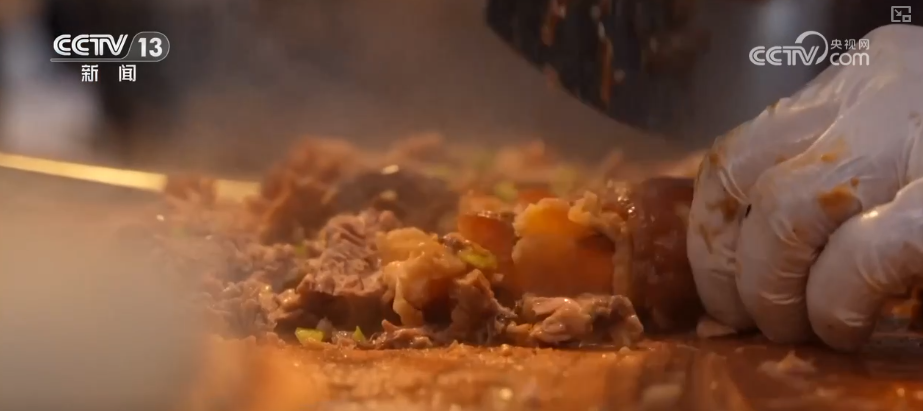
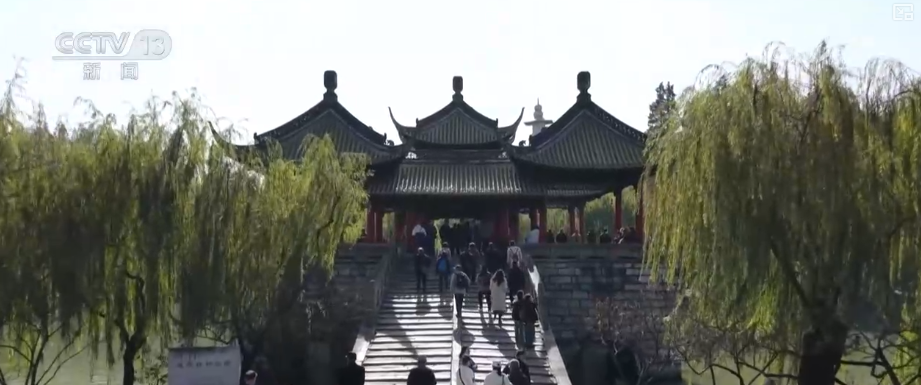
Core Viewpoint - The article highlights the vibrant breakfast culture in Xi'an, particularly focusing on the popularity of traditional foods like Roujiamo (meat sandwich) and Zenggao (steamed cake), showcasing how these foods contribute to the city's morning economy and cultural heritage [1][11][21]. Group 1: Breakfast Culture - In Xi'an, breakfast is not just a meal but a cultural experience, with local specialties like Roujiamo and Zenggao being central to this tradition [1][11]. - The bustling atmosphere of breakfast spots reflects a search for comfort and warmth in daily life, embodying the essence of the "breakfast economy" [11][21]. Group 2: Roujiamo (Meat Sandwich) - Roujiamo is described as a classic dish in Xi'an, made with freshly baked Baijimo (flatbread) and flavorful stewed meat, creating a rich and satisfying breakfast option [7][9]. - The preparation involves skilled techniques, with the meat being cooked to perfection and served in a crispy, warm flatbread, enhancing the overall taste experience [9][7]. Group 3: Zenggao (Steamed Cake) - Zenggao, a traditional delicacy, is made using glutinous rice, red dates, and red beans, and is known for its soft and sweet flavor, deeply rooted in local culinary traditions [14][16]. - The preparation process is meticulous, involving layering ingredients and slow steaming for several hours, which contributes to its unique texture and taste [18][14]. Group 4: Market Dynamics - The Xiao Nan Men morning market serves as a hub for both locals and tourists, offering a variety of breakfast options and local delicacies, thus enhancing the city's culinary tourism [22][26]. - The market's proximity to historical sites like the Xi'an City Wall creates a blend of cultural and consumer experiences, attracting a diverse crowd and stimulating local economic activity [30][31]. Group 5: Cultural Heritage and Economic Impact - The integration of traditional food culture with modern consumer experiences is evident in the development of new market scenes, which contribute to the city's economic vitality [30][31]. - The Xi'an City Wall's management is actively promoting cultural tourism through various entry points, enhancing visitor engagement and supporting local businesses [28][31].

美食“引”客、体验“留”客 “早餐经济”为消费增长注入活力引擎
Yang Shi Wang· 2026-01-03 07:59
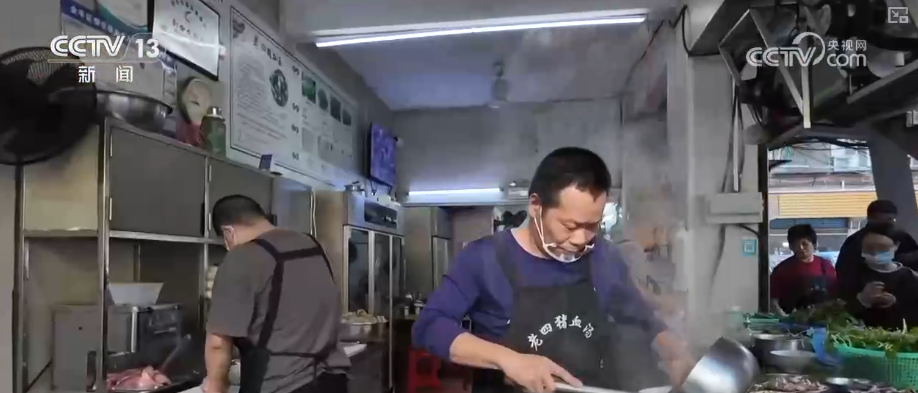
Core Insights - Breakfast culture in Shantou is highlighted as a vital aspect of local life, showcasing the city's culinary diversity and cultural richness [1] - The development of unique breakfast offerings and consumption scenarios has been observed in various regions, with Shantou being a prime example due to its emphasis on fresh ingredients and traditional flavors [1] Group 1: Breakfast Offerings - Shantou's breakfast scene features a variety of dishes, including pig blood soup, rice rolls, and traditional snacks like "guo zhi" [5][11] - The preparation of pig blood soup involves slow-cooked broth from various bones, emphasizing the local belief in the medicinal properties of food [3] - "Guo zhi" is made from freshly ground rice paste, served with marinated meats and rich sauces, showcasing the importance of fresh ingredients in local cuisine [7][9] Group 2: Culinary Techniques - The making of rice rolls (肠粉) is a meticulous process that requires precise ratios of rice flour and water, adjusted based on weather conditions to ensure optimal texture [21][23] - The flavor of rice rolls is enhanced by a carefully prepared sauce made from pork bones and various spices, highlighting the depth of culinary craftsmanship in Shantou [27][29] Group 3: Tourism and Economic Impact - The integration of food and tourism in Shantou has transformed breakfast into a significant driver of local economic growth, attracting visitors and enhancing cultural experiences [31][40] - The local government has invested in creating vibrant food streets and cultural landmarks, which have become popular destinations for both tourists and locals [35][39] - In the first three quarters of 2025, Shantou is projected to receive over 50 million tourists, generating more than 60 billion in tourism revenue, reflecting a 13% growth rate [40]
“早市+夜市+景点”延长“链式体验” “早晚互动”为城市经济注入新鲜活力
Yang Shi Wang· 2025-12-06 05:40
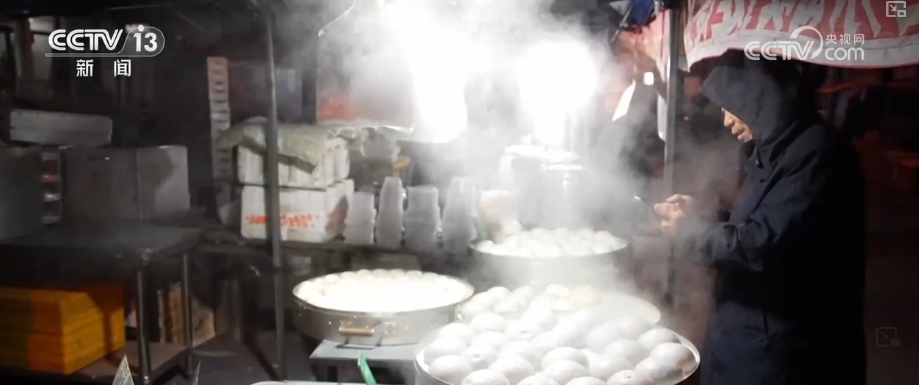
Core Viewpoint - The breakfast market in Jinzhou, particularly the Shiqiaozi morning market, has become a vibrant cultural and tourism hub, attracting both locals and tourists with its diverse food offerings and lively atmosphere [1][20][23]. Group 1: Market Dynamics - The Shiqiaozi morning market operates from 7:00 AM to 9:30 AM, becoming the busiest place in Jinzhou during these hours, with many visitors coming specifically for breakfast [5][20]. - The market has grown significantly, now spanning 1.2 kilometers and featuring over 1,200 stalls, with more than 160 food stalls at peak times [7][20]. - The variety of breakfast options includes traditional dishes such as fried dough sticks, tofu pudding, and local specialties, appealing to a wide range of tastes [10][18]. Group 2: Cultural Integration - The morning market serves as a bridge for cultural and tourism integration, enhancing the city's appeal through upgraded facilities and modern management practices [22][23]. - Jinzhou's breakfast economy is strategically linked to its cultural tourism, creating a "morning and evening interaction" model that revitalizes the city [23][35]. - The market's popularity is further boosted by social media and word-of-mouth, drawing more visitors to experience traditional flavors [18][20]. Group 3: Visitor Experience - On weekends and holidays, the Shiqiaozi morning market can attract up to 30,000 visitors, with many tourists including market visits as a key part of their Jinzhou experience [20]. - The market features artistic enhancements and social media-friendly spots to cater to younger audiences, enhancing their overall experience [22]. - Visitors can enjoy a full day of activities, from exploring the morning market to visiting historical sites like the Liaoshen Campaign Memorial Museum, creating a comprehensive cultural experience [28][35].
美食撬动文旅、舌尖带动脚尖 多视角解锁早餐经济背后城市温度与发展动能
Yang Shi Wang· 2025-12-05 05:18
Core Insights - Yangzhou breakfast tea, known for its cultural significance and leisurely lifestyle, serves as a cultural landmark in Jiangnan [3][17] - The early tea culture in Yangzhou has evolved from a local social gathering to a significant aspect of tourism, enhancing the city's cultural identity [22][27] Group 1: Cultural Significance - Yangzhou breakfast tea embodies the essence of local culture, showcasing exquisite culinary craftsmanship and a deep-rooted artisan spirit [18][20] - The tradition of breakfast tea has historical roots in the bustling salt trade during the Ming and Qing dynasties, which fostered a vibrant tea culture [22] - Breakfast tea is not merely a meal but a social activity, where people engage in conversation and cultural exchanges, highlighting its role in the community [24] Group 2: Economic Impact - The popularity of Yangzhou breakfast tea has led to increased foot traffic in tea houses, with many establishments experiencing full bookings and long queues [29][31] - The integration of breakfast tea into tourism packages has elevated it to a cultural experience, driving demand for local culinary offerings [31][32] - The local government has been promoting Yangzhou as a "World Food Capital," organizing events like the "Breakfast Tea Culture Week" to enhance tourism and local economy [36] Group 3: Product Development - The breakfast tea culture has inspired the creation of various cultural and creative products, such as themed merchandise that reflects local culinary art [34] - The demand for takeaway options has surged, with tourists wanting to bring a taste of Yangzhou back home, further stimulating the local economy [32]
新鲜食材+地道手艺 延吉特色美食带动文旅消费热
Yang Shi Xin Wen Ke Hu Duan· 2025-11-21 07:07
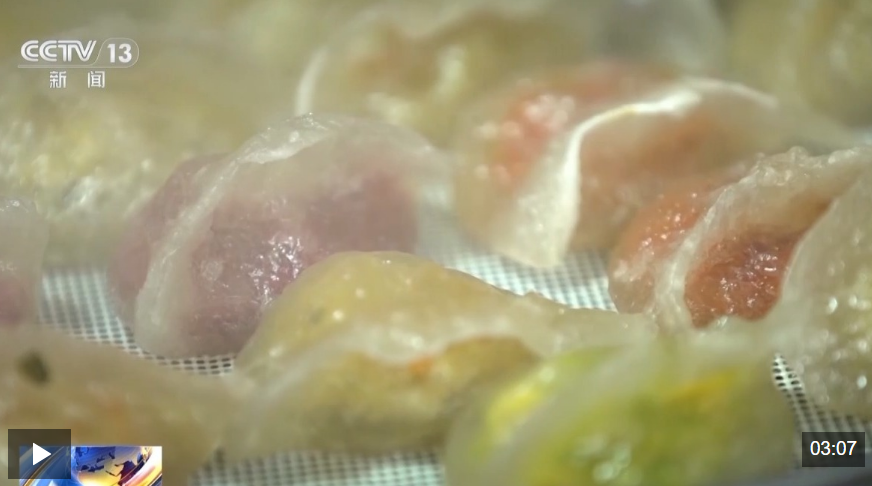
Core Insights - The article highlights the transformation of Yanji's water market into a vibrant cultural and culinary destination, attracting both local residents and tourists, particularly due to its unique breakfast offerings and the integration of local customs with tourism [9][12]. Group 1: Market Overview - Yanji Water Market, established over 20 years ago, is a key local landmark that showcases the region's culinary and cultural heritage, featuring over 300 vendors along a 200-meter stretch [3]. - The market has evolved from a traditional local procurement hub to a must-visit destination for national tourists, driven by the appeal of its diverse food offerings and cultural experiences [9]. Group 2: Culinary Highlights - Signature dishes such as Jiangmi Chicken, made with local black soil rice and nutritious ingredients, are particularly popular among both locals and visitors [5][6]. - The market offers a variety of rice cakes and other traditional foods, with vendors adapting recipes to cater to different tastes, including options for takeaway [8][14]. Group 3: Visitor Experience - The market sees an average of 5,000 visitors daily, with numbers soaring to around 20,000 during holidays and peak seasons, indicating its growing popularity [12]. - Tourists are drawn to the market not only for the food but also to immerse themselves in the local culture, with many seeking to experience the breakfast culture of the region [9][11]. Group 4: Tourism Development - The opening of the Shenyang-White high-speed railway has significantly increased tourist traffic, prompting local businesses to enhance their offerings and services [11]. - The local government plans to introduce tourism consumption vouchers and expand transportation routes to further promote Yanji as a winter tourism destination [20].
“早餐经济”成为吉林延吉文旅融合生动缩影 催生“一冷一暖”新消费场景
Yang Shi Wang· 2025-11-21 02:19
Core Insights - The article highlights the emergence of breakfast culture as a significant aspect of urban tourism and local economy, particularly in Yanji, Jilin, where the water market has transformed into a must-visit destination for tourists [1][9]. Group 1: Breakfast Economy - The breakfast economy is becoming a vital part of the cultural and tourism integration in Yanji, with local businesses upgrading their products and services to cater to increasing tourist demand [9][13]. - The Yanji water market, with over 300 vendors, offers a variety of traditional Korean dishes, such as Jiangmi chicken and rice cakes, which are popular among both locals and visitors [1][4]. Group 2: Tourist Attraction - The water market has evolved from a local procurement market to a national tourist landmark, attracting visitors with its unique culinary offerings and cultural experiences [9][11]. - The market opens at 5 AM, creating a vibrant atmosphere where tourists can enjoy diverse ethnic foods at affordable prices, enhancing the cultural experience [7][9]. Group 3: Business Adaptation - Local vendors are adapting to tourist preferences by modifying traditional recipes and offering take-away options, thus expanding their market reach [11][13]. - Some vendors utilize online platforms for live streaming and sales, integrating online and offline shopping experiences [13]. Group 4: Tourism Promotion - The local government plans to launch tourism consumption vouchers and enhance transportation links to attract more visitors, particularly for the winter tourism season [15]. - The opening of the Shenbai high-speed railway is expected to facilitate access to various winter activities, creating a comprehensive tourism experience that combines culinary delights with winter sports [15].
消费新观察丨碳水激活“城市味蕾” 解锁早餐经济新场景
Yang Guang Wang· 2025-07-31 08:17
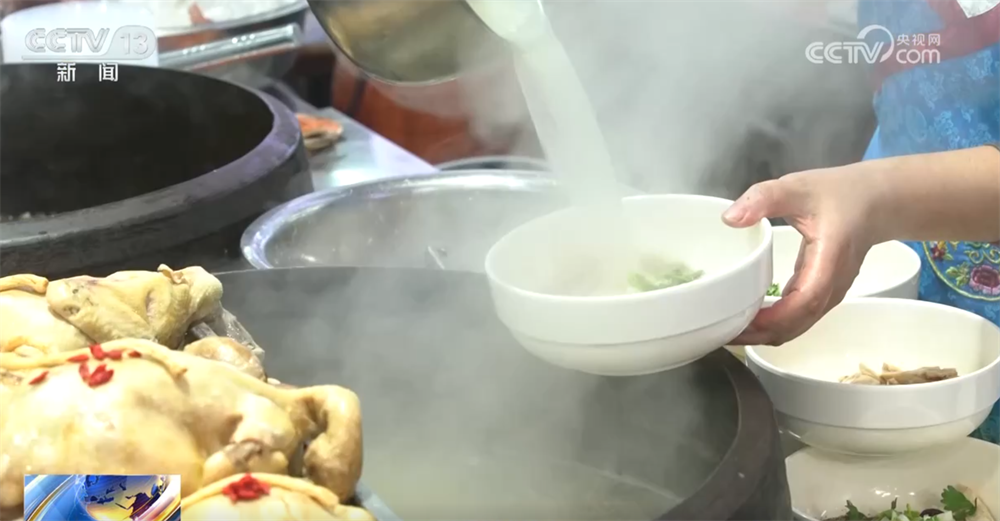
Core Insights - The article highlights the rising popularity of the "breakfast economy" in Tianjin, particularly in the Northwest Corner area, which has become a vibrant hub for food and culture [2][4]. Group 1: Economic Impact - The Northwest Corner spans 0.36 square kilometers and hosts over a hundred vendors, attracting 1.2 million visitors last year, with daily foot traffic ranging from 10,000 to 20,000 people [4][5]. - The local community and street management have played a crucial role in enhancing the area’s appeal through infrastructure improvements and creative product offerings [4]. Group 2: Cultural Significance - The area not only focuses on food but also promotes local culture through creative products, such as fridge magnets and traditional snacks, which help visitors take a piece of Tianjin home [4]. - The community aims to create a "city living room" to enhance visitor experiences and showcase local culture and traditions [4]. Group 3: Visitor Experience - Tourists are actively engaging with the local offerings, taking photos and sharing their experiences, which contributes to the area's growing reputation [2]. - The vendors are encouraged to innovate and improve their branding to attract more visitors and sustain the economic growth driven by the breakfast economy [5].

碳水激活“城市味蕾”,解锁早餐经济新场景
Yang Guang Wang· 2025-07-31 01:29
Core Insights - The Northwest Corner in Tianjin has gained popularity for its breakfast offerings, attracting a significant number of visitors and food enthusiasts [2][4] Group 1: Popularity and Visitor Engagement - The Northwest Corner has become a hotspot for breakfast, with long queues at various food stalls and a vibrant atmosphere filled with diverse voices praising the local cuisine [2] - The area covers 0.36 square kilometers and hosts over a hundred vendors, providing a wide range of local delicacies such as Guoba Cai and Jianbing Guozi [2][4] - Last year, approximately 12 million visitors frequented the Northwest Corner, with daily foot traffic ranging from 10,000 to 20,000 people [4] Group 2: Community and Economic Impact - The success of the Northwest Corner is attributed to community support and collaborative efforts in enhancing the street's appearance and offerings [4] - Local authorities are working on improving infrastructure, including the renovation of public restrooms and the beautification of old walls, totaling nearly 1,700 square meters [4] - The initiative aims to create a "city living room" to enhance visitor experience and sustain the area's popularity [4] Group 3: Cultural and Creative Aspects - The area not only focuses on food but also promotes local culture through creative products, such as souvenirs that reflect Tianjin's heritage [4] - Merchants are encouraged to innovate and improve their branding to attract more tourists and boost the local economy [5]
郑”在复苏 “食”力归来 河南郑州提振消费政策下的“舌尖微观察
Zhong Guo Chan Ye Jing Ji Xin Xi Wang· 2025-06-04 23:13
Core Insights - Zhengzhou's consumer market is experiencing a robust revival driven by well-structured consumption policies that stimulate economic activity [1][2][3] Policy Initiatives - Zhengzhou has implemented a series of consumption voucher programs that facilitate easy access for citizens, covering various sectors such as retail, dining, automotive, and home appliances [2] - The city is actively supporting the establishment of flagship stores for international brands, creating a favorable environment for new businesses [2] - Subsidies for large exhibitions and themed events have been introduced, significantly reducing participation costs for companies and enhancing consumer engagement [2] Market Response - The "breakfast economy" has seen a resurgence, with long queues at popular local eateries indicating increased consumer activity [3] - Traditional and modern dining experiences are merging, with local brands adopting innovative marketing strategies to attract younger consumers [3] - New business models, such as smart dining services, are gaining traction, providing convenience and efficiency for urban consumers [4] Consumer Experience - The impact of consumption vouchers is evident in everyday shopping experiences, with consumers feeling the financial relief and increased purchasing power [5] - Multiple layers of subsidies are encouraging significant purchases, such as electric vehicles, making them more affordable for consumers [5] - Night markets are thriving due to government support, reflecting a vibrant local economy and renewed consumer confidence [6] Conclusion - Zhengzhou's approach to boosting consumption illustrates the importance of sustained policy efforts and market responsiveness, ultimately revitalizing the city's economic landscape [6]