
保障和改善民生

Search documents
展望“十五五” | 专访贺铿:必须改变以往将资金过度集中于房屋建设和基础设施建设的倾向 更加突出民生领域投入
Mei Ri Jing Ji Xin Wen· 2025-10-21 14:57
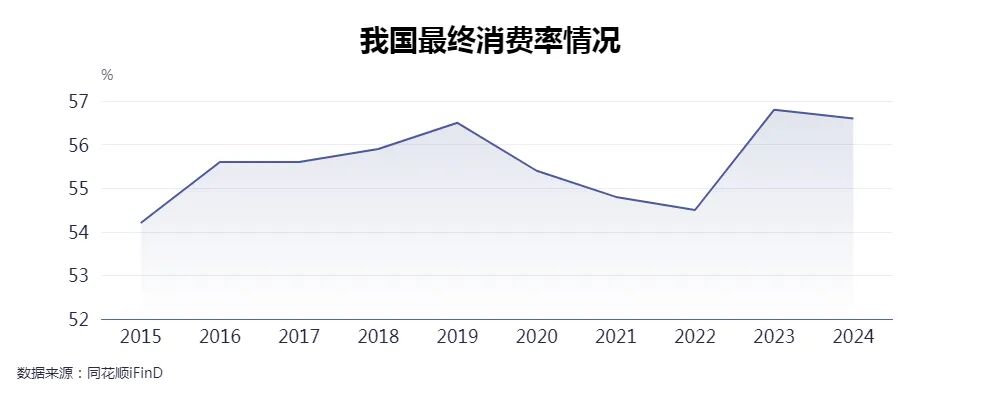
Group 1 - The core task for the current economic development in China is to optimize the fiscal expenditure structure, emphasizing investment in the livelihood sector rather than excessive focus on housing and infrastructure [2][3]. - The proportion of final consumption in China's GDP is currently around 55%, and there is a goal to increase this to at least 65% over the next three to five years to stimulate consumption [3][5]. - The development philosophy should shift from a "GDP-first" approach to a people-centered development model, focusing on meeting the material and cultural needs of the population [6]. Group 2 - Fiscal policy should prioritize direct financial support to citizens, such as cash transfers or consumption vouchers, while ensuring that funds reach those in need [8]. - The relationship between improving livelihoods and economic development is fundamental, with economic growth aimed at satisfying real demands of the people [9]. - The unemployment rate in urban areas was reported at 5.2% in September, indicating a slight decrease, which reflects ongoing challenges in the job market [13]. Group 3 - There is a need to address the low level of social security and the significant funding gap, with a focus on strict compliance with social insurance contributions [16]. - Fiscal investments should also be directed towards enhancing social security systems, particularly in improving grassroots medical capabilities [17]. - The current difficulties faced by enterprises include insufficient demand, which has been recognized by the central government as a key issue to address [18]. Group 4 - The construction of a unified national market requires accurate understanding of market dynamics, ensuring supply chain integrity, and addressing both surplus and shortage issues [19]. - The concept of "anti-involution" should focus on combating unfair competition, with clear definitions of what constitutes such behavior [19][20]. - Policies should concentrate resources on enterprises with market demand, particularly labor-intensive businesses, to enhance employment opportunities [20].

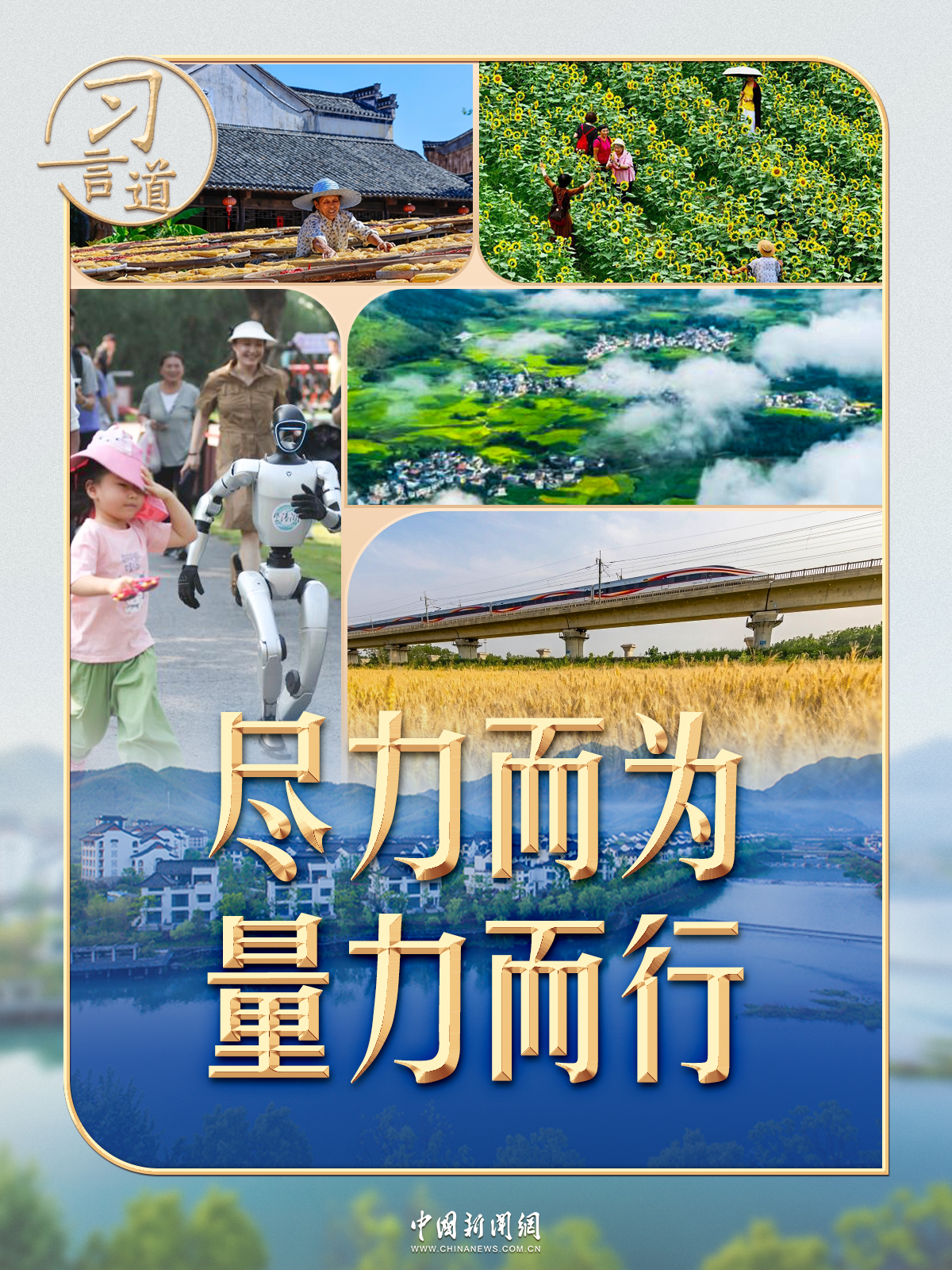
习言道|涉及老百姓的事,习近平一再强调八个字
Zhong Guo Xin Wen Wang· 2025-10-21 08:22
Core Points - The article emphasizes the importance of prioritizing the well-being of the people in economic and social development, as highlighted by Xi Jinping during a meeting on the "14th Five-Year Plan" [2][3] - It stresses the need for practical and effective policies that genuinely benefit the public, encapsulated in the phrase "do one's best and act within one's means" [3][4] - The article outlines significant reforms and initiatives aimed at improving people's livelihoods, including education, healthcare, and housing, which are central to the "14th Five-Year Plan" [4][6] Group 1 - The phrase "do one's best" reflects a commitment to responsibility and proactive measures in addressing challenges [4] - The "14th Five-Year Plan" includes over one-third of its major indicators focused on improving people's welfare, with 28 key projects dedicated to social issues [4][6] - The government aims to complete over 300 important reform measures in five years, directly addressing public concerns and obstacles to high-quality development [4][6] Group 2 - The article highlights the complexity of addressing the needs of over 1.4 billion people, including challenges in employment, education, and healthcare [6] - It emphasizes the importance of persistence and a methodical approach in tackling social issues, avoiding overreach while ensuring substantial progress [6] - The achievements since the "14th Five-Year Plan" include stable urban employment growth, reduced income disparity, and improved life expectancy, contributing to public satisfaction [6][7]

市委常委会召开会议:牢记嘱托 感恩奋进,全力打造“五个中心”,努力建设现代化大武汉
Chang Jiang Ri Bao· 2025-10-20 13:04
Core Points - The meeting emphasized the importance of implementing Xi Jinping's directives for Wuhan's development, highlighting the need for a strong commitment to high-quality growth and innovation [1][2][3] - The focus is on enhancing technological and industrial innovation, promoting regional coordination, and establishing Wuhan as a significant hub in the domestic and international economic landscape [2][3] Group 1 - The meeting reiterated the significance of Xi Jinping's six visits to Wuhan, which provide guidance for the city's development and underscore the expectations placed on it [1] - There is a strong emphasis on transforming the expectations from the central leadership into actionable strategies for economic and social development [1][2] - The meeting called for a concerted effort to improve urban governance and environmental sustainability, aiming for a comprehensive green transition in economic and social development [2][3] Group 2 - The leadership aims to strengthen the city's core functions and enhance its development capabilities, focusing on the integration of the Wuhan metropolitan area and surrounding regions [2] - There is a commitment to fostering a beautiful Wuhan through ecological protection and continuous improvement of environmental quality [2] - The meeting highlighted the need for a robust political ecosystem that supports reform and development, ensuring a clean and efficient governance structure [2][3]
书写新时代民生建设新篇章
Ren Min Ri Bao· 2025-10-17 03:11
Core Viewpoint - The articles emphasize the importance of improving and safeguarding people's livelihoods as a fundamental goal of China's modernization, highlighting the need for a people-centered development approach and the integration of economic growth with social welfare [1][5][20]. Group 1: Historical Context and Theoretical Framework - Since the 18th National Congress, Xi Jinping has consistently advocated for a people-centered development philosophy, addressing significant issues related to improving people's livelihoods and proposing innovative strategies [1][6]. - The transformation of China's primary social contradiction reflects the need to balance the growing demand for a better life with uneven development, providing a clear directive for contemporary social policies [2][3]. Group 2: Economic and Social Development - The articles outline that high-quality development is essential for meeting the people's increasing demands for a better life, emphasizing that economic growth must translate into tangible improvements in living standards [4][9]. - The focus on high-quality development includes innovation, industrial upgrades, and green transformation, which are necessary to provide better quality goods and services for enhancing living standards [4][21]. Group 3: Policy Implementation and Social Equity - The commitment to common prosperity is highlighted as a key feature of Chinese-style modernization, necessitating a fair distribution of resources and opportunities to ensure that all citizens benefit from economic growth [5][21]. - Policies must be practical and effective, ensuring that measures to improve livelihoods are grounded in the realities of China's socio-economic context, particularly in addressing the needs of vulnerable populations [22][12]. Group 4: Systematic Approach to Livelihood Improvement - A systematic approach to improving livelihoods is essential, requiring the integration of various sectors and the mobilization of resources to address the most pressing social issues [7][13]. - The establishment of a comprehensive social security system is crucial for ensuring that basic needs are met and that all citizens have access to essential services [18][19]. Group 5: Future Directions and Challenges - The articles stress the need for continuous adaptation and optimization of livelihood improvement strategies to address emerging challenges and ensure sustainable development [20][22]. - The focus on enhancing the quality of life must remain a priority, with ongoing efforts to improve education, healthcare, and social services to meet the evolving needs of the population [19][21].
书写新时代民生建设新篇章(深入学习贯彻习近平新时代中国特色社会主义思想)
Ren Min Ri Bao· 2025-10-16 22:20
党的十八大以来,习近平总书记始终坚持以人民为中心的发展思想,从党和国家事业发展全局出发,就 保障和改善民生作出一系列重要论述,系统回答了为什么要保障和改善民生、怎样保障和改善民生等重 大问题,创造性提出了一系列新理念新思想新战略,推动我国民生领域实现了历史性突破、战略性创 新、开创性进展,使我们党对中国特色社会主义社会建设规律的认识达到了新高度,开辟了马克思主义 民生思想中国化时代化新境界。 习近平总书记关于保障和改善民生的重要论述,是在中国特色社会主义进入新时代、我国社会主要矛盾 发生深刻变化的历史条件下,为深入解答新时代保障和改善民生这一重大时代课题而形成的,具有鲜明 的时代特征。 新时代我国社会主要矛盾变化,对保障和改善民生提出了新的现实要求。习近平总书记指出:"中国特 色社会主义进入新时代,我国社会主要矛盾已经转化为人民日益增长的美好生活需要和不平衡不充分的 发展之间的矛盾。"这一重大判断,深刻反映了我国社会发展的客观实际,明确了解决当代中国发展主 要问题的根本着力点,为新时代保障和改善民生工作提供了重要指引。 从需求看,随着我国经济社会快速发展,人民群众对美好生活的需要呈现新的特点。在解决"有没有" ...
中国经济转型升级蕴含重大机遇(习近平经济思想指引下的中国经济专论)
Ren Min Ri Bao· 2025-10-02 22:13
Core Insights - China's economy continues to maintain stable and healthy development, providing certainty and positive energy for global economic growth. Despite some perceptions that investment opportunities are diminishing, China's economic transformation and upgrading present unprecedented opportunities for countries worldwide [1] Group 1: Industry Transformation and Upgrading - China's manufacturing sector remains the largest globally for 15 consecutive years, with 80% of it comprising traditional industries such as metallurgy, chemicals, machinery, light industry, and textiles. The acceleration of high-end, intelligent, and green development will release investment opportunities in these areas [1] - New industries such as artificial intelligence, robotics, and biomedicine are rapidly emerging, with China leading in several AI models and maintaining the largest industrial robot market for 12 years. The country is fostering the development of future industries and is open to sharing investment opportunities with global partners [1] Group 2: Technological Innovation and Talent Dividend - China is quickly rising in the global technology innovation landscape, with R&D expenditure exceeding 3.6 trillion yuan in 2024, approaching the OECD average. The country leads in high-level international journal publications and invention patents [2] - The integration of technological and industrial innovation is accelerating, with increasing patent conversion rates and the transformation of cutting-edge technological achievements into new productive forces. China produces over 5 million STEM graduates annually, enhancing the talent dividend, particularly in engineering [2] Group 3: Consumption Expansion and Upgrade - China's per capita GDP exceeds $13,000, with a steadily expanding market size. The retail sales of consumer goods are expected to surpass 50 trillion yuan by 2025, solidifying China's position as the world's second-largest consumer market [3] - Online retail sales have ranked first globally for 12 consecutive years, with significant sales in automobiles and air conditioners. Service consumption is becoming a new growth engine, with the proportion of per capita service consumption expected to reach 46.1% in 2024 [3] Group 4: Infrastructure Development - China's vast territory necessitates significant infrastructure development, particularly in the central and western regions where railway and road density is lower than in the eastern coastal areas. Traditional infrastructure construction and upgrades will yield long-term economic and social benefits [3] - Investment demand remains high for intercity railways and cross-river, cross-sea bridges, which improve transportation logistics and regional economic development. Rapid growth in new infrastructure areas such as computing networks, mobile communications, and smart cities will create vast market opportunities [3] Group 5: Urbanization and Social Welfare - China's urbanization is transitioning from rapid growth to stable development, focusing on improving quality and spatial layout, developing urban clusters, and modernizing cities. Urban renewal projects will create significant investment opportunities [4] - The demand for social welfare services, including childcare, education, elderly care, and healthcare, is increasing. By 2025, China aims to provide 4.5 childcare spots per 1,000 children under three, addressing gaps compared to developed countries [4]
以高质量发展助力强国建设民族复兴伟业
Shan Xi Ri Bao· 2025-09-24 23:03
Group 1 - The core message emphasizes the importance of technological innovation and integration with industry to promote high-quality development in the context of Chinese modernization [1] - The focus on ecological civilization and environmental protection is highlighted, with a commitment to enhancing ecosystem conservation and promoting green transformation in economic and social development [1] - The prioritization of improving and safeguarding people's livelihoods is underscored, with strategies to prevent poverty and ensure that all ethnic groups participate in and benefit from development [1] Group 2 - The necessity of strengthening grassroots organizations and enhancing their political and organizational functions is stressed, indicating a direction for improving community governance and effectiveness [1] - Continuous efforts in building a clean political environment and adhering to the central eight regulations are emphasized as essential for sustainable development [2] - The commitment to fostering a culture of discipline and integrity among party members is highlighted as a means to support high-quality development in the region [2]
武汉人均期望寿命达83.56岁
Chang Jiang Ri Bao· 2025-09-24 00:46
Group 1: Education and Employment - During the "14th Five-Year Plan" period, Wuhan will establish 202 primary and secondary schools and 304 public kindergartens, adding 353,000 new student places [1] - A total of 1.19 million new urban jobs were created, maintaining overall employment stability, with 1.498 million new college graduates finding employment or starting businesses [1] Group 2: Healthcare - Over the past five years, the number of tertiary hospitals in Wuhan increased from 61 to 85, ensuring that residents can access medical services within 15 minutes in urban areas [2] - The average life expectancy in Wuhan rose from 80.57 years to 83.56 years, with major health indicators ranking among the best in the country [2] Group 3: Social Welfare and Housing - Wuhan has built a comprehensive network of 3,740 various types of elderly care facilities, expanding home care services to 37 projects, serving 11 million people annually [2] - The city has established 236,700 affordable rental housing units, achieving 95% of the "14th Five-Year Plan" target of 250,000 units [2] Group 4: Medical Insurance - Over the past five years, Wuhan provided medical insurance benefits to 432 million people, with reimbursement rates for employee and resident insurance remaining stable at around 80% and 70% respectively [3] - The average financial subsidy for residents' medical insurance increased from 580 yuan to 700 yuan [3]
国务院部署七大财政重点工作
第一财经· 2025-09-16 13:11
Core Viewpoint - The article discusses the recent report from the State Council regarding the execution of this year's budget, highlighting the flexible and proactive approach to fiscal macro-control, with an emphasis on timely adjustments based on changing circumstances [3][4]. Summary by Sections Fiscal Policy Focus - The report outlines seven key areas for future fiscal work, with the first being the effective utilization of a more proactive fiscal policy, including a total new government debt scale of 11.86 trillion yuan this year, an increase of 2.9 trillion yuan from the previous year [3][4]. Consumer Support Measures - The report emphasizes the implementation of interest subsidy policies for personal consumption loans and service industry loans to stimulate consumption, alongside ongoing special actions to boost consumer spending [4][5]. Employment and Trade Stability - The second focus is on supporting employment and foreign trade stability, with increased policy support for public employment services, vocational training, and helping enterprises maintain orders and expand markets [5][6]. New Growth Drivers - The third area is fostering new growth drivers by enhancing industrial innovation and technology supply, promoting key core technology breakthroughs, and supporting the transformation and upgrading of the manufacturing sector [5][6]. Social Welfare Enhancements - The fourth focus is on improving and safeguarding people's livelihoods, including subsidies for elderly care and childcare, with a budget of 1 billion yuan allocated for childcare subsidies [6][7]. Risk Management - The fifth area addresses the prevention and resolution of key sector risks, including managing hidden debt risks and ensuring basic livelihood protections, with a comprehensive debt management policy in place [6][7]. Fiscal Governance Improvement - The sixth focus is on enhancing fiscal governance effectiveness, including reforms in fiscal resource allocation, zero-based budgeting, and tax policy adjustments [7][8]. Fiscal Discipline - The seventh area stresses the importance of adhering to frugal fiscal practices, ensuring that new projects align with economic and financial capabilities [8].

国务院部署七大财政重点工作
Di Yi Cai Jing· 2025-09-16 11:43
Core Viewpoint - The report emphasizes the need for a more proactive fiscal policy to support economic development and social stability, with a focus on timely adjustments based on changing circumstances [1][2]. Group 1: Fiscal Policy Deployment - The report outlines seven key areas for future fiscal policy, with the first being the effective utilization of a more proactive fiscal policy [1]. - A significant increase in government debt is noted, with a total new government debt scale of 11.86 trillion yuan this year, an increase of 2.9 trillion yuan compared to the previous year [1]. Group 2: Consumer Support and Employment Stability - The report highlights the implementation of interest subsidy policies for personal consumption loans and service sector loans to boost consumption [2]. - It stresses the importance of supporting employment and foreign trade, including enhancing public employment services and vocational training [2]. Group 3: Social Welfare and Risk Management - The report emphasizes improving and safeguarding people's livelihoods, including subsidies for elderly care and childcare [3]. - It outlines the need to prevent and mitigate risks in key areas, such as addressing hidden debt risks and ensuring basic livelihood protections [3][4]. Group 4: Financial Governance and Efficiency - The report calls for enhancing fiscal governance effectiveness, including reforms in fiscal resource allocation and tax policy adjustments [4]. - It mentions the ongoing zero-based budgeting reforms aimed at breaking the rigid patterns of fiscal spending [4]. Group 5: Fiscal Discipline - The report stresses the importance of adhering to frugal spending practices, ensuring that new projects align with economic and fiscal capabilities [4].