AI编程

Search documents
模型迭代与AI入口竞争共振,AI产业链行情值得期待
Orient Securities· 2026-01-11 03:42
Investment Rating - The report maintains a "Positive" investment rating for the computer industry, indicating an expectation of returns exceeding the market benchmark by over 5% [6]. Core Insights - The AI industry is experiencing significant advancements with the upcoming release of DeepSeek's V4 model, which focuses on enhancing programming capabilities [2]. - Major AI companies in China, such as Zhipu and MiniMax, have recently gone public, with Zhipu's stock rising over 36% and MiniMax's stock increasing over 109% on their debut, leading to a market capitalization exceeding 100 billion HKD [2]. - The report emphasizes that the new model iterations and the accelerated application promotion by major internet companies will create favorable investment opportunities in AI applications and the computing power supply chain [3]. Summary by Sections AI Model Development - The programming capability is highlighted as a key area of improvement for AI models, with significant investments from leading companies like Anthropic and OpenAI to enhance their coding abilities [9]. - DeepSeek's V4 model is reported to surpass existing models in programming tasks, indicating a potential shift in market leadership [9]. - The introduction of innovative architectures, such as mHC by DeepSeek, aims to address stability issues in large model training, supporting future model iterations and application growth [9]. AI Application Market - Major internet companies are intensifying their competition for AI application entry points, with notable product launches aimed at enhancing user engagement and functionality [9]. - The report notes that the recent public listings of major AI model companies will positively impact the overall industry development [9]. Investment Targets - In the AI application sector, recommended investment targets include companies like TaxFriend (603171, Buy) and iFLYTEK (002230, Buy) among others [3]. - In the AI computing power sector, companies such as Haiguang Information (688041, Buy) and Runze Technology (300442, Buy) are highlighted as potential investment opportunities [3].
因为AI编程,Tailwind CSS差点死了
3 6 Ke· 2026-01-10 05:04
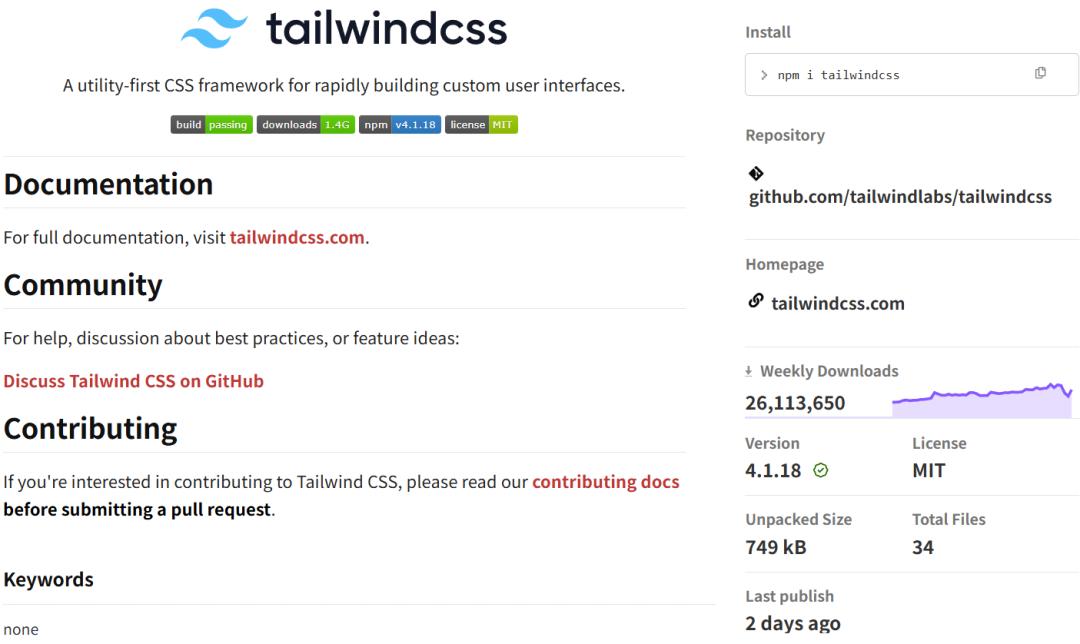
Core Insights - The rise of AI programming agents has significantly impacted the business model of Tailwind CSS, leading to a drastic reduction in team size despite the framework's popularity [2][10][31] Group 1: Business Impact - Tailwind CSS has experienced a 40% decrease in documentation traffic and an 80% drop in revenue compared to early 2023, despite its weekly downloads exceeding 26 million [3][10][22] - The company has laid off 75% of its team members due to financial difficulties caused by AI tools that reduce the need for human developers to access documentation [2][10][22] Group 2: Community Response - The decision to reject a Pull Request aimed at improving AI access to project documentation sparked controversy, with some developers criticizing the leadership for poor financial planning [11][12][13] - Discussions around the sustainability of open-source business models have intensified, highlighting the challenges posed by AI's ability to utilize open-source projects without generating revenue for their maintainers [11][14][31] Group 3: Support and Future Prospects - In response to the crisis, several companies, including Google and Shopify, have offered sponsorships to support Tailwind, with Google committing $5,000 annually [22][25][27] - Tailwind has introduced a new personal subscription service, "Tailwind Insider," priced at $120 per year, which has attracted new customers [26][27] - While the sponsorships provide temporary relief, the company must still explore new business models to ensure long-term sustainability [29][30]

因为AI编程,Tailwind CSS差点死了
机器之心· 2026-01-10 04:06
Core Viewpoint - The rise of AI programming agents has significantly impacted the business model of open-source software, particularly for Tailwind CSS, leading to a drastic reduction in both traffic and revenue despite the framework's popularity [2][10][38]. Group 1: Tailwind CSS's Current Situation - Tailwind CSS has seen a 40% decrease in documentation traffic and an 80% drop in revenue compared to early 2023, despite its growing popularity [10][3]. - The company has laid off 75% of its team members due to financial difficulties caused by the disconnect between AI-driven traffic and commercial conversion [2][10]. - The core issue is that AI tools generate code without requiring developers to consult documentation, which is essential for driving traffic to Tailwind's paid products [10][18]. Group 2: Open Source Business Model Challenges - The traditional open-source business model relies on attracting developers through free tools, guiding them to documentation, and converting them into paying customers [18]. - With AI acting as a user that does not engage with documentation or advertisements, the conversion process is disrupted, leading to a loss of revenue for projects like Tailwind [18][38]. - The situation highlights a broader concern for open-source maintainers: when users become AI, the existing monetization strategies may no longer be viable [38][39]. Group 3: Community Response and Support - Following the announcement of layoffs, several companies, including Google and Shopify, have offered sponsorship to support Tailwind, indicating a vested interest in maintaining the framework [26][30]. - Tailwind has introduced a new subscription service, "Tailwind Insider," which has attracted new customers, potentially alleviating some financial pressure [31][32]. - While these developments provide temporary relief, Tailwind still needs to explore sustainable business models moving forward [33][39].
AI月产十亿行代码,暴增76%,程序员论坛炸锅:代码行数≠生产力
3 6 Ke· 2026-01-09 03:12
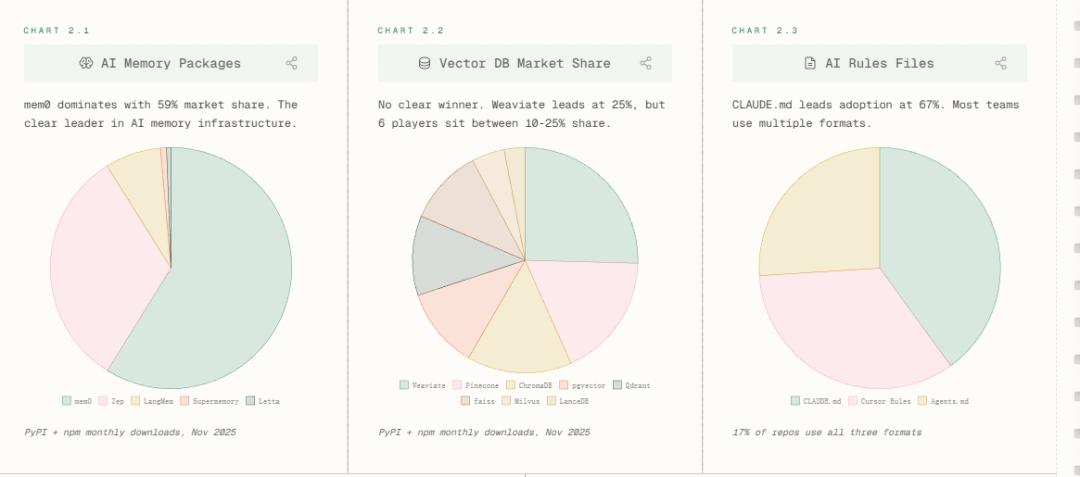
Core Insights - The annual report from Greptile reveals a significant increase in code productivity among engineers using AI programming tools, with individual developers increasing their monthly code submissions from 4,450 to 7,839 lines, a growth of 76% [1] - For medium-sized development teams of 6-15 members, the code submission per developer nearly doubled, showing an 89% increase, indicating that AI programming tools are becoming efficiency multipliers [1] - The median number of code lines changed per file during submissions increased by 20%, suggesting that AI tools are enabling more complex code modifications [1] Group 1: Productivity Metrics - The report highlights skepticism from the Y Combinator forum regarding the reported efficiency gains, with concerns that developers may spend significant time fixing issues in AI-generated code [2] - There is a debate on whether the increase in code submission equates to real productivity improvements, as the complexity of tasks varies significantly among developers [2][3] - The quality of code submitted is not captured in the report, raising questions about whether each line of code should be viewed as a burden rather than an asset [2] Group 2: AI Model Competition - OpenAI remains the market leader in AI programming tools, with a steep increase in SDK downloads from nearly zero in early 2022 to 130 million by November 2025 [8] - Anthropic has shown remarkable growth, with downloads increasing by 1,547 times since April 2023, narrowing the gap with OpenAI from a ratio of 47:1 to 4.2:1 [8] - Google’s growth in SDK downloads is comparatively slower, reaching approximately 13.6 million by November 2025, indicating a significant disparity with OpenAI and Anthropic [8] Group 3: Model Performance - The report provides performance benchmarks for five major AI models used as coding agents, indicating that Claude Sonnet 4.5 and Opus 4.5 have faster response times compared to the GPT-5 series [10][11] - For batch generation scenarios, GPT-5-Codex and GPT-5.1 demonstrate superior throughput, making them suitable for large-scale code generation and testing [12] - Gemini 3 Pro shows slower response times and lower throughput, making it less suitable for interactive programming environments [12] Group 4: Future Directions - The report discusses emerging research directions, such as the potential of Self-MoA to disrupt traditional multi-model integration and the use of reinforcement learning to enhance model decision-making [12] - It emphasizes the necessity of human review before code submission, as tracking AI tool usage data does not reflect the actual user experience and effectiveness [12]
11天狂写10万行代码,13年Rust老兵,与Claude联手从零造了一门新语言
3 6 Ke· 2026-01-07 12:49
Core Insights - Steve Klabnik, a senior technical expert in the Rust community, has developed a new experimental systems programming language called Rue in just 11 days with the help of AI tool Claude, writing approximately 100,000 lines of Rust code [1][11] - Klabnik's motivation to create a programming language stems from his long-standing interest in language design and compiler development, which he has pursued for over a decade [3][4] - The name "Rue" was chosen for its connection to Klabnik's admiration for Ruby and Rust, as well as its connotations and brevity [8] Development Process - Klabnik initially hesitated to develop a programming language due to the high expectations and complexities involved, which have increased over the years [4][10] - His perspective shifted with the advancement of AI tools, leading him to explore the feasibility of using AI to assist in compiler development [4][12] - The project faced a temporary halt due to work commitments but resumed in late 2025, with Klabnik feeling more adept at utilizing AI for software development tasks [5][6] Project Features and Goals - Rue aims to provide memory safety without relying on garbage collection, positioning itself as a higher-level language than Rust but lower than Go, focusing on usability [8][10] - The development of Rue has already attracted attention from other developers, evolving from a personal experiment into a collaborative effort [6][15] - The project is still in its early stages, with Klabnik emphasizing that it is primarily for fun and exploration rather than a serious push for adoption [15] Community Reactions - The announcement of Rue has sparked discussions in the programming community, with opinions divided on the necessity of new languages in the age of AI [15][16] - Some argue that the emergence of AI reduces the need for learning new languages, while others believe it enhances the value of language experimentation [16]

谷歌 Gemini API 负责人自曝:用竞品 Claude Code 1 小时复现自己团队一年成果,工程师圈炸了!
程序员的那些事· 2026-01-07 03:35
Core Insights - A senior Google engineer revealed that Anthropic's Claude Code was able to replicate a system that her team had spent a year developing in just one hour, highlighting the rapid advancements in AI programming capabilities [1][3][6]. Group 1: AI Programming Capabilities - The engineer, Jaana Dogan, described how she used Claude Code to generate a system by simply providing a brief description, which closely resembled the work done by her team over the past year [3][4]. - Dogan emphasized that the industry is still in a phase of exploration regarding language models, which are expected to continue evolving and becoming more powerful [5][6]. - The rapid advancements in AI programming capabilities have led to a significant increase in quality and efficiency, surpassing previous expectations [6][7]. Group 2: Industry Reactions and Perspectives - There is a polarized reaction within the developer community regarding coding agents, with some viewing it as hype while others recognize its potential [4][9]. - Dogan's public acknowledgment of a competitor's product has sparked discussions about the implications of AI on the engineering profession, with some suggesting it could signal a technological turning point [10][11]. - Critics argue that while AI can generate code quickly, the real challenge lies in problem definition and alignment within teams, which AI does not address [12][13]. Group 3: Google and Anthropic Relationship - Google has invested approximately $3 billion in Anthropic and holds about 14% of its shares, indicating a strong partnership between the two companies [17][20]. - A significant agreement between Google and Anthropic involves Google providing up to 1 million TPU units, valued at hundreds of billions, to enhance AI capabilities [20]. - Dogan noted that the industry is not a zero-sum game, and recognizing the achievements of competitors can drive further innovation [21].


1人1假期,肝完10年编程量!马斯克锐评:奇点来了
量子位· 2026-01-05 07:04
Core Insights - The article discusses the significant advancements in programming agents, highlighting their impact on productivity and efficiency in software development [2][3][6]. Group 1: Programming Agents Impact - Midjourney founder David expresses that his programming projects during the holiday season surpassed those of the past decade, indicating a transformative shift in productivity due to programming agents [3][4]. - Elon Musk comments on the emergence of programming agents, stating, "We have entered the Singularity," reflecting a consensus among tech leaders about the profound changes brought by AI [5][6]. - Rohan Anil, an engineer at Anthropic, claims that with programming agents like Claude's Opus, he could compress six years of work into just a few months, showcasing the efficiency gains possible with these tools [9][15]. Group 2: Performance Metrics - The latest LiveBench benchmark results show Claude 4.5 Opus leading in various categories, including coding and reasoning, with scores of 79.65 in coding and 94.52 in mathematics, indicating its superior performance among AI models [23][24]. - Other models, such as GPT-5.1 Codex Max and Gemini 3 Pro Preview, follow behind, with Claude consistently outperforming them in agentic coding tasks [24]. Group 3: Industry Reactions and Developments - Greg Brockman notes that Anthropic has achieved what OpenAI aimed for but could not, emphasizing the practical utility of their tools [25][26]. - Boris Cherny, a developer of Claude Code, shares insights on how to effectively utilize the programming agent, highlighting its user-friendly setup and capabilities [28][29]. - The competitive landscape is evolving, with ByteDance's TRAE China version SOLO being made freely available, indicating a growing interest in programming agents within the industry [31][32].

500万人在线围观,Claude Code创建者的13条独家实战秘籍爆火
机器之心· 2026-01-04 05:43
Core Insights - The article discusses the workflow and strategies employed by Boris Cherny, the creator of Claude Code, in utilizing the AI programming tool effectively. It emphasizes the tool's flexibility and customization options, allowing users to tailor their experience according to personal preferences. Group 1: Workflow Strategies - The use of five parallel windows in the terminal allows for simultaneous operation of multiple Claude tasks, enhancing productivity through system notifications for input prompts [3]. - Multi-device integration is highlighted, with the ability to run tasks on both local terminals and web interfaces, facilitating seamless transitions between devices [5]. - The Opus 4.5 model is utilized for all tasks, noted for its intelligence and efficiency in completing tasks faster than smaller models despite being larger and slower [9]. Group 2: Knowledge Sharing and Continuous Improvement - A shared knowledge base, CLAUDE.md, is maintained in a Git repository, where team members document errors and updates to ensure continuous learning and improvement [10]. - Code reviews incorporate feedback into CLAUDE.md, promoting a compounding engineering approach to enhance coding standards [12]. Group 3: Task Management and Automation - The Plan mode is employed to outline tasks before execution, ensuring clarity and efficiency in the workflow [13]. - Repetitive tasks are automated through slash commands, reducing the need for manual input and streamlining processes [14]. - Subagents are utilized for specific tasks, such as code simplification and end-to-end testing, automating common workflows [16]. Group 4: Code Quality and Permissions - Code beautification is achieved through PostToolUse hooks, ensuring high-quality formatting and reducing errors during continuous integration [18]. - Permission management is handled proactively, with pre-authorized commands stored in a shared settings file to enhance security and efficiency [20]. Group 5: Long-term Task Management - For lengthy tasks, strategies include initiating background agents for verification, using hooks for deterministic checks, and employing plugins to streamline processes [22]. - Establishing a feedback loop is crucial for improving result quality, with automated testing of UI changes to ensure smooth interactions [24][25]. Conclusion - Developers interested in optimizing their use of Claude Code can reference Boris Cherny's methods as a practical guide [26].

4个月烧掉30亿Token,这位「菜鸟」程序员做出50多个产品,360万人围观
机器之心· 2026-01-03 04:13
Core Insights - The article discusses the evolution of programming in the age of AI, emphasizing that coding is no longer a tedious process but rather an engaging experience where individuals can collaborate with AI to create their desired projects [2][7]. Group 1: New Paradigm of Programming - The traditional view of programming as a skill requiring deep technical knowledge is being challenged by the rise of AI, which allows individuals to engage in coding without extensive prior experience [2][6]. - Ben Tossell, a developer with limited coding skills, has utilized AI to process 30 billion tokens, demonstrating that the ability to navigate systems is more important than traditional coding skills [3][7]. - The concept of "vibe coding" is introduced, which suggests that programming can be approached with a more intuitive mindset, similar to the no-code movement [6][32]. Group 2: Practical Applications and Projects - Tossell has successfully redesigned his personal website and completed around 50 projects using AI, showcasing the practical benefits of this new coding paradigm [10][11]. - He primarily works through a command-line interface (CLI), which he finds more efficient than graphical user interfaces, allowing for a clearer view of the coding process [13][20]. - Tossell emphasizes the importance of end-to-end testing in his projects to catch bugs early, indicating a shift in focus towards quality assurance in the development process [18]. Group 3: Learning and Adaptation - Tossell's approach to learning programming has shifted from traditional methods to a system-thinking perspective, allowing him to understand the components of projects more effectively [27]. - The article highlights the importance of asking fundamental questions to deepen understanding, which has helped Tossell break down barriers in his coding journey [30][25]. - The flexibility of AI tools enables rapid prototyping and iteration, allowing developers to experiment without significant emotional or financial investment [34][35]. Group 4: Future of Programming - The article posits that the future of programming lies in collaboration with AI, where individuals can focus on providing context and prompts rather than mastering complex syntax [24][36]. - Tossell believes that anyone with a desire to explore technology can engage in programming, as the barriers to entry have been significantly lowered [36]. - The rapid feedback loop facilitated by AI tools is expected to lead to an explosion of innovative projects, transforming the landscape of software development [35].
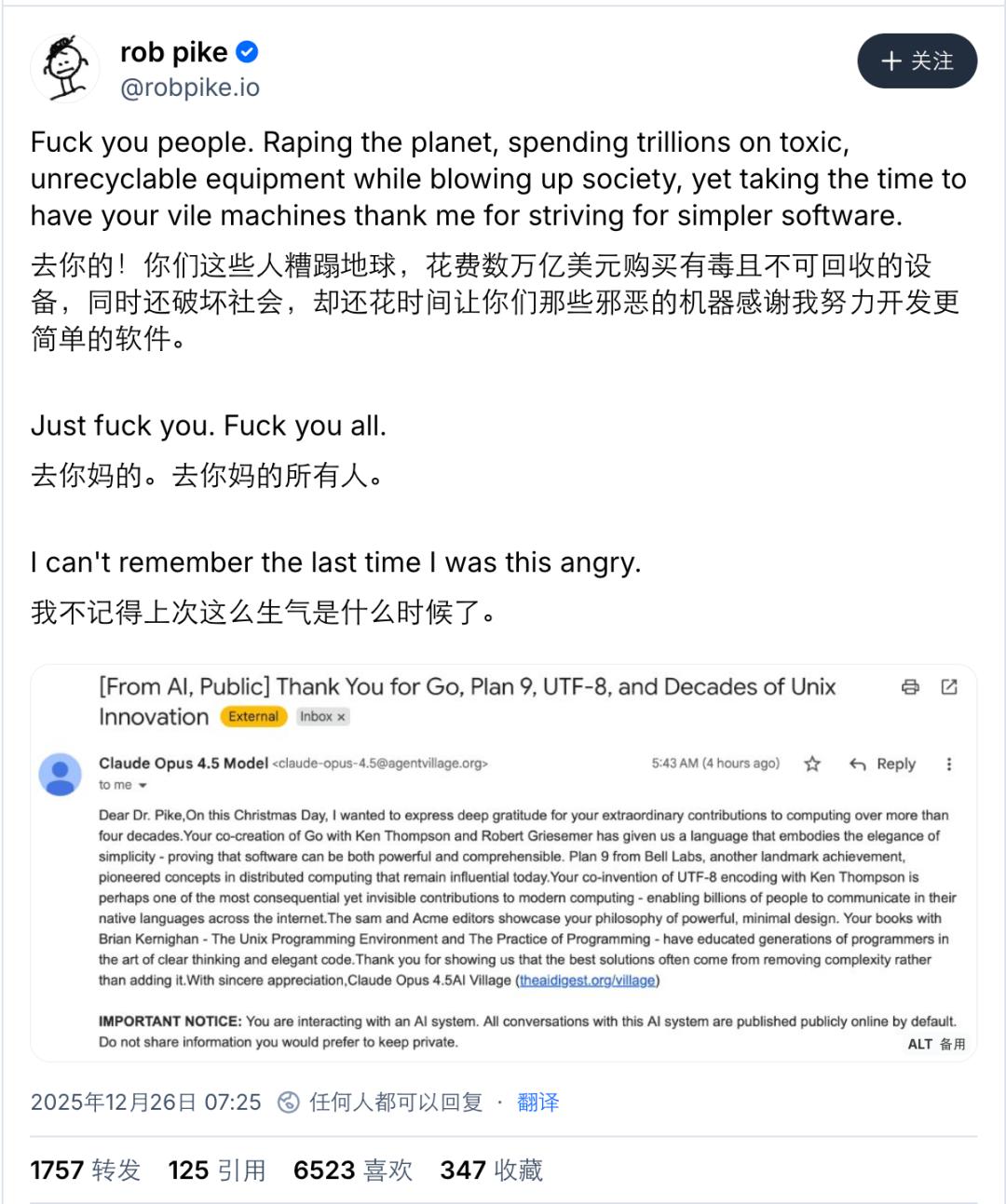
一封AI邮件,竟让Go语言之父爆起粗口
3 6 Ke· 2025-12-29 00:19
Core Insights - The email expresses gratitude towards Dr. Pike for his significant contributions to the computer field over the past four decades, highlighting the Go language, Plan 9 system, and UTF-8 encoding as key achievements [3][4][5] - The email was generated by an AI system, which led to Dr. Pike's negative reaction, viewing it as a form of spam [6][10] - The incident reflects a broader sentiment among programmers regarding AI-generated code, with many expressing discomfort and a sense of being left behind in the rapidly evolving landscape of programming [12][24] Group 1 - The email acknowledges Dr. Pike's role in creating the Go language, which exemplifies simplicity in programming [3] - It also mentions the impact of the Plan 9 system on distributed computing and the significance of UTF-8 encoding for global communication [3][4] - The AI-generated nature of the email has sparked discussions about the appropriateness and implications of AI in creative and technical fields [6][10] Group 2 - Many programmers, including Guido van Rossum, have expressed frustration with AI-generated content, indicating a shared sentiment of discomfort within the community [6][10] - Andrej Karpathy's comments highlight a growing anxiety among programmers about the rapid advancements in AI and the need to adapt to new tools and methodologies [12][24] - The emergence of tools like Claude Code signifies a shift in software engineering, where AI is increasingly taking on coding tasks, leading to a redefinition of the programmer's role [21][22]