
eSIM技术

Search documents
关于eSIM,谁是受益者?
Hu Xiu· 2025-09-14 03:27
Core Viewpoint - The release of Apple's iPhone 17 has made eSIM a hot topic, particularly due to the changing stance of domestic telecom operators regarding eSIM support [1][2]. Group 1: Beneficiaries of eSIM - The primary beneficiaries of eSIM technology are mobile manufacturers, as it provides an opportunity to drive new phone sales by leveraging network upgrades [5][6]. - Device manufacturers also stand to gain, as the current market is highly competitive, and eSIM upgrades can provide a stable revenue stream without intense competition [11][10]. - End customers benefit from eSIM, but the extent of this benefit is limited due to various operational complexities and security concerns associated with switching carriers [14][15][19]. Group 2: Telecom Operators' Perspective - Telecom operators view eSIM as a double-edged sword; while it may facilitate customer acquisition, it also lowers the barriers for customers to switch providers [22][24]. - The competitive landscape may intensify as all operators adopt eSIM, leading to a focus on service quality and pricing rather than technological differentiation [27][28]. - Operators may face increased costs and resource allocation to support eSIM, similar to the impact of number portability, without significant gains in market share or profitability [29][28]. Group 3: Media and Investors - Media outlets, particularly self-media, benefit from the hype surrounding eSIM, as it generates traffic and potential advertising revenue [32][33]. - Investors in the stock market can capitalize on the fluctuations caused by eSIM-related news, even if the underlying companies are on a downward trend [37][38]. - The promotion of eSIM often generates more value through media coverage than the technology itself, highlighting the disparity between perception and reality [39].

苹果终于在iPhone 17上,做了“违背祖训”的决定
猿大侠· 2025-09-13 04:11
Core Viewpoint - The article discusses the significant upgrades and innovations introduced in the iPhone 17 series, highlighting its potential impact on the smartphone market and consumer preferences [1][51]. Group 1: iPhone 17 Pro and Pro Max - The iPhone 17 Pro and Pro Max feature a VC heat plate for improved thermal management, enhancing performance during heavy usage [4][12]. - The design includes a new "Starry Orange" color and a ceramic back panel that increases scratch resistance by three times [6][12]. - The devices maintain the same screen sizes of 6.3 inches and 6.9 inches, with a peak brightness upgrade to 3000 nits and a new 7-layer anti-reflective coating [8]. - The A19 Pro chip offers a 30% performance increase over the A18 Pro, with a 6-core CPU and GPU [10]. - Battery life is significantly improved, with the iPhone 17 Pro capable of 31 hours of video playback, and fast charging allows 50% charge in 20 minutes [14]. - The camera system includes three 48MP sensors with Fusion technology, enhancing low-light performance and offering extensive zoom capabilities [16][18]. Group 2: iPhone 17 - The standard iPhone 17 has undergone a comprehensive upgrade, featuring a 120Hz ProMotion display and a peak brightness of 3000 nits [25][29]. - The A19 chip shows a 40% increase in CPU performance and an 80% increase in GPU performance compared to the A18 [29]. - The iPhone 17's camera system includes two 48MP lenses and a 12MP 2x optical zoom lens, maintaining high-quality imaging [31]. - The starting price remains at 5999 yuan, with storage options beginning at 256GB [33]. Group 3: iPhone Air - The iPhone Air is notably thin at 5.6mm, utilizing a ceramic back and titanium frame for durability [34][36]. - It features the A19 Pro chip but with one less GPU core compared to the Pro models, and it supports a full day of battery life with 27 hours of video playback [38][42]. - The device adopts eSIM technology, eliminating the physical SIM card slot, enhancing convenience and security [48]. - The iPhone Air is positioned as a potential precursor to future foldable devices, with a larger 6.5-inch display and similar high-end features [50]. Group 4: Industry Impact - The iPhone 17 series marks a departure from previous criticisms of lacking innovation, with significant upgrades across all models [51][53]. - Apple continues to lead the industry with advancements like eSIM technology and high-performance A-series chips, setting trends for competitors [55][56].

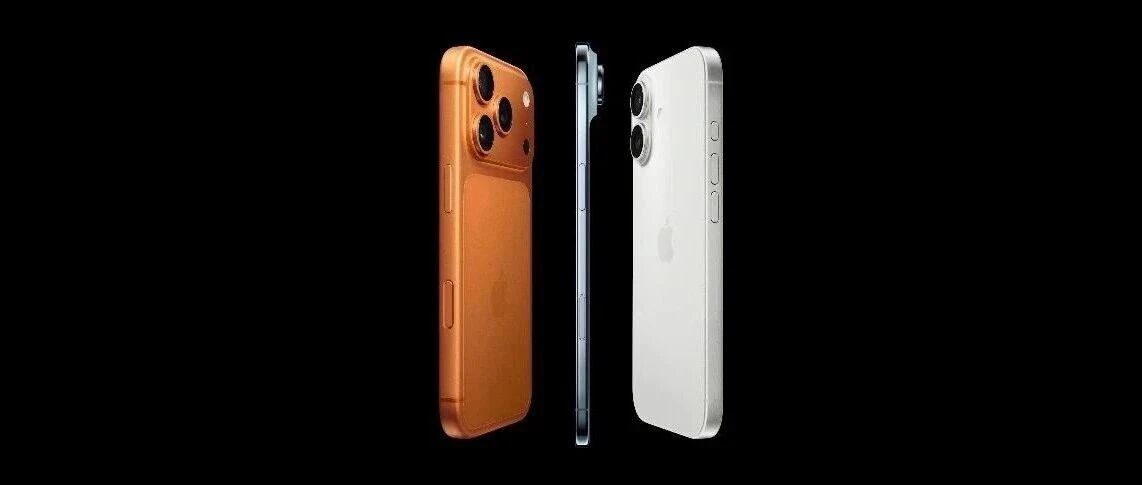
iPhone Air在华发售延期,三大运营商将提供eSIM支持
Hu Xiu· 2025-09-12 12:09
Core Viewpoint - Apple has announced a delay in the release of the iPhone Air in China, confirming that China Mobile, China Telecom, and China Unicom will provide eSIM support for the device [1][2]. Group 1: Product Details - The iPhone Air features an ultra-thin design, measuring only 5.6 mm in thickness and weighing 165 grams, with a 6.5-inch screen and powered by the A19 Pro processor [2][3]. - The device will only support eSIM technology, eliminating the need for a physical SIM card slot, which has led to its delayed launch in China compared to other iPhone models [3][4]. Group 2: eSIM Technology - eSIM (Embedded Subscriber Identity Module) is a new standard that allows users to activate mobile services without a physical SIM card, offering advantages in flexibility, security, and user experience [3]. - Apple has previously integrated eSIM functionality in its devices, starting with the iPhone XR, and has fully eliminated physical SIM slots in the iPhone 14 series sold in the U.S. market [4]. Group 3: Carrier Readiness - China Mobile has indicated that it supports eSIM mobile services and will announce further details soon [6]. - China Telecom is prepared to launch eSIM services pending approval from the Ministry of Industry and Information Technology, with a focus on the iPhone 17 series [7]. - China Unicom has not provided specific details regarding its eSIM services, but its official account has recently changed to reflect a focus on eSIM technology [7]. Group 4: Market Impact - Although eSIM technology is not yet fully widespread in smartphones, it has seen significant adoption in non-smartphone devices, such as smart bands, with several listed companies investing in this area [8]. - eSIM-related stocks have shown mixed performance, with companies like Unisoc Microelectronics and New Henghui seeing gains, while Tianyu Information experienced a decline [9].
苹果宣布iPhone Air在华发售延期 官方最新确认:中国移动、中国电信、中国联通将为iPhone Air提供eSIM支持
Mei Ri Jing Ji Xin Wen· 2025-09-12 11:29
Group 1 - Apple announced the launch of the new iPhone Air, which features an ultra-thin design and improved durability compared to previous models [2] - The iPhone 17 series, including iPhone 17, iPhone 17 Pro, and iPhone 17 Pro Max, is available for pre-order starting at 8 PM Beijing time on September 12 [2] - The iPhone Air will only support eSIM and will not have a physical SIM card slot, which has delayed its release in China [3][5] Group 2 - The iPhone Air is the thinnest iPhone ever, measuring 5.6 mm in thickness and weighing 165 grams, with a 6.5-inch screen and powered by the A19 Pro processor [2] - Apple has made compromises in battery life and camera performance due to the device's thin design [3] - eSIM technology, which allows for embedded SIM cards, offers advantages in flexibility, security, and user experience compared to traditional SIM cards [3] Group 3 - Chinese telecom operators, including China Mobile, China Telecom, and China Unicom, are preparing to support eSIM services for the iPhone 17 series, pending regulatory approval [5] - eSIM technology has been widely adopted in non-smartphone devices, such as smart bands, indicating a growing trend in the industry [6] - eSIM-related stocks, such as Unisoc and Xin Henghui, have shown mixed performance in the market [7]

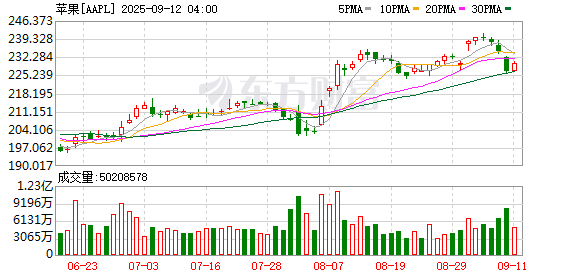
苹果宣布iPhone Air在华发售延期,官方最新确认:中国移动、中国电信、中国联通将为iPhone Air提供eSIM支持
Mei Ri Jing Ji Xin Wen· 2025-09-12 11:23
Core Points - Apple has announced the launch of the new iPhone Air, which features an ultra-thin design and improved durability compared to previous models, and is currently working with regulatory bodies to expedite its release in China [1] - The iPhone 17 series, including iPhone 17, iPhone 17 Pro, and iPhone 17 Pro Max, is available for pre-order starting at 8 PM Beijing time, with the iPhone Air's release contingent on regulatory approval [1] - The iPhone Air is the thinnest iPhone ever at 5.6 mm thick and weighs 165 grams, featuring a 6.5-inch screen and powered by the A19 Pro processor, which Apple CEO Tim Cook describes as a "disruptive innovation" [1] eSIM Technology - The iPhone Air will only support eSIM technology, eliminating the need for a physical SIM card slot, which has delayed its simultaneous release with the other iPhone models in China [2][5] - eSIM (Embedded Subscriber Identity Module) is a new standard that allows users to activate mobile services without a physical SIM card, offering advantages in flexibility, security, and user experience [4] - Major Chinese telecom operators, including China Mobile, China Telecom, and China Unicom, are preparing to support eSIM services for the iPhone Air, pending regulatory approval [5] Market Response - The stock prices of eSIM-related companies have shown mixed performance, with companies like Unisoc and New Henghui seeing gains, while Tianyu Information experienced a decline [6]
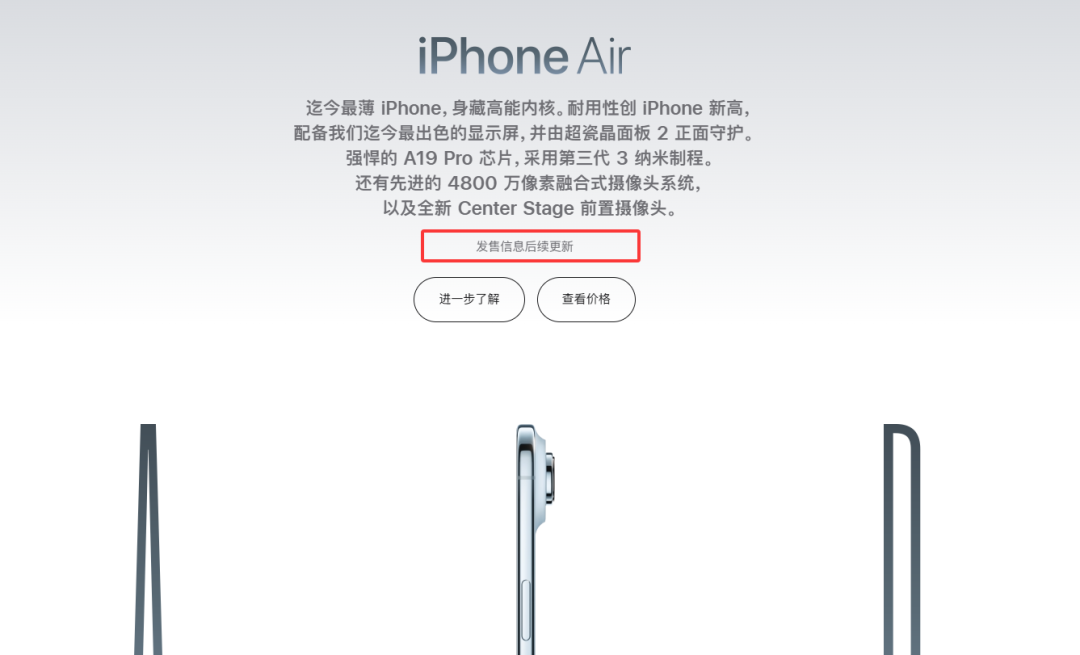
苹果史上最薄iPhone机型国内首推eSIM,三大运营商要卷起来了?
3 6 Ke· 2025-09-12 10:31
Group 1: iPhone Air Features - The iPhone Air is equipped with the new A19 Pro processor, the most powerful iPhone chip to date, and features the C1x modem, which is twice as fast as its predecessor [2] - It supports Wi-Fi 7, Bluetooth 6, and Thread technology, while maintaining a slim profile of only 5.6 mm and a weight of 165 grams [3] - The device promises all-day battery life, with up to 27 hours of video playback, and can extend to 40 hours with the $99 MagSafe battery [2] Group 2: eSIM Technology Advantages - eSIM technology allows for a thinner phone design by eliminating the need for a physical SIM card, which can free up space for larger batteries and improved features [3] - It facilitates easier number portability, enabling users to switch carriers without the hassle of physical SIM cards [4] - eSIM enhances security by preventing unauthorized access, as it cannot be removed from the device like a traditional SIM card [4] Group 3: Market Adoption and Challenges - China Unicom is currently the only carrier in mainland China supporting eSIM for the iPhone, with plans from China Telecom and China Mobile to follow [5] - Despite the advantages of eSIM, consumer awareness remains low, with only 35% of surveyed individuals familiar with the technology [7] - The limited availability of eSIM-compatible devices is a significant barrier to widespread adoption, particularly in emerging markets [11] Group 4: Future Outlook - The global eSIM smartphone connections are projected to reach 1 billion by the end of 2025 and 7 billion by 2030, representing a significant growth opportunity [11] - eSIM is considered essential for IoT devices, allowing for easier management and deployment of large numbers of devices [12] - As technology matures and support from global carriers increases, eSIM is expected to play a larger role in both consumer and IoT markets [13]
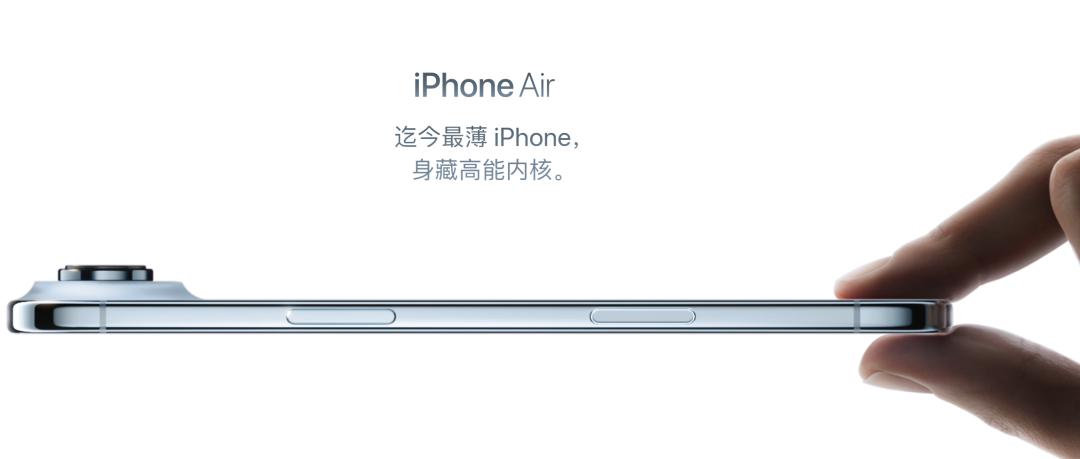
iPhone Air在华上市延期 苹果称发售时间待监管审批
Zhong Guo Jing Ying Bao· 2025-09-12 08:12
Core Viewpoint - Apple's iPhone Air, which relies solely on eSIM technology, has delayed its launch in China due to regulatory approval processes, despite being ready for sale [2][3]. Group 1: Product Details - The iPhone Air is Apple's thinnest model ever at just 5.6mm, designed to attract new users with its ultra-slim profile and advanced features, including a 48MP camera system and long battery life [2]. - The device will only support eSIM, with China Unicom being the initial carrier to provide this service, although China Telecom and China Mobile have also expressed readiness to support eSIM [2][3]. Group 2: Regulatory and Market Response - The delay in the iPhone Air's launch is attributed to waiting for regulatory approval, with Apple confirming that they are working closely with authorities to expedite the process [2][4]. - Analysts suggest that if all three major Chinese telecom operators launch eSIM services simultaneously, it would benefit Apple by enhancing market competitiveness and avoiding missed opportunities [3][4]. Group 3: Market Expectations - Despite the innovative design, market analysts believe that the iPhone Air may appeal primarily to early adopters due to compromises in battery life and camera performance, and the requirement for users to activate eSIM in physical stores may limit its appeal to mainstream consumers [5].
苹果争取在华推出eSIM版iPhoneAir,正等待监管批复
Bei Ke Cai Jing· 2025-09-12 06:59
Core Viewpoint - Apple is working closely with regulators and carriers to launch the eSIM version of the iPhone Air in China as soon as possible [1][2] Group 1: Product Features - The new iPhone Air is described as the lightest and thinnest iPhone ever, featuring a professional-grade performance, innovative Center Stage front camera, and a 48-megapixel fusion camera system [1] - The iPhone Air exclusively offers eSIM options, which is a new generation SIM card standard developed by the GSMA [2] - eSIM design allows for space-saving within the device, contributing to its ultra-thin form factor, and offers greater flexibility and security compared to traditional physical SIM cards [2] Group 2: Market Strategy - Apple has announced that the iPhone 17, iPhone 17 Pro, and iPhone 17 Pro Max will be available for pre-order starting at 8 PM Beijing time, with the iPhone Air's release contingent on regulatory approval [1] - The company is in close collaboration with Chinese carriers, including China Mobile, China Telecom, and China Unicom, to obtain the necessary approvals for the eSIM smartphones [1][2] - eSIM technology is supported by over 500 global carriers, including China Unicom, and facilitates easier connectivity while traveling, with options for economical international roaming plans [2]
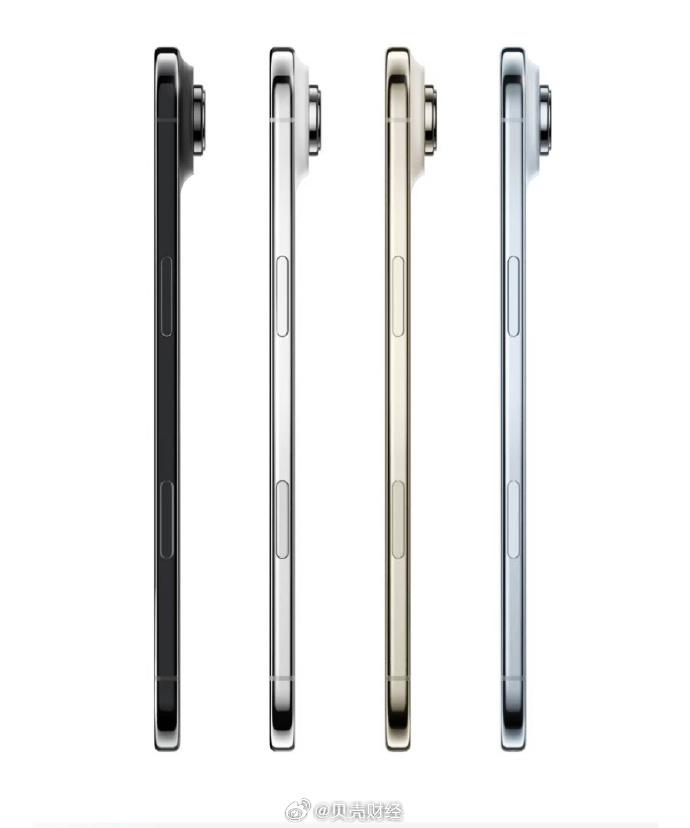
iPhone Air在华发售延期,苹果发声
Guan Cha Zhe Wang· 2025-09-12 05:37
Core Viewpoint - Apple has launched four new iPhone models, with the iPhone 17, iPhone 17 Pro, and iPhone 17 Pro Max available for pre-order on September 12 and officially released on September 19. The iPhone Air will not be released simultaneously due to regulatory issues related to its eSIM design [1][4]. Group 1: Product Launch Details - The iPhone 17, iPhone 17 Pro, and iPhone 17 Pro Max will start pre-orders at 8 PM Beijing time on September 12, with official sales beginning on September 19 [1]. - The iPhone Air's release is pending regulatory approval, with Apple expressing eagerness for users to experience the device [1][4]. Group 2: eSIM Technology - The iPhone Air features a unique eSIM-only design, eliminating the physical SIM card slot to enhance battery capacity [4]. - eSIM (Embedded-SIM) technology allows for remote updates and is supported by over 500 global carriers, facilitating easier connectivity while traveling [4]. - In China, eSIM activation for the iPhone Air will be supported by China Mobile, China Telecom, and China Unicom, with specific timelines dependent on regulatory approval [4][6].

eSIM手机业务何时开启 三大运营商回应
Mei Ri Jing Ji Xin Wen· 2025-09-12 03:29
Core Viewpoint - Apple has launched the iPhone 17 series, introducing the iPhone Air, which is the thinnest and lightest iPhone to date, with a thickness of only 5.6 mm and a weight of 165 grams, while compromising on battery life and camera performance [1] Group 1: Product Features - The iPhone Air features a 6.5-inch screen and is powered by the A19 Pro processor [1] - The device only supports eSIM cards due to its thin design, eliminating the physical SIM card slot [1] Group 2: eSIM Technology - eSIM (Embedded Subscriber Identity Module) is a new standard that offers advantages in flexibility, security, and user experience compared to traditional SIM cards [2] - Apple has previously integrated eSIM functionality in its devices, with the iPhone 14 series in the US fully eliminating the physical SIM card slot [2] Group 3: Market Launch and Carrier Support - The iPhone Air is awaiting regulatory approval for launch in China, while the iPhone 17 series is available for pre-order [2] - China Unicom is currently the only carrier in mainland China providing eSIM support for the iPhone Air, while China Mobile and China Telecom are preparing to offer eSIM services pending regulatory approval [4]