
数字经济

Search documents
武汉2025年全社会用电量公布 新能源与数字经济成增长双引擎
Ren Min Wang· 2026-01-06 02:13
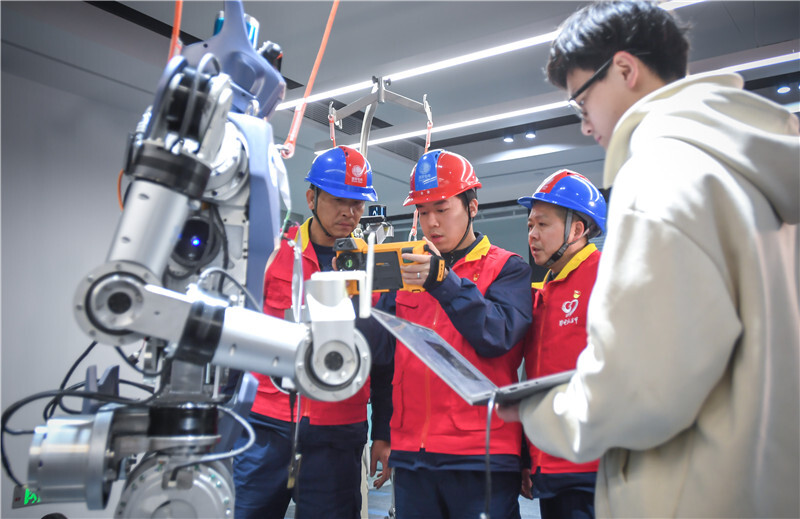
2026年1月1日,国网武汉供电公司发布2025年全社会用电数据,全年累计用电量达857.12亿千瓦时,同比2024年 增长4.76%,展现出稳健韧性。 这些高技术制造业与现代服务业的用电增长,背后折射了武汉电网与行业区域发展同频共振。2025年,国网武汉 供电公司聚焦全面打造现代化用电营商环境,建立重大项目报装"双长制",推动项目"拿地即开工""摘牌即通 电"。同时,大电网建设持续推进,500千伏东新变电站、金银湖变电站接连投产送电,一年投运2座500千伏变电 站,为区域经济发展注入坚强动力。大力实施网架优化补强工程,投运220千伏舵落口、西边湾等重点工程20项, 按期投产165项主配网度夏重点工程。这些举措助力东湖实验室、湖北瑞达智能装备产业园等省市重点项目"早接 快用",助力武汉市牵住高质量发展的"牛鼻子",以科技创新引领现代化产业体系建设。 在产业用电亮眼的同时,武汉市用电结构亦呈现积极变化。城乡居民生活用电量增速达3.84%,低于全社会用电 量增速,而充换电服务业用电量增长17.4%,既反映市民绿色出行意愿提升,也是武汉城乡协调发展和绿色转型 的缩影。 2025年9月25日,华中地区首个进入城市腹地 ...

实益达涨2.09%,成交额2614.24万元,主力资金净流入199.00万元
Xin Lang Cai Jing· 2026-01-06 02:06
Core Viewpoint - The stock price of Shiyida has shown fluctuations, with a recent increase of 2.09% and a total market capitalization of 5.07 billion yuan, indicating investor interest and potential growth in the company's performance [1]. Group 1: Stock Performance - As of January 6, Shiyida's stock price is 8.78 yuan per share, with a trading volume of 26.14 million yuan and a turnover rate of 0.76% [1]. - Year-to-date, the stock price has increased by 2.33%, with a 1.50% rise over the last five trading days, a 6.79% decline over the last 20 days, and a 4.77% increase over the last 60 days [2]. Group 2: Company Overview - Shiyida Technology Co., Ltd. was established on June 5, 1998, and went public on June 13, 2007. The company is located in Longgang District, Shenzhen, Guangdong Province [2]. - The main business segments include LED lighting (73.21%), smart hardware manufacturing (26.50%), and other businesses (0.29%) [2]. - The company operates within the electronic-optical optoelectronics-LED industry and is associated with concepts such as SAAS, digital economy, internet celebrity economy, short videos, and ByteDance [2]. Group 3: Financial Performance - For the period from January to September 2025, Shiyida achieved a revenue of 485 million yuan, representing a year-on-year growth of 7.26%. The net profit attributable to shareholders was 30.31 million yuan, reflecting a 12.37% increase [2]. - As of September 30, the number of shareholders is 56,200, a decrease of 14.23% from the previous period, while the average circulating shares per person increased by 16.60% to 7,051 shares [2]. Group 4: Dividend Information - Since its A-share listing, Shiyida has distributed a total of 117 million yuan in dividends, with no dividends paid in the last three years [3].

各方期待李在明此访能进一步夯实两国关系 让中韩友谊在上海结出更多硕果
Jie Fang Ri Bao· 2026-01-06 01:41
1993年,韩国人洪原淑来到上海中医药大学学习,之后就在这里生活至今。"听到我是韩国人,很 多病人惊讶我中文讲得这么好,但能得到他们的信任靠的是疗效。"如今,这位韩国中医师早把上海视 作第二故乡,为其发展建言献策,"虽然上海英语标识完整,但非英语国家人士依然存在辨识困难,希 望能完善多语种服务指引。" "上海不仅是中韩历史情感的纽带,更是两国人员、经贸、文化合作交流的门户与桥梁。"上海国际 问题研究院助理研究员李宁告诉记者。很多人有种感觉,上海与首尔很相似,上海有过"浦东大开发", 首尔有过"汉江奇迹";上海被黄浦江分为浦东与浦西,首尔因汉江分为江南和江北;双城都致力于保护 本国传统文化,也吸引全球文艺机构纷至沓来…… 记者 洪俊杰 这个元旦,韩国游客成为在沪外籍游客的主力。他们在外滩跨年,到新天地逛街,再去超市采购, 乘兴而来,满载而归。数据显示,自2024年11月8日中方对韩试行免签政策以来,韩国已稳居来沪入境 游客源国之首。 上海是中韩交流合作的缩影。这里拥有现代化的城市硬件、成熟的外籍人员生活环境,以及海纳百 川的包容度,已成为韩国民众来华旅游、学习、经商的首选地之一。今天,韩国总统李在明访问上海。 ...
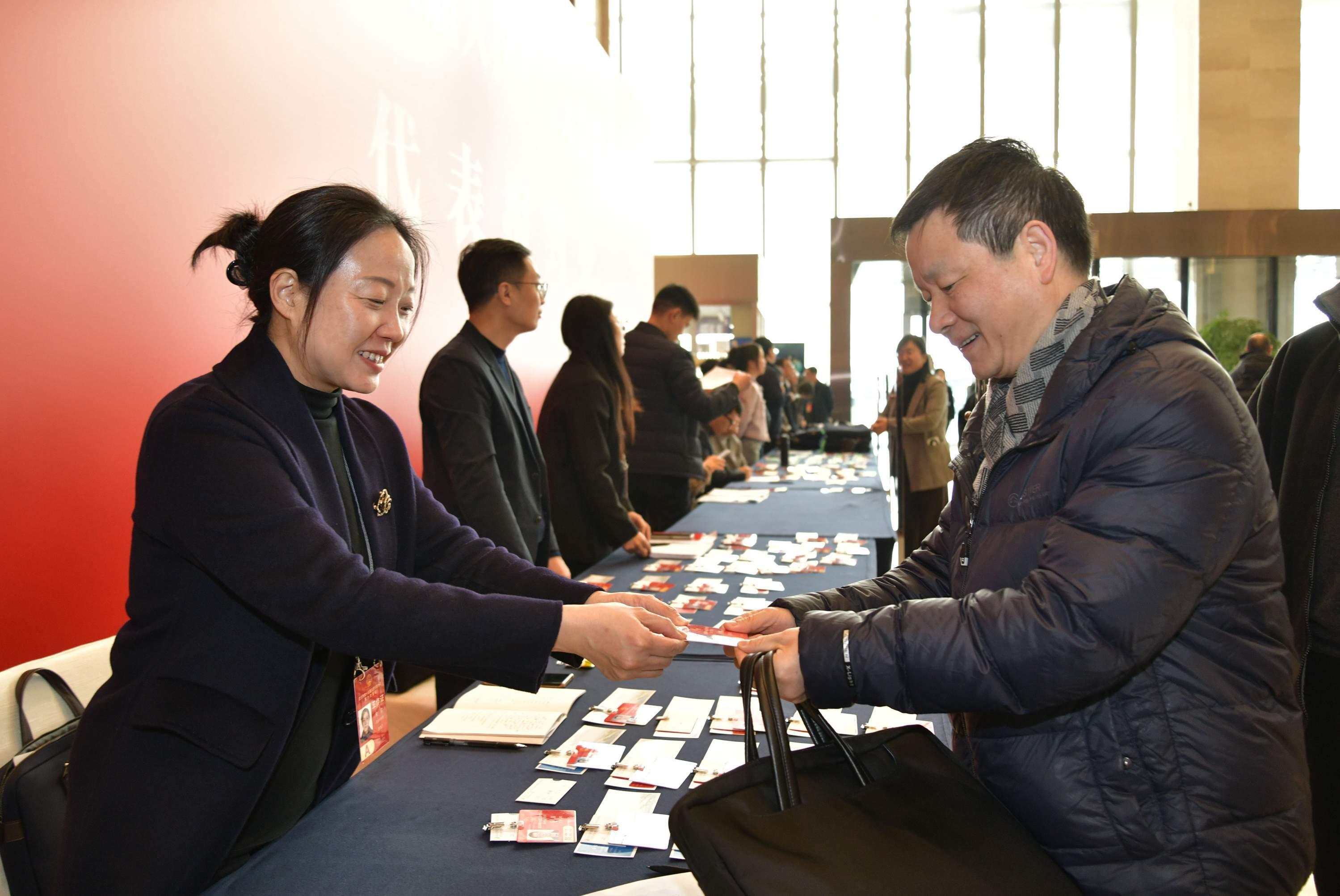
人大代表怀揣履职热忱响应民生期盼,老百姓的事情就是我们关注的事情
Chang Jiang Ri Bao· 2026-01-06 01:12
Group 1 - The implementation of the "Regulations on the Installation of Elevators in Existing Residential Buildings in Wuhan" marks a significant step in improving urban infrastructure and enhancing residents' quality of life [1] - Representatives are focusing on the development of private and technology-driven enterprises, emphasizing the importance of grassroots feedback in shaping policies [1] - There is a strong emphasis on the integration of technology in various sectors, particularly in enhancing service delivery in areas such as elderly care, childcare, and domestic services [3][4] Group 2 - The proposal to strengthen the brand building of leading enterprises aims to upgrade traditional agricultural products and promote the transformation from manufacturing to fashion creativity [5] - The establishment of fashion creative industry parks and the integration of artificial intelligence with the clothing industry are seen as key strategies for revitalizing the local fashion sector [5] - The development of micro-short drama industries is suggested as a means to leverage urban resources and enhance cultural soft power [5]

“数据要素×”三年行动计划发布两周年:政策护航激活数据经济新潜能
Zheng Quan Ri Bao Wang· 2026-01-06 00:56
国家数据局于2024年1月4日发布《"数据要素×"三年行动计划(2024—2026年)》(下称"数据要素×"三 年行动计划),至今已满两周年。两年来,"数据要素×"三年行动计划聚焦工业制造、现代农业、商贸 流通等12个行业和领域,激活数据要素潜能,催生新产业(300832)、新模式。 2025年11月份,"数据要素×"大赛全国总决赛颁奖仪式上,国家数据局党组书记、局长刘烈宏透露,下 一步,国家数据局将聚焦建设开放共享安全的全国一体化数据市场,加大对数据商在内的各类数据流通 服务机构的培育力度,以繁荣数据产业生态,进一步激发市场活力,释放数据要素价值。 在政策指引下,数据要素在流通中释放价值、在融合中催生创新、在复用中拓展边界,从供应链风控的 智能化到数据资产全生命周期的治理,从单一环节的效率提升到全产业链的协同重构,数据要素正以乘 数效应激活经济细胞,这种变革不仅带来了对数字基础设施的庞大需求,更吸引了资本向数据技术、智 能服务等前沿领域集聚。 以示范场景 擘画数据要素市场新蓝图 作为负责协调推进数据基础制度建设,统筹数据资源整合共享和开发利用的部门,国家数据局积极推动 数据基础设施建设,加强数据融合应用,深 ...
封关半个多月,海口复兴城很忙
Hai Nan Ri Bao· 2026-01-06 00:51
Core Insights - The Haikou Fuxing City Internet Information Industry Park is experiencing significant growth and activity following the implementation of the Hainan Free Trade Port's customs closure, attracting both existing and new businesses [2][3][6] Group 1: Existing Businesses - The company Qiduo Bang has seen a surge in business inquiries, with nearly 100 new service enterprises registered since the customs closure, and foreign clients making up 10% of their new business [3] - The company has successfully facilitated the residency process for 20 high-demand talents, a significant increase from the previous rate of one per month [3] - The company Lian Nian Zhe (Hainan) Technology Co., Ltd. is actively exploring the development of AI technologies in response to the new market opportunities presented by the customs closure [3] Group 2: Upcoming Projects - The International Data Industry Innovation Development Conference held in December 2025 led to the signing of five key cooperation projects, including the Hainan International Digital Nomad Community, aimed at enhancing the data industry ecosystem [4][5] - The establishment of the "Hainan Short Drama Export Industry Base" is expected to promote the export of digital content, leveraging the benefits of the Free Trade Port [4][5] - Over 50 key enterprises have signed agreements with the Fuxing City Park, covering sectors such as international data, artificial intelligence, and cross-border e-commerce [5] Group 3: Future Prospects - There is a notable increase in interest from international companies looking to explore opportunities in Hainan, with representatives from countries like Singapore, the Philippines, and Sweden expressing strong interest in the Free Trade Port's potential [6] - The Fuxing City Park plans to develop a "3579" industrial development system focusing on artificial intelligence, integrated circuits, and data cross-border flow to support businesses [6]
三连板002757,预计2025年净利润扭亏为盈
Zhong Guo Ji Jin Bao· 2026-01-06 00:34
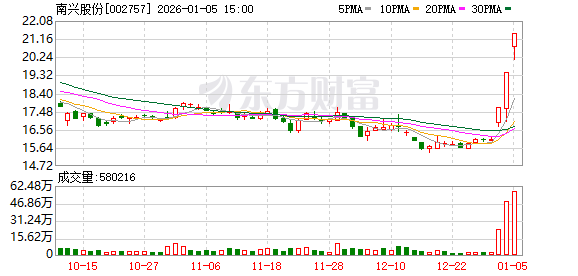
Core Viewpoint - Naxing Co., Ltd. expects to turn a profit in 2025, projecting a net profit attributable to shareholders of between 90 million and 120 million yuan, compared to a loss of 175.15 million yuan in the same period last year [2][4]. Financial Performance - The company anticipates a net profit of 90 million to 120 million yuan for 2025, while the previous year showed a loss of 175.15 million yuan [4]. - The net profit after deducting non-recurring gains and losses is expected to be between 75 million and 105 million yuan, compared to a loss of 186.20 million yuan last year [4]. - Basic earnings per share are projected to be between 0.3046 yuan and 0.4062 yuan, compared to a loss of 0.5928 yuan per share in the previous year [4]. Business Segments - Naxing Co., Ltd. operates in two main business segments: traditional furniture intelligent equipment and IDC/cloud computing, which was entered through the acquisition of Unique Network in 2018 [5]. - The IDC business has become the largest revenue contributor, accounting for 54.51% of total revenue as of June 30, 2025, with revenue of 877 million yuan [5]. Goodwill and Impairment - The company recorded a goodwill impairment of 364 million yuan in 2024, which significantly impacted the net profit for that year [4]. - As of the end of 2024, the total accumulated goodwill impairment was 498 million yuan, with approximately 120 million yuan remaining unimpairment [5][7]. Market Performance - Naxing Co., Ltd. has seen its stock price surge, achieving three consecutive trading days of limit-up, with the latest stock price at 21.42 yuan per share and a total market capitalization of 6.329 billion yuan [8]. - The company is gaining attention in the market due to its involvement in AI technology applications and its integration of intelligent algorithms in smart manufacturing [6][8].

三连板002757,预计2025年净利润扭亏为盈
中国基金报· 2026-01-06 00:31
Core Viewpoint - Naxing Co., Ltd. is expected to turn a profit in 2025, projecting a net profit attributable to shareholders of between 90 million and 120 million yuan, compared to a loss of 175.14 million yuan in the previous year [2][3]. Performance Forecast - The performance forecast period is from January 1, 2025, to December 31, 2025 [4]. - The company anticipates a positive net profit, indicating a turnaround from previous losses [4]. - The projected net profit is between 90 million and 120 million yuan, while the previous year's loss was 175.14 million yuan [4]. - The expected net profit after deducting non-recurring gains and losses is between 75 million and 105 million yuan, compared to a loss of 186.20 million yuan last year [4]. - Basic earnings per share are projected to be between 0.3046 yuan and 0.4062 yuan, compared to a loss of 0.5928 yuan per share in the previous year [4]. Reasons for Profit Turnaround - The company attributes the profit turnaround to a significant reduction in goodwill impairment, which amounted to 364 million yuan in 2024, leading to a substantial decrease in net profit for that year [5]. - The IDC business has shown growth, and the impact of goodwill impairment on current profits is expected to be minimal [5]. - For the first three quarters of 2025, the company reported a net profit of 92 million yuan, with an estimated fourth-quarter profit ranging from a loss of 2 million yuan to a profit of 28 million yuan, compared to a loss of 382 million yuan in the same quarter last year [5]. Business Segments - Naxing Co., Ltd. was established in 1996 and went public in 2015. Its main business is divided into two segments: traditional smart furniture equipment and the IDC and cloud computing business acquired in 2018 [5]. - The IDC business has become the largest revenue contributor, accounting for 54.51% of total revenue as of June 30, 2025, with revenue of 877 million yuan [5]. Goodwill Impairment - The company recorded a goodwill of 618 million yuan when acquiring the unique network, with a total impairment provision of 364 million yuan for the IDC business assets by the end of 2024 [6]. - The total accumulated impairment provision reached 498 million yuan, leaving approximately 120 million yuan of unimpairment goodwill [6]. Market Performance - Naxing Co., Ltd. has gained attention in the market due to its positioning in the AI technology and computing infrastructure sectors, leading to a surge in stock prices, with three consecutive trading days of limit-up, reaching a price of 21.42 yuan per share and a market capitalization of 6.329 billion yuan [8]. - The company has confirmed that its recent operational conditions are normal, with no significant changes in disclosed operational situations or external environments [10].

重庆迭代“满天星”行动 探索产业转型升级发展新路径
Ren Min Ri Bao· 2026-01-05 22:33
Core Viewpoint - The "Starry Sky" initiative has accelerated the development of Chongqing's software and information service industry, marking a new phase of transformation and quality improvement in the sector [1][4]. Group 1: High-Level Promotion and Systematic Operations - Chongqing aims to enhance the quality of its software and information industry, positioning it as a catalyst for the transformation and upgrading of the manufacturing sector [2]. - The initiative addresses the urgent need for industrial upgrades while revitalizing idle commercial spaces, attracting young talent and quality enterprises [2][3]. Group 2: Implementation Mechanisms - A comprehensive work mechanism has been established to ensure the effective implementation of the "Starry Sky" initiative, including quarterly progress meetings led by city government leaders and collaboration among over ten departments [3]. - The initiative employs a combination of overall design, meticulous management, competitive benchmarking, and dynamic optimization to translate plans into practice [3]. Group 3: Achievements and Growth - The software and information service industry in Chongqing has seen significant growth, with 263,000 new employees added, doubling the total since 2021, and 30.5% of new employees being from outside the city [4]. - A total of 3,750,000 square meters of idle buildings have been revitalized, and 26 software industry parks have been established [4]. - The number of new software enterprises reached 17,200, including three billion-level and 20 ten-million-level companies, with 91 software products recognized as national pilot demonstrations [4]. Group 4: Application and Impact - The initiative has led to the release of 4,117 application scenarios, establishing 22 national-level intelligent factories, the highest in Western China [5]. - Various industry events have been held to enhance the influence of the software industry, including the China Industrial Software Conference and the Intelligent Automotive Software Ecosystem Conference [5]. Group 5: Future Directions - The new plan emphasizes the integration of AI technologies, aiming to accelerate the application of "AI+" in various sectors and enhance data empowerment [8][10]. - The initiative will expand its scope from urban centers to all eligible districts, fostering a development pattern of "city-level clusters + characteristic clusters" [9]. Group 6: Talent Development - A talent cultivation mechanism has been established, focusing on collaboration between enterprises and educational institutions to meet industry needs [6][8]. - Over 35,000 skilled professionals have been trained through a collaborative model involving enterprises, universities, and training institutions [6].
影响市场重大事件:爱思达航天增资212.13% 已启动科创板IPO辅导;中国航天科技集团商业火箭公司增资至13.96亿
Mei Ri Jing Ji Xin Wen· 2026-01-05 22:28
Group 1: Investment and Capital Increase - China Aerospace Science and Technology Corporation's commercial rocket company increased its registered capital from 1 billion RMB to 1.396 billion RMB, a growth of 39.6% [1] - Tianjin Aisida Aerospace Technology Co., Ltd. raised its registered capital from 51.2615 million RMB to 160 million RMB, an increase of approximately 212.13% [2] Group 2: Technological Developments and Innovations - ByteDance's "Doubao" AI glasses are set to enter the shipping phase, featuring a self-developed spatial algorithm module and weighing less than 50 grams, with a starting price expected to be under 2000 RMB [3] - Gaode, a subsidiary of Alibaba, is developing a world model and plans to launch a new product application based on this model, which will be open-sourced soon [9] Group 3: Digital Economy Initiatives in Sichuan - Sichuan Province is advancing the construction of a national digital economy innovation development pilot zone, focusing on data infrastructure and the establishment of a unified data circulation system [4] - The province aims to explore local legislation to promote artificial intelligence and digital economy initiatives, including the potential creation of regulations for digital economy and AI industry promotion [5] - Sichuan plans to achieve a total computing power scale of 40 EFLOPS within 3 to 5 years, alongside the establishment of numerous digital transformation centers and advanced manufacturing factories [7][8] Group 4: AI Industry Growth in Beijing - Beijing aims to build a global AI innovation hub, with plans to exceed a core industry scale of 1 trillion RMB within two years, supported by the implementation of nine major actions [11]
