银发经济

Search documents
要银发经济,不要“围猎经济” | 新京报社论
Xin Jing Bao· 2025-10-29 17:25
Core Viewpoint - The article highlights the growing issue of scams targeting the elderly population in China, particularly during the recent Double Ninth Festival, emphasizing the need for a robust "silver economy" to protect this demographic from exploitation [2][3][4]. Group 1: Silver Economy Development - The term "silver economy" refers to the market for goods and services aimed at the elderly, which has gained national attention in China, especially in the context of an aging population [2][3]. - The Chinese elderly population exceeds 310 million, accounting for approximately 22% of the total population, with projections indicating it will surpass 400 million by 2035, representing over 30% [3]. - The shift from traditional family-based elder care to a market-driven approach is necessary due to smaller family structures and decreasing familial support for elderly care [3]. Group 2: Vulnerabilities and Scams - Scammers exploit various vulnerabilities of the elderly, including fears of illness and loneliness, leading to traps in medical, food, and emotional sectors [4]. - The lack of protective barriers, such as family support, has made elderly individuals more susceptible to scams, especially with the rise of mobile internet usage [3][4]. - The article warns against the gray areas of the silver economy, where some entities may operate under the guise of providing services while actually exploiting the elderly for profit [4]. Group 3: Ethical Considerations - The development of the silver economy must balance economic interests with ethical considerations, ensuring that elderly individuals are treated with dignity and respect [5]. - A comprehensive framework is needed to protect the elderly from becoming victims of exploitation, emphasizing the importance of trust in societal interactions [4][5]. - The cultural foundation of respecting the elderly in Chinese society should guide the establishment of a genuine silver economy that benefits all [5].


重构养老产业链,保险业抢滩“长寿时代”
Sou Hu Cai Jing· 2025-10-29 16:50
Group 1: Industry Overview - The aging population in China is creating a significant demand for retirement services, with over 310 million people aged 60 and above, projected to exceed 400 million by 2035 [3] - The scale of the retirement industry is expected to surpass 10 trillion yuan by 2030, with a compound annual growth rate of 28.22% from 2016 to 2024 [3][5] - As of the end of 2023, there are 129 commercial insurance institutions involved in retirement community projects, a notable increase from 105 at the end of 2022 [2] Group 2: Company Initiatives - China CITIC Insurance has launched a new retirement project called "Future Home," focusing on a three-in-one service system combining healthcare, wealth management, and cross-border cooperation [2] - Taikang Insurance has established a significant presence in the retirement community sector, with 46 projects across 37 cities, serving over 18,000 residents [2][5] - Ping An Insurance has developed a dual focus on "insurance + home care" and "insurance + high-end retirement" services, covering 85 cities and nearly 240,000 clients by September 2025 [6] Group 3: Investment Models - Insurance companies are adopting three investment models in retirement communities: heavy asset (self-built), light asset (leasing), and cooperative models [5] - Taikang's "Taikang Home" operates under a continuous care model, providing various living service areas to meet different elderly care needs [5] - Dajia Insurance represents the light asset model, focusing on urban core areas and achieving over 80% occupancy in several communities [6] Group 4: Challenges and Opportunities - Insurance companies face challenges such as long capital recovery cycles and initial low occupancy rates in retirement communities, which can strain cash flow [8][9] - The industry benefits from the stable and long-term nature of insurance funds, which can fill funding gaps in the aging economy [8] - There is a notable shortage of professional talent in the retirement industry, which requires expertise across finance, healthcare, and elder care [10]


新华时评|让“银发群体”绽放更多光彩
Xin Hua She· 2025-10-29 15:32
Core Viewpoint - The article emphasizes the importance of the "silver economy" in promoting high-quality population development and advancing Chinese-style modernization, highlighting the need for societal participation to enhance the lives of the elderly [1][2]. Group 1: Elderly Care and Support - The pension system has seen continuous increases, with subsidies for elderly individuals with moderate to severe disabilities, and improvements in daily services such as elderly beds and dining facilities [1]. - The level of protection for the elderly has steadily improved, reflecting economic development and social progress, allowing more individuals to enjoy a dignified old age [1]. Group 2: Active Participation of the Elderly - The concept of "active aging" is gaining traction, with elderly individuals contributing their experiences in various roles, such as mentors in schools and community mediators [1]. - Society is encouraged to create conditions and platforms for the elderly to participate more actively, thereby expanding their opportunities to showcase talents and create value [1]. Group 3: Diverse Choices for Elderly Life - The article discusses the ongoing construction of a Chinese-style elderly care service system, which is enhancing the diversity of choices available for elderly individuals, including smart health products and travel combined with wellness [2]. - The recent guidelines from the Central Committee emphasize optimizing basic elderly care services and developing the silver economy, which will further improve services and protections for the elderly [2].
重阳礼包与银发消费,是什么让老人乐意掏钱?
Xin Lang Cai Jing· 2025-10-29 15:24
Core Insights - The article highlights the growing trend of "silver economy" in Tongzhou District, where the elderly are shifting from traditional "elderly care" to "enjoying old age" with diverse consumption patterns [1][2][7] Consumption Trends - The average annual growth rate of consumption among pure elderly households in Tongzhou has reached 6.2% over the past three years, surpassing the overall resident growth rate of 5.1% [1][2] - Medical care has become the dominant consumption area, with 59.2% of respondents prioritizing it over other categories like food and daily necessities [2] - Elderly consumers are increasingly rational, with 80.3% prioritizing price and 69.2% focusing on quality when making purchases [2][3] Product Preferences - Elderly consumers show a strong preference for health-related products, with food items (78.63%) and health care products (42.31%) being the most frequently purchased categories [3] - The demand for lifestyle services and educational activities is also significant, with both categories accounting for 38.89% of consumption [4] Online Shopping Behavior - There is a notable increase in online shopping among the elderly, with 52.8% of younger seniors occasionally shopping online and 25.7% doing so regularly [4] - Many elderly individuals seek assistance from their children when navigating online shopping, especially for unfamiliar products [4][5] Challenges in Silver Economy - Despite the positive momentum in the silver economy, challenges remain, such as the mismatch between diverse consumer needs and the supply of products and services [7][8] - The government is working on optimizing supply through innovation and targeted services, including the development of specialized products for the elderly [7][8] Community and Institutional Support - The Tongzhou District has established various community support systems, including 7 regional elderly service centers and 196 service stations, to enhance service delivery [10] - The district is also focusing on attracting professional talent in elder care and related fields to support the growing demand [10] Engagement and Cultural Activities - The district is promoting active participation of the elderly in consumption and service provision through community activities and product experience events [11] - Collaborative efforts with neighboring regions aim to expand the scope of elderly care services, enhancing the overall quality of life for seniors [11]
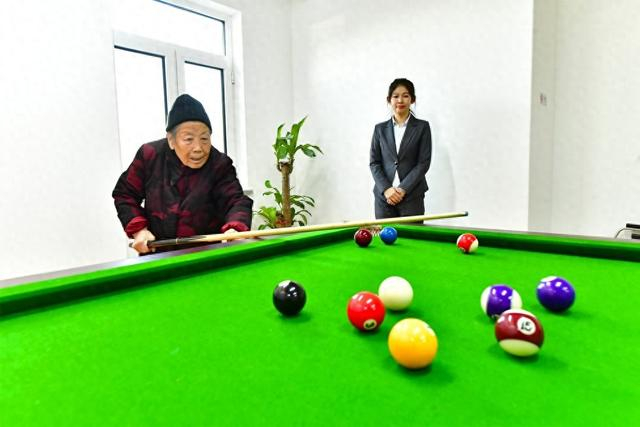
老年兴趣教育市场“提速”:有哪些新趋势?产业发展如何进一步“提质”?
Mei Ri Jing Ji Xin Wen· 2025-10-29 15:15
10月29日,农历九月初九"重阳节"。在这个时间节点,银发经济再次成关注话题。 《每日经济新闻》记者获悉,今天(10月29日)下午,一份聚焦40岁~70岁人群的《乐龄族兴趣生活方 式图鉴》(以下简称"图鉴")在广州发布。这份图鉴是由大成人在线兴趣学习平台兴趣岛基于超3500万 名用户的深度调研而编制,系统呈现了当代中、老年人兴趣消费的四大新趋势:从浅层体验转向深度参 与的"沉浸式投入",打破年龄壁垒的"跨代社交",传统与现代融合的创新实践,以及从"将就"到"讲 究"的品质型悦己消费。 国家信息中心数据显示,中国银发经济市场规模在2024年达8.3万亿元,预计到2030年将超20万亿元。 作为银发经济的一条细分赛道,老年兴趣教育市场近几年也在快速增长。 兴趣岛创始人兼CEO(首席执行官)朱峻修在接受《每日经济新闻》记者采访时称,老年兴趣教育当前 还存在的一个核心问题是:行业尚缺乏一个公认的服务标准。广东银龄产业研究院院长洪文超也告诉记 者,这几年,随着新兴一代"活力老人"(指60岁至70岁的低龄老年群体)增多,不少新玩家正跨界进入 老年兴趣教育赛道。而一些机构的服务能力参差不齐,也导致行业的确存在一些乱象。这需 ...
DeepTrip老年用户突破20万 今年以来“新银发一族”飞往境外1452座城市
Zheng Quan Shi Bao Wang· 2025-10-29 14:38
Core Insights - The report indicates that the travel consumption trends of the elderly population (aged 60 and above) are significantly different from younger groups, with higher spending on accommodation and a preference for mid to high-end hotels [1][2] - The "new generation of silver-haired" travelers are actively engaging in modern travel trends, including social media-driven travel experiences and customized travel options, showcasing a growing market segment [1][2] Group 1: Travel Spending and Preferences - Elderly users' average accommodation spending is over 30% higher than that of younger travelers, with a notable inclination towards high-end hotels [1] - The elderly demographic is a dominant force in luxury travel, with over 70% of luxury cruise users aged between 50 and 70, and more than 90% of high-ticket polar cruise customers falling within this age group [1] - The average spending per trip for the elderly is over 12,000 yuan, which is 25% higher than other age groups [1] Group 2: Seasonal Travel Trends - The travel themes and destination choices of the elderly exhibit clear seasonal patterns, with spring focused on flower viewing, summer on wellness retreats, and winter on warm-weather getaways [1] - Popular domestic travel destinations for the elderly include Beijing, Yunnan, Sichuan, Hunan, Guangxi, Guizhou, Chongqing, Shaanxi, Ningxia, and Hainan [1] Group 3: International Travel Trends - The elderly population shows a preference for short-haul international travel, with popular destinations including Hong Kong, Macau, Osaka, Tokyo, Bangkok, Luang Prabang, Kuala Lumpur, and Bali [2] - There is a growing demand for long-haul international travel among the "new generation of silver-haired" travelers, with popular destinations including Moscow, Budapest, Madrid, Rome, Berlin, Paris, London, Sydney, Wellington, and Amsterdam [2] - The international flight orders for the elderly demographic have increased by 19% year-on-year, with a notable rise in first-time international flight bookings [2]
晚报 | 10月30日主题前瞻
Xuan Gu Bao· 2025-10-29 14:28
Group 1: Technology Consumption - The Ministry of Commerce and other departments released a notification on October 29, emphasizing the integration of emerging technologies like AI, IoT, cloud computing, and blockchain in urban commercial systems [1] - China Galaxy believes that the fusion of AI and the consumer industry is a key trend in current technological development, significantly altering consumption patterns and product forms [1] Group 2: Humanoid Robots - The first domestically developed humanoid robot "Kua Fu," based on the open-source HarmonyOS, was unveiled, breaking foreign technology monopolies and accelerating the establishment of a fully autonomous robot ecosystem [1] - Shanghai Securities notes that the emergence of AI companies is driving the development of general-purpose robotic models, leading to a competitive phase in the humanoid robot industry [2] Group 3: 6G Technology - NVIDIA announced a $1 billion investment in Nokia to develop AI platforms for 6G communication technology, indicating a deepening integration of AI and communication technologies [3] - The collaboration between NVIDIA and Nokia is expected to benefit companies within the Nokia 6G supply chain significantly [3] Group 4: Silver Economy - A three-year initiative to promote the integration of medical and elderly care services was launched, aiming to enhance service systems and capabilities by 2027 [4] - The aging population in China is projected to exceed 300 million by 2025, with the elderly care market expected to grow to 16.1 trillion yuan, indicating a strong growth trajectory for the silver economy [4] Group 5: High-Pressure Fast Charging - A global standard for fast charging solutions was established, with China's innovative fast charging scheme being the only recommended case [5] - The high-pressure fast charging technology is expected to significantly increase charging efficiency, aligning with the growing demand from the electric vehicle market [5] Group 6: Macro and Industry News - A meeting between Chinese President Xi Jinping and U.S. President Donald Trump is scheduled for October 30 to discuss bilateral relations [6] - The launch of a strategic emerging industry development fund with an initial scale of 51 billion yuan was announced [6] Group 7: Market Review - The establishment of the first brain-computer interface industrial cluster in Shanghai aims for significant growth in the industry over the next five years [6] - The Greater Bay Area's largest integrated testing ground for land and air has commenced operations in Shenzhen [6]


成都银发经济应用场景机会清单发布
Xin Hua Cai Jing· 2025-10-29 13:48
Core Insights - Chengdu aims to develop its silver economy, targeting an industry scale of 110 billion yuan by 2027, with plans to create a national-level silver economy industrial park and cultivate over 15 nationally recognized enterprises [1][2] Group 1: Development Plans - The "1+3+7+N" development framework will focus on seven key areas: elderly care services, smart elderly care, rehabilitation aids, anti-aging industry, elderly biomedicine, health tourism, and traditional Chinese medicine for the elderly [1] - Eight major initiatives will be implemented to ensure project execution, investment realization, and brand establishment [1] Group 2: Application Scenarios - The demand list for Chengdu's silver economy includes 29 items across three key areas: smart elderly care, health tourism, and comprehensive online consumption platforms [2] - The supply list features 49 items showcasing innovations from local and leading national enterprises in four categories: smart elderly care, medical care, health foods, and brand consumption [2] Group 3: Project Signings - Representative projects such as the Smart Home Service Industrial Park and Silver Age Intelligence Platform have been signed, covering various fields including smart elderly care and silver e-commerce [3]
当“孝心”成为生意:老年营养品市场在标准缺失中野蛮生长
Di Yi Cai Jing· 2025-10-29 13:47
Core Viewpoint - The aging population in China is driving growth in the senior nutrition market, but the industry faces challenges such as lack of standards and misleading product claims [2][4]. Industry Overview - The market for senior nutrition products is diverse, including supplements like protein powders and specialized milk powders, but many products do not meet the specific nutritional needs of the elderly [3][5]. - A report from ZhiShi Consulting indicates that the domestic nutrition health food market is expected to reach 522.3 billion yuan in 2024, with a compound annual growth rate of 8.5% for nutrition functional foods [5]. Regulatory Developments - The recent draft of the "National Food Safety Standard for Senior Nutritional Supplements" aims to establish clear definitions and standards for products targeting individuals over 60 years old [5][6]. - The draft specifies that quality protein content must not be less than 20% of the total product weight and outlines mandatory and optional nutrient components [6]. Market Challenges - The lack of stringent regulations has led to a proliferation of misleading marketing practices, causing distrust among elderly consumers regarding nutrition products [5]. - Industry experts emphasize the need for detailed standards to address the diverse range of functional products available in the market [6].

当“孝心”成为生意:老年营养品市场在标准缺失中野蛮生长
第一财经· 2025-10-29 13:36
Core Viewpoint - The article discusses the challenges and opportunities in the elderly nutrition product market in China, highlighting the need for standardized regulations to address issues of product quality and consumer trust [3][6][8]. Group 1: Market Overview - The elderly nutrition product market is expected to experience significant growth due to the aging population, with a projected market size of 522.3 billion yuan in 2024 [8]. - The market for nutritional functional foods and health foods is estimated to reach 289.1 billion yuan and 233.1 billion yuan, respectively [8]. - The annual compound growth rate for nutritional functional foods is expected to be 8.5% over the next five years, surpassing the previous five-year rate of 6.6% [8]. Group 2: Current Challenges - The market is currently characterized by a lack of standards, leading to a mix of quality in elderly nutrition products, with some products not meeting the specific nutritional needs of older adults [6][9]. - Many products are marketed with exaggerated claims, creating a trust crisis among elderly consumers [8]. - The absence of specialized standards has allowed some companies to exploit loopholes, using general food standards to market products that should be classified as health foods [5][6]. Group 3: Regulatory Developments - A new national standard for elderly nutrition supplements has been proposed, which aims to define and regulate products specifically designed for individuals over 60 years old [8][9]. - The draft standard includes strict requirements for raw materials, such as a minimum of 20% high-quality protein content and restrictions on the use of hydrogenated fats [9]. - The introduction of this standard is seen as a crucial step towards improving product quality and shifting the industry from concept marketing to value-based supply [9].