数字金融

Search documents
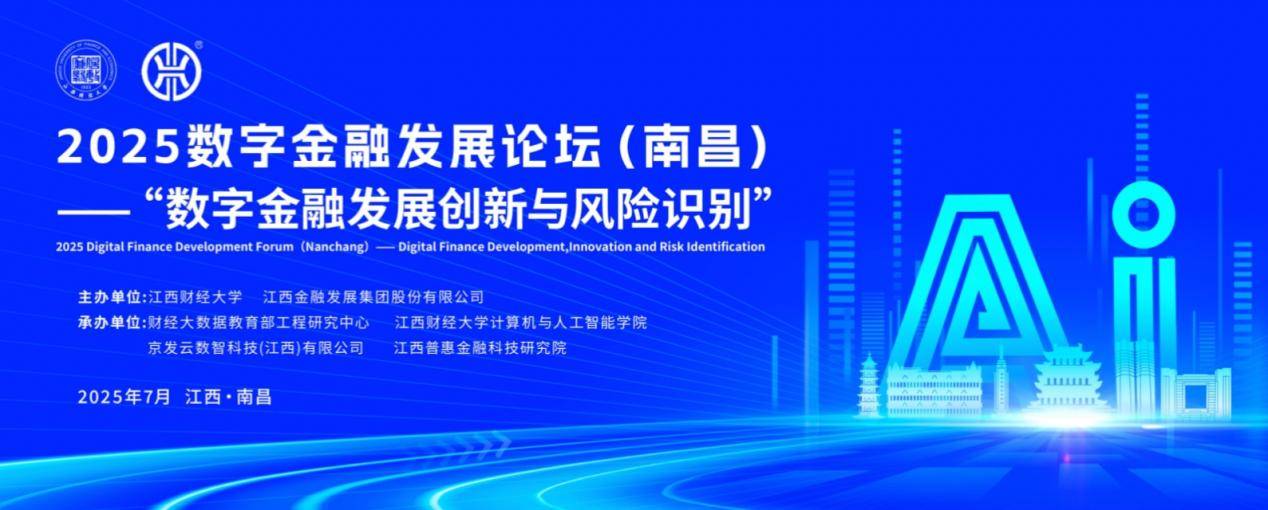
2025数字金融发展论坛在南昌成功举办
Cai Fu Zai Xian· 2025-07-29 02:55
7月27日,由江西金融发展集团与江西财经大学联合主办的"2025数字金融发展论坛"在南昌成功举办。 本届论坛以"数字金融 发展创新与风险识别"为主题,汇聚了来自政策性银行、国有银行、股份制银 行,城商银行和农商银行、投资机构、担保公司、融资租赁公司、商业保理公司、数字科技企业、高校 及研究机构的200余位专家学者、业界精英与媒体代表齐聚赣江之畔,共探数字金融的前沿趋势与实践 路径。 高层来风:共绘数字金融生态新图景 江西省委金融委员会办公室邹常军副主任致辞中指出,本次论坛是贯彻落实中央金融工作会议精神的务 实之举,也是新形势下推动实体经济与数字经济深度融合的一次有益探索,希望与会嘉宾将更多数字金 融改革创新实践落地江西,让数字金融创新提升金融服务质效更进一步,让数字金融创新筑牢金融风险 防线更深一层,让数字金融创新践行金融为民理念更实一分,奋力谱写数字金融新篇章,为推动全省金 融高质量发展,建设中国式现代化江西篇章作出新的更大贡献。 江西金融发展集团彭新亮董事长分享了集团在探索数字金融创新发展路径中的宝贵经验,通过有效整合 金融机构、科技企业与高校资源,积极构建协同生态,成功推动数字金融业务占比提升至80%以 ...

“南沙金融30条”改革乘数效应加速显现
Jin Rong Shi Bao· 2025-07-29 02:49
Core Insights - Nansha, located at the geometric center of the Guangdong-Hong Kong-Macao Greater Bay Area, is set to undergo significant changes due to new supportive policies aimed at enhancing financial innovation and cooperation [1][2][6] Financial Market Connectivity - The Greater Bay Area is recognized as one of the most open and economically vibrant regions in China, with Nansha being a key area for financial reform and innovation, having implemented various policies such as QFLP pilot programs and integrated currency pools [1][2] - Nansha has established itself as a unique zone receiving national-level financial opening policies three times, fostering eight distinctive financial sectors including cross-border finance and shipping finance [1][2] Cross-Border RMB Business - The "Nansha Financial 30 Measures" emphasizes the promotion of cross-border RMB business innovation, with a reported RMB 2.49 trillion in cross-border RMB settlement in the Greater Bay Area from January to April 2025, marking a 28.8% year-on-year increase [2][3] - Nansha aims to leverage its position to enhance the effectiveness of cross-border RMB services for the real economy, supporting new trade settlement models and facilitating international shipping fee settlements in RMB [2][3] Technological and Digital Financial Innovation - The policy encourages the development of diversified intellectual property financial services, with a focus on technology and digital finance, as evidenced by the rapid credit assessment capabilities provided by the "Suiqi Cloud" platform [4][5] - Financial institutions are actively launching combined financial services such as "technology special loans + external direct investment" to address short-term funding needs while supporting long-term development [5][6] Market Response to Policy - The introduction of the "Nansha Financial 30 Measures" is seen as a critical step in deepening financial reform and supporting the Greater Bay Area's development as a high-level open portal [6][7] - Various financial institutions, including the Guangzhou Data Exchange, are quickly adapting to the new policies, forming international ecosystems for digital asset transactions and enhancing cross-border cooperation in futures and insurance [6][7] Nationwide Implications - The financial innovations and practices in Nansha are expected to serve as a reference for other regions in addressing financing challenges for technology innovation and enhancing financial market connectivity with overseas markets [7][8] - The ongoing reforms in Nansha are anticipated to accelerate the multiplier effect of financial reforms across the country, with a focus on improving regulatory frameworks and operational processes to facilitate cross-border investments [8]
金融赋能 南沙打造高水平对外开放门户 专访中国人民银行广东省分行党委书记、行长兼国家外汇管理局广东省分局局长张奎
Jin Rong Shi Bao· 2025-07-29 02:49
Core Viewpoint - The construction of the Guangdong-Hong Kong-Macao Greater Bay Area is a significant strategic deployment by the central government, with Nansha in Guangzhou serving as a key cooperation platform [1][2]. Financial Development in Nansha - Nansha has been designated as a national-level new area, a free trade pilot zone, and a demonstration area for comprehensive cooperation in the Guangdong-Hong Kong-Macao region, showcasing its strategic importance and strong economic development [2][3]. - The financial value added in Nansha increased from less than 0.1 billion yuan in 2015 to 24.84 billion yuan in 2024, accounting for 10.8% of the local GDP, establishing it as a crucial pillar industry [3]. Financial Innovations and Achievements - Nansha has achieved significant financial innovations, including the launch of 13 pilot measures in cross-border trade and investment management, facilitating over 30,600 related business transactions amounting to approximately 57.46 billion USD by June 2025 [3][6]. - The region has also implemented the "Cross-Border Wealth Management Connect" 2.0 version and established a cross-border asset management center, enhancing financial services for residents and businesses [3][4]. Future Directions for Financial Services - The People's Bank of China Guangdong Branch plans to focus on enhancing financial support for technological innovation, improving financial services for the public, and advancing regulatory alignment with Hong Kong and Macau [4][5]. - There is a strong emphasis on developing digital financial services, leveraging financial technology to enhance regulatory capabilities and support innovative financial products [5][6]. Cross-Border Cooperation and Credit Services - The Guangdong Branch is actively promoting cross-border credit cooperation and exploring mutual recognition of credit products, having provided credit services to Hong Kong and Macau clients 87,000 times by June 2025 [6][7]. - The establishment of a cross-border data verification platform utilizing blockchain technology aims to facilitate reliable verification of credit information, enhancing cooperation between Guangdong, Hong Kong, and Macau [6][7].
解码江苏“十三太保”普惠密码:破数据孤岛,穿信用迷雾
Nan Fang Du Shi Bao· 2025-07-29 01:06
Core Viewpoint - Jiangsu Province has achieved a historic milestone with all 13 cities making it to the GYBrand China Top 100 Cities list, highlighting the importance of inclusive finance in supporting balanced economic development [2] Group 1: Inclusive Finance in Jiangsu - Jiangsu's small and medium enterprises account for approximately 98% of the total number of enterprises in the province, making inclusive finance crucial for financial services [2] - The People's Bank of China reported that as of the end of Q1 2025, the balance of agricultural loans reached 52.9 trillion yuan, with a year-on-year growth of 8.4%, outpacing the growth of all loans by 1.5 percentage points [3] - Challenges in rural inclusive finance include issues such as data fragmentation, ineffective traditional credit assessments, and the high cost of service delivery in sparsely populated areas [4][5] Group 2: Policy Initiatives and Innovations - The "Implementation Plan for High-Quality Development of Inclusive Finance in the Banking and Insurance Industries" was released to address pain points in rural finance, proposing measures like expanding the range of rural property as collateral and optimizing credit approval models [6] - Jiangsu Bank has implemented a "three-link" mechanism to integrate financial services into agricultural supply chains, focusing on various agricultural sectors and providing tailored financial products [7] - The "Su Nong Cloud" platform has been launched to address data isolation and credit issues, enhancing farmers' access to financing through improved data integration [8] Group 3: Support Amid Trade Challenges - The trade tensions initiated by the Trump administration have significantly impacted Jiangsu's export-dependent economy, with the province's foreign trade dependence reaching 41% in 2024 [9] - Jiangsu Bank has established a specialized task force to support foreign trade and employment, ensuring that credit needs of businesses are met without arbitrary loan withdrawals [9][10] - The bank has also introduced a "green channel" for companies facing difficulties, providing stable employment loans and utilizing risk compensation tools to mitigate credit risks for foreign trade enterprises [11]

阿根廷Mercado Pago可进行美元买卖 与传统银行正面竞争
Sou Hu Cai Jing· 2025-07-28 23:31
Core Viewpoint - The launch of the dollar trading feature by Mercado Pago marks a significant shift in Argentina's financial market, positioning it as a competitive force against traditional banks [1][3]. Group 1: Features of Mercado Pago's New Functionality - Mercado Pago allows users to buy, sell, and invest in dollar assets through a mobile app, breaking the traditional banking monopoly on dollar transactions [3][5]. - The initial buy price is set at 1,292.96 pesos per dollar, while the sell price is 1,292.58 pesos, indicating a minimal spread to attract users [3][5]. - Compared to traditional banks like BBVA and ICBC, which have higher selling prices (1,305-1,307 pesos), Mercado Pago offers a clear price advantage [3][5]. Group 2: Impact on the Financial Landscape - The introduction of this feature provides users with 24/7 access to manage dollar assets, enhancing flexibility and convenience in transactions [3][5]. - Traditional banks face challenges in operational convenience and transaction speed compared to emerging fintech platforms like Mercado Pago [5][6]. - The entry of Mercado Pago is expected to promote a more transparent and efficient market, benefiting users by increasing competition [5][6]. Group 3: Future Outlook - The competition between banks and fintech companies will intensify in terms of interest rates, product experience, and customer loyalty [6]. - As financial regulations evolve, digital finance is anticipated to play a more significant role in the financial lives of Argentine residents, offering diverse financial options [6].

狮腾控股:拟推出全新业务单位SDFG 布局多货币及真实资产代币化市场
Sou Hu Cai Jing· 2025-07-28 10:30
Group 1 - The core viewpoint of the news is that Lion Group (02562) is launching a new business unit, Synagistics Digital Finance Group (SDFG), aimed at creating solutions for multi-currency, interoperable stablecoins, and tokenization of real-world assets, which will enhance liquidity and promote the adoption of decentralized finance in Asia [1][2] - SDFG's primary goal is to pair compliant tokenized real assets (such as trade receivables, inventory, and future cash flows) with multi-currency stablecoins (including HKD, offshore RMB, and SGD) to achieve efficient and programmable settlements [1] - The company is currently in discussions with regional and international stakeholders, including digital payment providers, licensed financial institutions, and traditional banks, to build and deploy a next-generation digital payment infrastructure [1][2] Group 2 - The Asia-Pacific digital trade market is expected to see significant growth, with Southeast Asia's e-commerce scale projected to exceed $295 billion by 2025 and inter-Asian trade surpassing $700 billion [2] - The CEO of Lion Group, Dai Kexin, emphasized that as Asia accelerates digital financial integration, the financial mechanisms supporting trade must also evolve, with stablecoins and tokenization redefining cross-border capital flows [2] - Lion Group, headquartered in Singapore, is a leading digital solutions provider in Southeast Asia, supported by strategic shareholders like Alibaba and Gobi Partners, and is actively expanding its business in the digital economy and smart technology sectors [2]
香港稳定币新政即将落地,谁将抢占数字金融先机?
贝塔投资智库· 2025-07-28 04:09
Core Viewpoint - Hong Kong is positioned as a strategic testing ground for stablecoins, driven by regulatory policies and the readiness for cryptocurrency trading, which will benefit issuers, brokers, and fintech companies first [2][5]. Regulatory Framework - The new stablecoin regulations in Hong Kong will take effect on August 1, 2025, marking a significant step in the global stablecoin regulatory race [5]. - Key highlights of the regulations include a requirement for issuers to maintain a 1:1 high liquidity reserve, a minimum capital requirement of 25 million HKD, and mandatory transparency regarding reserve asset composition [6][7]. Industry Opportunities - Companies with mature blockchain technology, such as Futu Holdings and ZhongAn Online, are expected to be early beneficiaries of the stablecoin market due to their existing connections with cryptocurrency platforms [3][8]. - Traditional financial institutions may experience a slower transformation, as stablecoins do not generate interest and cannot be used for lending, limiting their competitive impact [8]. Challenges for RMB Stablecoin - The development of RMB stablecoins (CNH) may lag behind USD and HKD stablecoins due to factors such as limited offshore RMB liquidity (approximately 1 trillion RMB) and competition with existing RMB cross-border settlement tools [4][9]. - Despite these challenges, there is potential for RMB stablecoins to gain traction if they can integrate with the RMB cross-border payment system (CIPS) and expand offshore RMB bond issuance [9]. Future Outlook - Hong Kong's stablecoin initiative is a strategic move for China to respond to global digital finance competition and solidify its status as an international financial center [11][12]. - The stablecoin framework may reshape cross-border investment processes, enabling seamless transactions across different currencies [11].

解锁高质量发展密码!三大区域这样破解制造业融资难题→
Sou Hu Cai Jing· 2025-07-26 13:24
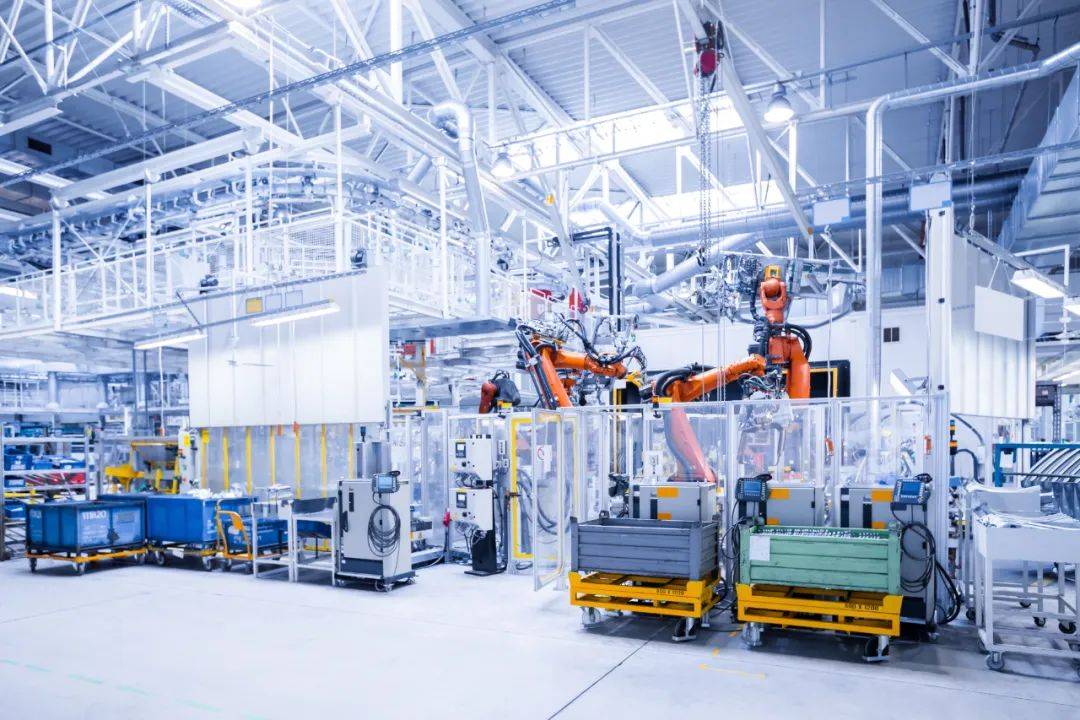
Core Viewpoint - The manufacturing industry is a crucial pillar of the real economy and faces significant structural challenges, including a long-term funding gap and financing difficulties for small and medium-sized enterprises. Financial support for manufacturing is essential for high-quality development in this sector [1][3]. Financial Support Models - Various regions are innovating financial service models tailored to their local manufacturing needs, creating a multi-dimensional financial ecosystem to boost high-quality development in manufacturing [3][4]. - The Yangtze River Delta has established an industrial chain financial ecosystem centered on supply chain finance, integrating core enterprises, financial institutions, and upstream and downstream companies [3][4]. - The Beijing-Tianjin-Hebei region is focusing on policy-driven financial support for key sectors like high-end equipment manufacturing and semiconductors, creating a mechanism that links policy guidance, funding support, and technology transformation [4][5]. Financial Product Innovation - The Yangtze River Delta has developed specialized financial products for key industries, such as "complete vehicle manufacturing supply chain loans" and "chip industry order financing," to support critical segments of the industrial chain [4][5]. - The Pearl River Delta is leveraging its digital economy to create a digital financial service system that integrates big data, AI, and blockchain, enhancing financing efficiency for manufacturing enterprises [5][6]. Enhancing Financial Efficiency - Financial institutions are encouraged to innovate and tailor financial products to meet the specific needs of different manufacturing enterprises, improving service quality and efficiency [9][10]. - The establishment of a collaborative ecosystem involving government, banks, and enterprises is essential for enhancing the resilience of the industrial chain [10][11]. Green Finance Development - The promotion of green finance is crucial for supporting the sustainable transformation of the manufacturing industry, with an emphasis on developing green financial products and enhancing the capabilities of financial institutions in this area [11][12]. Conclusion - The integration of various financial tools and services is vital for achieving a high-quality, resilient, and vibrant manufacturing sector, transitioning China from a manufacturing giant to a manufacturing powerhouse [11][12].
行至六载,进而有为——中银理财成立六周年
21世纪经济报道· 2025-07-26 03:38
Core Viewpoint - The article emphasizes the commitment of Bank of China Wealth Management to the path of financial development with Chinese characteristics, focusing on serving the economy, society, and sustainable development through innovative financial products and services [1]. Group 1: Financial Innovation and Support - The company has accumulated nearly 20 billion yuan in net assets and has issued products that have created absolute returns for clients [3]. - The focus on technology finance is highlighted as a key driver for economic transformation, with the central financial work conference placing it at the forefront of financial initiatives [4]. - Bank of China Wealth Management is enhancing financial support for advanced manufacturing, particularly in sectors like equipment manufacturing, green technology, and strategic emerging industries [5]. Group 2: Green Finance Initiatives - The company is actively promoting green finance to align with national carbon neutrality goals, developing a diversified green wealth management product system [9]. - Since launching the first "ESG Preferred" series product in 2021, the scale of ESG-themed products has rapidly grown, exceeding 70 billion yuan [10]. - The company has invested over 20 billion yuan in green-related bonds, demonstrating a strong commitment to sustainable investment [10]. Group 3: Inclusive Finance and Social Responsibility - The company prioritizes inclusive finance to enhance financial service coverage and efficiency, particularly in rural areas [13]. - Collaborating with the China Bond Financial Valuation Center, the company has developed a customized rural revitalization bond index to support rural development [14]. - The introduction of the "Love Charity" wealth management product reflects the company's commitment to social welfare and community development [15]. Group 4: Pension Finance Development - The company is addressing the aging population by innovating financial products for retirement, with a total pension finance product scale exceeding 50 billion yuan [19]. - The pension product offerings include a series of themed brands aimed at meeting diverse retirement needs [18]. - The company has launched multiple pension wealth management products across various distribution channels, ensuring broad market coverage [20]. Group 5: Digital Finance Transformation - The company is advancing its digital transformation in wealth management, aligning with national strategies for high-quality digital finance development [22]. - Investment in a new integrated asset management technology platform aims to enhance digital capabilities across various business areas [23]. - The implementation of a "data x AI+" strategy is underway to leverage data analytics and artificial intelligence for improved operational efficiency [25]. Group 6: Internationalization and Cross-Border Investment - The company supports high-level opening-up and contributes to national diplomatic and economic strategies by exploring offshore financial development [27]. - It has diversified its cross-border asset offerings, including investments in various international bonds and currencies [27]. - The establishment of over 123 distribution channels has facilitated significant sales growth, with over 500 billion yuan in non-Bank of China channel sales [29].

行至六载,进而有为——中银理财成立六周年
中国基金报· 2025-07-26 01:59
Core Viewpoint - The article highlights the six-year journey of China Bank Wealth Management, emphasizing its commitment to serving the economy and society through innovative financial products and services, while aligning with national goals such as green finance and technological innovation [2][31]. Group 1: Company Overview - China Bank Wealth Management was established in July 2019 as a wholly-owned subsidiary of China Bank, focusing on public and private wealth management products, advisory services, and asset management [1]. - The company has accumulated a product management scale of nearly 20 billion yuan and has served over 4,000 clients, generating absolute returns of 2 billion yuan for its customers [3]. Group 2: Technological and Financial Innovation - The company is actively enhancing its financial support for advanced manufacturing and strategic emerging industries, focusing on sectors like equipment manufacturing, green technology, and new materials [5]. - During the 14th Five-Year Plan period, the company has invested over 20 billion yuan to meet the financial needs of technology-driven enterprises [6]. - The company is also seizing opportunities in the bond market for technology innovation, supporting the issuance of technology innovation bonds [7]. Group 3: Green Finance Initiatives - China Bank Wealth Management is committed to the national "dual carbon" goals, integrating ESG principles into its investment strategies and developing a diversified green wealth management product system [9][10]. - The company has launched its first "ESG Preferred" series product in 2021, with the scale of ESG-themed products exceeding 70 billion yuan [10]. Group 4: Inclusive Finance and Social Responsibility - The company emphasizes inclusive finance as a means to enhance financial service efficiency and accessibility, particularly in rural areas, and has developed products tailored to support rural revitalization [13][14]. - It has also introduced "Love Charity" wealth management products to promote social harmony and support public welfare initiatives [15]. Group 5: Pension Finance - The company is addressing the aging population by innovating financial products for retirement, with a total pension finance product scale exceeding 50 billion yuan [19]. - It has launched multiple pension-themed brands and products to meet diverse retirement investment needs [18]. Group 6: Digital Transformation - The company is advancing its digital transformation in wealth management, aligning with national strategies for high-quality digital finance development [22]. - It is building a leading digital infrastructure to enhance operational efficiency and customer engagement [23][25]. Group 7: International Expansion - The company supports high-level foreign trade and economic strategies, exploring offshore financial development and diversifying its cross-border asset offerings [27]. - It has established over 123 distribution channels, with non-China Bank channel sales exceeding 500 billion yuan [29].