消费升级

Search documents
拉萨春节消费新图景:光影咖啡书香点亮高原假日
Xin Lang Cai Jing· 2026-02-22 01:28
Core Insights - The article highlights the vibrant holiday economy in Lhasa during the New Year, showcasing a blend of traditional customs and modern leisure activities that reflect the evolving lifestyle of the local population [7] Group 1: Cinema and Film - Lhasa's cinemas experienced a surge in attendance during the New Year, with popular films like "Fast Life 3," "Star River Dream," and "Silent Awakening" attracting diverse audiences [2] - The film "Distant Pu Ruogangri," which depicts local officials serving the community, was screened at an affordable price, making cinema accessible to the general public [2][3] - The evolution of cinema in Lhasa is evident as audiences have shifted from limited viewing options to actively selecting films and engaging in discussions, marking a cultural consumption trend during the holidays [3] Group 2: Coffee Culture - Coffee shops in Lhasa, such as the Rose Coffee Bar, have become popular gathering spots for young people and tourists, with a notable increase in foot traffic during the holiday season [4] - The introduction of traditional Tibetan coffee blends has resonated well with the younger demographic, contributing to a new social trend during the New Year [4] - The diverse coffee scene includes local cafes, mobile coffee vendors, and chain brands, catering to various preferences and enhancing the holiday experience [4] Group 3: Reading and Literature - The Lhasa Central Book City has emerged as a key cultural hub, offering a wide range of books and attracting increased visitor numbers during the holiday period [6] - The book city provides a comfortable environment for families and individuals to engage in reading, reflecting a shift towards intellectual leisure during the holidays [6] - Various reading spaces, from independent bookstores to community libraries, have proliferated in Lhasa, enriching the cultural landscape and promoting a reading culture among residents [6] Group 4: Overall Economic Activity - The overall consumer market in Lhasa has shown significant vitality during the New Year, with a mix of traditional and modern activities contributing to a dynamic holiday atmosphere [7] - The growth of the holiday economy is driven by policy support and consumer upgrades, highlighting a blend of cultural heritage and contemporary trends in Lhasa [7]
知名经济学家杜帅评论:通过春晚广告商矩阵,解码2026中国经济新流向
Sou Hu Cai Jing· 2026-02-21 14:43
Core Insights - The 2026 Spring Festival Gala serves as a significant indicator of China's economic transformation, showcasing a shift from traditional advertising to a more integrated approach where brands and content coexist harmoniously [3][10] - The sponsorship landscape reflects a trend of "technology taking center stage, traditional industries enhancing quality, and diversified consumption," indicating the current strength and future direction of the Chinese economy [3][5] Group 1: Sponsorship Dynamics - The 2026 Spring Festival Gala achieved a record total reach of 23.063 billion across all media platforms, attracting over 28 brands from various sectors including AI technology, smart transportation, and consumer goods [3][6] - The sponsorship system has become more refined and strategic, with exclusive rights being secured by leading brands, marking a transition from broad naming rights to specialized collaborations [3][5] - Notable participation from robotics companies, such as Yushutech and Magic Atom, transformed the gala into a "hardcore technology show," highlighting the deep integration of technology into mainstream entertainment [3][6] Group 2: Economic Trends - The shift towards "technology taking center stage and consumption upgrading" is a key observation for understanding the economic trends in 2026, with traditional industries optimizing their structures while retaining only top brands [5][6] - The emergence of brands like Miniso and card game companies as official partners signifies a cultural and emotional shift in consumer behavior, moving beyond mere material satisfaction to include cultural identity and emotional connection [6][7] - The automotive sector, represented by Great Wall Motors and the collaboration between JAC and Huawei, underscores the successful transition of the new energy vehicle industry from policy-driven to market-driven dynamics [6][7] Group 3: Capital Flow and Market Sentiment - Eight listed companies participated in the gala, including Wuliangye, Yanghe, and Bilibili, reflecting a shift in investment logic from traditional defensive strategies to technology-driven growth [7][9] - The presence of leading liquor brands demonstrates the resilience of the Chinese economy, while companies in smart transportation and new consumption sectors leverage the gala for brand expansion, indicating a commercial turning point [7][9] - The overall sponsorship landscape encapsulates the confidence in China's economic development, showcasing advancements in AI, high-end manufacturing, and consumer upgrades [9][10]


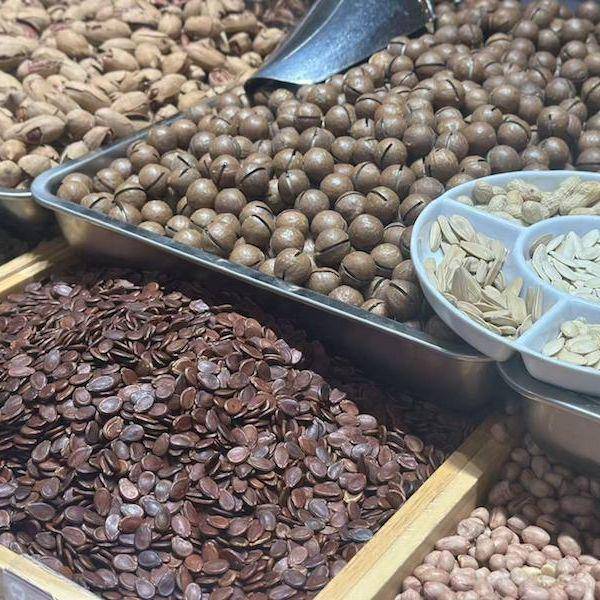
一斤松子抵20斤猪肉?实探新春“炒货市场”|新春走基层
Sou Hu Cai Jing· 2026-02-21 09:22
Core Viewpoint - The rising prices of snack foods during the Spring Festival have led to consumer hesitation, with some products priced significantly higher than traditional food items, prompting discussions about the pricing logic behind these snacks [4][6][12]. Group 1: Price Trends and Consumer Behavior - Snack prices have surged, with sunflower seeds exceeding 23 yuan per jin and hand-shelled pine nuts reaching 218 yuan per jin, leading to comparisons with luxury brands [4][6]. - Consumers are increasingly opting for bulk purchases to manage costs, reflecting a shift in purchasing behavior from traditional fixed weights to more flexible options [5][8]. - The psychological impact of high prices has altered consumer perceptions, with traditional snacks now viewed as premium products rather than everyday items [8][11]. Group 2: Market Dynamics and Pricing Logic - The pricing strategy in the snack industry has shifted from a focus on raw material costs to include factors like rental costs and emotional value, resulting in higher consumer prices [11][12]. - The disparity between wholesale market conditions and retail store dynamics highlights a transformation in the snack industry, with retail locations experiencing high foot traffic but also incurring significant operational costs [9][11]. - The emergence of gift boxes as a significant product category reflects a change in consumer expectations, where the social value of snacks is becoming more important than their nutritional value [12][15]. Group 3: Future Trends and Industry Insights - Analysts predict a dual strategy for brands, focusing on both premium gift packaging and affordable bulk options to cater to diverse consumer needs [16][17]. - The snack industry is expected to face challenges in balancing quality, innovation, and pricing, as consumer expectations evolve alongside market dynamics [17][18]. - Transparency in pricing and product quality will be crucial for brands to build consumer trust and maintain competitiveness in a rapidly changing market [16][17].
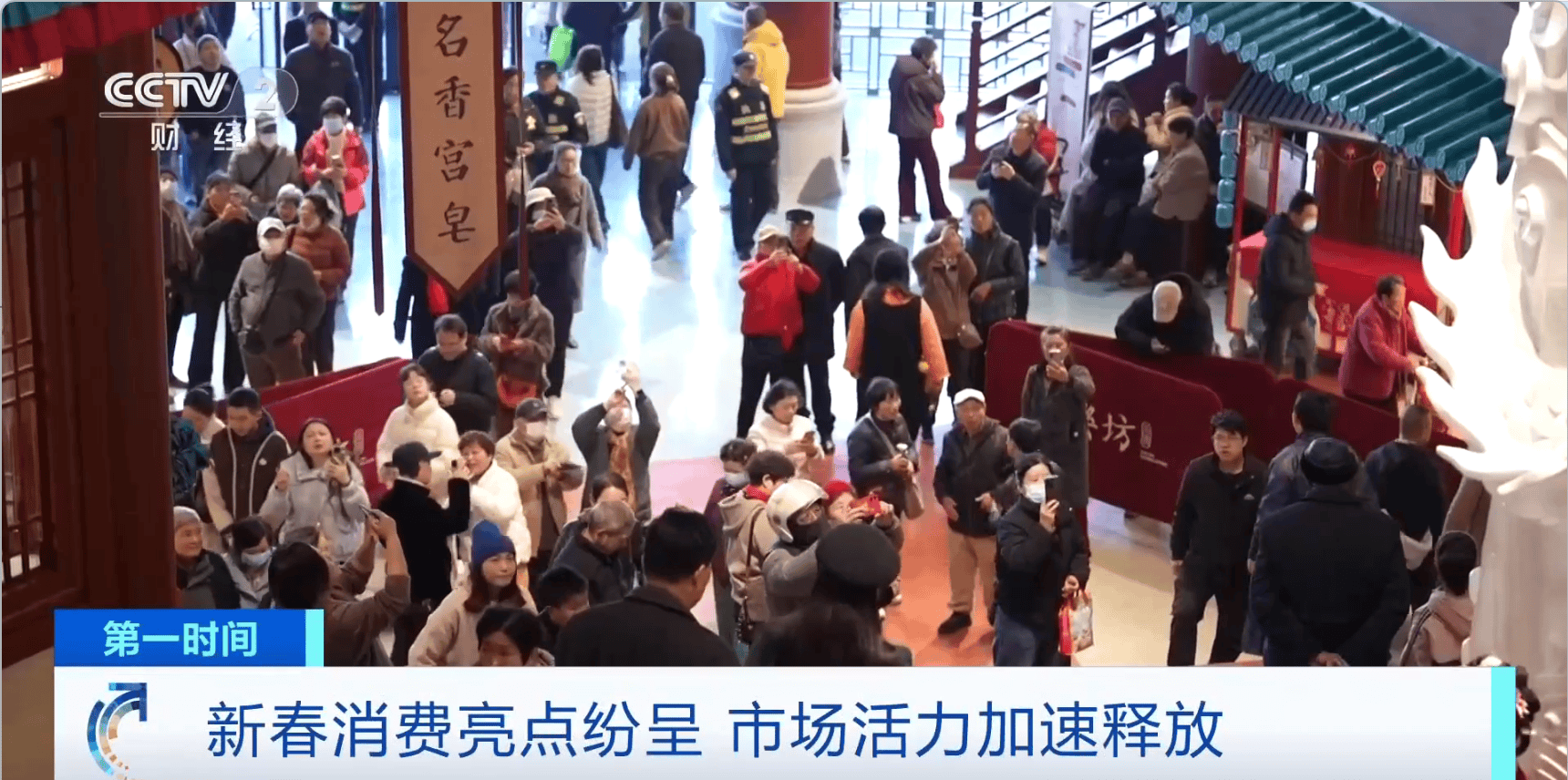
新春消费亮点纷呈!市场活力加速释放→
Sou Hu Cai Jing· 2026-02-21 07:39
Group 1 - The core viewpoint of the articles highlights the vibrant performance of China's consumer market during the Spring Festival holiday, driven by new business models and immersive experiences that inject strong momentum into the economy [1][3][7] Group 2 - During the first three days of the holiday, foot traffic and sales revenue in 78 monitored pedestrian streets increased by 4.5% and 4.8% respectively compared to the same period last year [3] - The travel and tourism sector saw a significant rise, with car rental orders increasing by 26% and cross-regional orders rising by 196% [5] - The "trade-in for new" initiative has effectively stimulated consumer demand, benefiting 28.88 million people and generating sales of 198.02 billion yuan, with 612,000 vehicles traded in, leading to new car sales worth 100.53 billion yuan [5] Group 3 - Hainan's duty-free sales reached 970 million yuan in the first four days of the holiday, marking a 15.8% increase [7] - Various regions launched special activities with a total funding of 2.05 billion yuan to distribute consumer vouchers and subsidies, directly benefiting consumers and enhancing consumption vitality [7]
春节见闻⑨ | 南通与成都,双城镜像,共绘复苏新图景
申万宏源研究· 2026-02-21 06:26
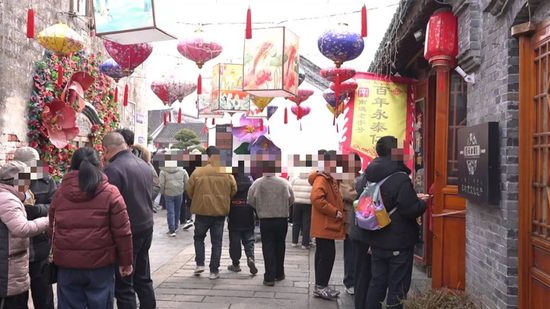
Core Viewpoint - The article highlights the distinct development paths of Nantong and Chengdu during the 2026 Spring Festival, showcasing their unique urban characteristics and the interplay between housing needs and commercial vitality, reflecting new consumer demands and economic recovery in China [3][18]. Group 1: Nantong's Housing and Consumer Dynamics - Nantong's real estate market during the Spring Festival focused on "policy precision and service convenience," launching a "New Year Home Purchase" initiative with 74 projects participating in community benefit activities, catering to diverse needs such as first-time homebuyers and retirees [4]. - The commercial streets in Nantong, particularly Tangzha Ancient Town, experienced a surge in visitors, with over 66,000 tourists during the first two days of the New Year, marking a more than 50% increase compared to the previous year, driving significant commercial activity [5]. - The local market saw a 189% increase in revenue for existing and new vendors during the festive period, indicating a robust revival in consumer spending and a vibrant atmosphere in the town [5]. Group 2: Chengdu's Quality Living and Commercial Growth - Chengdu's approach to real estate during the Spring Festival emphasized "livability quality," with the Luhua community serving as a model for ecological living, featuring a large artificial lake and various cultural and recreational facilities [8]. - The city's commercial real estate sector thrived by leveraging "scene innovation" and the "first-store economy," attracting significant consumer interest with over 90 brands launching limited-time offers and enhancing customer engagement through experiential marketing [14]. - Chengdu's cultural and commercial events, such as the large-scale temple fair and innovative installations, showcased a blend of tradition and modernity, contributing to a dynamic consumer environment and highlighting the city's role as a benchmark for consumption upgrades in China [14][18].

【申万宏源研究春节见闻】南通与成都:双城镜像,共绘复苏新图景
Xin Lang Cai Jing· 2026-02-21 04:16
Core Insights - The article highlights the distinct development paths of Nantong and Chengdu during the 2026 Spring Festival, reflecting new demands in housing and the vitality of commercial consumption in China [1][11]. Group 1: Nantong's Housing and Consumption - Nantong's real estate market focuses on "policy precision and service convenience," launching a "New Spring Home Purchase" initiative with 74 projects participating in community benefit activities [2][13]. - The city aims to meet diverse needs such as returning home buyers, talent housing, and senior living through various housing options, from small units to larger apartments [2][13]. - The commercial area of Tangzha Ancient Town saw significant visitor engagement, with over 66,000 tourists during the first two days of the new year, a 50% increase from the previous year [3][14]. - The bustling atmosphere led to a 189% increase in sales for local merchants and market stalls, showcasing strong consumer activity and traditional festive spirit [3][14]. Group 2: Chengdu's Urban Quality and Commercial Real Estate - Chengdu emphasizes "livable quality" in its housing market, with the Luhua community as a model, featuring 8,300 acres of land and a 2,100-acre artificial lake [7][18]. - The city’s commercial real estate sector is thriving, leveraging "scene innovation" and "first-store economy" to attract consumers, becoming a top destination for national consumption [9][20]. - Chengdu's Spring Festival activities included over 90 brands launching limited-time offers, enhancing customer engagement through upgraded flagship stores and unique experiential events [9][20]. - The integration of cultural and commercial elements, such as the large-scale lantern displays and tech-driven experiences, reflects the city's dynamic approach to urban development and consumer engagement [9][20]. Group 3: Economic Implications - Both cities represent contrasting yet complementary aspects of China's economic recovery, with Nantong focusing on stability and foundational growth, while Chengdu showcases vibrant consumer culture and innovation [11][22]. - The developments in Nantong and Chengdu illustrate a broader narrative of China's economic stabilization and the strengthening of internal demand, highlighting the importance of housing and consumption in urban growth [11][22].

2026年中国潮汕牛肉火锅行业市场政策、产业链图谱、市场规模、竞争格局及发展趋势分析:八合里综合实力稳居榜首[图]
Chan Ye Xin Xi Wang· 2026-02-21 01:14
Overview - The Chaozhou beef hotpot industry is experiencing a shift in consumer demand from basic satisfaction to a focus on quality, health, and freshness, aligning with the trend of consumption upgrades [1][8] - The market size of the Chaozhou beef hotpot industry is projected to reach 50.52 billion yuan by 2025, with a year-on-year growth of 4.9% [1][8] Market Policies - The Chinese government has implemented various supportive policies to promote the development of the catering industry, including the Chaozhou beef hotpot sector, creating a favorable policy environment for growth [5] Industry Chain - The upstream of the Chaozhou beef hotpot industry includes suppliers of beef, beef bones, vegetables, and various condiments, while the downstream consists of dining channels and end consumers [6] - The quality of beef is crucial for the hotpot's flavor and overall quality, with China's beef production expected to reach 8.01 million tons by 2025, marking a 2.8% increase [6] - The consumer demographic primarily consists of individuals aged 20-49, with a notable preference for fresh ingredients and quality [6] Competitive Landscape - The Chaozhou beef hotpot market is competitive, with leading brands focusing on supply chain management and quality control to establish competitive advantages [9] - Notable brands in the industry include Bahe Li, Chao Fa, and Zuo Ting You Yuan, with Bahe Li ranked first in the 2025 top brands list [9] Development Trends - The industry is expected to integrate standardization and branding to overcome homogenization challenges, focusing on quantifying key processes [10] - There will be an expansion of consumption scenarios beyond traditional dining, catering to family meals, individual servings, and outdoor dining [12] - Cultural elements will be incorporated into the dining experience, enhancing the brand's cultural identity and facilitating global expansion [13]

新供给引领新需求
Xin Lang Cai Jing· 2026-02-20 23:48
Group 1 - The core viewpoint of the articles highlights the vibrant consumption trends during the Spring Festival in Fujian, showcasing a shift from traditional goods to innovative and quality-focused products [1][2] - The consumption upgrade is evident as consumers are now prioritizing quality, experience, and service over merely stocking up on goods, reflecting a trend towards purchasing better products [1] - Innovative supply and cultural integration are driving new consumption scenarios, with various themed cultural and tourism routes enhancing consumer experiences [1] Group 2 - Policy subsidies are effectively stimulating consumption, with initiatives such as free public transport in Fuzhou and significant consumer incentives in Quanzhou and Ningde, which lower barriers to spending [2] - The robust Spring Festival consumption market is seen as a positive indicator for the overall economic outlook for the year, suggesting that continued innovation in supply and improvement of the consumption environment will unleash further domestic demand [2]
春节假期,陕西消费市场——新潮涌动 活力升腾
Shan Xi Ri Bao· 2026-02-20 23:22
Group 1: Consumer Trends in Shaanxi During Spring Festival - The consumption market in Shaanxi is experiencing a vibrant transformation, showcasing a blend of traditional and modern products, reflecting new consumer values and strong market vitality [1][4] - The introduction of innovative experiences, such as humanoid robots writing "Fu" characters, highlights the integration of technology into cultural tourism, enhancing visitor engagement [3][4] - The opening of the Xiyan High-speed Railway has boosted tourist traffic to various attractions, indicating a growing interest in cultural and historical experiences during the holiday [3][4] Group 2: Dining and Entertainment Innovations - The demand for New Year's Eve dinners has surged, with many restaurants fully booked, and new concepts like take-home meal kits gaining popularity [5][8] - Restaurants are adopting creative marketing strategies, such as gamified dining experiences, to attract customers and enhance the festive atmosphere [6][7] - The cinema experience has become a new tradition for families during the Spring Festival, with various films catering to all age groups, contributing to a sense of community and celebration [10][12] Group 3: Promotional Activities and Consumer Engagement - The "One Ticket for All" promotion at Yulin Wanda Plaza connects various consumer experiences, offering discounts based on movie ticket stubs, which has increased foot traffic and spending in the mall [9][12] - The province has launched over 150 key activities for the Spring Festival, promoting a lively and engaging shopping environment, showcasing a collaborative effort among government, banks, and businesses [12]
亚欧枢纽需求,土耳其造纸与纸包装设备的市场变革与机遇
Sou Hu Cai Jing· 2026-02-20 10:47
Core Insights - Turkey is emerging as a frontline in the global paper and paper packaging industry transformation, driven by its unique geographical position, policy-driven green transition, and technological demands from consumer upgrades [1] Environmental Policies - The Turkish government's environmental policies are reshaping the competitive landscape of the paper packaging equipment market, with the Packaging Waste Management Law requiring all paper packaging to contain 30% recycled fiber starting in 2026, and 40% of export packaging to have FSC certification [3] - This policy creates significant demand for two key technologies: recycled fiber processing technology and full lifecycle traceability technology [3] Recycled Fiber Processing - Turkish companies have improved waste paper purity to 95% by introducing German sorting equipment, supporting an annual production capacity of 3.6 million tons of corrugated cardboard [5] - However, the local waste paper recycling rate remains low, with 60% reliance on imports, leading to unstable quality of recycled paper and increased demand for efficient deinking and heavy metal ion removal equipment [5] Lifecycle Traceability - The FSC certification is driving the smart and digital transformation of equipment, with local companies developing straw pulp boxes that reduce import dependency by 40% [6] - The production process requires strict recording of raw material sources and carbon footprints, necessitating the integration of blockchain technology in forming equipment for full-chain data tracking [6] E-commerce Growth - The explosive growth of Turkey's e-commerce sector is a core driver of the transformation in paper packaging equipment demand, with e-commerce transaction volume surging by 109% in 2022 and expanding by 60% in 2023 [8] - This growth has led to a surge in demand for customized and scenario-based packaging, with a 40% increase in the selection of paper packaging over traditional options in supermarkets [8] Food and Daily Chemical Packaging - The demand for safety and interactivity in packaging is driving innovation, particularly in the food and daily chemical sectors, with Turkish olive oil exports requiring packaging that offers moisture protection and freshness [10] Export Dynamics - As a member of the EU Customs Union, 65% of Turkey's paper packaging products are exported to the EU, with 40% of high-end packaging requiring FSC certification [12] - The EU's tariff exemption policy for environmentally friendly packaging allows Turkish products to enter the EU without additional tariffs, reducing direct export costs by 15%-20% compared to China [12] Technological Collaboration - Turkish companies are collaborating with international giants like BASF and Dow Chemical to localize the application of cold chain transport solutions and bio-based coatings [15] - Chinese companies play a crucial role in this process by establishing joint R&D centers in Turkey and introducing industrial internet platforms to optimize production processes [15] Market Positioning - Chinese paper and packaging equipment companies are overcoming low-price competition through technological innovation and brand building, successfully entering the high-end market [17] - In the high-speed corrugated cardboard production line sector, Chinese companies have achieved full-process digital control, enhancing production efficiency by 25% and reducing energy consumption by 18% [18] Brand Development - Chinese companies are enhancing brand recognition in the Turkish market through participation in international exhibitions and product launches, with the upcoming Paper EA Turkey International Printing, Packaging, and Paper Industry Exhibition set to showcase innovations [20] Industry Transformation - The transformation of Turkey's paper and paper packaging market is a product of the deep integration of global supply chain restructuring and environmental trends, shifting the industry from cost competition to value co-creation [22] - For Chinese equipment suppliers, the Turkish market serves as a platform for showcasing technological strength and deepening international cooperation, contributing to a more resilient and sustainable packaging ecosystem [22]