
科技金融

Search documents
变革提质,聚势跃升 农行广州分行“十四五”答卷与展望
Nan Fang Du Shi Bao· 2025-09-30 00:32
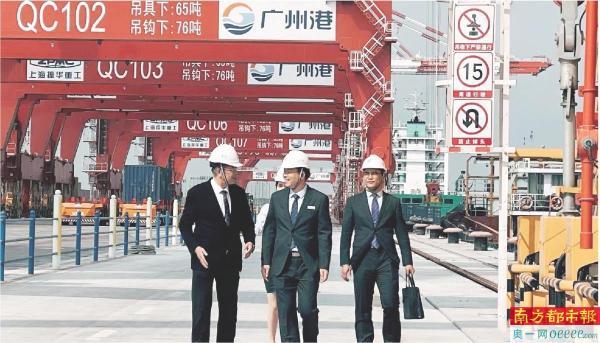
Group 1 - The core viewpoint emphasizes the role of Agricultural Bank of China Guangzhou Branch in supporting the high-quality development of the Guangdong-Hong Kong-Macao Greater Bay Area and the implementation of national strategies through innovative financial services and products [2][3][12] - The bank has committed to rural revitalization, with a target of exceeding 100 billion yuan in county loans by August 2025, and has achieved a continuous increase in loans for farmers, reaching over 10 billion yuan in credit loans for agricultural households [3][5] - The bank has actively supported key projects, including the construction of the global first fully automated multimodal transport terminal at Nansha Port, with over 800 million yuan in loans allocated [7][8] Group 2 - The bank has developed a unique financial service model for technology-driven enterprises, issuing nearly 20.9 billion yuan in technology finance loans since 2025, focusing on emerging industries such as artificial intelligence and biomedicine [6][12] - The bank has implemented a comprehensive green finance strategy, enhancing its green investment and financing services, and has been recognized as a benchmark unit for green finance in Guangzhou [9][10] - The bank has embraced digital finance, participating in the construction of a digital RMB consumption guarantee service platform, and has launched various smart service platforms in the education sector, serving over 560,000 individuals [11][12]



深耕“五篇大文章”金融活水精准浇灌实体经济沃土
Nan Fang Du Shi Bao· 2025-09-29 23:15
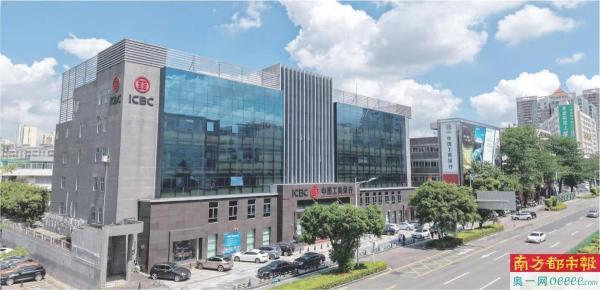
Core Viewpoint - The Industrial and Commercial Bank of China (ICBC) Dongguan Branch is actively promoting financial services tailored to the local context, focusing on five key initiatives to enhance financial support for the city's technological innovation and advanced manufacturing sectors [2][9]. Group 1: Financial Support for Technology Enterprises - ICBC Dongguan Branch has established a manufacturing center and a specialized technology branch to address financing challenges faced by local tech enterprises, employing professionals with engineering backgrounds to provide comprehensive "financing + intelligence" services [3]. - In the first half of the year, the bank issued over 20 billion yuan in loans to technology enterprises, with a total loan balance exceeding 47 billion yuan, and loans to specialized and innovative enterprises exceeding 5 billion yuan, all showing an increase of over 10% since the beginning of the year [3]. Group 2: Inclusive Finance for Small and Micro Enterprises - The bank has implemented a dual-driven model combining on-site visits by account managers and big data analytics to accurately assess the financing needs of small and micro enterprises [4]. - As of mid-year, the bank's inclusive loan balance exceeded 64 billion yuan, serving 28,000 small and micro clients, and has provided over 2 billion yuan in no-repayment loans to manufacturing clients [5]. Group 3: Green Finance Initiatives - ICBC Dongguan Branch is actively involved in establishing financial standards for the green transformation of the manufacturing sector, contributing to the development of a quantifiable low-carbon transition assessment system [6]. - In the first half of the year, the bank issued over 30 billion yuan in green loans, which accounted for more than half of the total corporate loan issuance, covering key areas such as wastewater treatment and photovoltaic power generation [6]. Group 4: Pension Finance Services - The bank is building a comprehensive pension finance ecosystem to address the challenges of an aging population, offering a wide range of products and services, including dedicated savings accounts and pension funds [7]. - The bank has provided convenient one-stop account opening services and has reached over 30,000 elderly individuals through community financial education activities this year [7]. Group 5: Digital Finance Transformation - Digital transformation is a core driver of high-quality development for ICBC Dongguan Branch, achieving a significant reduction in housing loan approval times from an average of three days to 30 minutes through direct integration with the local housing fund system [8]. - The bank has developed various digital platforms and tools, enhancing operational efficiency and customer service, including a real-time monitoring platform for educational funding and an API service for 318 partner units [8].

中国信托业社会责任报告出炉 去年投向实体经济超16万亿元
Zheng Quan Shi Bao· 2025-09-29 18:23
Core Insights - The China Trust Industry Association released the "2024-2025 China Trust Industry Social Responsibility Report," marking the 13th consecutive year of publication, highlighting the industry's commitment to social responsibility and high-quality development [1] Group 1: Industry Development and Financial Support - By the end of 2024, the trust industry managed 22.25 trillion yuan in funds, with 28.81% directly invested in the real economy and an additional 46.17% indirectly supporting it through capital markets, totaling 16.68 trillion yuan [2] - The trust industry provided significant funding for national strategic projects, including 1.12 trillion yuan for the "Belt and Road" initiative, 0.77 trillion yuan for the "Beijing-Tianjin-Hebei" coordinated development, 2.67 trillion yuan for the "Yangtze River Economic Belt," 2.14 trillion yuan for the "Yangtze River Delta Integration," and 0.76 trillion yuan for the "Guangdong-Hong Kong-Macau Greater Bay Area" [2] Group 2: Social Responsibility and Community Support - In 2024, the trust industry invested 4.304 billion yuan in rural revitalization, implementing 289 projects, and recorded a historical high of 539 new charitable trust registrations with a total scale of 1.661 billion yuan [2] - Cumulatively, charitable trusts reached 2,244 registrations with a total scale of 8.507 billion yuan by the end of 2024 [2] Group 3: Focus Areas and Financial Innovations - The trust industry is focusing on five key areas to serve the economy: technology finance, green finance, inclusive finance, pension finance, and digital finance [3][4] - In technology finance, the industry supported innovation projects with a scale of 337.6 billion yuan, while in green finance, 390 new green trust projects were established, with a total scale of 177.944 billion yuan [3] - The trust industry invested approximately 1.6 trillion yuan in inclusive finance, targeting small and micro enterprises and rural areas [3] Group 4: Industry Infrastructure and Human Resources - The trust industry is returning to its core functions, with the Trust Guarantee Fund's total assets reaching 199.368 billion yuan by the end of 2024, distributing 2.436 billion yuan in earnings to trust companies [5] - The workforce in the trust industry increased to 17,884 employees by the end of 2024, reflecting a balanced gender ratio and a significant proportion of young professionals [7]
科创债指数挂钩产品升温 理财公司抢滩新蓝海
Zhong Guo Jing Ying Bao· 2025-09-29 14:43
Core Viewpoint - The issuance of technology innovation bonds (科创债) is expanding significantly, driven by increased government support for technological innovation and heightened investment enthusiasm in high-tech industries, leading to a surge in related financial products from wealth management companies [1][2][3] Group 1: Market Trends - Wealth management companies are actively launching products linked to technology innovation bonds, indicating a product issuance boom [2] - Major wealth management firms, such as浦银理财 and 徽银理财, have introduced products that track technology innovation bond indices, aiming to enhance market liquidity and provide investors with opportunities to share in technological innovation dividends [2][3] - The products primarily focus on fixed-income assets, with some incorporating equity assets to enhance returns, reflecting a strategy to achieve stable income while potentially offering higher yields than ordinary credit bonds [2][3] Group 2: Challenges and Risks - Despite the promising outlook for the technology innovation bond market, wealth management companies face several challenges, including a limited number of constituent bonds, high concentration leading to tracking errors, and difficulties in standardizing the pricing of potential value in technology projects [4][5] - The liquidity issues of individual bonds may exacerbate net value fluctuations, necessitating enhanced risk management measures from wealth management firms [4][5] - The complexity of valuing technology innovation bonds, especially those with innovative clauses like conversion rights, poses additional challenges for index replication and net value calculation [5] Group 3: Strategic Recommendations - To balance risk and return, wealth management funds should adopt diversified strategies when allocating to technology innovation bond assets, employing both qualitative and quantitative analyses to assess each company's fundamentals and growth prospects [6] - There is a need for wealth management institutions to improve their credit risk identification and bond pricing capabilities, combining short- and medium-to-long-term bond portfolios to optimize their holdings [5][6]
如何打通科创企业融资“最后一公里”?
Sou Hu Cai Jing· 2025-09-29 14:06
Core Viewpoint - The rise of technology is profoundly reshaping the financial landscape, with the integration of technology and finance driving innovation in the financial sector, creating new trends, models, and ecosystems that are key engines for high-quality economic development [1] Group 1: Current Challenges in Technology Finance - There is a mismatch between banks' risk appetite and the needs of technology enterprises, leading to difficulties in financing [8] - The shortage of professional talent in the banking sector limits its ability to effectively support technology enterprises compared to VC/PE firms [8] - The phenomenon of "difficult and expensive financing" arises from the inherent contradictions in market demands, where banks require risk compensation that often results in higher costs for technology firms [6] Group 2: Advantages of Bank Financing - Banks have significant advantages such as large scale, low and stable funding costs, and the ability to provide comprehensive financial services like supply chain and cross-border finance, which are valuable for technology enterprises [3][5] - As of Q2 2025, 274,000 technology SMEs received loans, with a loan approval rate of 50%, reflecting a 3.2 percentage point increase year-on-year [3] Group 3: Limitations of Bank Financing - Banks face limitations in providing technology finance, including a lack of differentiated competition and a tendency to follow similar practices due to regulatory influences [5][9] - The current banking model does not adequately support the cultivation of early-stage technology enterprises, which require more than just capital [8] Group 4: Recommendations for Improvement - Encouraging differentiated routes for financial institutions and fostering a more robust financial ecosystem is essential for supporting technology innovation [7] - Establishing specialized institutions focused on technology finance could help alleviate the constraints faced by traditional banks [10] - Cultivating "patient capital" and ensuring clear exit strategies for investments can enhance the overall investment ecosystem [10] Group 5: Impact on Economic Structure - The transformation of financing methods from traditional collateral-based approaches to cash flow or technology-based financing will lead to significant changes in economic structure, shifting from tangible to intangible assets [12] - A complete financial ecosystem aims to foster innovation and sustainable growth, moving away from factor-driven growth to innovation-driven growth [12]

证监会:推进关键制度创新 破解支持科技企业发展的堵点难点
Ren Min Wang· 2025-09-29 14:02
第三,科技企业并购重组更加活跃。"并购六条"发布以来,上市公司积极谋划并购重组,实现转型升级 和产业整合。目前,我们注意到,沪深上市公司披露资产重组的一共有1400余单,同比增长超过40%, 其中重大资产重组170余单,同比增长超过220%。尤其在这当中,战略性新兴产业的上市公司披露资产 重组约650单,其中重大资产重组超过80单。我们也看到,一批案例已经顺利落地。比如,科技型上市 公司进行产业整合、收购优质未盈利科技资产等这些案例都已经落地。 第四,私募股权创投基金支持科技创新持续发力。注册制改革以来,有九成的科创板、北交所上市公 司,还有超过半数的创业板上市公司,都获得过私募股权创投基金的投资,"投早、投小、投长期、投 硬科技"这样的市场生态逐步形成。私募股权创投基金投向战略性新兴产业的规模和占比持续提升,目 前在投项目超过了10万个,在投本金超过了4万亿元。 第五,债券市场直接融资作用不断凸显。目前,交易所债券市场已经成为科技企业直接融资的一个重要 渠道,科创债累计发行1.2万亿元,其中2024年一共发了539只,发行规模0.61万亿元,同比也是增长了 64%,募集资金主要投向半导体、人工智能、新能源、 ...
金改前沿 | “政府+园区+金融”联动 上海“金洽会”构建服务新生态
Xin Hua Cai Jing· 2025-09-29 13:51
Core Insights - The 19th Jin Qiao Conference in Shanghai aims to enhance the connection between financial services and real enterprises, focusing on providing comprehensive financial support tailored to the needs of various industrial parks and companies [2][3] Group 1: Financial Services and Support - Financial institutions are increasingly focusing on the biotechnology sector, with specialized teams evaluating companies based on non-financial factors to provide credit [1] - The Shanghai financial sector has actively developed a technology finance system, implementing policies to support equity investment and establishing a 100 billion yuan fund for key industries including integrated circuits, biomedicine, and artificial intelligence [2][3] Group 2: Economic Growth and Performance - As of June 2023, the loan balance for technology-based enterprises in Shanghai reached 23.3 trillion yuan, reflecting a year-on-year growth of 7.75% [3] - The Qingpu District reported a GDP growth of 9.3% in the first half of the year, leading all districts in Shanghai, with significant growth in key industries supported by financial services [3] Group 3: Jin Qiao Conference Activities - The conference features a series of "Park Tours" from late September to November, where financial advisors will engage directly with enterprises in various districts to provide tailored financial services [3] - The conference adopts a collaborative model involving government, parks, and financial institutions to create a new ecosystem for financial services [3]

屠光绍:进入新阶段,创投风投的功能定位要有转变
Di Yi Cai Jing· 2025-09-29 13:38
Group 1 - The significance of venture capital (VC) has evolved from industry development to a national strategy, highlighting its role in technological innovation and the improvement of the social financing system [2][3] - VC and private equity are increasingly recognized as essential components of the new productive forces and play a crucial role in the financial ecosystem, particularly in technology finance [2][3] Group 2 - The development model of VC is transitioning from quantity expansion to quality-driven growth, indicating a necessary adjustment for sustainable long-term development [3][4] - The competitive landscape is shifting from homogeneous competition to differentiated development, emphasizing the importance of institutional capability building [3][4] Group 3 - VC's functional positioning is evolving from purely financial investment to comprehensive empowerment, focusing on value creation alongside investment returns [4][5] - The capital system of VC is moving from a single-source model to a more diversified structure, which is essential for the industry's new development phase [5][6] Group 4 - The development ecosystem of VC is transitioning from short-term measures to comprehensive system building, which is crucial for the industry's growth [6] - There is a growing emphasis on the balance between investment and financing, with a shift towards market-oriented resource allocation and collaboration with other financial sectors [6]
共话国家战略下的金融新使命!2025财联社“金融五篇大文章”主题论坛成功举办
Xin Lang Cai Jing· 2025-09-29 12:21
Core Insights - The conference focused on five key areas of finance: technology finance, green finance, inclusive finance, pension finance, and digital finance, emphasizing the financial industry's role in supporting national strategies and empowering the real economy [1] Group 1: AI in Banking - The Chief Technology Officer of Industrial and Commercial Bank of China (ICBC) discussed the application prospects and practical paths of large model technology in the banking sector, highlighting the bank's goal of creating a comprehensive financial model technology system [3][5] - ICBC aims to be a pioneer in the development and application of artificial intelligence, while facing challenges such as insufficient data quality, increased computing power demands, and difficulties in algorithm adaptation [5] Group 2: Opportunities for Foreign Banks - HSBC China emphasized the investment opportunities in China due to its large market size, complete industrial chain, and active innovation ecosystem, which continue to attract multinational companies [5][7] - The acceleration of China's capital market internationalization, development of panda bonds, and the promotion of RMB internationalization are seen as significant opportunities for foreign institutions [7] Group 3: Life Insurance Industry Transformation - The CEO of Cigna & Evergrande Life Insurance acknowledged the challenges faced by the life insurance industry in a low-interest-rate environment, indicating a need for collective action to address risks [7][9] - Cigna & Evergrande is focusing on reducing liability costs, increasing the proportion of participating insurance products, and enhancing health management ecosystems as part of its "big health" strategy [9] Group 4: Green Finance Challenges - A roundtable discussion highlighted the significant potential of the green finance market, but noted challenges such as the lack of unified standards and the need for improved data infrastructure [11] - Experts pointed out that while there are innovative green finance products, they often lack a standardized product system, making them difficult to replicate and promote [11] Group 5: Technology Finance Collaboration - A second roundtable focused on the collaborative mechanisms in technology finance, noting a shift from traditional single debt models to a "debt + equity" cooperation model between banks and investment institutions [13] - The discussion emphasized the importance of banks in supporting technology enterprises through customized asset allocation and family trust services, creating a service loop from enterprises to individuals [13][14]
金改前沿|“政府+园区+金融”联动,上海“金洽会”构建服务新生态
Zhong Guo Jin Rong Xin Xi Wang· 2025-09-29 11:51
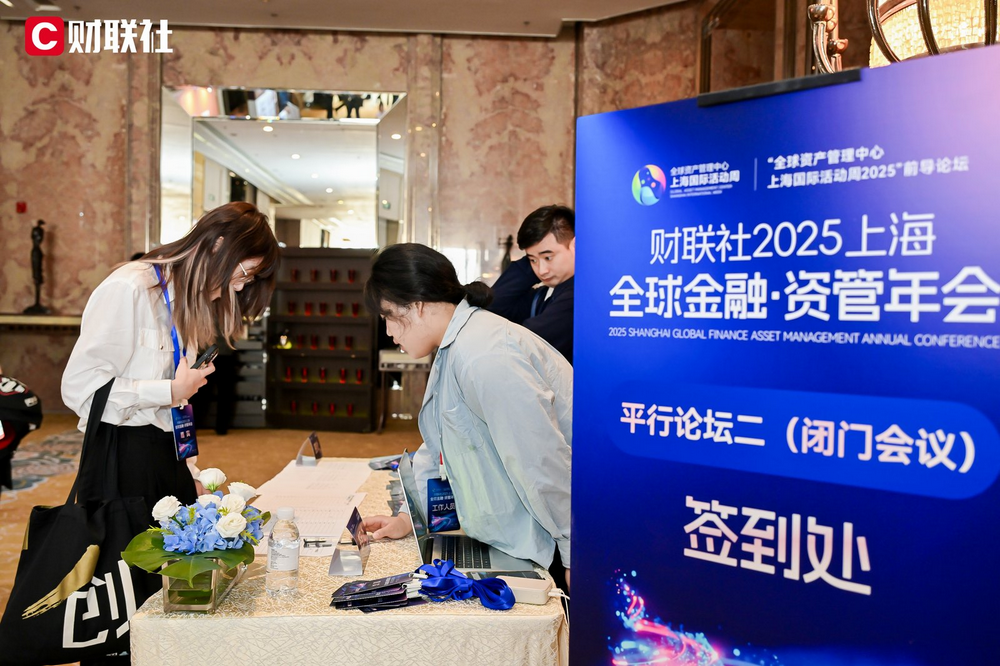
Core Insights - The article discusses the challenges faced by companies in the biopharmaceutical sector in securing financing from banks due to lack of collateral and positive cash flow, highlighting the need for banks to adopt non-financial models for credit evaluation [1] - The 19th Jin Qiao Conference aims to enhance the connection between financial institutions and real enterprises, providing a platform for financial services to meet the needs of businesses, particularly in Shanghai's new urban areas [2] - Shanghai is accelerating the development of a technology finance system, with significant growth in loans to technology enterprises and small micro-enterprises, indicating a supportive financial environment for innovation [4] Group 1 - The biopharmaceutical industry is complex, and banks are working on evaluating companies using non-financial factors to provide credit [1] - The Jin Qiao Conference has upgraded its service model to facilitate online and offline connections between financial institutions and enterprises [2] - The conference aims to create a conducive business environment by fostering interaction among government, financial institutions, industrial parks, and enterprises [2] Group 2 - Shanghai's technology enterprises had a loan balance of 23.3 trillion yuan, a year-on-year increase of 7.75% as of June [4] - The city has implemented measures to support financing for small and medium-sized enterprises, with a balance of inclusive micro-loans reaching 1.36 trillion yuan, up 11.5% year-on-year [4] - The Jin Qiao Conference will conduct a series of "Park Activities" from late September to November, focusing on financial services tailored to the characteristics and needs of different industrial parks [4][5] Group 3 - Qingpu District's GDP grew by 9.3% in the first half of the year, the highest in Shanghai, supported by financial services [5] - The district is cultivating three trillion-level industrial clusters, with significant growth rates in information technology, modern logistics, and high-end equipment manufacturing [5] - Financial services in Qingpu saw a loan balance increase of 4.7% and a deposit balance increase of 7.5% in the first half of the year [5]
