
稳定币

Search documents
氪星晚报|英国石油出售美国陆上风电业务;比亚迪在济南成立销售服务新公司;香港航空推出免费机场接送服务
3 6 Ke· 2025-07-18 12:03
Group 1: Company Developments - Hong Kong Airlines has launched a free airport transfer service in collaboration with 永东直通巴士有限公司 and 日本阿拉丁集团, available until December 31, 2025, for passengers with valid boarding passes [1] - 京东币链科技 has reported that a fake digital currency named JD-HKD has been circulating on major trading platforms, clarifying that no such stablecoin has been issued and urging users to avoid scams [1] - 一亩田集团 has established an international business operation center in Hong Kong, marking the beginning of its global expansion, with active buyers from over 50 countries [2] - 宇树科技 has initiated its listing guidance with 中信证券 as the advisory firm, with its controlling shareholder holding 34.763% of the company [3] - 必和必拓 has announced that its Canadian potash project may exceed budget by $1.7 billion, with the first phase 68% complete and initial production now expected in mid-2027 [4] - 英国石油 has agreed to sell its onshore wind energy business in the U.S. to LS Power [4] - 比亚迪 has established a new sales service company in Jinan, fully owned by its subsidiary [4] - 小米 has officially opened its Shenzhen headquarters, marking its fourth regional headquarters in China [6] - 赛诺菲 has completed the acquisition of Blueprint Medicines for over $9 billion, including a rare disease drug that has been approved in the U.S. and EU [6] - 保泰人寿 has secured $70 million in Series C funding, led by 永明金融有限公司 [6] - 长石资本 has raised 728 million yuan for its hard technology fund, achieving over 50% IPO success rate across its investments [6] Group 2: Product and Partnership Announcements - 腾讯元宝 has integrated with QQ Music, allowing users to play music directly within the app [7] - Airwallex has formed a multi-year global partnership with Arsenal Football Club, becoming the official financial software partner [8] Group 3: Market Insights - The global cryptocurrency market has surpassed $4 trillion for the first time, with Bitcoin accounting for 59.91% of the total market cap at approximately $2.39 trillion [12]

MetaUserDao:上海国委组织学习稳定币,释放了哪些信号
Sou Hu Cai Jing· 2025-07-18 11:52
Group 1 - The Shanghai Municipal State-owned Assets Supervision and Administration Commission organized a "stablecoin learning session," indicating a shift in regulatory perspective from observation to understanding and engagement [2][3] - The learning session suggests that regulators are exploring localized alternatives to overseas stablecoin technologies and operational mechanisms [2][3] - The integration of on-chain assets, identity, auditing, and credit infrastructure may be piloted within a regulatory sandbox framework [2][3] Group 2 - The implementation of Real World Assets (RWA) in China faces three structural challenges: lack of verifiable data, inability to stratify identities, and insufficient compliance mechanisms [4][5] - MetaUserDAO (MUD) aims to address trust and governance issues at the protocol level, integrating an AI-driven dynamic identity system to create an on-chain credit tagging system [5][6] - MUD's system serves as an access layer for stablecoin and RWA issuance, supporting on-chain behavior tracking and compliance components [5][6] Group 3 - The convergence of regulatory and infrastructure signals will be central to the future development of blockchain in China [6][7] - Potential directions include piloting an integrated platform for on-chain identity, asset mapping, and auditing mechanisms within state-owned enterprises [6][7] - The establishment of a "regulatable DAO" could facilitate infrastructure operation and feedback loops through on-chain governance structures [6][7] Group 4 - The focus on stablecoins may be a starting point, but the identity system is viewed as the core of the foundational infrastructure [7] - The transition from narrative to infrastructure in blockchain will determine the success of achieving a win-win scenario among finance, industry, and regulation [8] - MetaUserDAO (MUD) provides a valuable reference path for the industry in the collaborative direction of on-chain identity and RWA [8]

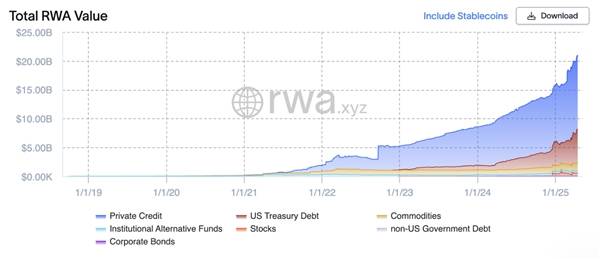
京东币链科技:京东稳定币并未发行,所有交易平台JD-HKD均为仿冒
news flash· 2025-07-18 11:25
Core Viewpoint - JD Coin Chain Technology has clarified that the JD-HKD digital currency has not been issued and that all trading platforms claiming to offer it are fraudulent [1] Company Summary - JD Coin Chain Technology reported that there have been instances of impersonation using the JD name to promote a digital currency called JD-HKD on mainstream trading platforms, misleading users into participating in transactions [1] - The company has communicated with mainstream trading platforms to have the fraudulent digital currency removed and has issued a notice to alert users [1] - As a participant in the Hong Kong Monetary Authority's stablecoin issuance sandbox, JD Coin Chain Technology is committed to following the regulatory guidelines for stablecoin issuance in Hong Kong [1] Industry Summary - The company emphasized that until it obtains a stablecoin issuer license in Hong Kong, any issuance or promotion of coins using the names JD stablecoin, JD-HKD, JD-USD, or any similar names, as well as any coins falsely claiming to be associated with JD or its partners, are scams [1] - JD Coin Chain Technology also stated that it will not issue any governance tokens other than the JD stablecoin [1]

加密货币总市值首次突破4万亿美元 此前美国国会通过稳定币法案
news flash· 2025-07-18 10:42
加密货币总市值首次突破4万亿美元 此前美国国会通过稳定币法案 智通财经7月18日电,加密资产总市值首次突破4万亿美元,受代币上涨和美国立法推动行业监管的推 动。美国国会周四通过第一部监管稳定币的联邦立法。该法案旨在将这个规模达2,650亿美元的市场合 法化。花旗分析师预计,该市场到2030年有望增至3.7万亿美元。 ...
翻倍股涌现!全球争抢的超级新赛道
格隆汇APP· 2025-07-18 10:16
Core Viewpoint - The article highlights the explosive growth and interest in stablecoins, surpassing previous trends in AI, innovative pharmaceuticals, and robotics, driven by significant market events and legislative developments in the cryptocurrency space [2][4]. Group 1: Market Dynamics - Stablecoins have gained unprecedented attention, particularly following Bitcoin's historic surge past $120,000 and the U.S. Congress voting on three major cryptocurrency bills, marking a peak in market interest [2][3]. - Circle, the issuer of USDC, has captured 24% of the global stablecoin market, with its stock skyrocketing over 800% since its IPO, reaching a market cap of over $65 billion [6]. - The Hong Kong market has seen early adoption of stablecoin concepts, with significant stock price increases for companies involved in virtual asset trading services, such as Guotai Junan International, which has surged over 400% [7][9]. Group 2: Legislative Developments - The U.S. Congress passed three key bills aimed at establishing a regulatory framework for stablecoins, including the GENIUS Act, which is expected to enhance consumer protection and legitimize the cryptocurrency industry [19][20]. - Other countries, including the EU and Japan, are also advancing legislation to regulate digital assets, indicating a global trend towards formalizing the stablecoin market [23][24]. Group 3: Investment Opportunities - The article notes that stablecoins are projected to reach a trading volume of $27.6 trillion by 2024, with a growth rate of 20%-30% per month, highlighting their increasing monetary significance [17]. - The emergence of tokenized funds, such as those launched by Huaxia Fund in Hong Kong, is expected to further stimulate investment interest in stablecoins [13][15]. - A significant number of stocks related to stablecoins have seen substantial price increases, with many doubling in value over recent months, indicating a robust investment landscape [11][12]. Group 4: Future Outlook - The global stablecoin market is anticipated to grow over 20 times in the next five years, potentially exceeding $3.7 trillion by 2030, driven by increasing adoption and regulatory clarity [17]. - The article suggests that the ongoing developments in stablecoin legislation and market dynamics could lead to a new wave of investment opportunities, similar to past financial technology revolutions [33][34].

解码稳定币,赵庆明:稳定性取决于其背后储备资产的价值变动,在国内市场需求可能有限
Sou Hu Cai Jing· 2025-07-18 10:12
Core Viewpoint - The rise of stablecoins, with a total market value exceeding $250 billion, is rapidly integrating into the traditional financial system, prompting regulatory scrutiny and legislative actions globally [2]. Group 1: Definition and Role of Stablecoins - Stablecoins are a type of cryptocurrency built on blockchain technology, linked to the stability of sovereign currencies, distinguishing them from highly volatile cryptocurrencies like Bitcoin [3]. - Unlike Bitcoin, which is subject to extreme price fluctuations, stablecoins are designed to maintain a stable value through full reserve backing, making them suitable as a medium of exchange [3]. Group 2: Stability and Risks - The stability of stablecoins is contingent on the value of their underlying reserve assets; events like the Silicon Valley Bank crisis have exposed vulnerabilities, leading to concerns about "de-pegging" risks [4]. - The recent de-pegging of USDC during the Silicon Valley Bank crisis highlighted the transmission of traditional financial risks to the crypto market, raising alarms about the inherent stability of stablecoins [4]. Group 3: Regulatory Developments - The emergence of stablecoins has prompted significant regulatory focus, with jurisdictions like the EU and Hong Kong moving towards legislative frameworks to govern their use [5]. - Hong Kong's upcoming Stablecoin Regulation aims to establish a legal framework for stablecoin issuance, reflecting a broader trend of regulatory bodies responding to the growing scale of stablecoins [5][6]. Group 4: Impact on Traditional Financial Systems - Stablecoins are expected to enhance payment efficiency, particularly for cross-border transactions, potentially impacting traditional banking payment and settlement systems [7]. - While stablecoins may affect commercial banks, the overall growth of the financial market suggests that both stablecoins and traditional banking can coexist without threatening each other's survival [7]. Group 5: Central Bank Perspectives - The issuance of stablecoins, requiring full reserves, could positively influence central banks' monetary policies and fiscal challenges, although potential tax evasion through stablecoin transactions may prompt regulatory intervention [9]. Group 6: Differences Between Stablecoins and Digital Currencies - Stablecoins, issued by private entities and backed by sovereign currency reserves, differ fundamentally from central bank-issued digital currencies, which are direct representations of legal tender [10]. Group 7: Arbitrage Risks - The existence of stablecoins pegged to different fiat currencies introduces potential arbitrage opportunities due to exchange rate fluctuations, similar to risks present in traditional foreign exchange markets [11].
事关“稳定币”,多地发布风险提示
Zhong Zheng Wang· 2025-07-18 10:11
Core Viewpoint - Multiple regions in China, including Beijing, Shenzhen, Fujian, and Suzhou, have issued warnings about the risks of illegal fundraising activities disguised as "stablecoins" and other digital assets [1][2]. Group 1: Illegal Fundraising Risks - Authorities have noted that certain illegal organizations are exploiting the public's lack of understanding of financial concepts by promoting "financial innovation" and "digital assets" to attract investments [1]. - These activities are characterized by a lack of legal qualifications, as the involved entities have not received approval from the State Council's financial management departments to solicit public deposits or issue securities [1]. - Common tactics include false promises of guaranteed returns and high fixed income, which prey on the public's desire for high yields [1]. Group 2: Legal Status and Public Awareness - The issuance and promotion of so-called "virtual currencies," "virtual assets," and "digital assets" for public fundraising are illegal activities, and any economic benefits derived from illegal fundraising are prohibited [2]. - Virtual currencies do not hold the same legal status as fiat currencies, and activities related to them are classified as illegal financial activities [2]. - Public awareness campaigns emphasize that promises of "capital preservation and high returns" are indicative of financial fraud, urging individuals to adopt rational investment perspectives and avoid illegal token offerings and unapproved digital asset projects [2].
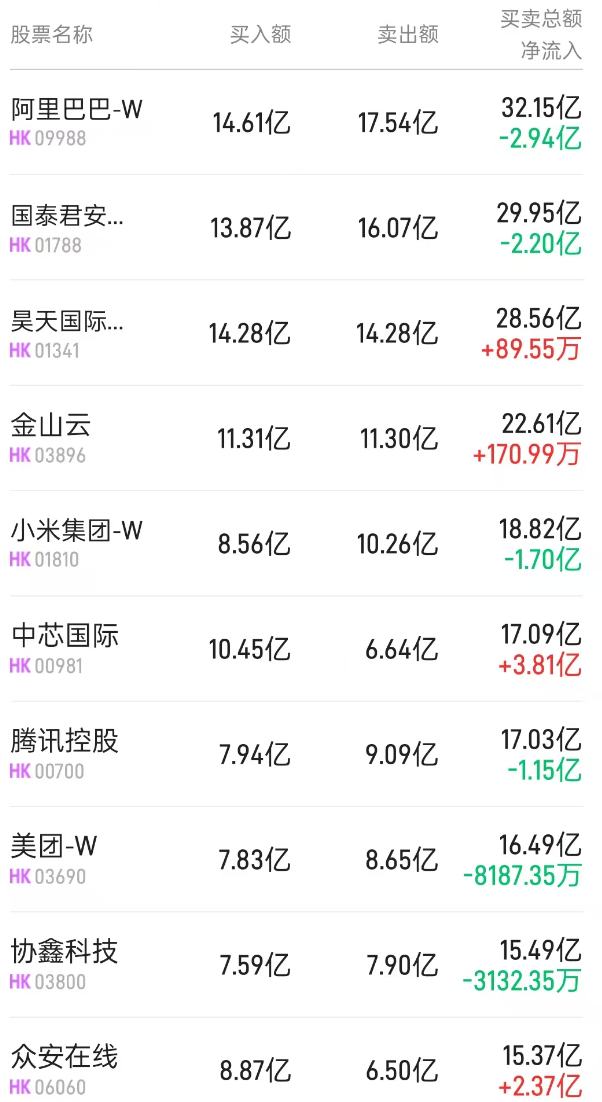
北水动向|北水成交净买入59.31亿 稳定币概念出现分化 内资加仓中芯国际(00981)近5亿港元
智通财经网· 2025-07-18 10:00
| 股票名称 | 买入额 | 卖出额 | 买卖总额 | | --- | --- | --- | --- | | | | | 净流入 | | 阿里巴巴-W | 14.61亿 | 17.54 乙 | 32.15 乙 | | HK 09988 | | | -2.941Z- | | 国泰君安 ... | 13.87 亿 | 16.07 亿 | 29.95亿 | | HK 01788 | | | -2.20 Z | | 吴天国际 ... | 14.28 Z | 14.28 亿 | 28.56亿 | | HK 01341 | | | +89.55万 | | 第四四 | 11.31亿 | 11.30亿 | 22.61亿 | | | | | +170.99万 | | 小米集团-W | 8.56 亿 | 10.26 Z | 18.82亿 | | 中芯国际 | 10.45 亿 | 6.64亿 | 17.09亿 | | HK 00981 | | | | | 腾讯控股 | 7.94亿 | 9.09亿 | 17.03亿 | | HK 00700 | | | -1.15 亿 | | 美团-W | 7.83亿 | 8.65亿 | 16.4 ...

X @外汇交易员
外汇交易员· 2025-07-18 08:52
Capital Markets - Hong Kong's market outlook includes observations on IPO activity [1] Digital Assets - The report covers stablecoins [1] Consumer & Retail - The report analyzes retail consumption trends in Hong Kong [1] Real Estate - The report examines the residential and office property markets in Hong Kong [1]
稳定币应用场景及行业研究
China Post Securities· 2025-07-18 06:43
- The report focuses on the application scenarios of stablecoins, including DeFi, local payments, cross-border settlements, and Real World Assets (RWA), analyzing their full circulation processes and loss-profit dynamics[3][4][25] - Stablecoins are categorized into three types: fiat-backed stablecoins (e.g., USDT, USDC), crypto-collateralized stablecoins (e.g., DAI), and algorithmic stablecoins, each with distinct mechanisms for maintaining value stability[11][12] - USDC's core business model is built on compliance and transparency, supported by reserves in cash and short-term U.S. Treasury bills, and strategic partnerships with regulated crypto exchanges like Coinbase[15][16][17] - USDC demonstrates efficiency improvements across four key scenarios: DeFi transactions, local and cross-border payments, and RWA investments, significantly reducing costs and transaction times compared to traditional systems[18][19][25][45] - DeFi applications of stablecoins include borrowing/lending protocols, liquidity pools in decentralized exchanges (DEXs), derivatives markets, and serving as a safe haven during market volatility[25][33][34] - Local payment systems integrate stablecoins into existing networks like Visa, enabling T+0 settlements and reducing merchant fees to 0.3%-0.7%, compared to traditional rates of 2%-3%[35][38][41] - Cross-border settlements using stablecoins bypass SWIFT systems, achieving near-instant transactions with fees below 1%, compared to traditional costs of 3%-6%[42][45][48] - RWA tokenization leverages stablecoins for efficient fund subscription, automated yield distribution, and 24/7 liquidity, reducing transaction costs and enhancing accessibility[49][55][58] - The stablecoin market is dominated by USD-backed assets, with USDT leading at $1606 billion and USDC rapidly growing to $620 billion, driven by compliance and transparency[66][68][73] - USDC is positioned as the "compliance-first" choice across multiple scenarios, while USDT dominates offshore and less-regulated markets, facing challenges in transparency and auditability[75][76] - Bank-issued stablecoins target B2B wholesale clearing, while tech giants like PayPal leverage native user bases for retail payments, constrained by regulatory limits[77][78] - CBDCs are designed as government-operated RTGS systems, focusing on cross-border applications through projects like m-Bridge[79][80] - The stablecoin ecosystem is reshaping traditional financial intermediaries, benefiting end-users and digital infrastructure providers while challenging legacy systems like SWIFT and correspondent banks[63][72][73]