民营经济

Search documents
省政府就“十五五”规划纲要草案和政府工作报告征求民营企业家意见 王新伟主持座谈会
Xin Lang Cai Jing· 2026-01-06 23:41
本报讯 记者史冬柏报道 1月6日,省委副书记、省长王新伟在辽商总会办公大楼主持召开座谈会,征求 民营企业家对省"十五五"规划《纲要草案(征求意见稿)》、《政府工作报告(征求意见稿)》及2026 年民生实事安排的意见建议。 "编制五年规划、起草政府工作报告,涉及经济社会发展方方面面,同企业和群众生产生活息息相关, 只有开门问策、集思广益,才能更好地凝聚共识、形成合力。今天,有关政府部门与民营企业家坐到一 起,就是要倾听企业心声,问需于企、问计于企,实打实为企业解决问题。请大家畅所欲言,帮助我们 把纲要草案和报告修改完善好,让政策举措更加可感可及。"座谈会一开始,王新伟就开门见山,现场 气氛随之活跃。 "加大实体经济支持力度""提升法治化营商环境建设水平""继续下大气力解决融资难融资贵问题""搭建 常态化科技成果转化平台""把政策红利实实在在送到经营主体手中"……禾丰食品金卫东、奥克集团朱 建民、科德数控于本宏、中商北斗发展集团王誉龙、三洋重工王姝颖、陆帆实业宋社朝、福信集团吴 迪、兰博钢铁于兰军等民营企业家代表,以及来自辽商总会、省异地商会、省外辽宁商会、省行业商会 的代表先后发言,积极建言献策。 王新伟指出, ...
民营经济发展提质增量 全省民营经济市场主体同比增长16%
Si Chuan Ri Bao· 2026-01-06 11:16
记者从1月23日召开的省工商和市场监管工作会议上获悉,我省民营经济持续保持稳定向好发展态势, 截至去年底,全省民营经济市场主体共有472.82万户,同比增长16%,占市场主体总量的95.54%。 全省工商坚持把完善民营经济体系作为重要抓手,着力破解影响和制约民营经济发展的体制机制、营商 环境等方面的障碍。全面建成我省小微企业名录,集中公开各类扶持政策及企业享受扶持政策的信息。 截至去年12月,全省小微企业名录系统录入小微企业基础信息343万余条,公示省级和部门政策文件457 份。 在制度保障方面,省政府建立民营经济工作例会制度,对我省民营经济发展中遇到的重大问题进行专题 研究。将民营经济增加值占GDP比重、民间投资占全社会投资比重纳入对各市(州)的目标考核。建立 省政府领导联系商(协)会制度,已初步拟定30余个商协会的联系方案。 (记者 刘佳) ...
湖南省发展改革(投资)工作会议召开 明确2026年10大重点任务
Xin Lang Cai Jing· 2026-01-06 09:10
Core Viewpoint - The Hunan Provincial Development and Reform Work Conference outlined achievements from 2025 and set key tasks for 2026, emphasizing economic growth, project development, and policy implementation [1][3]. Summary by Sections Achievements in 2025 - The provincial development and reform system effectively expanded demand, with 304 key provincial projects and 2,372 central investment projects completing over 530 billion yuan in investments [3]. - Major projects like the Ningdian power project and the Changgan and Yichang high-speed rail commenced construction, while private investment reached 345.3 billion yuan, maintaining a leading position nationally [3][4]. - Consumption policies led to over 91.2 billion yuan in sales through the "old for new" program, showcasing significant consumer potential [3]. Key Areas for 2026 - Hunan will focus on ten priority areas, including the implementation of the 15th Five-Year Plan, major project construction, and expanding service consumption [5][6]. - The province aims to enhance investment stability by leveraging government funds and accelerating projects like the Shaoyong Railway and Changsha Airport expansion [6]. Industrial Development - Hunan plans to push for breakthroughs in key industries, particularly in new energy, aerospace, and artificial intelligence, with initiatives like the "Artificial Intelligence +" action plan [6][7]. - The province will also enhance service quality and expand the service sector, aiming to optimize innovation platforms and improve industrial park development [6]. Regional Integration and Economic Environment - Hunan will deepen integration with the Yangtze River Economic Belt and support the development of provincial sub-center cities [7]. - The province will prioritize the development of the private economy and optimize the business environment through new regulations and a comprehensive monitoring system [7][8]. Reform and Public Welfare - Continuous reforms will be implemented to enhance market efficiency and support national market construction, alongside efforts to achieve carbon neutrality [8]. - Hunan will focus on public welfare, improving employment, education, and healthcare services while ensuring food and energy security [8].

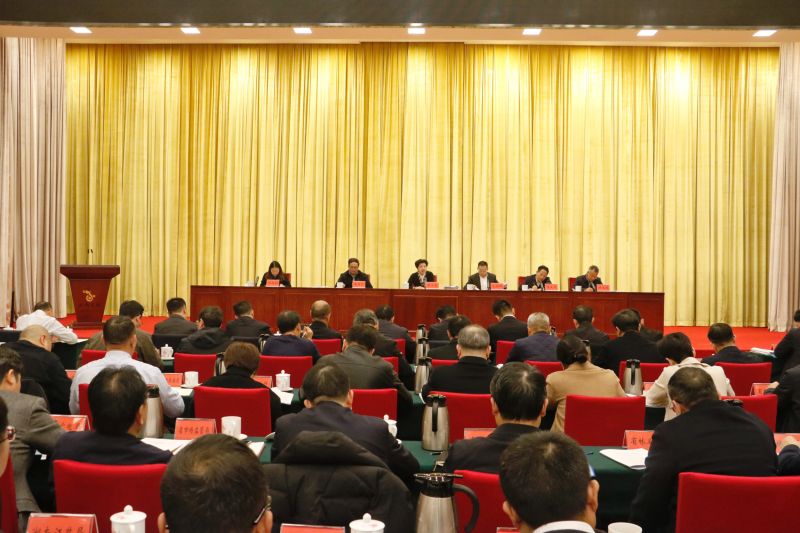
“出海口”搬到了家门口
Xin Lang Cai Jing· 2026-01-04 22:08
Group 1 - The core viewpoint of the articles highlights Taizhou's efforts to enhance its export capabilities, particularly in the electric vehicle sector, with significant improvements in logistics efficiency and service support for enterprises [1][2][3] - The first shipment of over 1,300 electric vehicles from Taizhou to Europe marked a milestone in the region's export activities, with logistics time improved by 30% compared to previous methods [1] - Taizhou has launched various initiatives to facilitate international trade, including the establishment of direct shipping routes for fresh produce, used cars, and containerized goods, thereby connecting local manufacturing with global markets [1][2] Group 2 - The local government has implemented a "group-style" service model to assist enterprises in navigating legal risks and compliance issues when expanding overseas, which has been positively received by business leaders [2] - A total of 2,222 service personnel have been dispatched to support 3,083 enterprises, addressing over 2,500 business requests since the start of 2025, demonstrating a commitment to tailored support for high-export-reliant companies [2] - Taizhou's import and export value reached 256.23 billion yuan in the first eleven months of 2025, reflecting a 6.7% year-on-year growth, positioning it as the third fastest-growing region in Zhejiang province [3][4]
宋旭升:聚焦做大经营主体精准发力 激发民营经济的活力与创造力
Xin Lang Cai Jing· 2026-01-04 12:47
Group 1 - The meeting emphasizes the importance of implementing the "Guizhou Province Quality Private Enterprise Gradient Cultivation Implementation Plan" to enhance the development of the private economy [2] - The plan includes establishing a dynamic cultivation database for enterprises, selecting quality enterprises annually for tiered cultivation, and implementing tax incentives such as R&D expense deductions and government procurement targeting small and medium-sized enterprises [2] - The government aims to ensure that at least 50% of the funding for private investment projects comes from industry funds supporting the "Four Modernizations" [2] Group 2 - A unified platform called "Enterprise Home" will be established to collect and address reasonable demands from private enterprises, ensuring a closed-loop management mechanism for problem resolution [3] - The approach includes both online and offline interactions to address specific issues and systemic problems, transitioning from solving individual cases to standardizing solutions for common issues [3] - The government will enhance service levels through integrated platforms, promoting policies that improve credit repair and provide efficient services to enterprises [3] Group 3 - The introduction of the "Guizhou Province Private Economy Promotion Regulations" and the evaluation of 36 policy measures aim to optimize and improve the support mechanisms for fair competition, financing, and technological innovation [3] - The series of initiatives is expected to effectively stimulate the vitality and creativity of the private economy, reinforcing the foundation of the real economy [3]
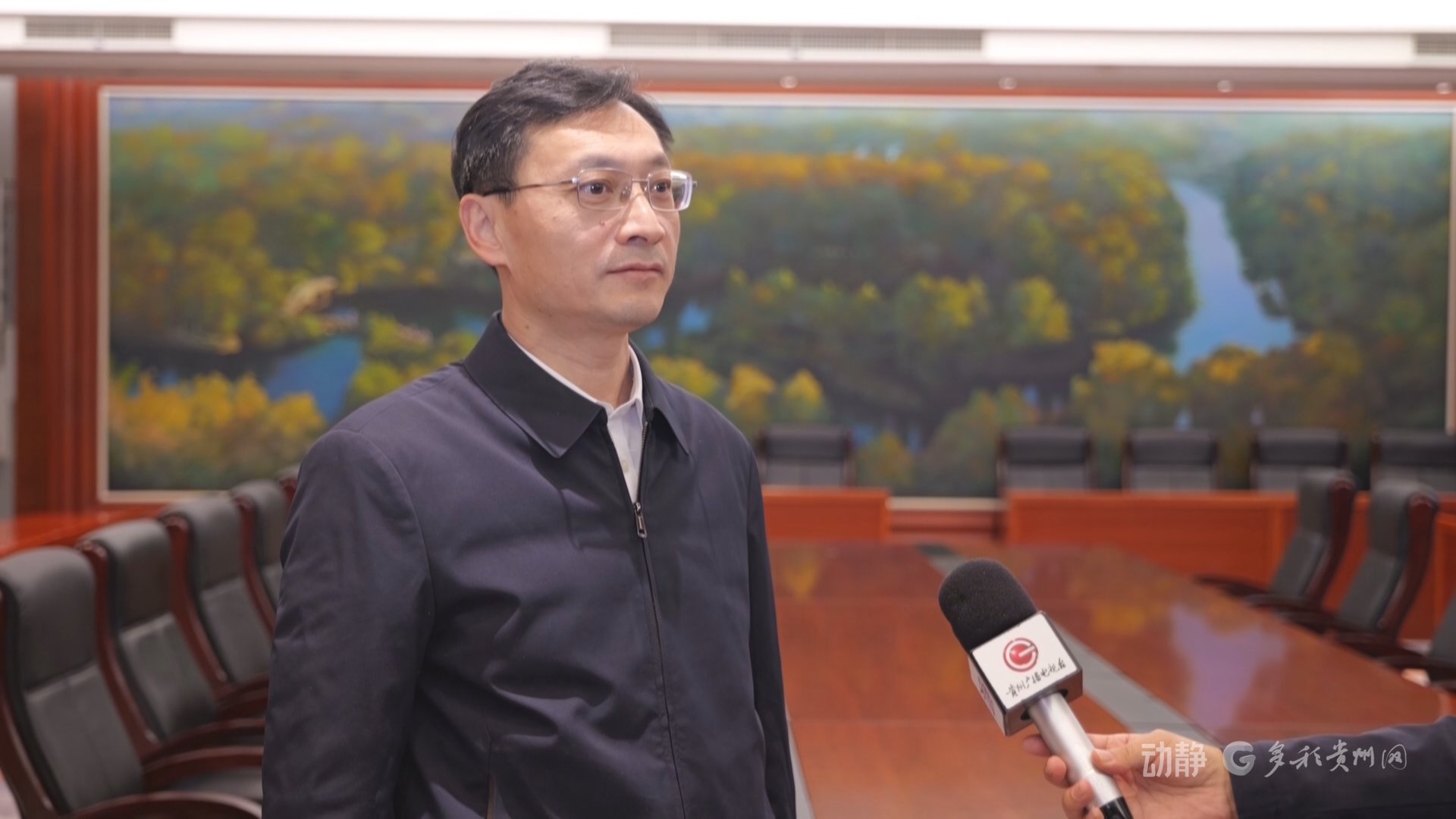
经营主体活跃 激荡发展活力
Xin Lang Cai Jing· 2026-01-03 22:19
Group 1 - The core viewpoint of the articles highlights the continuous innovation and growth of the private economy in Guizhou, exemplified by the successful listing of Zhongwei New Materials Co., Ltd. on the Hong Kong Stock Exchange, marking it as the first "A+H" share company in the new energy materials sector and the first company from Guizhou to achieve dual listing [1] - As of now, private economic entities account for 97.2% of all business entities in Guizhou, contributing over 60% of employment opportunities [1] - Guizhou has seen the emergence of 82 national-level specialized and innovative "little giant" enterprises, with a total of 1,587 innovative small and medium-sized enterprises and 13 manufacturing champions cultivated [1] Group 2 - Guizhou Dongyi Electric Technology Co., Ltd. set a new record in the province by obtaining a loan of 93 million yuan through data intellectual property pledges, showcasing innovative financing methods for private enterprises [2] - The total amount of data intellectual property pledge loans in the province has reached 314 million yuan, indicating a growing trend in leveraging intangible assets for financing [3] - Over 82% of surveyed enterprises believe that the business environment in Guizhou is continuously improving, with a total of 576,600 new business entities established in the province in 2025, reflecting a year-on-year growth of 4.38% [3] Group 3 - The "Guizhou Service" initiative has streamlined the approval process for projects, reducing processing time by 50% and the number of required documents by 40%, significantly enhancing operational efficiency for businesses [4] - The province has launched 65 integrated services for various business needs, reducing procedural steps and materials by an average of over 30%, with more than 2 million transactions completed [4] - The "cloud inspection" platform has improved efficiency by over 70% by allowing remote verification, thus reducing the need for physical inspections and saving time for businesses [4] Group 4 - Guizhou is focusing on enhancing existing enterprises as a strategy for attracting investment, with leading companies like Geely Automotive fostering a local supply chain that includes 47 supporting enterprises, achieving a localization rate of over 48% [5] - The province has established a "5+3" mechanism for major project recruitment, with 863 major projects planned and an investment target of 548.693 billion yuan, of which 652 projects have been signed and 444 have commenced construction [6] - The provincial government has introduced measures to support economic growth in the first quarter of 2026, including actions to cultivate and expand business entities and reduce operational costs for enterprises [6]
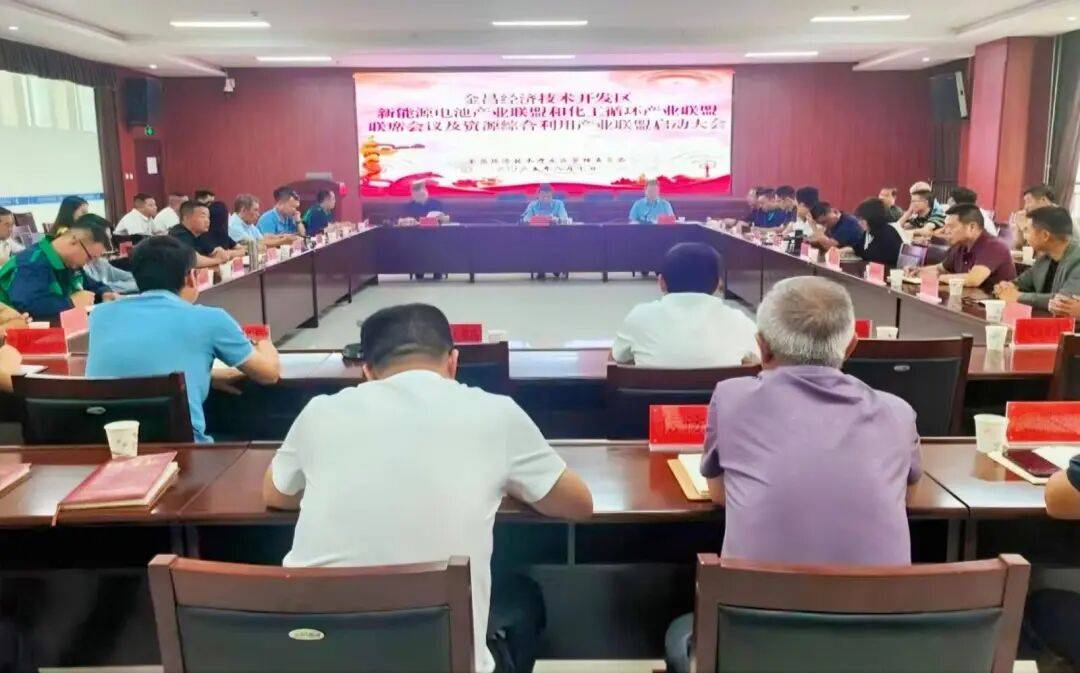
搭平台 解难题 聚合力——金昌经开区以政企协同赋能民营经济
Sou Hu Cai Jing· 2026-01-03 11:35
Core Viewpoint - The Jinchang Economic Development Zone is actively promoting the implementation of the "People's Republic of China Private Economy Promotion Law" and optimizing the business environment through a recent meeting aimed at enhancing communication between government and enterprises, addressing business challenges, and fostering regional economic development. Group 1 - The meeting resulted in the establishment of an effective enterprise service mechanism characterized by "precise collection, efficient response, and closed-loop management" [3] - Key enterprises in sectors such as new energy and chemicals raised specific issues related to financing, land use, approvals, and cost control, demonstrating clear and targeted feedback [3] - The Jinchang Economic Development Zone's management committed to providing immediate solutions for certain issues and promised timely feedback for more complex matters, showcasing a responsive approach to policy support [3] Group 2 - The problem-solving approach includes an integrated model of "clear responsibilities, cadre connections, departmental collaboration, and closed-loop supervision," which aims to shift service from passive reception to proactive engagement and continuous tracking [3] - The initiative emphasizes the integration of problem resolution with a regular "cadre responsibility for enterprises" system, ensuring a practical, inspectable, and traceable work loop [3]
观商海传奇 《中国商帮之薪火甬传》今日开播
Xin Lang Cai Jing· 2026-01-01 08:29
Core Viewpoint - The documentary "The Inheritance of Chinese Business Groups" will premiere on January 1, 2026, focusing on the commercial civilization of Ningbo and exploring the transformation and innovative development of the private economy in contemporary times [1][16]. Group 1: Historical Context - Ningbo has a rich history as a significant port since the Tang Dynasty, contributing to its status as a major commercial hub [2][8]. - The city has been a cradle for numerous significant business achievements in modern Chinese history, with over 100 "firsts" in various industries [8]. - The documentary highlights the evolution of Ningbo's commercial spirit, emphasizing its historical significance in trade and commerce [2][6]. Group 2: Economic Development - Ningbo's economy is characterized by a strong private sector that has undergone creative transformation and innovation [1][16]. - The Ningbo-Zhoushan Port is projected to maintain its position as the world's top port in terms of cargo throughput in 2024, showcasing the city's robust maritime economy [6]. - The city is recognized for its advanced manufacturing capabilities, with a focus on high-tech industries and a shift towards intelligent manufacturing [8][9]. Group 3: Cultural Significance - The documentary emphasizes the dual importance of commerce and education in Ningbo, reflecting the city's unique cultural traits [11][12]. - The spirit of the Ningbo business community is rooted in a sense of responsibility and commitment to national development [14][15]. - The narrative of the documentary intertwines commercial success with cultural heritage, showcasing the values and qualities of the Ningbo business groups [16].
以法之名,护航民营经济高质量发展
Xin Lang Cai Jing· 2025-12-31 23:12
Core Viewpoint - The implementation of the "Fujian Province Private Economy Promotion Regulations" aims to enhance the development of the private economy in Fujian, providing a legal framework to support innovation and growth in this sector [1][2]. Group 1: Legal Framework and Support - The regulations consist of 8 chapters and 77 articles, focusing on fair competition, investment promotion, technological innovation, service guarantees, rights protection, and legal responsibilities to create a stable and transparent environment for private economic development [2][4]. - The regulations incorporate the "Jinjiang Experience," emphasizing the importance of legal support for the private economy and establishing mechanisms for its promotion and deepening [2][3]. Group 2: Addressing Challenges for Private Enterprises - The regulations aim to eliminate invisible barriers faced by private enterprises in bidding and government procurement, ensuring equal access to resources and opportunities [4][5]. - Specific provisions allow private enterprises to choose flexible land use options, such as long-term leasing and flexible tenure, addressing the high costs associated with traditional land acquisition methods [5][6]. Group 3: Encouraging Innovation and Investment - The regulations include measures for intellectual property protection and financial support for specialized and innovative enterprises, which are expected to lower initial investment costs and boost confidence in technological advancements [6][11]. - The emphasis on fostering a supportive environment for research and development aligns with the growing demand for domestic production in key technology sectors [6]. Group 4: Implementation and Local Initiatives - Local governments are actively working to implement the regulations, with initiatives aimed at transforming the business environment and enhancing service efficiency for private enterprises [8][9]. - Examples include the establishment of service centers for private economic development and the introduction of streamlined approval processes to expedite project initiation [9][10].
从决胜到开局
Jing Ji Wang· 2025-12-31 07:14
Group 1 - The year 2025 is significant as it marks both the decisive year of the "14th Five-Year Plan" and the planning year for the "15th Five-Year Plan" [1] - The Central Economic Work Conference focuses on the current economic situation and outlines strategies for expanding domestic demand, supporting the private economy, advancing artificial intelligence, promoting institutional openness, facilitating green transformation, ensuring coordinated development, and enhancing urban-rural integration [1] - These strategies are crucial not only for the long-term strategic layout of the country but also closely related to the daily lives and happiness of the citizens [2] Group 2 - The article emphasizes the importance of understanding the implications of the "15th Five-Year Plan" suggestions, particularly in the context of consumption upgrades and the integration of quality goods and services into everyday life [2] - It highlights opportunities for small and medium-sized enterprises in the AI era and addresses challenges related to home-based elderly care [2] - The publication aims to provide valuable development references for the new journey of the "15th Five-Year Plan" by interviewing experts, scholars, and business representatives [2]