3D打印技术

Search documents
海外需求+潮玩经济加持,消费级3D打印应用有望加速
HTSC· 2025-06-18 04:51
Investment Rating - The report maintains an "Overweight" rating for the consumer electronics sector [5]. Core Viewpoints - The consumer-grade 3D printing market is expected to accelerate due to overseas demand and the rise of the trendy toy economy, transitioning from niche to mainstream [1]. - Technological advancements and cost reductions in the supply chain are anticipated to unlock greater potential for 3D printing technology in the long term [3]. - Investment opportunities are highlighted in the 3D printing components and scanning segments, with a focus on companies involved in these areas [4]. Summary by Sections Section 1: Market Dynamics - The consumer-grade 3D printing market is benefiting from technological breakthroughs, reduced costs, and expanded DIY applications, making it more accessible to consumers [1]. - The demand for personalized manufacturing overseas, combined with the trendy toy economy, is expected to drive growth in the consumer-grade 3D printing sector [2]. Section 2: Export and Domestic Demand - Domestic 3D printer manufacturers are experiencing significant sales overseas, with exports reaching 377.8 thousand units in Q1 2024, a year-on-year increase of 7.2% [2]. - The rise of IP creation in the trendy toy economy is creating a responsive ecosystem within the domestic 3D printing community, enhancing market demand [2]. Section 3: Future Potential - Long-term prospects for 3D printing technology include its application in personalized manufacturing for consumers, acceleration of product development for businesses, and its role as a core high-end production process in industrial settings [3]. - Cost reductions through domestic sourcing of key materials and components are expected to further lower production costs for 3D printers, enhancing market competitiveness [3]. Section 4: Investment Opportunities - The report emphasizes investment opportunities in the 3D printing components sector and the 3D scanning segment, identifying key players in these areas [4].
消费级3D打印产业链分析与行业展望 - 专家会议
2025-06-16 15:20
Summary of 3D Printing Industry Analysis and Outlook Industry Overview - The 3D printing industry peaked during the pandemic, with leading brands achieving revenues of around 1 billion. Post-pandemic, the market stabilized, but companies like Tuozhu are driving product innovation and user base expansion, leading to an upward trend in the industry. Future growth is expected to be fueled by popular IPs and small business models [1][3]. Key Players - Current major players in the market include Tuozhu, Chuangxiang 3D, Zhongwei Lifang, and others. Tuozhu leads with revenues between 5-6 billion, followed by Chuangxiang 3D at around 2 billion, and the others at approximately 1-1.5 billion. The traditional FDM printer market is highly competitive, with Tuozhu dominating [1][4]. Financial Metrics - In the 3D printing industry, equipment gross margins typically require around 50%, while consumables have lower margins, generally between 35% and 40%. For example, a company's equipment revenue is approximately 4 times that of its consumables revenue [5][6]. Market Share and Trends - The domestic market share is relatively small, around 15%-20%, but is gradually increasing. The overseas market remains a key focus, with the U.S. being the largest single market. Different brands have traditional advantages in various regions [7]. Product Development and Sales Strategy - Tuozhu's rapid growth is attributed to its talented core team, effective marketing strategies, and innovations in high-speed, multi-color, and user-friendly products. The company aims for sales of 6-8 billion or 9 billion by 2025, with a growth rate of 50%-60%, lower than the previous year's 100% [2][18][24]. Product Pricing - Tuozhu's DIY products are priced between 200 to 300 USD, while flagship machines range from 1,000 to 1,500 USD. The expected shipment volume for each product series is between 100,000 to 200,000 units, with an overall shipment target of 500,000 to 800,000 units [25][26]. Technological Insights - The main technology in the consumer-grade market is FDM, which has not seen significant updates in the past decade. New product forms are emerging, but FDM remains dominant. SLA technology is used in specialized fields but is less common in consumer applications [13][14]. Consumer Insights - Learning to use desktop 3D printers is relatively quick, taking about 1-2 weeks for beginners. Entry-level machines cost around 1,000 RMB, and material costs are approximately 0.01 RMB per gram [7][8]. Challenges and Risks - Tuozhu faced challenges with the launch of a high-end 3D scanner due to a broken partnership with a supplier, which has delayed the project. The company is currently seeking new suppliers [27]. Conclusion - The 3D printing industry is poised for growth, driven by innovation and market expansion. However, challenges such as competition and supply chain issues remain critical factors to monitor. The focus on overseas markets and product differentiation will be key strategies for companies like Tuozhu to maintain their competitive edge [20][24].
3D打印Labubu模型获利可能违法
news flash· 2025-06-16 06:52
Core Viewpoint - Labubu, a brand under Pop Mart, has gained significant popularity, with second-hand market prices exceeding thousands of yuan, positively impacting the 3D printing industry [1] Group 1: Product Development and Technology - Labubu has extensively adopted 3D printing technology in its iterations, significantly reducing product iteration costs [1] - 3D printing enthusiasts are sharing and printing Labubu models on various platforms, with some individuals reportedly earning over 100,000 yuan through this process [1] Group 2: Legal Considerations - Lawyer Meng Guangyuan emphasizes that unauthorized imitation may infringe copyright, trademark rights, and engage in unfair competition, which could lead to consequences such as compensation and product removal if infringement is established [1]

文脉华章丨“让中华文明瑰宝永续留存、泽惠后人”
Yang Shi Xin Wen Ke Hu Duan· 2025-06-14 12:01
Group 1 - The article emphasizes the importance of protecting, inheriting, and promoting Chinese cultural heritage, highlighting the significant achievements made in this area under the leadership of President Xi Jinping [5][13]. - Xi Jinping has made multiple inspections of cultural and natural heritage sites, providing important directives that have led to notable advancements in the protection and transmission of cultural heritage [5][7]. - The article discusses various cultural heritage sites, including the Longmen Grottoes, Mogao Caves, and Yin Ruins, showcasing their historical significance and the ongoing efforts to preserve them [5][8][10]. Group 2 - The Mogao Caves, established in 366 AD, contain 735 caves and 45,000 square meters of murals, representing a rich cultural heritage that combines architecture, sculpture, and Buddhist culture [7]. - The Yin Ruins, recognized as the first historically documented capital of the Shang Dynasty, were inscribed as a UNESCO World Heritage site in 2006, reflecting the depth of Chinese civilization [8]. - The Sanxingdui site, representing ancient Shu civilization, has been highlighted for its archaeological significance and the ongoing efforts to showcase its findings through modern technology [10][12]. Group 3 - The article mentions the use of advanced technologies such as artificial intelligence and multimedia in museums to enhance the presentation of cultural artifacts and improve visitor engagement [12][13]. - Initiatives like the "Digital Dunhuang" project allow users to experience historical contexts interactively, showcasing the innovative approaches being taken in cultural heritage preservation [7][12]. - The article concludes by stressing the role of cultural heritage in fostering national pride and confidence, which is essential for the ongoing development of the nation [13].


对标SpaceX,中国商业航天走到哪一步了
Di Yi Cai Jing· 2025-06-12 11:55
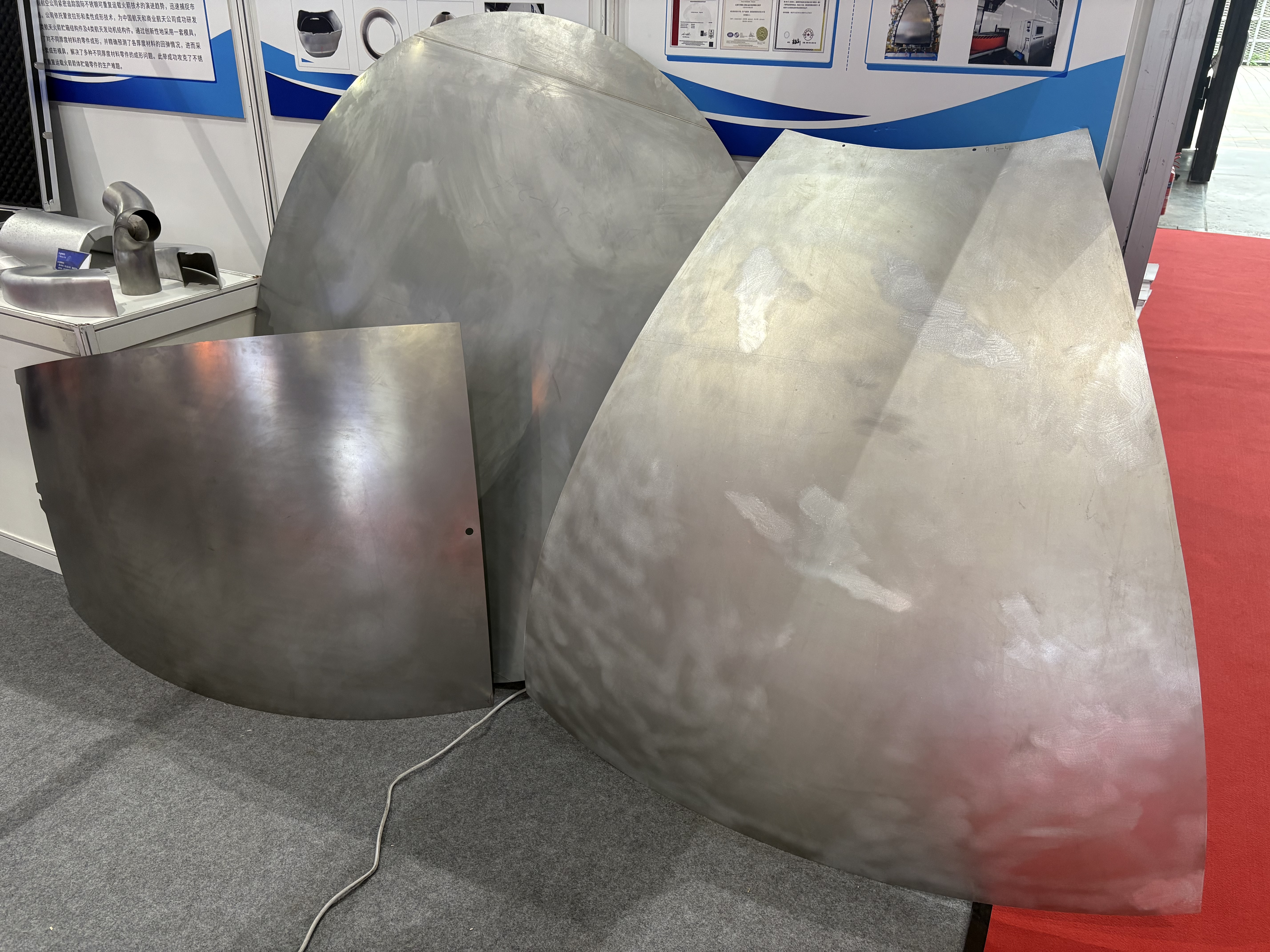
Group 1 - The core viewpoint of the articles highlights that China's commercial aerospace industry is potentially at a turning point due to advancements in material lightweighting, accelerated R&D iterations, and decreasing satellite costs, with SpaceX frequently mentioned as a reference point for industry practitioners [1][6][8] - The use of aluminum alloy for rocket fuel tank components, which is lighter and cheaper than stainless steel, is emphasized as a significant development that can reduce overall rocket weight and fuel costs, showcasing a shift in material selection influenced by SpaceX's practices [6][7] - The application of 3D printing technology in the commercial aerospace sector has drastically reduced manufacturing lead times from 2-3 months to about one week, allowing for rapid iteration and customization, which is now being adopted by Chinese companies [7][8] Group 2 - The Chinese commercial satellite manufacturing sector is expected to experience a growth phase in 2024, with a projected revenue increase from 13.2 billion yuan in 2023 to over 16.6 billion yuan in 2025, and a 60% reduction in manufacturing costs for leading companies compared to 2020 [8][9] - Despite improvements, there remains a gap in capabilities between Chinese and American aerospace industries, particularly in rocket recovery technology and payload capacity, with Chinese companies still in the experimental phase [8][9] - The trend towards customized production in aerospace components is noted, with companies adapting to specific order requirements, indicating a shift towards a more responsive and integrated supply chain in the commercial aerospace sector [9]
阿博格:3D打印驱动PEEK进入医疗植入新纪元!
DT新材料· 2025-06-10 16:29
Core Viewpoint - The article discusses the transformative role of PEEK (Polyether Ether Ketone) in the medical field, particularly in 3D printing applications, highlighting its potential to replace traditional titanium alloys in orthopedic implants [1][2]. Group 1: PEEK in Medical Applications - PEEK is a high-end engineering plastic that is experiencing significant changes driven by 3D printing technology, particularly in the field of medical implants [1]. - Traditional metal implants, such as titanium alloys, face issues like high elastic modulus, corrosion resistance, and the release of metal ions in the body, prompting the industry to seek alternatives like PEEK [1]. - PEEK is a synthetic semi-crystalline thermoplastic material with properties such as radiation resistance, insulation stability, hydrolysis resistance, compressive strength, and corrosion resistance, making it suitable for replacing most bone structures in the human body [1]. Group 2: 3D Printing Technology - 3D printing technology accelerates the replacement of traditional materials in the PEEK supply chain, especially for custom products in low-strength areas [2]. - The technology enhances the innovation and iteration speed of PEEK products, reducing the design optimization cycle from months to days, thus expediting clinical validation and improvement processes [2]. - The Freeformer series printers from Arburg utilize proprietary additive manufacturing technology (APF) to create PEEK implants without molds, supporting various engineering plastics and biodegradable materials [2]. Group 3: Upcoming Forum - Arburg's additive manufacturing manager will present at the 2025 Polymer 3D Printing Materials Summit, focusing on the development of PEEK in medical applications [5]. - The summit will address the importance of high-performance PEEK materials, challenges in mass production, and future directions for additive manufacturing [5].

3D技术助力!济宁市第一人民医院开展个性定制化全踝关节置换术
Qi Lu Wan Bao Wang· 2025-06-09 05:26
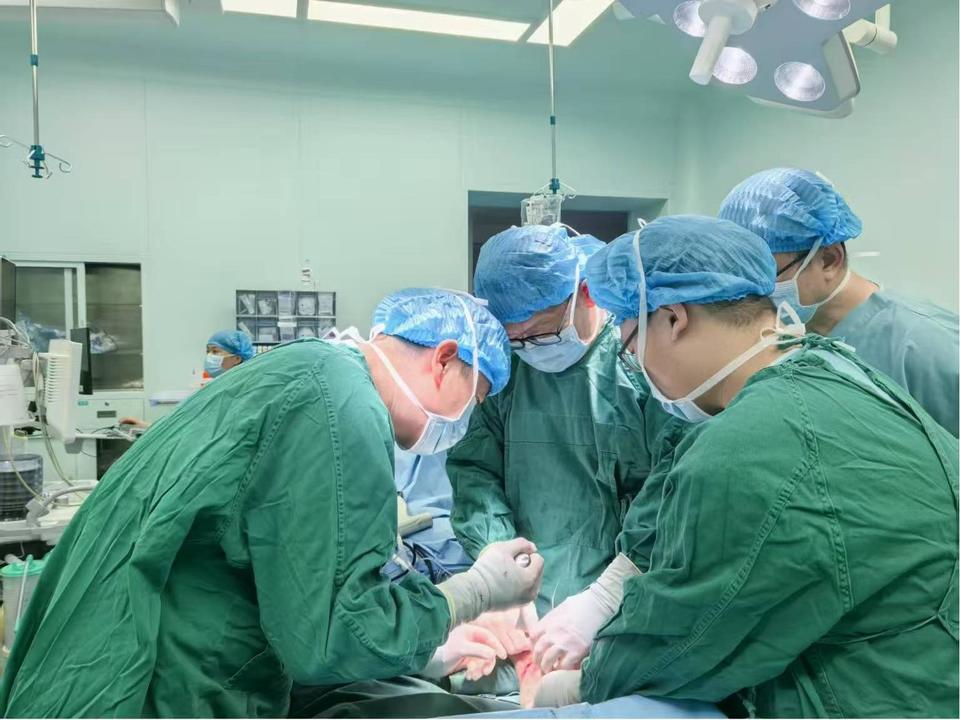
Core Viewpoint - The increasing prevalence of ankle arthritis due to aging population in China has led to significant advancements in ankle joint replacement surgery, particularly through the use of 3D printing and AI technologies, enabling more precise and individualized treatment options for patients [1][2]. Group 1: Technological Advancements - The team at Jining First People's Hospital successfully performed the first total ankle joint replacement in Southwest Shandong, utilizing 3D printing technology to create customized surgical models [1]. - The application of AI in preoperative planning and 3D modeling has significantly improved the precision of osteotomy corrections during surgery, reducing the time required for adjustments by two-thirds compared to traditional methods [2]. Group 2: Patient Impact - A 77-year-old patient suffering from severe right ankle osteoarthritis underwent a successful 3D printed total ankle joint replacement, resulting in a 90-minute reduction in surgery time and a 30-degree increase in ankle mobility post-operation [1][2]. - The successful implementation of this surgery not only alleviated the patient's pain but also restored significant walking functionality, highlighting the potential for improved quality of life for patients with similar conditions [1]. Group 3: Regional Significance - This surgical achievement fills a significant gap in medical technology within the Southwest Shandong region, marking a major breakthrough in the treatment of ankle diseases [2]. - The advancements in digital orthopedics and personalized treatment options are expected to drive further innovation and development in the field of foot and ankle surgery [2].
济医附院手足外科成功完成首例3D打印部分距骨假体植入术
Qi Lu Wan Bao Wang· 2025-06-09 05:23
术前,手足外科专家联合医学影像、数字医学等多学科团队,利用患者的CT扫描数据,通过三维重建技术精确模拟病变部位的骨骼形 态。随后,运用3D打印技术,使用特殊的生物相容性材料,定制出与患者骨骼解剖结构高度匹配的距骨假体。这一过程不仅确保了假体 与患者骨骼的完美契合,还大大缩短了手术时间,降低了手术风险。手术过程中,手足外科团队凭借丰富的经验和精湛的技术,顺利完 成了坏死距骨切除与假体植入。整个手术耗时不到两小时,出血少。术后,患者恢复情况良好,各项指标正常,目前正在接受进一步的 康复治疗。 本次首例3D打印距骨假体植入手术的成功实施,是济医附院骨科技术创新的又一重要成果。3D打印技术的应用,为复杂骨病患者提供了 更加精准、个性化的治疗方案,有效提高了手术成功率和患者的生活质量。未来,医院将继续加强多学科协作,不断探索和应用新技 术,为广大患者提供更加优质高效精准的医疗服务。 该患者因距骨骨折造成距骨部分破坏,踝关节炎传统的治疗方式难以满足其复杂的病情需求。手足外科专家韩清銮、张磊、栗威等教授 充分评估患者病情,并采用魏本磊副主任医师在上级医院进修学习到的足踝外科先进置换理念,决定利用先进的3D打印技术为患者定制 ...
进入创新通道!胸腰椎后路内固定磁控连接棒系统
思宇MedTech· 2025-06-06 09:56
Core Viewpoint - The article highlights the advancements in spinal surgery technology, particularly focusing on the introduction of the Magnetically Controlled Growing Rod (MCGR) system by Beijing Aikang Yicheng Medical Equipment Co., Ltd. This innovation aims to address the limitations of traditional spinal fixation methods, especially for adolescent idiopathic scoliosis (AIS) patients, by reducing the need for multiple surgeries and associated risks [2][4][5]. R&D Background - Spinal diseases, including scoliosis and degenerative conditions, have a high incidence rate, with adolescent scoliosis affecting approximately 1-3% of the population. The aging population in China is expected to reach about 21% by 2024, leading to an increase in degenerative spinal diseases [2]. - Traditional spinal fixation methods require frequent surgeries for length adjustments in growing patients, increasing infection risks and patient discomfort. The need for precise placement of screws and rods during surgery poses additional challenges [2]. Product Introduction - The MCGR system is designed to treat thoracolumbar diseases, utilizing magnetic control technology for non-invasive length adjustments, thereby minimizing the need for secondary surgeries [5]. Market Overview - According to Global Market Insights, the global orthopedic device market is projected to reach $53 billion by 2024, with a compound annual growth rate (CAGR) of approximately 5.6% from 2019 to 2024. The orthopedic implant market, which includes spinal, trauma, and joint implants, is expected to account for about 60% of this market, valued at approximately $31.8 billion [6]. - In China, the orthopedic implant market was valued at 29.7 billion yuan in 2019, with a CAGR of 15.8% from 2010 to 2019. The market is expected to exceed 60 billion yuan by 2024, with spinal implants representing about 30% of this market [6]. Competitor Products - The NuVasive MAGEC System is a leading magnetic control growing rod system used for treating early-onset scoliosis, which has been widely adopted in Europe and the U.S. [7][10]. - Medtronic's CD Horizon system is a traditional spinal fixation system used for various thoracolumbar conditions, combining screws and rods for stable fixation [11]. Company Overview - Beijing Aikang Yicheng Medical Equipment Co., Ltd. was established in 2003 and is a pioneer in the commercialization of additive manufacturing technology in orthopedic implants. The company has developed several innovative products and has a strong presence in both domestic and international markets [13].

3D打印高分子材料新品盘点!PA、PEEK、PLA、PHA、纤维复材......
DT新材料· 2025-06-05 16:13
Core Viewpoint - 3D printing technology, also known as additive manufacturing, is widely applied in various fields such as complex structural components, personalized products, and rapid prototyping, with polymer materials dominating over half of the 3D printing materials market [1][2]. Group 1: 3D Printing Polymer Materials - High polymer materials are essential in 3D printing, including photopolymer resins, polymer powders, and filaments, each with specific applications and properties [1]. - Photopolymer resins are suitable for light polymerization and material jetting technologies, rapidly curing under specific wavelengths of light [1]. - Polymer powders are primarily used in selective laser sintering (SLS) and multi-jet fusion (MJF) technologies, with common materials like PA12 and PEEK [1]. - Filaments are mainly used in fused deposition modeling (FDM) technology, with advancements allowing for the use of semi-crystalline polymers [1]. Group 2: Applications of 3D Printing Polymer Materials - The applications of 3D printing polymer materials span across multiple industries, including medical, automotive, aerospace, and consumer electronics [2]. - In the medical field, customized dental prosthetics and orthopedic implants enhance patient quality of life [2]. - In the automotive sector, lightweight components and complex structures reduce vehicle weight and fuel consumption [2]. - Aerospace applications include engine components and thermal insulation materials, improving aircraft performance and safety [2]. - Consumer electronics benefit from personalized accessories like phone cases and headphones, expanding consumer choices [2]. Group 3: Industry Leaders and Innovations - Leading companies such as Arkema, SanGreen, Anisoprint, and others showcased their latest 3D printing polymer and composite materials at the 2025 Shanghai TCT Asia Exhibition [2][4][6][11]. - Arkema presented high-performance materials solutions like Sartomer's N3x tDimension® photopolymer resin and Orgasol® PA12 for various 3D printing processes [4]. - SanGreen displayed products including PA6-GF and PA12-CF, highlighting a collaboration with Tsinghua University for a lightweight drone made from nylon 12 and carbon fiber [6]. - Anisoprint introduced its patented Composite Fiber Co-Extrusion technology, offering a range of continuous fiber-reinforced materials for various applications [11]. Group 4: Material Performance and Characteristics - Materials like PEEK, PEKK, PA11, PA12, and carbon fiber-reinforced composites (e.g., PA12-CF) exhibit excellent mechanical properties, chemical resistance, and high-temperature stability, making them suitable for aerospace, automotive, and medical applications [54]. - Continuous fiber 3D printing technology is gaining traction, with equipment available from desktop to industrial levels, widely applied in low-altitude economy, robotics, and aerospace [55]. - The industry is focusing on multi-scenario solutions, emphasizing carbon fiber reinforcement, lightweight, and flexible materials, with a future emphasis on sustainability [56].