
数字金融

Search documents
提振消费需要个性化金融服务
Jing Ji Ri Bao· 2025-06-26 22:07
Core Viewpoint - The People's Bank of China and six other departments issued guidelines to enhance and expand consumption through 19 key measures, emphasizing the importance of consumption as a driver of economic growth and the need for financial services to adapt to changing consumer demands [1] Group 1: Financial Support for Consumption - The guidelines focus on enhancing consumer capacity, expanding financial supply in consumption sectors, and optimizing the consumption environment [1] - In May, China's total retail sales of consumer goods increased by 6.4% year-on-year, reflecting a 1.3 percentage point acceleration from the previous month [1] Group 2: Diverse Financial Services - Various financial services such as first loans, renewal loans, credit loans, and medium to long-term loans are needed by businesses, especially individual entrepreneurs who are crucial to the economy [2] - Financial institutions are encouraged to avoid a "one-size-fits-all" approach when dealing with businesses facing temporary financial difficulties, promoting a mutually beneficial relationship [2] Group 3: Personalized Financial Services for Consumers - Consumers increasingly demand embedded and personalized financial services, with a focus on convenience and immediacy in accessing financial products [2] - Financial institutions are advised to create a "housing full product ecosystem" to provide diverse financial services beyond just housing loans, including renovation and rental services [2] Group 4: Role of Financial Technology - Advances in financial technology are essential for achieving the outlined goals, with a focus on integrating internet and big data technologies into consumer finance [3] - Financial institutions are encouraged to streamline online processes for consumer credit applications and approvals, enhancing the accessibility and convenience of financial services [3]
华夏银行广州分行:以数字金融解绿色发展,创产数融资新范式
Nan Fang Du Shi Bao· 2025-06-26 13:44
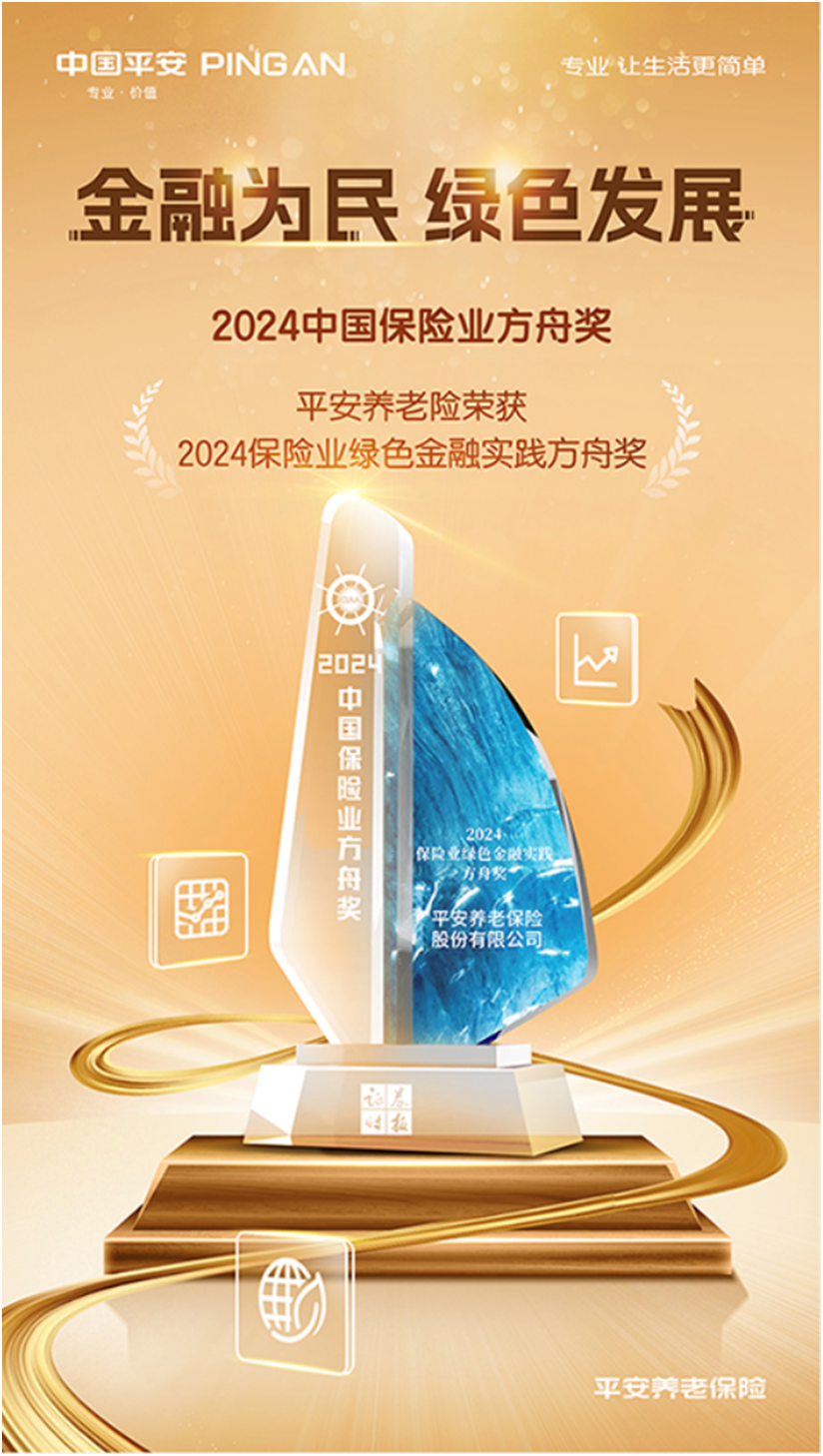
在数字经济浪潮席卷全球的当下,数字金融已成为推动实体经济高质量发展的核心引擎。2025年3月5 日,国务院办公厅印发的《关于做好金融"五篇大文章"的指导意见》进一步指出,到2027年,金融机构 数字化转型要取得积极进展,数字化金融监管能力要有效提升,强调要推动数字金融高质量发展,巩固 拓展数字经济优势。 值得关注的是,该行参展的《国内首个试点碳市场数字金融创新》项目凭借"数字技术+碳资产"的突破 性融合,成功入围2024年"点数成金"数字金融评选名单并获评"数字金融十佳案例"。 从"数翼通"到碳市场金融创新 华夏银行的产业数字金融方法论 这一创新成果并非偶然,而是华夏银行广州分行以"数翼通"品牌为战略抓手,深耕"金融五篇大文章"融 合发展的必然结果。 面对数字经济的蓬勃发展,华夏银行紧跟时代步伐,积极探索和实践产业数字金融的新模式,面向全市 场推出"数翼通"品牌及系列产品,致力于通过数字化转型赋能实体经济,以产业数字金融新模式助力"五 篇大文章",为产业升级提供强有力的金融支持。华夏银行广州分行立足湾区,以总行"数翼通"品牌产品 为导向,不断深化产业数字金融业务创新实践。 为推动广东碳交易试点持续深化发展,释 ...



广发证券亮相第十四届金交会:绿色金融与数字金融引领“新专业主义”
Zheng Quan Ri Bao Zhi Sheng· 2025-06-26 11:33
Core Viewpoint - The 14th China (Guangzhou) International Financial Trading Expo showcases the innovative practices and technological achievements of GF Securities, emphasizing its commitment to green and digital finance [1][2]. Group 1: Company Achievements - GF Securities has participated in the expo for 14 consecutive years, highlighting its status as a leading brokerage firm in Guangdong and the Greater Bay Area [1]. - The company received the "2025 Guangdong Green Finance Reform and Innovation Promotion Case" award for its project on securitizing photovoltaic and wind power assets, which effectively revitalizes existing green assets and lowers financing costs [1]. - GF Securities was recognized as an "Excellent Unit in Digital Finance" by the Guangzhou Digital Finance Association, showcasing its achievements in digital transformation [2]. Group 2: Technological Innovations - The company presented its "AI + Financial Technology" integration, demonstrating its advancements in combining artificial intelligence with financial services [2]. - GF Securities' "Intelligent Public Opinion Risk Control System" based on large language models was awarded as an excellent case in digital financial risk control, reflecting its leadership in utilizing new technologies for business innovation [2]. - The expo featured a performance by a humanoid robot, showcasing the intersection of AI and financial technology, further illustrating the company's innovative approach [2].

仅8元!稳定币唯一真龙,支付牌照+蚂蚁京东双认证,或将大涨1000%!
Sou Hu Cai Jing· 2025-06-26 08:46
突发利好! 稳定币又迎重大政策信号,接下来还会大涨! 但99%的股民朋友都不知道,接下来还能翻倍甚至10倍大涨的,将只有这3家在稳定币领域与蚂蚁金服 +京东高度关联的超级"大妖"! 这不是随口说说的! 稳定币是锚定现实经济中黄金、美元、欧元等稳定资产,从而拥有固定购买力的数字货币。 在跨境汇款、在线购物等多元支付场景中,稳定币凭借快速到账、低成本的特性,正逐步重塑全球支付 与交易的生态体系。 与此同时,香港通过《稳定币条例草案》,确立发牌制度,进一步完善数字金融监管体系。 企业动作也紧随其后。6月12日,蚂蚁集团副总裁边卓群表示,蚂蚁数科已启动香港稳定币牌照申请, 并完成监管沙箱测试。此外,公司还与协鑫能科联合成立新公司"蚂蚁鑫能",布局数字金融与能源融合 新赛道。 6月18日,国内金融政策的"风向标"——陆家嘴论坛在上海召开。 我梳理出了3家与蚂蚁稳定币生态紧密相关的核心企业,覆盖技术、系统、应用等关键环节。其中最后 一家,凭借"龙头地位+蚂蚁金服+京东双认证",或是当前最具潜力的优选标的。 第一家:协鑫集成 公司勇闯无人区,携手协鑫科技及蚂蚁集团完成全球首家光伏碳链管理平台的搭建及上线。 第二家:安妮股份 ...



报告:山东银行业有力有效做好“五篇大文章”
Xin Hua Cai Jing· 2025-06-26 07:39
Core Insights - The Shandong banking industry is focusing on five key areas: technology finance, green finance, inclusive finance, pension finance, and digital finance to support the province's development goals in 2024 [1][2][3] Group 1: Technology Finance - Shandong banks have established a comprehensive technology finance organizational system, creating specialized institutions and optimizing service models, resulting in a loan balance of 240.22 billion yuan for technology SMEs, a 41.65% increase from the beginning of the year [1] Group 2: Green Finance - The banking sector is seizing opportunities from green development and carbon neutrality goals, enhancing the green finance service system and launching innovative reform measures to promote high-quality green development [1][2] Group 3: Inclusive Finance - The banking industry is improving financial services for small and micro enterprises, with a loan balance of 1.73 trillion yuan, a 16.43% increase, and 2.4351 million loan accounts, an increase of 435,500 accounts [2] - Agricultural loans in the region reached 932.805 billion yuan, with a 13.65% increase [2] Group 4: Pension Finance - Shandong banks are innovating pension financial products and enhancing services for the elderly, contributing to the development of an elderly-friendly society and improving the financial experience for older consumers [2] Group 5: Digital Finance - The banking sector is leveraging AI and big data to create intelligent service platforms, offering customized financial solutions and promoting the digital transformation of industries [2] Group 6: Overall Financial Support - By the end of 2024, loans supporting the "ten strong" industries for new and old kinetic energy conversion reached 1.146726 trillion yuan, a 20.99% increase, while loans to private enterprises totaled 3.582625 trillion yuan, an increase of 322.97 billion yuan [3] - Cumulatively, 9.63 trillion yuan has been invested in ecological protection and high-quality development in the Yellow River basin since 2021 [3] Group 7: Social Responsibility - The Shandong banking industry has organized 8,077 volunteer and charity projects benefiting 7.29 million people, and conducted 93,000 financial education activities reaching 265 million consumers [3]
软江图灵中小微企业智能融资服务链平台丨数字金融赋能实体经济新路径
Sou Hu Cai Jing· 2025-06-26 07:23
Core Insights - The article discusses the innovative approach of Rujiang Turing in addressing the financing challenges faced by small and micro enterprises in China through a smart financing service chain platform [1][11]. Group 1: Financing Challenges - Small and micro enterprises are crucial to the national economy but face significant financing difficulties due to traditional financial institutions' reliance on collateral, which conflicts with the characteristics of these enterprises [1]. - Information asymmetry exacerbates the financing challenges for small and micro enterprises [1]. Group 2: Innovative Solutions - Rujiang Turing has developed a smart financing service chain platform that integrates multi-source data and intelligent technology, creating a new model of inclusive finance based on "data credit enhancement + intelligent matching + policy interest subsidies" [1]. - The platform has established a "data asset account" for enterprises, consolidating 12 types of government and public utility data to create a multi-dimensional credit assessment model while ensuring data privacy [3]. Group 3: Smart Financing Navigation System - The platform's smart financing navigation system utilizes machine learning algorithms to analyze business data, providing tailored financial product recommendations for each enterprise [5]. - The system has reduced the average response time for financing needs by 60% and increased the success rate of first-time loans by 45%, particularly benefiting startups facing "first loan difficulties" [5]. Group 4: Policy Implementation - A government-bank-enterprise data collaboration platform has been established to facilitate the intelligent implementation of fiscal interest subsidy policies, ensuring that benefits reach eligible market entities [7]. - The platform automates the verification of loan subsidy qualifications by comparing application conditions with government data [7]. Group 5: Data Pledge Financing Model - The "data pledge" financing model allows enterprises to use certified government data assets as supplementary credit enhancement, expanding financing channels for those lacking traditional collateral [9]. Group 6: Achievements and Future Prospects - The platform has successfully reduced the average comprehensive financing cost for enterprises by 20% and served over 30,000 enterprises, creating a replicable regional inclusive finance solution [11]. - Following the implementation of this model, a city reported a 28% year-on-year growth rate in the loan balance for small and micro enterprises, significantly above the average level [11]. - Future innovations may include expanding data collection, deepening AI applications for predictive risk control models, and exploring cross-regional data collaboration mechanisms [11].

聚力服务国家战略 助推实体经济高质量发展——越秀资本参展第十四届金交会
Zheng Quan Shi Bao Wang· 2025-06-26 05:34
Core Viewpoint - The article highlights the achievements and strategic focus of Guangzhou Yuexiu Capital Holdings Group Co., Ltd. at the 14th China (Guangzhou) International Financial Trading Expo, emphasizing its commitment to supporting the real economy and promoting high-quality development through diversified financial services [1] Group 1: Company Overview - Guangzhou Yuexiu Capital was established in 2000 and is listed on the Shenzhen Stock Exchange under the stock code "000987.SZ" [4] - The company has formed a "3+1" core industry structure, focusing on financing leasing, non-performing asset management, and investment management, along with strategic investment in CITIC Securities [1][4] - Yuexiu Capital has received an AAA rating from China Chengxin Credit Rating Group since 2018 and is the second-largest shareholder of CITIC Securities [4] Group 2: Financial Services and Achievements - The company has invested over 2.7 trillion yuan since its inception, with more than 1.4 trillion yuan allocated to green projects, accounting for over 50% of its green business revenue [4] - Yuexiu Capital has developed a dual platform for green asset "development and operation" and "investment management," with cumulative investments in green finance exceeding 154 billion yuan [2] - The company has served over 528,000 households through distributed photovoltaic installations, with a cumulative installed capacity of 14.89 GW [2] Group 3: Awards and Recognition - Yuexiu Leasing, a subsidiary of Yuexiu Capital, received multiple awards, including "Guangdong Green Finance Reform Innovation Promotion Case" and "2024 'Points to Gold' Digital Finance Excellent Unit" [3] - The recognition reflects the company's commitment to green transformation and digital finance innovation, enhancing operational efficiency and promoting the growth of green finance [3] Group 4: Strategic Focus - The company aims to deepen its financial services to support national strategies such as carbon neutrality, technological self-reliance, and rural revitalization [1][2] - Yuexiu Capital is committed to expanding inclusive financial services, having invested 89.5 billion yuan to serve over 553,000 small and micro enterprises [2]

聚焦养老主业,力推高质量发展——平安养老险持续书写金融“五篇大文章”
Qi Lu Wan Bao· 2025-06-26 04:00
Core Viewpoint - The State Council's recent guidance emphasizes the importance of developing five key areas in finance: technology finance, green finance, inclusive finance, pension finance, and digital finance, with a focus on enhancing insurance support and investment in these sectors [1][2]. Group 1: Pension Finance Development - The pension finance industry is undergoing rapid development and transformation, with a focus on multi-tiered and multi-pillar pension insurance systems [2]. - The company has been actively involved in the national pension system, managing over 1 trillion yuan in pension fund assets and providing diversified financial services for enterprises and individuals [3]. - The company offers lifelong pension plans to address longevity risk, ensuring stable cash flow for retirees [4]. Group 2: Green Finance Initiatives - The company has set a five-year development goal for green finance, aligning with national carbon neutrality strategies and integrating green investment into its business model [5]. - It has made significant investments in low-carbon and environmentally sustainable projects, incorporating ESG factors into its investment assessments [6]. - The company has received the "Green Finance Practice Ark Award" in 2024, highlighting its leadership in the green finance sector [7]. Group 3: Digital Finance Transformation - The company is advancing its digital transformation to enhance service efficiency and customer experience, with a focus on personalized online services [9]. - It has developed a new digital platform for enterprise pension management, serving over 27,000 enterprises and 5.13 million individual clients, managing nearly 500 billion yuan in pension assets [11]. - The "Good Benefits App" allows users to manage their pension assets flexibly and efficiently, providing tailored retirement planning tools [12]. Group 4: Insurance Services Innovation - The company has introduced a fully automated online claims process, with nearly 90% of claims processed through the app, significantly improving efficiency [13]. - It has launched remote authorization services for elderly clients to simplify the claims process, ensuring accessibility for older demographics [13]. - The company aims to continue enhancing its services to meet the needs of the aging population, focusing on warmth and accessibility in its offerings [14]. Group 5: Future Outlook - The company plans to continue its commitment to developing the pension insurance system and innovating its services, striving to provide a seamless customer experience [15]. - It aims to position itself as a leading pension finance service provider in China, contributing to financial innovation and high-quality development [15].

红色引擎强动力 实干担当展作为
Bei Jing Ri Bao Ke Hu Duan· 2025-06-26 01:14
Core Viewpoint - Hangzhou Bank Beijing Branch integrates its red gene into its financial operations, emphasizing "finance for the people" while supporting high-quality development in the capital [1] Group 1: Political and Organizational Foundations - The bank prioritizes political construction and has established a "first agenda" system to guide its development direction [1] - A comprehensive learning system has been developed, including over 100 special learning activities related to the 20th National Congress of the Communist Party of China [3] - The bank enhances grassroots party organization capabilities, focusing on standardized party branch setups and refined member management [4] Group 2: Integration of Party Building and Business - The bank aims to merge party building with business development, creating a "Party Building + Business" implementation plan to drive growth [5] - It actively collaborates with strategic partners to leverage political advantages for business development [5] Group 3: Financial Services and Innovation - The bank focuses on serving the real economy through various financial services, including technology finance, green finance, and inclusive finance [8][9] - It has implemented strategies to support technology enterprises with comprehensive financial services from startup to maturity [9] - The bank promotes green finance by supporting projects like the Beijing sub-center and Winter Olympics venues, contributing to low-carbon transitions [9] Group 4: Digital Transformation and Risk Management - The bank is advancing digital finance by integrating services into various sectors, enhancing efficiency and customer experience [10] - It has established risk monitoring models and upgraded anti-money laundering systems to maintain asset quality and prevent systemic financial risks [14] Group 5: Commitment to High-Quality Development - The bank is committed to high-quality development, aligning with national strategies and focusing on key sectors like manufacturing and green industries [12] - It aims to enhance customer satisfaction through personalized financial solutions and a comprehensive customer management system [12][13]


扎“营”深修金融内力 筑高质量发展“新”局
Qi Lu Wan Bao· 2025-06-25 23:30
记者 王赟 济南报道 6月24日,2025"好品金融"典型案例和产品名单正式公布,85个案例和产品入围。东营银行"碳融通"系列贷 款、新一代互联网综合服务平台两款产品入围2025"好品金融——绿色金融"、2025"好品金融——数字 金融"创新产品名单。 东营银行始终坚持金融服务实体经济的根本宗旨,顺应经济社会高质量发展战略要求,深度融入地方经济 发展大局,在绿色金融、数字金融、普惠金融、科技金融、养老金融领域持续深耕,切实加强对重大战 略、重点领域和薄弱环节的优质金融服务,因地制宜发展新质生产力,为实体经济发展注入源源不断的金 融"活水"。 为"绿"贷加"碳" "启"航可持续发展新程 在服务黄河流域生态保护和高质量发展、推动经济社会发展全面绿色转型的关键时期,绿色金融的战略 牵引作用日益突出。 东营银行将绿色金融确立为推动区域绿色低碳高质量发展的核心引擎,全力构建具有自身特色的绿色金 融服务体系。该行强化绿色金融顶层设计,设立绿色金融工作专班,制定《东营银行绿色金融发展战略》, 启动"绿色金融管理系统"建设,从制度规范到技术支撑,全方位为绿色金融发展筑牢保障体系。 聚焦产品与服务创新,东营银行持续加大在绿色金 ...