
能源绿色低碳转型

Search documents
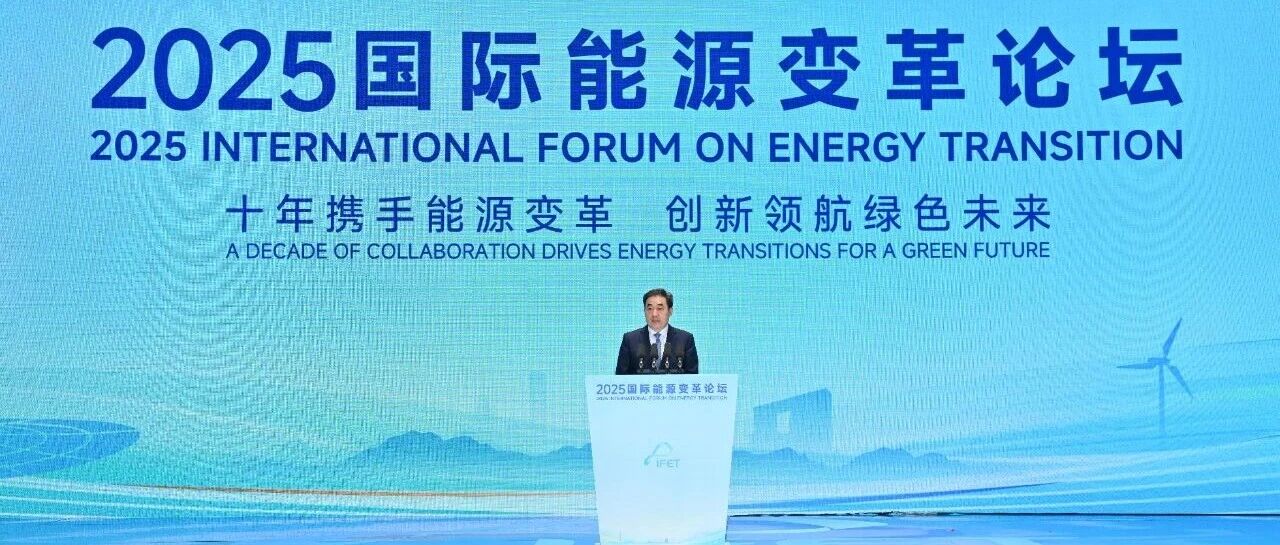
2025国际能源变革论坛在苏州成功召开
国家能源局· 2025-10-24 06:03
Core Viewpoint - The 2025 International Energy Transformation Forum emphasizes the importance of global cooperation in energy transformation and the need for innovative approaches to achieve a sustainable energy future [1][3]. Group 1: Achievements and Initiatives - The forum highlighted China's historical achievements in energy transformation over the past decade, guided by the "Four Revolutions and One Cooperation" strategy, which focuses on green development and the establishment of the world's largest and fastest-growing renewable energy system [3]. - A series of outcomes were released during the forum, including the "Global Energy Low Carbon Transformation Development 2030 Suzhou Vision" and the "Energy Transformation Index Blue Book 2025," which showcase China's advancements in energy transition and technology innovation [7]. Group 2: Participation and Collaboration - The forum attracted over 2,000 representatives from 36 countries and regions, including energy ministers, ambassadors, and leaders from international energy organizations, facilitating discussions on clean energy innovation and international cooperation [5]. - Participants recognized that global energy transformation is an inevitable trend and that accelerating green and low-carbon energy development presents a common opportunity for all nations [5]. Group 3: Future Directions - The forum aims to strengthen international cooperation to address climate change challenges and promote sustainable energy development, establishing a platform for flexible and mutually beneficial green energy cooperation [5]. - Various sub-forums and thematic activities were organized, focusing on renewable energy development and empowering youth and women in the energy sector, indicating a comprehensive approach to energy transformation [7].

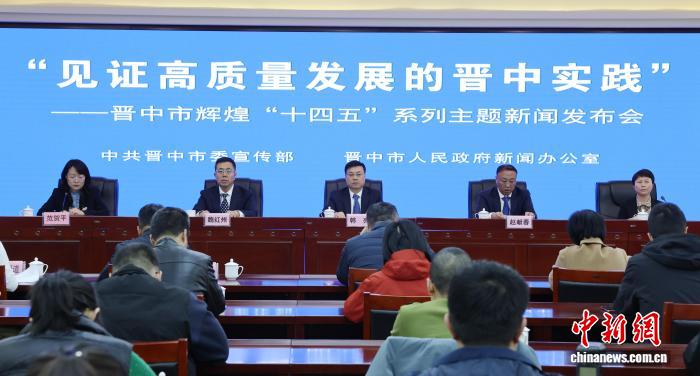
“十四五”山西晋中转型发展质效双提升 产业韧性与活力显著增强
Zhong Guo Xin Wen Wang· 2025-10-23 08:50
Core Viewpoint - During the "14th Five-Year Plan" period, Jinzhong City has achieved significant progress in transforming its economy, focusing on high-quality development through industrial structure optimization, traditional industry upgrades, new momentum cultivation, and energy reforms [1][3]. Industrial Structure Optimization - Jinzhong City aims to build a modern industrial system characterized by high-end, intelligent, and green development, with a focus on professional and integrated service industry expansion [3]. - By 2024, the contribution of the three major industries to the city's GDP is projected to be 6.3:42.8:51, with the industrial sector's share increasing by 2.3 percentage points compared to 2020 [3]. Traditional Industry Upgrades - The city is leveraging its resource endowments to accelerate the digital transformation of coal mining and eliminate outdated coking capacities, transitioning from traditional manufacturing to advanced intelligent manufacturing [3]. - By 2024, advanced capacities in coal and coking industries are expected to reach 98% and 100%, respectively [4]. - The annual growth rates for industries such as casting, steel, and glass have been 13.5%, 12.7%, and 8.5%, respectively, outpacing the average growth rate of regulated industries [4]. New Momentum Cultivation - Jinzhong City is fostering new production capacities in emerging industries such as new energy vehicles and new materials [4]. - A total of 244,000 new energy vehicles have been produced, accounting for 78.3% of the province's total, establishing the longest and most comprehensive industrial chain in the province [4]. - The new materials industry, primarily based on carbon materials, has seen an annual growth rate of 15.8%, becoming the largest and most robust strategic emerging industry in the city [4]. Energy Reform - The city is actively promoting a green and low-carbon energy transition, with rapid development in photovoltaic and wind energy sectors, and a burgeoning energy storage industry [4]. - By the end of 2024, the total installed capacity of renewable and clean energy is expected to reach 7.85 million kilowatts, making up 57% of the total installed capacity, an increase of 26.5 percentage points from the end of 2021 [4]. Overall Assessment - The "14th Five-Year Plan" period has seen simultaneous improvements in the quality and efficiency of Jinzhong City's transformation, significantly enhancing industrial resilience and vitality, laying a solid foundation for comprehensive high-quality development [4].
杭州微电网推广卡在哪?企业意愿不强
中关村储能产业技术联盟· 2025-10-23 07:23
Core Viewpoint - The construction of smart microgrids in Hangzhou faces challenges such as weak corporate willingness, a single profit model, an incomplete market mechanism, and significant safety risks [2][3][7]. Group 1: Current Status and Challenges - Hangzhou's power supply reliability exceeds 99.998%, ensuring sufficient electricity supply and quality, leading companies to prioritize economic returns when investing in photovoltaic and energy storage systems [2][7]. - The current microgrid users in Zhejiang primarily rely on photovoltaic "self-use and surplus electricity online" and energy storage "peak-valley price difference" to save energy costs [2][7]. - The existing market mechanism is not fully developed, with microgrid users mainly depending on limited profit models, and other services like frequency regulation and system backup are not included in market transactions [7][9]. Group 2: Supportive Policies and Technical Standards - National and provincial policies encourage the construction of smart microgrid projects, including the "Action Plan for Accelerating the Construction of a New Power System (2024-2027)" and local implementation opinions that provide financial incentives for photovoltaic projects [4][5]. - Since 2016, over twenty national standards related to microgrids have been released, with ongoing revisions and the establishment of a comprehensive standard system covering various aspects of microgrid development [5]. Group 3: Pilot Projects and Future Directions - Several pilot projects have been initiated in Hangzhou, including the West Lake Aerospace Zero Carbon Smart Energy Center and other integrated demonstration projects [6]. - Future work will focus on identifying key application scenarios, optimizing development strategies based on pilot project experiences, and enhancing policy coordination to support microgrid development [9][10].

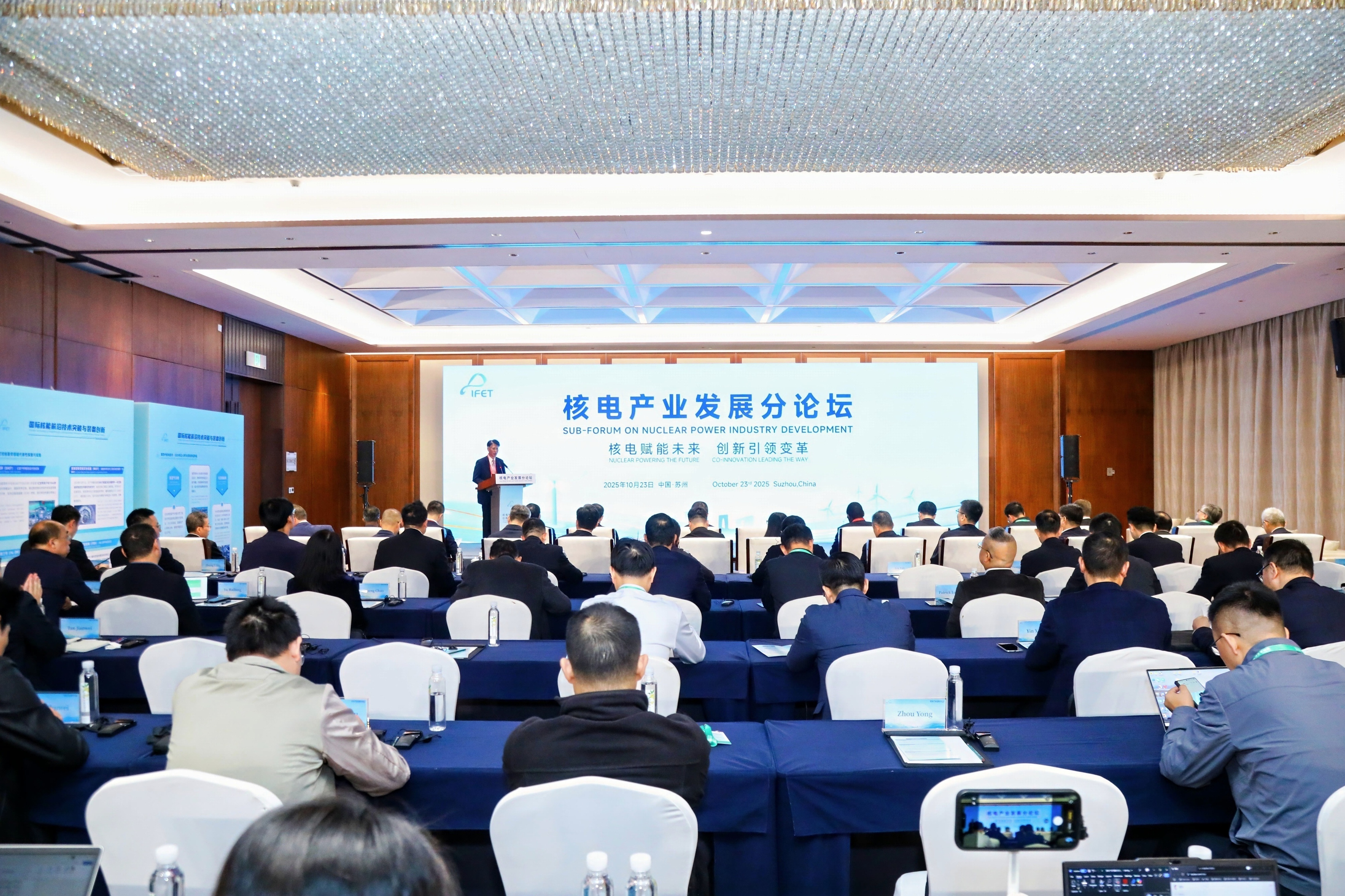
国家能源局:抓住机遇期,积极安全有序推进核电发展
Xin Hua Cai Jing· 2025-10-23 05:51
Core Viewpoint - The current period presents a significant opportunity for the development of nuclear power, emphasizing the need for safe and orderly advancement in the sector [1][5]. Group 1: Nuclear Power Development Strategy - The National Energy Administration aims to scientifically and reasonably determine the layout of nuclear power plants while maintaining a steady construction pace [1][5]. - There is a focus on accelerating the demonstration of advanced nuclear technologies and promoting the comprehensive utilization of nuclear energy [5][6]. - A development framework is proposed that includes "building a batch, reserving a batch, protecting a batch, and demonstrating a batch" [5]. Group 2: Technological Innovation and Safety - The global nuclear power sector is entering an active innovation era, with advancements in small reactors, fourth-generation reactors, and cutting-edge materials [5]. - Safety is highlighted as the lifeline of nuclear power development, with China maintaining a safety level that is on par with global standards [6]. - The country has 59 operational nuclear units with a total installed capacity of 62.48 million kilowatts and 53 units under construction with a capacity of 62.93 million kilowatts, making a total of 112 units and 125 million kilowatts, the largest scale globally [6]. Group 3: International Cooperation - China aims to enhance international collaboration in the nuclear sector, promoting a philosophy of equality, mutual benefit, and shared development [6].
【榆林】探索能源绿色低碳转型新路径
Shan Xi Ri Bao· 2025-10-19 22:53
Core Viewpoint - Yulin is a significant energy and chemical base in China, with a coal production of 620 million tons in the previous year, accounting for 13% of the national total. The region is focusing on the transformation of its energy industry towards green and low-carbon pathways, leveraging the establishment of a national-level energy revolution innovation demonstration zone to enhance its coal chemical industry chain [1]. Group 1: Energy Industry Transformation - Yulin is expanding its coal chemical industry chain from basic chemical raw material production to high-end chemical product manufacturing and new material research and development, achieving a comprehensive upgrade [1]. - The Yulin Economic Development Zone aims to create a modern coal chemical industry demonstration base, attracting multiple large-scale projects to promote high-end, diversified, and low-carbon development [2][4]. - The region has launched 144 projects with over 100 billion yuan in investments, establishing a modern coal chemical industry system that includes various specialized fuel and material chains [4][5]. Group 2: Technological Innovation and Research - The Yulin Clean Energy Innovation Research Institute serves as a collaborative platform to bridge the gap between industry needs and scientific research, enhancing the success rate of technology transfer [3]. - The institute has initiated 69 research projects, resulting in 14 technological achievements in fields such as hydrogen energy storage and clean production [5]. - Plans are in place to create a "results supermarket" to facilitate the connection between enterprise technology needs and scientific achievements, promoting technology transfer [6]. Group 3: Future Development Plans - During the 14th Five-Year Plan period, Yulin will focus on integrating major projects into national planning, including comprehensive coal utilization and high-end chemical projects [6]. - The region aims to couple modern coal chemical processes with green electricity and hydrogen, striving for breakthroughs in the industrialization of coal-based products [6]. - The Yulin Innovation Institute will foster a core technical workforce that understands both research and engineering practices, supporting Yulin's transition from a resource-exporting region to an innovation hub [6].
在海上追风是什么体验?工作人员带你探秘风机内部
Yang Shi Xin Wen· 2025-10-18 06:06
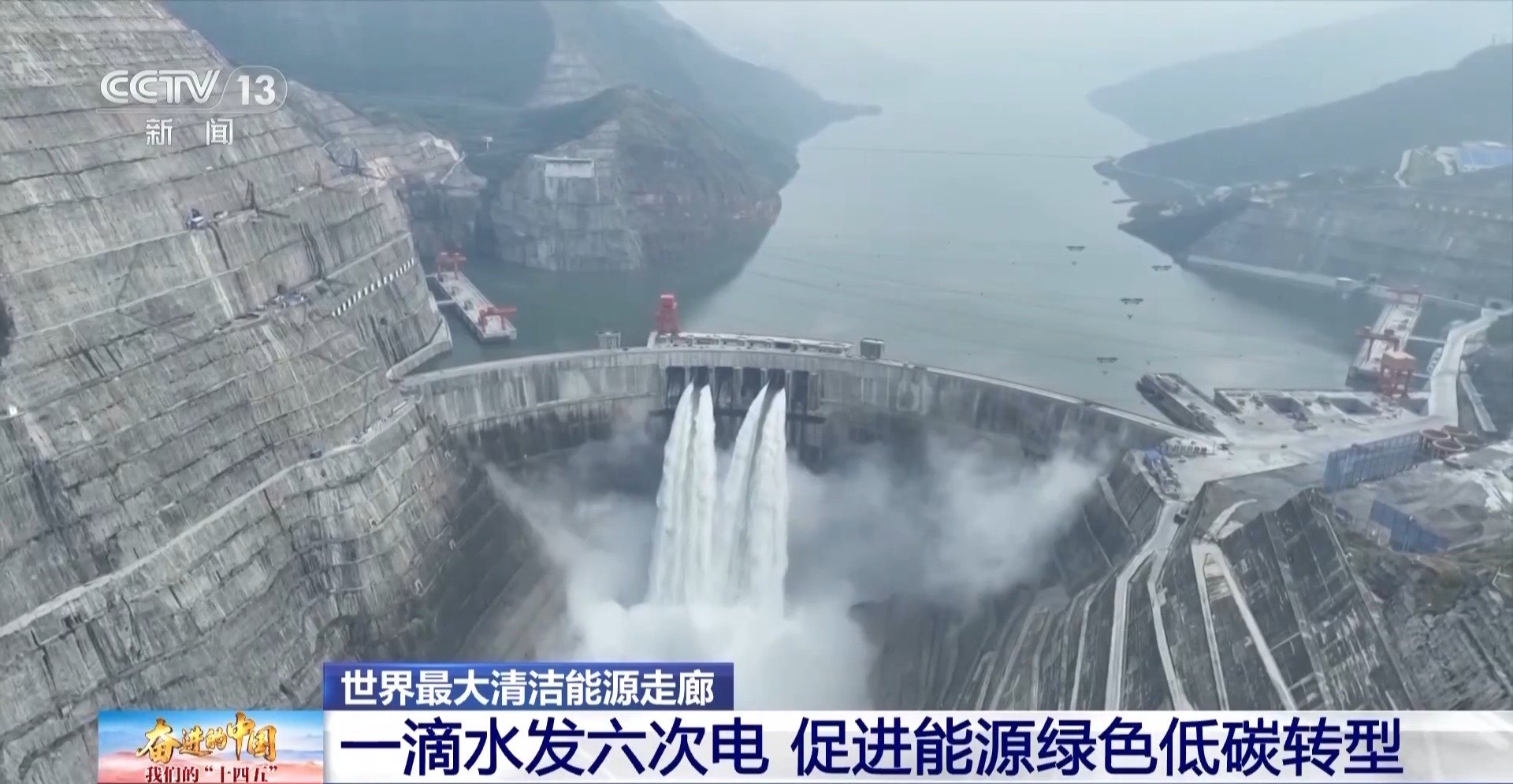
Group 1 - The Three Gorges Group announced that the world's largest clean energy corridor has generated over 4 trillion kilowatt-hours of electricity cumulatively, with 235.1 billion kilowatt-hours produced in the first three quarters of this year, enough to power the average household in China for approximately 62 days [1] - This clean energy corridor, completed during the 14th Five-Year Plan, consists of six large power stations: Wudongde, Baihetan, Xiluodu, Xiangjiaba, Three Gorges, and Gezhouba, spanning 1,800 kilometers with a total installed capacity of 71.695 million kilowatts and an average annual generation of about 300 billion kilowatt-hours [3] - The corridor plays a significant role in promoting national grid interconnection and ensuring energy security, showcasing the capability of generating six times the electricity from a single drop of water, contributing to the green and low-carbon energy transition [3] Group 2 - Offshore wind energy has emerged as a new engine for renewable energy development in China during the 14th Five-Year Plan, with the Energy Law promoting large-scale development and utilization of marine energy starting from January 1 this year [4] - Several clean energy bases have been established offshore, with marine energy being likened to "special forces" within the energy system, highlighting its importance in the transition to renewable energy [4] - The maintenance and inspection of offshore wind turbines involve complex tasks, including lubricating the pitch bearing located about 100 meters above sea level, which requires skilled personnel to navigate through tight spaces [6][10]
畅互济、促发展 各地电网升级进行时
Xin Hua Cai Jing· 2025-10-17 08:15
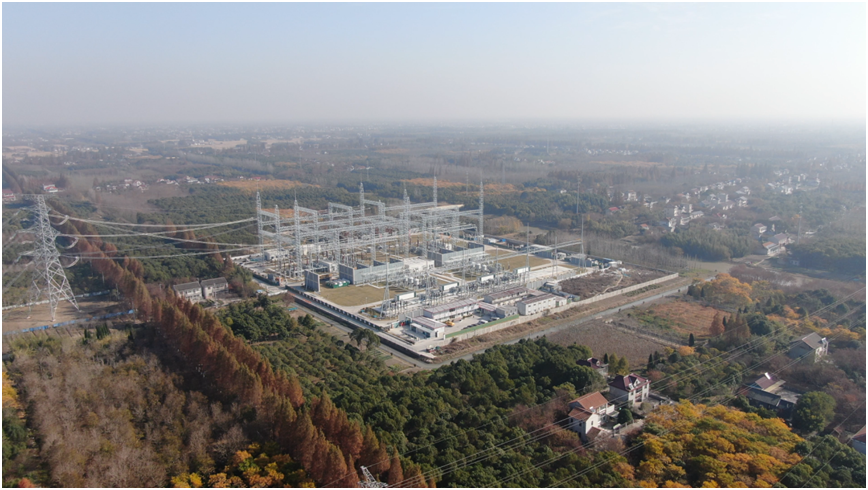
Core Insights - The development of China's power grid infrastructure is accelerating, enhancing reliability and supporting the transition to green energy [1][2][5] Group 1: Power Grid Optimization - The construction of the Haiyang West 1000 kV substation is a key project for the Yantai-Weihai 1000 kV UHV project, which aims to facilitate the export of clean energy from the Shandong region [2] - The Shanghai Chongming 500 kV transmission and transformation project will increase power exchange capacity between Shanghai and Jiangsu by 20%, adding 740,000 kW of supply capacity [2][4] Group 2: Supply Security Enhancements - The Hebei southern power grid relies on interprovincial power channels, with the newly operational Qingdong UHV DC channel supplying 1.14 billion kWh during peak summer demand [4] - The commissioning of the Shangqiu 500 kV power grid reinforcement project in Henan will enhance supply reliability and increase the power supply capacity by 1 million kW [5][7] Group 3: Rural Electrification Initiatives - In Lankao County, Henan, the company is promoting distribution network upgrades and electrification projects to support rural energy transformation [8]
在海上追风是什么体验? 风电场工作人员带你探秘风机内部
Yang Shi Xin Wen· 2025-10-17 05:10
Core Insights - The Three Gorges Group announced that the world's largest clean energy corridor has cumulatively generated over 4 trillion kilowatt-hours of electricity, with 235.1 billion kilowatt-hours produced in the first three quarters of this year, enough to power the average household in China for approximately 62 days [1][3] Group 1: Clean Energy Corridor - The clean energy corridor, completed during the 14th Five-Year Plan, consists of six large power stations: Wudongde, Baihetan, Xiluodu, Xiangjiaba, Three Gorges, and Gezhouba, spanning 1,800 kilometers with a total installed capacity of 71.695 million kilowatts [3] - The corridor has an average annual generation capacity of about 300 billion kilowatt-hours, playing a significant role in promoting national grid interconnection and ensuring energy security [3] Group 2: Marine Energy Development - Marine energy is recognized as an important green renewable energy source, with offshore wind power becoming a new engine for renewable energy development in China during the 14th Five-Year Plan [4] - The Energy Law, effective from January 1, emphasizes the promotion of large-scale development and utilization of marine energy [4] Group 3: Offshore Wind Power Operations - The operations at the offshore wind farms involve complex maintenance tasks, including lubrication of the pitch bearing located about 100 meters above sea level, requiring specialized access and safety measures [5][9] - Each wind turbine inspection involves checking over ten systems, including the main control system and hydraulic system, and can take six to seven hours to complete [11] - The intelligent control system of the wind turbines ensures operational safety by adjusting the blade angle during extreme weather conditions to prevent damage [15]
更多、更美、更环保……逐“绿”向未来 绿色已成为当代中国鲜明底色
Yang Shi Wang· 2025-10-17 04:50
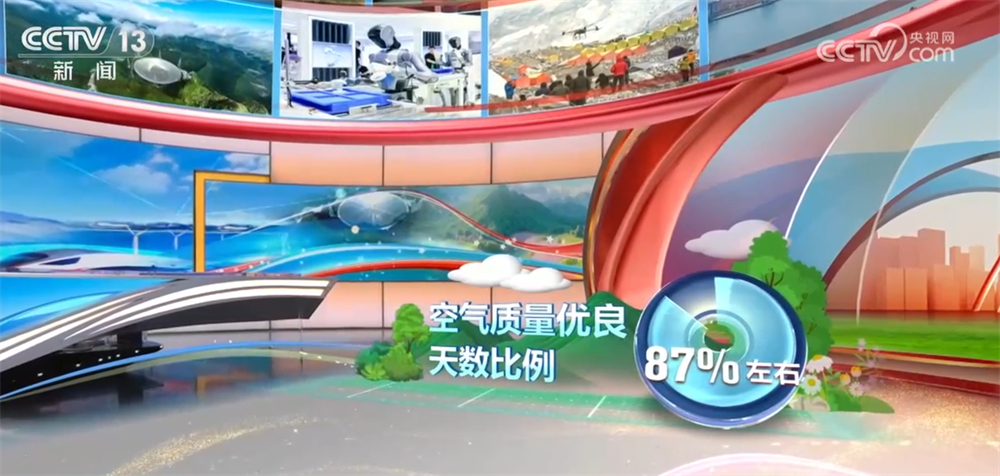
央视网消息:这五年,我国践行绿色发展理念,建成了全球最大清洁发电体系。从城市到乡村,蓝天更多了、风景更美了、生活更环保 了,绿色已经成为当代中国的鲜明底色。 这五年,"用能"更加清洁,新能源发电装机规模历史性超过煤电,建成了全球最大清洁发电体系,我们每用3度电就有1度是绿电。 世界最大清洁能源走廊累计发电量突破4万亿千瓦时 17日,三峡集团发布最新数据,世界最大清洁能源走廊多年累计发电量突破4万亿千瓦时。其中,今年前三季度,这条清洁能源走廊发电 量达2351亿千瓦时,能满足全国普通百姓约62天的用电量。 这五年,中国"增绿"全球最多,森林覆盖率提高到25%以上,贡献了全球新增绿化面积的四分之一。 这五年,"治污"成效显著,空气质量优良天数比例稳定在87%左右。长江、黄河两条"母亲河"干流全线达到二类水质标准。 这个世界最大的清洁能源走廊就是"十四五"期间建成的。这条清洁能源走廊由乌东德、白鹤滩、溪洛渡、向家坝、三峡和葛洲坝六座大型 电站构成,跨越1800公里,总装机容量达7169.5万千瓦,年均发电量约3000亿千瓦时,在推动全国电网互联互通、保障国家能源安全中发挥着 积极作用。充分彰显了"一滴水发六次电"的 ...
北京新能源汽车保有量达120万辆
Zhong Guo Xin Wen Wang· 2025-10-15 12:48
北京更加注重"增绿"。去年,全市可再生能源消费占比达17%,比2020年提高6.6个百分点;供热结构由 天然气为主向天然气与可再生能源多能耦合方向发展,可再生能源耦合供热面积已达1.34亿平方米,占 全市供热面积比重达到11%;全市外调绿电规模提升至350.4亿千瓦时,绿电占全社会用电量近三成。 北京始终坚持"节能"。北京万元(人民币,下同)地区生产总值能耗、碳排放保持全国省级地区最优水 平,其中万元地区生产总值能耗降至0.163吨标准煤,能源利用效率约为全国平均水平的三倍。 北京新能源汽车保有量达120万辆 中新社北京10月15日电(记者 徐婧)"十四五"期间,北京持续推动"净煤、减气、少油",全市能源清洁化 转型基本完成。截至目前,北京新能源汽车保有量达120万辆,达到"十三五"末期的近三倍。 北京市发展和改革委员会副主任来现余在15日举行的新闻发布会上介绍,"十四五"期间,北京把优化调 整能源结构、提高能效碳效水平作为关键路径,按照"节能、减气、少油、净煤、增绿"的总体思路,推 动能源绿色低碳转型,助力美丽北京建设。 编辑:熊思怡 广告等商务合作,请点击这里 本文为转载内容,授权事宜请联系原著作权人 中 ...