
西部陆海新通道

Search documents
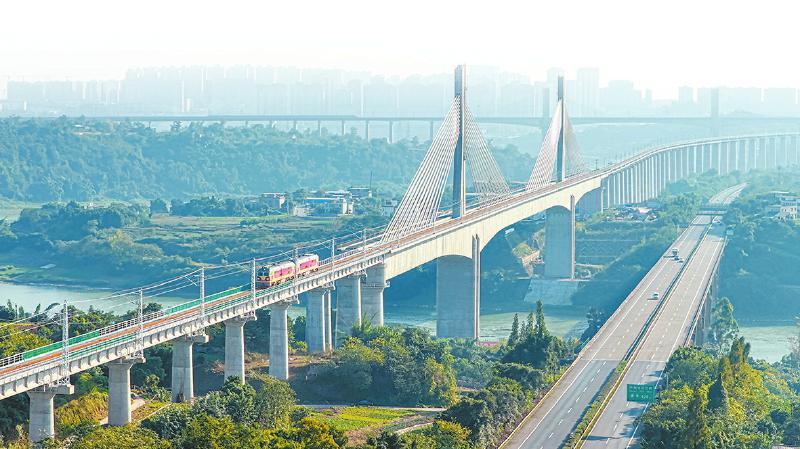
隆泸叙铁路通过初步验收 四川“最近出海通道”通车在即
Si Chuan Ri Bao· 2025-12-06 22:17
Core Viewpoint - The Long-Luzhou-Xuyong Railway is a crucial transportation link for Sichuan to the Beibu Gulf Economic Zone, significantly reducing transit time for goods from 7 days to 3 days via rail [2][6]. Group 1: Project Overview - The Long-Luzhou-Xuyong Railway has passed preliminary acceptance and is in the final stages before operation, serving as the nearest railway freight corridor from Sichuan to the Beibu Gulf Economic Zone [2]. - The railway is part of the Western Land-Sea New Corridor, which aims to enhance connectivity between Sichuan and the Beibu Gulf through a multi-modal transport system [3]. Group 2: Infrastructure and Efficiency Improvements - The new railway line reduces the distance from 161 kilometers to 138.6 kilometers by straightening the route, and increases the design speed from 80 km/h to 120 km/h [3]. - The project includes the construction of 89 bridges, 23 tunnels, and 11 stations, utilizing advanced mechanized construction techniques to enhance efficiency [4]. Group 3: Economic Impact and Logistics - The railway is expected to activate the logistics hub function of Luzhou Port, with an anticipated annual increase of over 15% in intermodal transport volume [6]. - A logistics park is being developed near the railway, targeting various goods with a projected throughput of 340 million tons in the near term and 756 million tons in the long term [6].

甘肃多举措稳外贸提质效
Jing Ji Ri Bao· 2025-12-06 03:46
Group 1 - The core viewpoint of the articles highlights Gansu's efforts to expand its agricultural products, particularly apples, into international markets, exemplified by the shipment of "Tianshui Huaniu" apples to Indonesia [1] - Gansu has implemented a comprehensive support mechanism for foreign trade enterprises, including 19 measures to stabilize and enhance development, along with detailed project implementation plans [1] - The province is actively participating in the construction of the "Belt and Road" initiative and the new western land-sea corridor, strengthening its strategic position in national westward opening [1] Group 2 - Gansu has established multiple international freight train routes covering over 20 countries and regions, including connections to Central Asia, South Asia, and various sea ports [1] - The province is promoting cross-border e-commerce by developing industrial parks in Lanzhou and Tianshui, facilitating the growth of the cross-border e-commerce industry [2] - In the first ten months of this year, Gansu's foreign trade showed steady growth, with a total import and export value of 54.48 billion yuan, a year-on-year increase of 16.1%, including exports of 13.87 billion yuan, up 39.4% [2]
创新工作机制 强化通道建设 甘肃多举措稳外贸提质效
Jing Ji Ri Bao· 2025-12-05 22:23
近日,一批贴有"天水花牛"标识的鲜苹果完成装柜,正式启程发往印度尼西亚勿拉湾港口。针对苹 果"保鲜期短、船期紧"的特点,天水海关专门组建服务专班,优化"属地查验—证书签发—口岸放行"全 流程。 助力农产品拓展国际市场,是甘肃推动外贸保稳提质的一个缩影。近年来,甘肃充分发挥外经 贸"1+5+N"工作机制效能,全面落实支持外经贸企业稳定发展的19项措施,并制定详细项目实施方案。 在通道建设上,甘肃积极融入高质量共建"一带一路"和西部陆海新通道建设,持续强化陆上、空中、网 上"三大通道"功能,不断巩固在国家向西开放布局中的战略通道地位。目前,甘肃已开通中欧、中亚、 南亚、陆海新通道、"中吉乌"中亚新通道及东部海港铁海联运等"四向多条"国际货运班列,线路覆盖20 多个国家和地区。 在"引进来"与"走出去"双向发力方面,甘肃省商务厅组织召开全省海外协同招商工作座谈会,建立海外 招商协同联动机制。陆海新通道运营甘肃有限公司积极对接东盟企业,推动东南亚的火龙果、青柚、榴 莲等水果以公铁联运方式运抵兰州。 此外,甘肃积极推进兰州、天水跨境电商综试区建设,两地分别建成七里河跨境电商产业园和天水跨境 电商产业园,促进跨境电商产业 ...
贵州“市市通高铁”,到底有多重要?
3 6 Ke· 2025-12-04 02:52
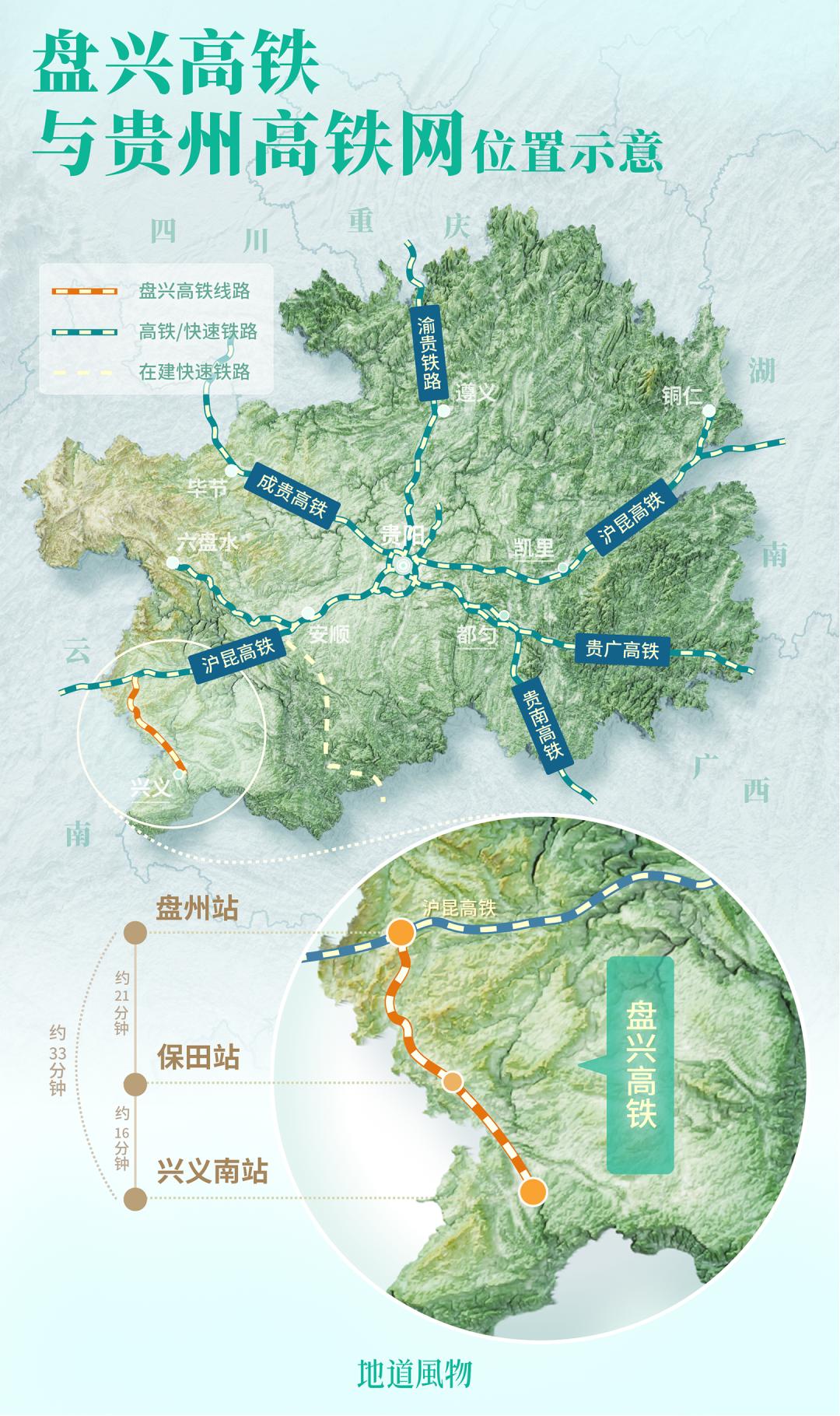
在贵州西南区域,继花江峡谷大桥之后又一重大工程通车,这就是盘兴高铁。这条高铁连接六盘水市盘州市与黔西南布依族苗族自治州(下称黔西南)首 府兴义市,正线全长约99公里,设计时速250公里。通过这条高铁,贵阳至兴义的通行时间由过去的高速公路四个多小时缩短到现在的两小时以内,早上 在省会贵阳来一碗肠旺面,中午就可以到万峰林享受如今还暖意满满的贵州秋天。 盘兴高铁与贵州高铁网位置示意。 制图/夜鸣蝉 从"西南屏障"到"西南枢纽" 贵州"市市通高铁"带来了什么? 盘兴高铁的建成,首先便是打通了黔西南在贵州高铁网络的"最后一公里"。 它的桥隧比近91%,创下贵州高铁建设之最。是贵州人穿山打洞的最新基建奇迹,让贵州成为西南地区首个实现市州中心城市高铁全覆盖的省份,放眼全 国,这一进度甚至快于山东、浙江、四川等经济大省! 它,是探访贵州西部的一条"黄金之路",让铁路两端的盘州、兴义两座宝藏小城彰显世间,更将六盘水、黔西南等贵州西部地区的文旅资源通盘整合,形 成一条"黄金旅游带",让贵州西部各县市经济联系空前紧密。 它,更是贵州作为西南陆路交通枢纽的一次突破。盘兴高铁北接中国铁路网络的东西大动脉沪昆高铁,南连兴义这处贵州、云南 ...
北部湾港集团:构建多元协同格局 打造“北港样本”
Zhong Zheng Wang· 2025-12-03 10:52
北部湾港集团表示,集团作为广西实施国家重大战略的平台,是广西落实共建"一带一路"倡议的践行 者,是推进西部陆海新通道、北部湾国际门户港和国际枢纽海港、西江黄金水道建设的主力军,打 造"向海经济"的排头兵,同时抢抓关键金属产业及环保产业高质量发展机遇,利用资本市场精准赋能, 为积极践行国家战略、提升综合实力提供关键支撑。北部湾港集团自2013年完成北部湾港三港整体上市 以来,在资本市场开展了数轮运作,重组上市及募资总额达206.8亿元,其中超70%用于西部陆海新通 道港口基础设施建设、自动化码头升级、海铁联运网络拓展、有色金属核心矿产项目开发等国家战略相 关项目。北部湾港股份、华锡有色、博世科三大上市公司,在资本运作的助力下形成"港口枢纽筑基、 战略资源赋能、环保科技护航"的多元化协同格局,成为中国国企服务国家战略的"北港样本"。 据介绍,作为北部湾港集团核心上市平台,北部湾港股份是资本运作与实体经营深度融合的标杆。北部 湾港集团2013年将51.82亿元资产注入旗下北部湾港股份,实现重组上市,并于2015年完成27亿元定增 募资,2018年注入16.85亿元资产并配套融资16.47亿元,2021年发行30亿元 ...


超500万标箱!西部陆海新通道班列向上向好之“势”从何而来
Xin Hua Wang· 2025-12-03 01:01
Core Insights - The Western Land-Sea New Corridor has achieved significant milestones, with over 5 million TEUs shipped since its inception in 2017, and over 1.3 million TEUs shipped this year alone, indicating a rapid increase in shipping volume and operational efficiency [1][2]. Group 1: Strategic Importance - The corridor connects the Silk Road Economic Belt and the 21st Century Maritime Silk Road, playing a crucial role in regional economic development. Since its elevation to a national strategy in August 2019, the corridor has transformed from a logistics artery to an economic corridor [2]. - The average annual growth rate of imports and exports through the corridor has reached 16.9% since 2019, showcasing its effectiveness in enhancing trade among the provinces along the route [2]. Group 2: Infrastructure Development - Continuous investment in infrastructure has been pivotal for the corridor's growth, with improvements in rail networks, port expansions, and the establishment of digital platforms enhancing logistics capabilities [3]. - The number of scheduled train routes has increased from 2 in 2019 to 26 by 2025, linking major southwestern cities with key ports, thereby improving connectivity and operational efficiency [2][3]. Group 3: Economic Impact - The corridor has facilitated the export of various regional products, including electronics and agricultural goods, significantly benefiting local economies [3]. - Trade between China and ASEAN has been on the rise, with China maintaining its position as ASEAN's largest trading partner for 16 consecutive years, further driving the corridor's growth [3][4]. Group 4: Future Prospects - The corridor is expected to continue accumulating momentum, with plans to enhance its role in industrial development and cross-regional economic integration [5][6]. - In the first three quarters of this year, the western region's imports and exports through the corridor reached 611.5 billion yuan, a 19.3% increase, contributing to a 3.4 percentage point rise in the region's foreign trade [6].
向质而行 聚势共赢 北部湾港集团引领旗下上市公司绘就高质量发展新蓝图
Zheng Quan Ri Bao Zhi Sheng· 2025-12-02 13:40
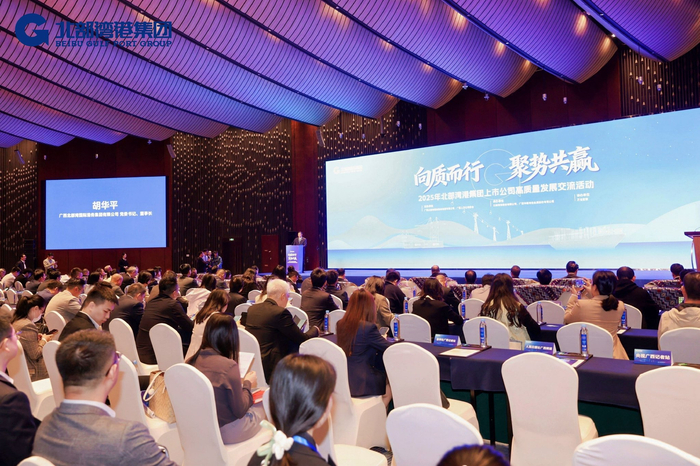
Core Insights - The event "Towards Quality and Win-Win Cooperation" focused on the high-quality development of listed companies under the Beibu Gulf Port Group, emphasizing the importance of policy support and corporate responsibility in driving growth [1][2]. Group 1: Company Development and Achievements - Beibu Gulf Port Group has raised a total of 20.68 billion yuan since its overall listing in 2013, with over 70% allocated to national strategic projects such as the infrastructure of the Western Land-Sea New Corridor [3]. - The group has established a collaborative framework among its three major listed companies: Beibu Gulf Port Co., Ltd., Guangxi Huaxi Nonferrous Metals Co., Ltd., and Guangxi Bosch Environmental Technology Co., Ltd. [3]. - Beibu Gulf Port Co., Ltd. has achieved significant operational milestones, including a capacity increase from 291 million tons in 2017 to 450 million tons, and a rise in container shipping routes to 98, ranking 9th and 8th nationally in cargo and container throughput respectively by 2024 [3][4]. Group 2: Strategic Initiatives and Future Plans - The group is actively pursuing the integration of environmental technology and resource management, with plans to enhance its core functions and competitiveness while attracting quality investments to Guangxi [5]. - Guangxi Huaxi Nonferrous Metals Co., Ltd. has become the only state-owned listed platform for nonferrous metals in Guangxi, with significant increases in resource reserves and a notable rise in new material sales revenue by 86.84% in the first half of 2025 [4]. - The group aims to support the regional "dual carbon" goals through the return of Bosch Environmental Technology to Guangxi, enhancing the environmental technology sector's development [4][5].
平陆运河土石方开挖量突破3亿立方米
Xin Hua She· 2025-12-02 13:34
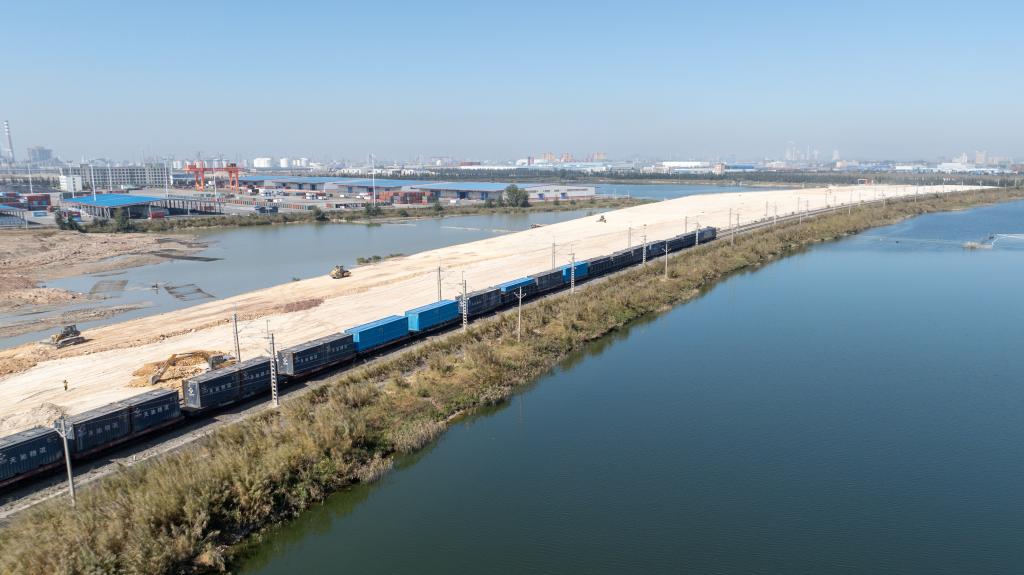
新华社音视频部制作 记者:赵欢 记者近日从平陆运河集团获悉,开工建设三年多来,西部陆海新通道骨干工程——平陆运河土石方开挖 量突破3亿立方米,所涉土石方基本实现合理消纳与综合利用,广泛用于工程回填、园区建设、抬填造 地、矿坑修复和复垦造地等领域,有效提升资源利用效率。 ...
新闻分析:超500万标箱!西部陆海新通道班列向上向好之“势”从何而来
Xin Hua Wang· 2025-12-02 13:21
Core Viewpoint - The Western Land-Sea New Corridor has achieved significant milestones, with over 5 million TEUs shipped since its inception in 2017, reflecting strong growth momentum and development vitality [1][3]. Group 1: Development and Growth - The corridor has seen a rapid increase in shipping volume, with the time taken to reach each million TEUs decreasing significantly, from over 4 years for the first million to just 240 days for the fifth million [1]. - The average annual growth rate of import and export volume along the corridor has reached 16.9% since 2019 [3]. - In 2023, the corridor has shipped over 130,000 TEUs, with a notable increase in both inbound and outbound shipments, each exceeding a 50% year-on-year growth [8]. Group 2: Infrastructure and Connectivity - The number of scheduled train routes has expanded from 2 in 2019 to 26 by 2025, enhancing connectivity between southwestern cities and various ports [4]. - Continuous investment in infrastructure, including the expansion of ports and the development of multimodal transport networks, has significantly improved logistics capabilities [4][6]. - The establishment of an integrated rail-sea transport operation platform has enhanced real-time resource sharing between ports and rail systems, improving logistics efficiency [8]. Group 3: Economic Impact and Trade Relations - The corridor plays a crucial role in facilitating trade between China and ASEAN, with China maintaining its position as ASEAN's largest trading partner for 16 consecutive years [5]. - The economic growth in the western region and the deepening trade relations with ASEAN are fundamental drivers for the corridor's transition from growth to strong growth [5]. - The total import and export volume through the corridor reached 611.5 billion yuan in the first three quarters of the year, marking a 19.3% increase and contributing 3.4 percentage points to the western region's foreign trade growth [8]. Group 4: Future Prospects - The corridor is expected to further enhance its role in empowering industrial development, aiming to become a cross-regional domestic and international economic corridor [9].
三大上市平台协同发力 北部湾港集团锚定国家战略谋发展
Zheng Quan Shi Bao Wang· 2025-12-02 10:32
12月2日,"向质而行 聚势共赢"2025年北部湾港集团上市公司高质量发展交流活动在南宁举行。本活动 由广西北部湾国际港务集团有限公司(简称"北部湾港集团")与广西上市公司协会联合主办,北部湾港 股份有限公司(简称"北部湾港股份")、广西华锡有色金属股份有限公司(简称"华锡有色")承办,共 同探讨国企背景下上市公司高质量发展的路径与未来。 据了解,北部湾港集团作为广西实施国家重大战略的平台,是广西实施"一带一路"倡议的践行者,推进 西部陆海新通道、北部湾国际门户港和国际枢纽海港、西江黄金水道建设的主力军。北部湾港集团自 2013年完成北部湾港三港整体上市以来,在资本市场开展了数轮运作,重组上市及募资总额达206.8亿 元,其中超70%用于西部陆海新通道港口基础设施建设、自动化码头升级、海铁联运网络拓展、有色金 属核心矿产项目开发等国家战略相关项目。北部湾港股份(000582)、华锡有色(600301)、博世科(300422) 三大上市公司,在资本运作的助力下形成"港口枢纽筑基、战略资源赋能、环保科技护航"的多元化协同 格局,成为中国国企服务国家战略的"北港样本"。 作为北部湾港集团核心上市平台,北部湾港股份是 ...
