铝代铜

Search documents
董明珠回应格力拒用铝代铜,称铝技术未达同等保障
Xin Lang Cai Jing· 2025-12-15 08:23
Group 1 - The core viewpoint of the article is that Dong Mingzhu, the chairwoman of Gree Electric Appliances, insists on not using aluminum as a substitute for copper due to the current technological limitations of aluminum compared to copper [2] Group 2 - Dong Mingzhu emphasizes that aluminum has not yet reached the same technical conditions and guarantees as copper, which is crucial for the quality and reliability of Gree's products [2]
空调行业“铝代铜”问题再引关注,格力董明珠最新回应
Xin Lang Cai Jing· 2025-12-15 08:17
Group 1 - Gree Electric's Chairman Dong Mingzhu reiterated the company's stance against using aluminum instead of copper in air conditioning, citing that aluminum has not yet reached the same technical standards and reliability as copper [1][2] - The company acknowledges the rising copper prices and the potential cost benefits of using aluminum, which is significantly cheaper, but emphasizes that the performance and reliability of aluminum have not been sufficiently proven [1][2] - Gree Electric has stated that copper constitutes about 20% of the cost of air conditioners, and while aluminum costs about one-tenth of copper, its physical properties such as thermal conductivity and corrosion resistance are inferior [1][2] Group 2 - China is the largest producer and consumer of air conditioners globally, but it relies on imports for about 80% of its copper, while it produces 60% of the world's electrolytic aluminum, indicating a stronger control over raw material supply [2] - The air conditioning industry is accelerating the development of standards for aluminum use, but there are significant technical challenges, particularly in compensating for aluminum's performance shortcomings compared to copper [2] - A group of leading air conditioning companies, including Haier, Midea, and TCL, has committed to a self-regulatory agreement regarding the use of aluminum heat exchangers, although Gree Electric did not participate in this initiative [3]

小米、美的等空调开启“铝代铜”?但格力不参与,董明珠反对?
Sou Hu Cai Jing· 2025-12-15 05:47
Core Insights - The air conditioning industry is undergoing a significant transformation with major brands like Haier, Midea, Hisense, TCL, Aux, and Xiaomi establishing a standard for replacing copper with aluminum in core components [1][5]. Industry Overview - Traditionally, copper has been the primary metal used in air conditioning systems due to its excellent thermal conductivity and corrosion resistance [3]. - The rising copper prices, which have increased by 35% this year and surpassed $12,000 per ton, pose a significant cost pressure on the air conditioning industry, especially since 80% of the copper used in China is imported [5]. Cost and Supply Chain Implications - The shift to aluminum is seen as a strategy to reduce costs and mitigate supply chain risks associated with heavy reliance on imported copper [5][7]. - Aluminum is significantly cheaper than copper, and China produces 60% of the world's electrolytic aluminum, ensuring a stable supply [7]. Competitive Landscape - Notably, Gree, a major player in the air conditioning market, has opted not to participate in the aluminum standard due to concerns about the durability and stability of aluminum compared to copper [7]. - This decision raises questions about consumer preferences, as brands using aluminum may offer lower prices while Gree maintains higher prices with copper, potentially affecting market dynamics [9].


小米等19家巨头铝代铜被指合谋减配!董明珠放话:坚决不用……
Sou Hu Cai Jing· 2025-12-15 03:01
Core Viewpoint - The air conditioning industry has reached a rare consensus on the "aluminum instead of copper" self-discipline convention, with 19 companies including Haier, Midea, Hisense, and Xiaomi participating in promoting this technological transformation [1][3]. Group 1: Industry Consensus and Reactions - The self-discipline convention emphasizes the prohibition of malicious attacks and encourages scientific promotion of aluminum heat exchanger air conditioners [3]. - Gree, although involved in the revision of national standards for aluminum instead of copper, did not join the self-discipline convention, stating that it currently has no plans to adopt aluminum due to concerns over performance and reliability [3][4]. - Gree's Vice President previously indicated that the company would not pursue aluminum until performance and quality could be guaranteed [4]. Group 2: Technical and Economic Considerations - The technical feasibility of aluminum replacing copper has significantly improved through structural optimization and process improvements, despite aluminum's thermal conductivity being only 60% that of copper [6]. - The cost advantage of aluminum is substantial, with copper prices reaching 92,000 yuan per ton compared to aluminum at 22,000 yuan per ton, making aluminum four times cheaper [7][8]. - The use of aluminum could reduce the cost of materials for a single air conditioner from approximately 600 yuan (copper) to 140 yuan (aluminum), potentially enhancing price competitiveness for manufacturers [8]. Group 3: Environmental and Strategic Implications - The shift towards aluminum is supported by national strategies, as the Ministry of Industry and Information Technology has expressed support for aluminum instead of copper, aligning with resource security and carbon reduction goals [7]. - Aluminum's production has a lower carbon footprint, with a 50% reduction in direct carbon emissions and a recycling rate of over 95% [6][7]. - The air conditioning industry consumed 1.723 million tons of copper in 2023, accounting for 10.7% of the national copper consumption, highlighting the industry's reliance on imported copper resources [7].
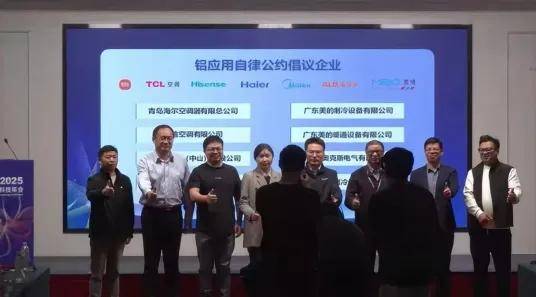
董明珠回应空调“铝代铜”:仍未达同等技术保障,正研究相关技术
Sou Hu Cai Jing· 2025-12-14 14:17
Group 1 - Major companies including Haier, Midea, and Xiaomi have committed to the self-discipline convention of the "Aluminum Replacement for Copper" technology in the air conditioning industry, aiming to drive breakthroughs and high-quality development in this area [1] - Dong Mingzhu, in response to the "aluminum replacement for copper" issue, stated that while aluminum can potentially replace copper, it has not yet reached the same technical standards and guarantees as copper, hence the company will continue to research until aluminum can fully replace copper [1] - Gree has indicated that it currently has no plans to adopt "aluminum replacement for copper," citing copper's advantages in thermal conductivity, corrosion resistance, and long-term reliability, and will not proceed until there is 100% confidence in the replacement [3] Group 2 - At the 2025 China Home Appliance Technology Annual Conference, the China Refrigeration Society released the group standard for the construction specifications of aluminum tube fin heat exchanger production lines for room air conditioners, with additional standards for aluminum heat exchanger raw material technology currently being developed [5] - The Ministry of Industry and Information Technology and nine other departments jointly issued the "Implementation Plan for High-Quality Development of the Aluminum Industry (2025-2027)" in March 2025, which emphasizes "using aluminum to save copper" as a key direction for expanding aluminum consumption and promoting its large-scale application in sectors like electricity and home appliances [5]
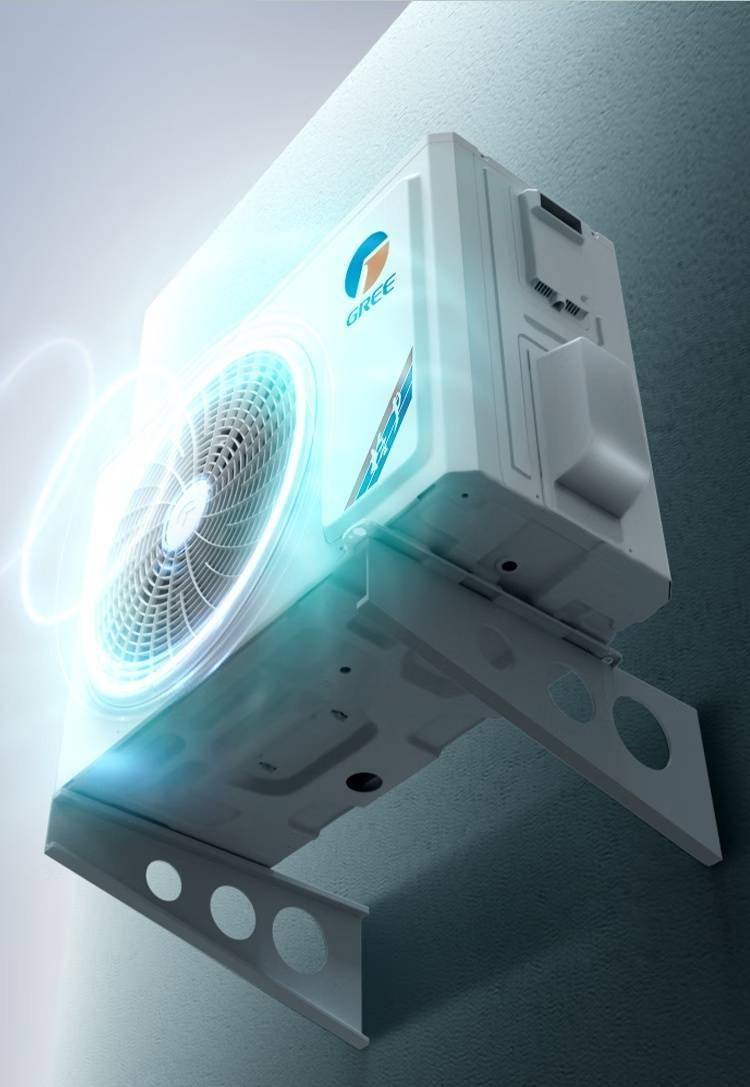
董明珠独家回应空调“铝代铜”问题:还没有达到铜的同等技术保障,已研究相关技术
Xin Lang Cai Jing· 2025-12-14 14:01
Core Viewpoint - The air conditioning industry is exploring the potential of aluminum as a substitute for copper, but leading companies like Gree emphasize that aluminum has not yet met the technical standards and reliability of copper [1][2]. Group 1: Industry Position on Aluminum Substitution - Gree's CEO, Dong Mingzhu, stated that while aluminum can potentially replace copper, the technology has not yet reached the necessary standards for safety and performance [1][2]. - Gree has no current plans to adopt aluminum in their products, citing copper's superior thermal conductivity, corrosion resistance, and long-term reliability [1][2]. Group 2: Industry Collaboration - Recently, companies such as Haier, Midea, and Xiaomi have united to adhere to the self-regulatory agreement of the "Air Conditioning Aluminum Reinforcement Application Research Working Group," aiming to enhance the industry's overall image and competitiveness [1][2]. - This collaboration is intended to drive breakthroughs in aluminum substitution technology and promote high-quality development within the air conditioning sector [1][2].
科技周报|京东提供15万套小哥之家;国补政策持续
Di Yi Cai Jing· 2025-12-14 02:11
Group 1: JD's Housing Initiative - JD announced the provision of 15,000 "Little Brother Homes" for delivery personnel over the next five years, investing 22 billion yuan through various support methods [1] - The initiative aims to improve living conditions for delivery workers, which is crucial for maintaining service quality and market competitiveness [1] - This move reflects a strategic choice to stabilize core human resources and enhance fulfillment capabilities amid intense competition [1] Group 2: National Subsidy Policy - The Central Economic Work Conference confirmed the continuation of national subsidies next year, focusing on optimizing the "two new" policies [2] - There is a call for improved subsidy application processes to alleviate the financial burden on offline retailers [2] - Suggestions include allowing consumers to claim subsidies directly through government platforms to streamline the process [2] Group 3: Air Conditioning Industry Standards - Major air conditioning companies are pushing for the implementation of "aluminum instead of copper" standards due to rising copper prices [3] - New group standards for aluminum heat exchangers have been published, with additional standards in development [3] - The initiative aims to enhance consumer trust and address technical challenges related to aluminum heat exchangers [3] Group 4: SpaceX IPO Confirmation - Elon Musk indirectly confirmed SpaceX's plans for an IPO next year, citing the need for funding to support rising AI-related expenses [4] - SpaceX's projected revenue for next year is between 22 billion to 24 billion USD, indicating strong financial performance [4] - The IPO could invigorate the global aerospace industry's capital narrative and set a precedent for other high-investment tech companies [4] Group 5: Xiaohongshu's "Little Red Card" Suspension - Xiaohongshu announced the suspension of its "Little Red Card" service starting January 1, 2026, due to insufficient user satisfaction [6] - The service, launched in September, faced challenges in competing with established players in the local lifestyle market [6] - Users will receive full refunds without needing to take any action, reflecting the company's commitment to customer service [6] Group 6: Cloud Deep Technology Financing - Cloud Deep Technology completed over 500 million yuan in C-round financing, with participation from various financial institutions and strategic investors [7] - The funding indicates a shift in the robotics industry from exploration to practical application [7] - The involvement of industry capital may support Cloud Deep's future market strategies and capital movements [7] Group 7: Successful Launch of CubeSat by Sun Yat-sen University - A student team from Sun Yat-sen University successfully launched the "Yixian-A" CubeSat, marking a significant achievement in satellite technology [8] - The satellite will conduct various scientific experiments and technology validations during its six-month mission [8] - This project highlights the university's contributions to new engineering education and talent development [8] Group 8: Whirlpool's Acquisition of Galanz Washing Machine Assets - Whirlpool announced plans to acquire washing machine assets from its controlling shareholder Galanz for 74.6193 million yuan [9] - The acquisition aims to resolve competition issues between Whirlpool and Galanz in the washing machine sector [9] - Galanz's washing machine products have a production capacity of 2 million units annually and are sold in over 200 countries [9]


董明珠:铝代铜我们坚决不敢用,铝可以替代铜,但是不敢保证替代它的质量
Xin Lang Cai Jing· 2025-12-13 15:24
Core Viewpoint - The company, Gree Electric Appliances, led by Dong Mingzhu, expresses caution regarding the use of aluminum as a substitute for copper in their products, emphasizing concerns about the quality of aluminum replacements [3] Group 1 - Gree Electric Appliances firmly states that while aluminum can replace copper, they are not confident in guaranteeing the quality of aluminum as a substitute [3]
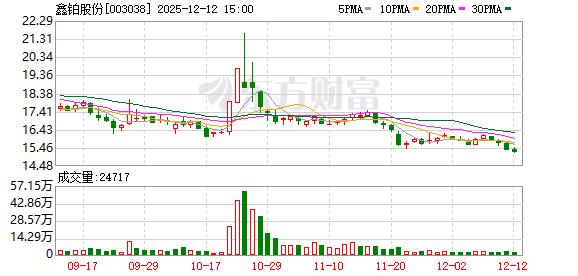
鑫铂股份:铝代铜主要应用在家用空调和电力输配电等行业,公司正在积极布局铝代铜方向的产品
Mei Ri Jing Ji Xin Wen· 2025-12-12 13:35
Group 1 - The company is actively developing products related to aluminum replacing copper, primarily for applications in household air conditioning and power transmission and distribution industries [2] - The company responded to an investor inquiry regarding potential collaborations with home appliance companies for aluminum-copper replacement projects [2]

买空调要趁早? 小米、格力未来都要铝代铜
Xin Lang Cai Jing· 2025-12-12 04:11
Core Viewpoint - The air conditioning industry is moving towards the use of aluminum alloy heat exchangers instead of copper due to rising copper prices and the high dependency on copper imports in China [1][3]. Group 1: Industry Trends - The 2025 China Home Appliance Technology Conference saw major companies like Gree, Xiaomi, and others announce the "Production Line Construction Specifications for Aluminum Tube Fin Heat Exchangers for Room Air Conditioners" [2][3]. - The air conditioning sector consumed approximately 1.723 million tons of copper in 2023, accounting for 10.7% of China's total copper consumption [3]. Group 2: Collaborative Efforts - A collaborative effort involving major air conditioning companies and academic institutions has led to the establishment of standards for aluminum heat exchangers, with further discussions planned for January [2][3]. - Companies including Xiaomi, Haier, and Midea have signed a self-regulatory agreement to promote aluminum heat exchangers and avoid negative competition among peers [4]. Group 3: Market Implications - The shift to aluminum heat exchangers is expected to lower air conditioning prices in the future, although copper heat exchangers may still be marketed as a premium option [4].