公司治理

Search documents
605255,连续跌停又涨停,火速被上交所问询
Zheng Quan Shi Bao· 2026-01-14 23:20
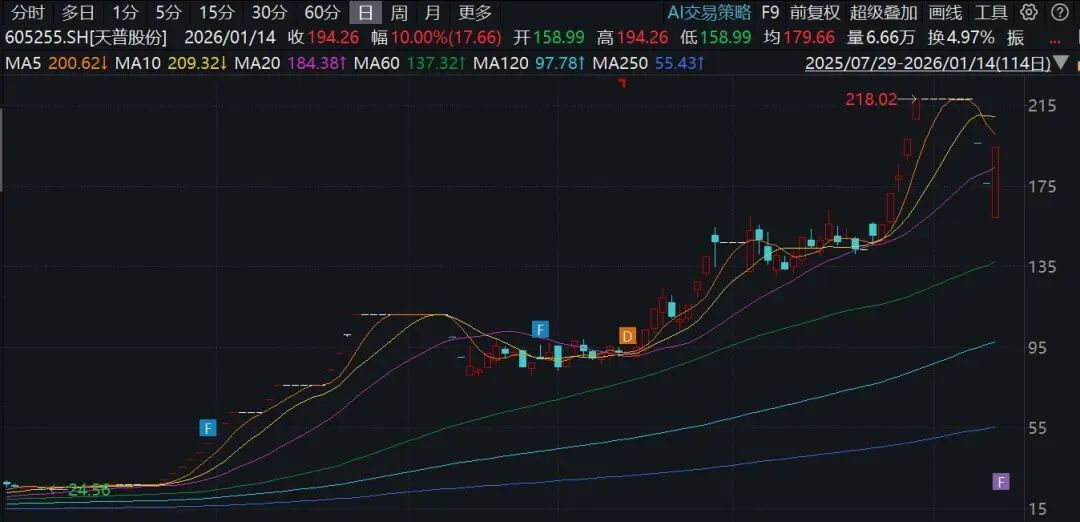
换届选举刚完成,天普股份(605255)收问询函。 停牌核查复牌后连续两个跌停的天普股份,1月14日再度涨停。 1月14日晚间,天普股份公告,公司召开2026年第一次临时股东会,通过累积投票方式选举产生了公司第四届董事会。同日,公司召开第四届董事会第一 次会议,选举产生了董事长并聘任新一届高级管理人员及证券事务代表,公司换届选举已完成。 根据公告,天普股份的收购方中昊芯英(杭州)科技有限公司(以下简称"中昊芯英")相关人员当选公司董事、高级管理人员。其中,杨龚轶凡当选为公 司董事长,李琛龄、康啸当选为公司董事,陈捷闻被聘任为公司副总经理及财务总监、康啸被聘任为公司董事会秘书。而天普股份原高管大多不再担任相 应职务。 同在1月14日晚,天普股份公告,公司收到上交所问询函。上交所在问询函中关注了多方面的问题。 上交所要求相关方充分说明此次换届涉及人员安排的主要考虑,对上市公司原有业务的经营管理规划,相关人员是否具备任职能力;相关安排是否有利于 上市公司主营业务发展;相关方对上市公司主营业务的计划是否已发生重大变化。 此外,此前天普股份多次公告,中昊芯英已启动独立自主的IPO相关工作,中昊芯英自身现有资本证券化路径 ...


尾盘涨停!天普股份发公告被火速问询
Zhong Guo Ji Jin Bao· 2026-01-14 21:37
Core Viewpoint - Tianpu Co., Ltd. has completed its board of directors' re-election and the appointment of related executives, raising concerns from the Shanghai Stock Exchange regarding the qualifications of the newly appointed personnel and their potential impact on the company's operations and independence [2][4]. Group 1: Board and Executive Changes - Tianpu Co., Ltd. announced the election of Yang Gongyifan as chairman, with Li Chenling and Kang Xiao as directors, and Chen Jiewen appointed as deputy general manager and CFO [7]. - The newly appointed executives, except for the general manager Fan Jianhai, lack relevant experience in Tianpu's original automotive parts business [7]. - The company primarily engages in the R&D, production, and sales of polymer materials for automotive fluid systems and sealing components [7]. Group 2: Concerns from the Shanghai Stock Exchange - The Shanghai Stock Exchange has requested clarification on the considerations behind the appointments and whether the new personnel possess the necessary qualifications [4][10]. - The exchange is particularly interested in how these changes may affect Tianpu's main business and whether they align with the company's interests [7][10]. - There are concerns regarding the independence of the company, as some executives previously held significant positions at Zhonghao Xinying, which holds a 10.75% stake in Tianpu [8][9]. Group 3: Stock Performance and Regulatory Scrutiny - As of January 14, Tianpu's stock price closed at 194.26 yuan per share, reflecting a 10% increase, with a total market capitalization of 26.05 billion yuan [5][11]. - The company has faced stock trading volatility, including consecutive trading halts, and has received a notice from the China Securities Regulatory Commission regarding potential omissions in disclosures [11]. - The Shanghai Stock Exchange has emphasized the need for Tianpu to address any issues related to the qualifications of its directors and executives in light of the ongoing regulatory scrutiny [11].
天普股份,收上交所问询函
第一财经· 2026-01-14 14:14
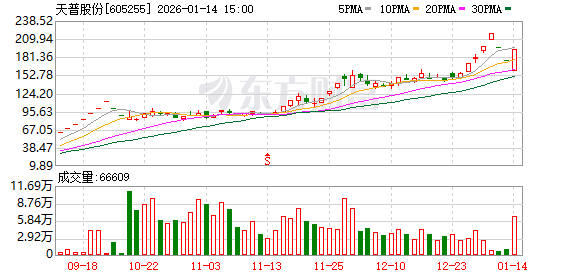
Core Viewpoint - Tianpu Co., Ltd. is currently facing regulatory scrutiny from the Shanghai Stock Exchange regarding its main business operations and the qualifications of its senior management, following a significant stock price fluctuation and a notice of investigation from the China Securities Regulatory Commission (CSRC) [1][5]. Group 1: Regulatory Inquiry - On January 14, Tianpu Co., Ltd. received an inquiry letter from the Shanghai Stock Exchange, which requested clarification on the qualifications of newly appointed directors and senior management, as well as their impact on the company's main business operations [1][2]. - The inquiry also demanded an assessment of whether the appointments of personnel from Zhonghao Xinying would affect its independent IPO plans and if there were any significant changes to previously disclosed information [2][3]. Group 2: Stock Performance and Market Reaction - On January 14, Tianpu Co., Ltd. experienced a trading halt and reached its daily price limit, closing at 194.26 yuan per share with a trading volume of nearly 1.2 billion yuan [5]. - Following the resumption of trading on January 12, the stock faced consecutive daily price limits, indicating a negative market reaction to the ongoing regulatory issues [6]. Group 3: Company Response - On January 12, the company issued a clarification announcement addressing false rumors circulating among investors, asserting that the actual controlling person, Yang Gongyifan, had made statements at a public event that were misinterpreted [7].

深主板股票上市规则及规范运作指引修订要点解读
Sou Hu Cai Jing· 2026-01-14 08:45
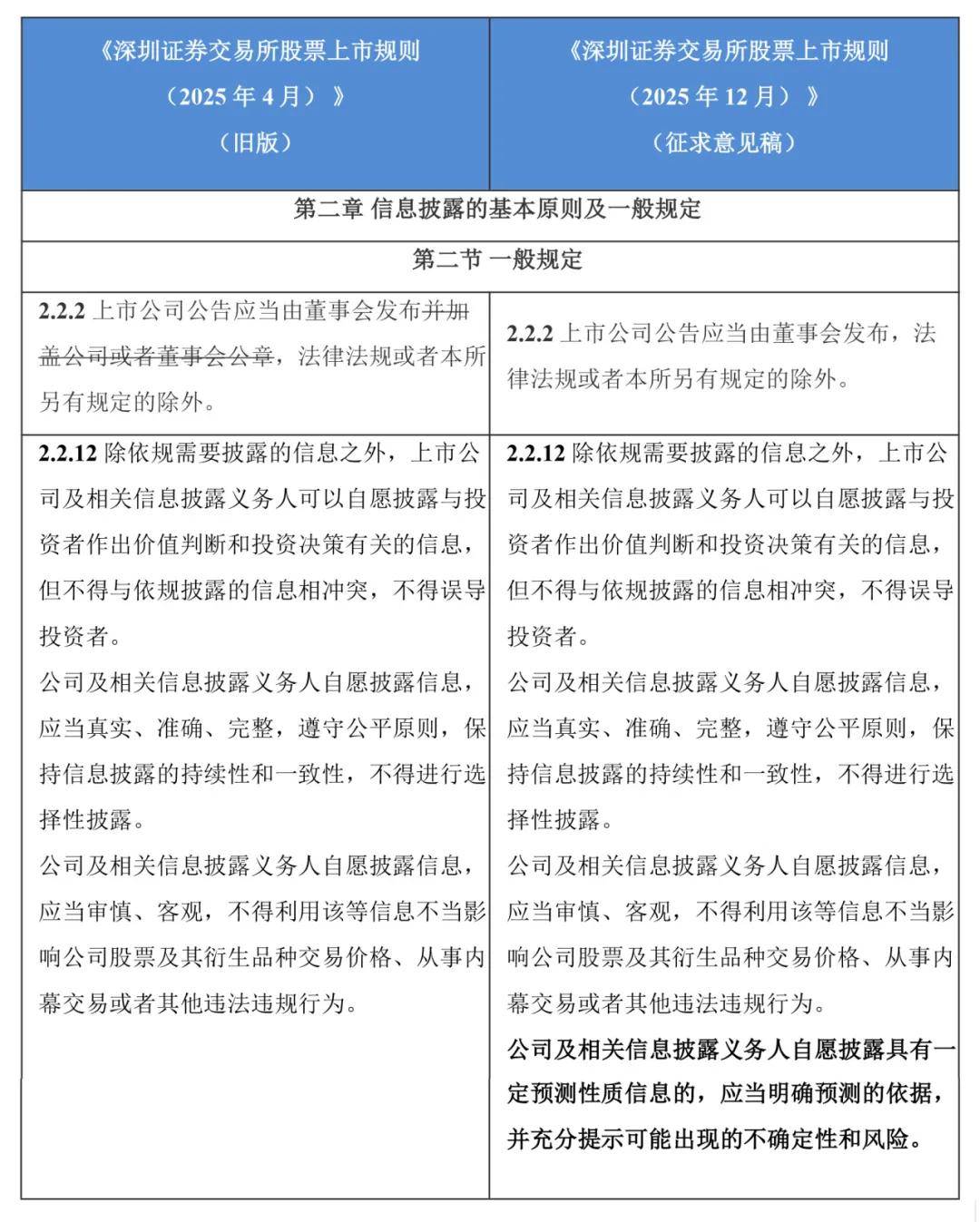
Core Viewpoint - The Shenzhen Stock Exchange is revising its self-regulatory guidelines and stock listing rules to align with the latest regulatory requirements from the China Securities Regulatory Commission, focusing on enhancing governance, information disclosure, and the responsibilities of key personnel [1][2]. Summary by Sections 1. Revision of Stock Listing Rules - The revision emphasizes the need for standardized voluntary disclosures and improved announcement requirements [2]. - Simplification of announcement publication requirements by removing the mandatory stamp of the company or board, aligning with electronic disclosure practices while maintaining board oversight [4]. - New mandatory requirements for predictive voluntary disclosures, including basis explanations and risk warnings, to prevent misleading investors [5]. 2. Governance of Directors and Senior Management - The rules detail constraints on the appointment of directors and senior management, reinforcing their fiduciary duties [6]. - Immediate cessation of duties and termination of employment for directors and senior management upon encountering negative circumstances, without specific timeframes [11]. - Enhanced disclosure obligations regarding conflicts of interest for directors engaging in similar business activities or seizing business opportunities belonging to the company [11]. 3. Responsibilities of the Board Secretary - The role of the board secretary is expanded to include responsibilities for organizing and coordinating investor relations, managing information disclosure, and ensuring compliance with regulations [13][15]. - New hard requirements for the qualifications of board secretaries, including five years of relevant work experience or professional certifications [21]. - Strengthened dismissal mechanisms for board secretaries, reducing the threshold for termination from three months to one month of inability to perform duties [21]. 4. Bankruptcy and Delisting Procedures - The revisions specify requirements for disclosing information during the pre-restructuring phase to prevent misinformation and protect investors [24]. - The process for voluntarily delisting is streamlined, allowing decisions to be made without the need for a review by the listing committee, thus enhancing efficiency [24].
燕赵财险结束“一肩挑”
Bei Jing Shang Bao· 2026-01-13 15:42
更值得警惕的是燕赵财险的综合成本率,去年前三季度该指标为103.04%,综合成本率高于100%,意味 着一家公司的承保业务处于亏损状态。"当前外部经济形势复杂多变、市场竞争加剧,公司在稳现金流 和实现效益经营方面仍面临较大压力。"燕赵财险在2025年第三季度偿付能力报告中坦言。 燕赵财险也曾尝试增资以实现业务发展上的突破,但未能如愿。北京商报记者了解到,2020年,燕赵财 险曾发布增资扩股项目公告称,拟募资30亿元用于扩大业务经营范围,这也是燕赵财险成立以来的首次 增资扩股计划。若此次增资扩股顺利完成,其注册资本将提高至50.25亿元。不过,燕赵财险目前的注 册资本仍为20.25亿元,未能顺利完成增资扩股。 岁末年初是险企人事密集调整期。1月13日,北京商报记者注意到,燕赵财产保险股份有限公司(以下 简称"燕赵财险")近日公告,该公司聘任苗永生为公司临时负责人,卢川不再担任总经理。这一调整标 志着燕赵财险终结了业内少见的董事长、总经理"一肩挑"管理模式。 简历显示,卢川历任湖北天门市人民政府副市长(挂职),中国人寿财产保险股份有限公司湖北分公司 党委委员,福建分公司党委委员、纪委书记。现任燕赵财险党委书记、董 ...
公司快评︱业绩承压+虚假记载被罚,重塑信任成为ST惠伦当务之急
Mei Ri Jing Ji Xin Wen· 2026-01-13 04:13
Core Viewpoint - ST Huilun faces severe challenges due to penalties for information disclosure violations, leading to a significant loss of trust and reputation in the market [1][3]. Group 1: Penalties and Financial Performance - ST Huilun was fined 3 million yuan, and the actual controller and former chairman Zhao Jiqing was fined 4 million yuan for undisclosed fund occupation and false annual report records from 2020 to 2022 [1]. - For the third quarter of 2025, ST Huilun reported a 4.7% year-on-year decline in operating revenue and a net loss attributable to shareholders of 76.12 million yuan, a staggering 4566.6% increase in losses compared to the previous year [1]. Group 2: Trust Crisis and Market Reaction - The company's stock was placed under risk warning, changing its name to "ST Huilun," reflecting market punishment for its violations and resulting in a significant drop in investor confidence [1]. - The volatility in the stock price indicates market unease regarding the company's future prospects and trustworthiness [1]. Group 3: Proposed Measures for Recovery - ST Huilun plans to cooperate with the regulatory investigation and enhance its information disclosure practices, which is seen as a necessary first step [2]. - The company needs to strengthen internal control processes, improve financial data management, and ensure the accuracy of disclosures, particularly regarding fund occupation and related transactions [2]. - It is essential for ST Huilun to enhance its governance structure, clarify responsibilities among the board, supervisory board, and management, and prevent power abuse [2]. - The company should focus on market demand changes, optimize product structure, and enhance competitiveness through technological innovation and business expansion to regain market recognition [2][3].

Zscaler(ZS) - 2026 FY - Earnings Call Transcript
2026-01-12 22:02
Financial Data and Key Metrics Changes - The company reported significant changes in its financial metrics, including the election of directors and the ratification of its independent accounting firm, PricewaterhouseCoopers LLP, for the fiscal year ending July 31, 2026 [8][16] - The compensation of named executive officers was approved, indicating a focus on aligning executive pay with company performance [16] Business Line Data and Key Metrics Changes - Specific business line performance metrics were not detailed in the provided content, focusing instead on governance and shareholder proposals [10][12] Market Data and Key Metrics Changes - No specific market data or key metrics changes were mentioned in the provided content [10][12] Company Strategy and Development Direction and Industry Competition - The company is facing pressure regarding its governance structure, particularly the classified board system, which has been criticized for limiting shareholder accountability [10][12] - The proposal for annual elections of directors was presented as a means to enhance governance and align with industry best practices, reflecting a strategic shift towards greater accountability [10][13] Management's Comments on Operating Environment and Future Outlook - Management did not provide specific comments on the operating environment or future outlook during the meeting, focusing instead on governance issues and shareholder proposals [10][12] Other Important Information - The company has a classified board structure, which has been criticized for reducing accountability and responsiveness, with a call for modernization to improve governance practices [10][12] - The meeting included a proposal for shareholders to have more power in electing directors, which was opposed by the board [14][16] Q&A Session All Questions and Answers Question: Proposal for annual elections of directors - The proposal was presented by a shareholder urging for accountability and modernization of governance practices, highlighting concerns about the current classified board structure [10][12] - The board unanimously recommended voting against the proposal, citing reasons outlined in the proxy statement [14]

去年被罚超五百万元、涉诉金额过亿元!永安财险合规症结何在
Nan Fang Du Shi Bao· 2026-01-12 12:48
Core Viewpoint - The appointment of Wang Hao as the Chief Actuary of Yong'an Property Insurance Co., Ltd. is seen as a significant step towards improving corporate governance and risk management amidst ongoing legal and regulatory challenges faced by the company [2][10]. Regulatory Issues - In 2025, Yong'an Insurance received a total of 26 fines amounting to over 5 million yuan, with penalties issued across multiple provinces including Henan, Shandong, and Guangdong [2][4]. - Specific fines included 650,000 yuan for the Guangzhou branch due to false financial data and improper benefits to policyholders, and 630,000 yuan for the Zhengzhou branch for providing false reports [3][4]. - Common violations included "false financial data," "fictitious expenses," and "misappropriation of funds," indicating significant governance and compliance issues within the company [4]. Legal Challenges - Yong'an Insurance is facing two major lawsuits with potential liabilities exceeding 100 million yuan, stemming from disputes over credit guarantee insurance contracts with partners [5][6]. - The lawsuits involve claims from Chongqing Ma Shang Consumer Finance and Ningbo Bank, with the court ruling in favor of the partners, indicating that Yong'an may be liable for service fees regardless of insurance payout obligations [6]. Management Changes - The company has undergone significant management changes, including the appointment of a new general manager in February 2025, ending a six-year vacancy in the position [7][8]. - The restructuring of the management team is part of a broader effort to address compliance and governance shortcomings that have persisted due to a prolonged power struggle among shareholders [7][9]. Financial Performance - Despite the regulatory and legal challenges, Yong'an Insurance reported a premium income of 8.054 billion yuan in the first three quarters of 2025, a year-on-year increase of 1.12%, and a net profit of 833 million yuan, representing a 144% increase [9]. - The company's solvency ratios are robust, with core solvency adequacy ratio at 339.68% and comprehensive solvency adequacy ratio at 347.52%, indicating a stable financial position [9].
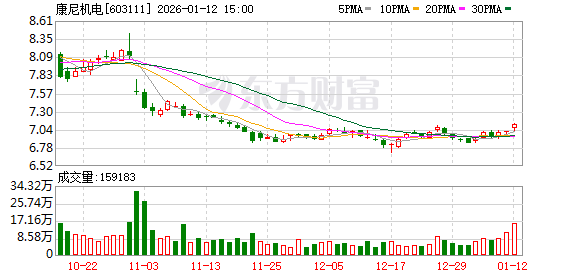
A股公司“580万年薪返聘8名原高管、年龄最大近90岁”引质疑!最新回应:全职在岗,3人无偿履职,5人薪酬大降
Hua Xia Shi Bao· 2026-01-12 11:08
Core Viewpoint - The recent announcement by Kanni Electromechanical regarding the rehiring of eight former executives, with an average age over 60 and the oldest nearing 90, has sparked significant discussion in the market [2][3] Group 1: Rehiring Details - Kanni Electromechanical clarified that the rehired individuals will hold honorary positions such as honorary chairman and chief experts, with three serving without compensation and five having their salaries significantly reduced [2][3] - The total annual compensation for the rehired personnel is approximately 5.8 million yuan, based on their previous salaries [3] - The rehired executives include key figures from the company's founding team, with specific roles assigned to each individual to support the company's strategic planning and management [4][5] Group 2: Age and Experience of Rehired Executives - The oldest rehired executive, Jin Yuangu, is nearly 90 years old, while others are over 60 [3] - The rehired executives have extensive experience, having previously held significant positions such as president, vice president, and board secretary [3][4] Group 3: Company Strategy and Governance - The company is at a critical juncture in its transformation, and maintaining stability in its core rail transit business is essential for sustainable development [4] - The rehired executives will contribute to high-quality development through their roles in the expert advisory committee and by providing strategic guidance [5] - The responsibilities of the rehired personnel are divided into common and specialized duties, aimed at supporting management decisions and enhancing the company's operational capabilities [5]

淳厚基金完成实质性整改:新高管团队就位,原董事长因“不适当人选”离任
Mei Ri Jing Ji Xin Wen· 2026-01-12 04:33
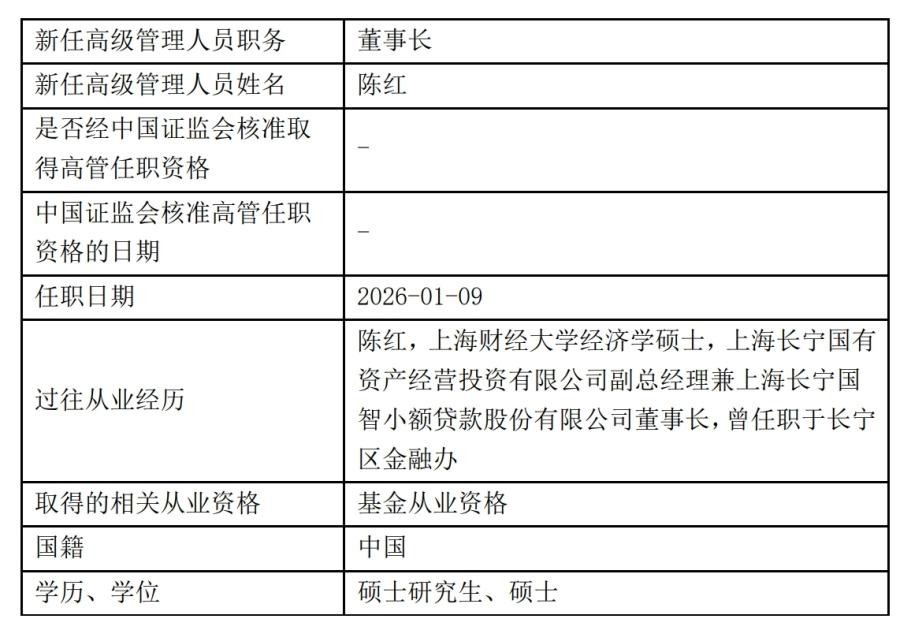
每经记者|黄小聪 每经编辑|叶峰 在证监会发布《关于核准淳厚基金管理有限公司变更主要股东、实际控制人的批复》之后,记者注意到,淳厚基金近日在官网发布《给全体投资人的一封 信》。 此外,淳厚基金还公告,新任陈红为公司董事长,新任左季庆为公司总经理。而原董事长贾红波被监管机构认定为不适当人选;原总经理、法定代表人邢媛 因工作安排离任。 这也意味着近几年闹得沸沸扬扬的股权纠纷问题,终于有了实质性的进展。 董事长和总经理都换了 近日,淳厚基金公告,新任陈红为公司董事长,履历显示,陈红任上海长宁国有资产经营投资有限公司副总经理兼上海长宁国智小额贷款股份有限公司董事 长,曾任职于长宁区金融办。 | 新任高级管理人员职务 | 重事长 | | --- | --- | | 新任高级管理人员姓名 | 陈红 | | 是否经中国证监会核准取 得高管任职资格 | | | 中国证监会核准高管任职 | | | 资格的日期 | | | 任职目期 | 2026-01-09 | | 过往从业经历 | 陈红,上海财经大学经济学硕士,上海长宁国有 资产经营投资有限公司副总经理兼上海长宁国 | | | 智小额贷款股份有限公司董事长,曾任职于长宁 | ...