
行业自律

Search documents
瑞达期货热轧卷板产业链日报-20250722
Rui Da Qi Huo· 2025-07-22 09:27
Report Summary 1. Report Industry Investment Rating No information provided. 2. Core View of the Report On Tuesday, the HC2510 contract continued to rise. With positive macro - policy expectations, the week - on - week hot - rolled coil production slightly declined, factory and social inventories both decreased, and terminal demand was resilient, which supported the strong operation of hot - rolled coil futures. Technically, the 1 - hour MACD indicator of the HC2510 contract showed that DIFF and DEA were running at a high level. The recommended operation was to conduct long - biased trading while paying attention to rhythm and risk control [2]. 3. Summary by Relevant Catalogs 3.1 Futures Market - HC main contract closing price: 3,477 yuan/ton, up 83 yuan [2]. - HC main contract position: 1,582,445 lots, down 18,031 lots [2]. - Net position of the top 20 in HC contracts: - 51,658 lots, up 10,293 lots [2]. - HC10 - 1 contract spread: - 15 yuan/ton, up 1 yuan [2]. - HC warehouse receipts at the Shanghai Futures Exchange: 59,549 tons, down 905 tons [2]. - HC2510 - RB2510 contract spread: 170 yuan/ton, unchanged [2]. 3.2 Spot Market - Hangzhou 4.75 hot - rolled coil: 3,450 yuan/ton, up 10 yuan [2]. - Guangzhou 4.75 hot - rolled coil: 3,490 yuan/ton, up 60 yuan [2]. - Wuhan 4.75 hot - rolled coil: 3,460 yuan/ton, up 10 yuan [2]. - Tianjin 4.75 hot - rolled coil: 3,350 yuan/ton, up 10 yuan [2]. - HC main contract basis: - 27 yuan/ton, down 73 yuan [2]. - Hangzhou hot - rolled coil - rebar spread: 30 yuan/ton, down 40 yuan [2]. 3.3 Upstream Situation - Qingdao Port 61.5% PB iron ore fines: 783 yuan/wet ton, down 6 yuan [2]. - Hebei quasi - first - grade metallurgical coke: 1,265 yuan/ton, unchanged [2]. - Tangshan 6 - 8mm scrap steel: 2,240 yuan/ton, unchanged [2]. - Hebei Q235 billet: 3,120 yuan/ton, up 60 yuan [2]. - 45 - port iron ore inventory: 137.8521 million tons, up 0.1932 million tons [2]. - Sample coking plant coke inventory: 554,200 tons, down 43,500 tons [2]. - Sample steel mill coke inventory: 6.3909 million tons, up 11,200 tons [2]. - Hebei billet inventory: 1.0362 million tons, up 60,900 tons [2]. 3.4 Industry Situation - 247 steel mill blast furnace operating rate: 83.48%, up 0.35% [2]. - 247 steel mill blast furnace capacity utilization rate: 90.92%, up 1.05% [2]. - Sample steel mill hot - rolled coil output: 3.2114 million tons, down 20,000 tons [2]. - Sample steel mill hot - rolled coil capacity utilization rate: 82.04%, down 0.51% [2]. - Sample steel mill hot - rolled coil factory inventory: 773,100 tons, down 5,000 tons [2]. - 33 - city hot - rolled coil social inventory: 2.656 million tons, down 21,500 tons [2]. - Domestic crude steel output: 83.18 million tons, down 3.36 million tons [2]. - Steel net export volume: 9.21 million tons, down 0.89 million tons [2]. 3.5 Downstream Situation - Automobile production: 2.7941 million vehicles, up 0.1456 million vehicles [2]. - Automobile sales: 2.9045 million vehicles, up 0.2181 million vehicles [2]. - Air - conditioner production: 28.3831 million units, down 1.0969 million units [2]. - Household refrigerator production: 9.0474 million units, up 0.5374 million units [2]. - Household washing machine production: 9.5079 million units, up 0.0959 million units [2]. 3.6 Industry News - At the 10th Shaanxi - Shanxi - Sichuan - Gansu Steel Enterprises Summit Forum from July 19th to 20th, steel enterprise representatives agreed to implement the central government's requirement to break the "involution" and strengthen industry self - discipline for the development of the regional steel industry [2]. - In June, the domestic billet export volume was 1.1757 million tons, a month - on - month decrease of 14.33% and a year - on - year increase of 280.19%. From January to June, the domestic billet export volume was 5.8922 million tons, a year - on - year increase of 300.31% [2].
瑞达期货焦煤焦炭产业日报-20250722
Rui Da Qi Huo· 2025-07-22 09:18
Group 1: Report Overview - The report is a daily report on the coking coal and coke industries dated July 22, 2025 [1] Group 2: Investment Rating - No investment rating is provided in the report Group 3: Core Views - On July 22, the coking coal 2509 contract closed at 1048.5, up 7.98%. With strong macro - expectations, the mine - end inventory is generally decreasing, market confidence is improving, and the clean coal inventory is shifting downstream. Technically, it should be treated with a bullish bias in a volatile manner [2] - On July 22, the coke 2509 contract closed at 1697.5, up 7.98%. Coke enterprises initiated a second price increase. The raw material supply is gradually improving, and the pig iron production is at a high level. Technically, it should also be treated with a bullish bias in a volatile manner [2] Group 4: Summary by Directory 1. Futures Market - JM主力合约收盘价 rose to 1048.50 yuan/ton, up 42.50 yuan; J主力合约收盘价 rose to 1697.50 yuan/ton, up 94.50 yuan [2] - JM期货合约持仓量 decreased to 773525.00 hands, down 39102.00 hands; J期货合约持仓量 decreased to 54322.00 hands, down 1546.00 hands [2] - The net position of the top 20 coking coal contracts increased to - 66451.00 hands, up 17259.00 hands; the net position of the top 20 coke contracts decreased to - 4374.00 hands, down 545.00 hands [2] - The JM1 - 9 month contract spread rose to 88.50 yuan/ton, up 38.50 yuan; the J1 - 9 month contract spread rose to 54.50 yuan/ton, up 3.50 yuan [2] - The coking coal warehouse receipts remained at 0.00, and the coke warehouse receipts were 760.00 [2] 2. Spot Market - The price of Ganqimao Meng 5 raw coal rose to 850.00 yuan/ton, up 54.00 yuan; the price of Russian main coking coal forward spot remained at 120.00 dollars/wet ton [2] - The price of Jingtang Port Australian imported main coking coal rose to 1420.00 yuan/ton, up 40.00 yuan; the price of Jingtang Port Shanxi - produced main coking coal remained at 1440.00 yuan/ton [2] - The price of Shanxi Jinzhong Lingshi medium - sulfur main coking coal remained at 1100.00 yuan/ton; the price of Inner Mongolia Wuhai - produced coking coal ex - factory price remained at 980.00 yuan/ton [2] - The price of Tangshan quasi - first - class metallurgical coke remained at 1445.00 yuan/ton; the price of Rizhao Port quasi - first - class metallurgical coke remained at 1270.00 yuan/ton [2] - The price of Tianjin Port first - class metallurgical coke remained at 1370.00 yuan/ton; the price of Tianjin Port quasi - first - class metallurgical coke remained at 1270.00 yuan/ton [2] - The JM主力合约基差 decreased to 51.50 yuan/ton, down 42.50 yuan; the J主力合约基差 decreased to - 252.50 yuan/ton, down 94.50 yuan [2] 3. Upstream Situation - The raw coal inventory of 110 coal washing plants decreased to 298.69 million tons, down 2.08 million tons; the clean coal inventory decreased to 191.54 million tons, down 5.53 million tons [2] - The operating rate of 110 coal washing plants increased to 62.85%, up 0.52 percentage points; the raw coal production increased to 42107.40 million tons, up 1779.00 million tons [2] - The import volume of coal and lignite decreased to 3304.00 million tons, down 300.00 million tons; the daily average raw coal output of 523 coking coal mines increased to 192.90 thousand tons, up 1.10 thousand tons [2] - The inventory of imported coking coal at 16 ports decreased to 553.50 million tons, down 0.29 million tons; the inventory of coke at 18 ports decreased to 252.71 million tons, down 2.97 million tons [2] 4. Industry Situation - The total inventory of coking coal of independent coking enterprises increased to 929.11 million tons, up 36.76 million tons; the total inventory of coke of independent coking enterprises decreased to 87.55 million tons, down 5.53 million tons [2] - The coking coal inventory of 247 steel mills nationwide increased to 791.10 million tons, up 8.17 million tons; the coke inventory of 247 sample steel mills nationwide increased to 638.99 million tons, up 1.19 million tons [2] - The available days of coking coal for independent coking enterprises increased to 12.63 days, up 0.15 days; the available days of coke for 247 sample steel mills decreased to 11.46 days, down 0.18 days [2] - The import volume of coking coal increased to 910.84 million tons, up 172.10 million tons; the export volume of coke and semi - coke decreased to 51.00 million tons, down 17.00 million tons [2] - The coking coal production decreased to 0.00 million tons, down 4070.27 million tons; the independent coking enterprise capacity utilization rate decreased to 72.87%, down 0.30 percentage points [2] - The independent coking plant's profit per ton of coke increased to - 43.00 yuan/ton, up 20.00 yuan/ton; the coke production decreased to 4170.30 million tons, down 67.30 million tons [2] 5. Downstream Situation - The blast furnace operating rate of 247 steel mills nationwide increased to 83.48%, up 0.35 percentage points; the blast furnace iron - making capacity utilization rate of 247 steel mills increased to 90.92%, up 1.05 percentage points [2] - The crude steel production decreased to 8318.40 million tons, down 336.10 million tons [2] 6. Industry News - At the 10th Shaanxi - Shanxi - Sichuan - Gansu Steel Enterprises Summit Forum from July 19th to 20th, steel enterprises agreed to strengthen self - discipline in production control [2] - China's LPR in July remained unchanged for the second consecutive month, and market institutions expect a further decline in the second half of the year [2] - Premier Li Qiang signed the "Housing Rental Regulations", which will come into effect on September 15th, aiming to increase rental housing supply [2] - Guangdong and Anhui will standardize the competition order of the new energy vehicle industry [2]
华富新能源股票型发起式A:2025年第二季度利润974.51万元 净值增长率3.69%
Sou Hu Cai Jing· 2025-07-19 10:40
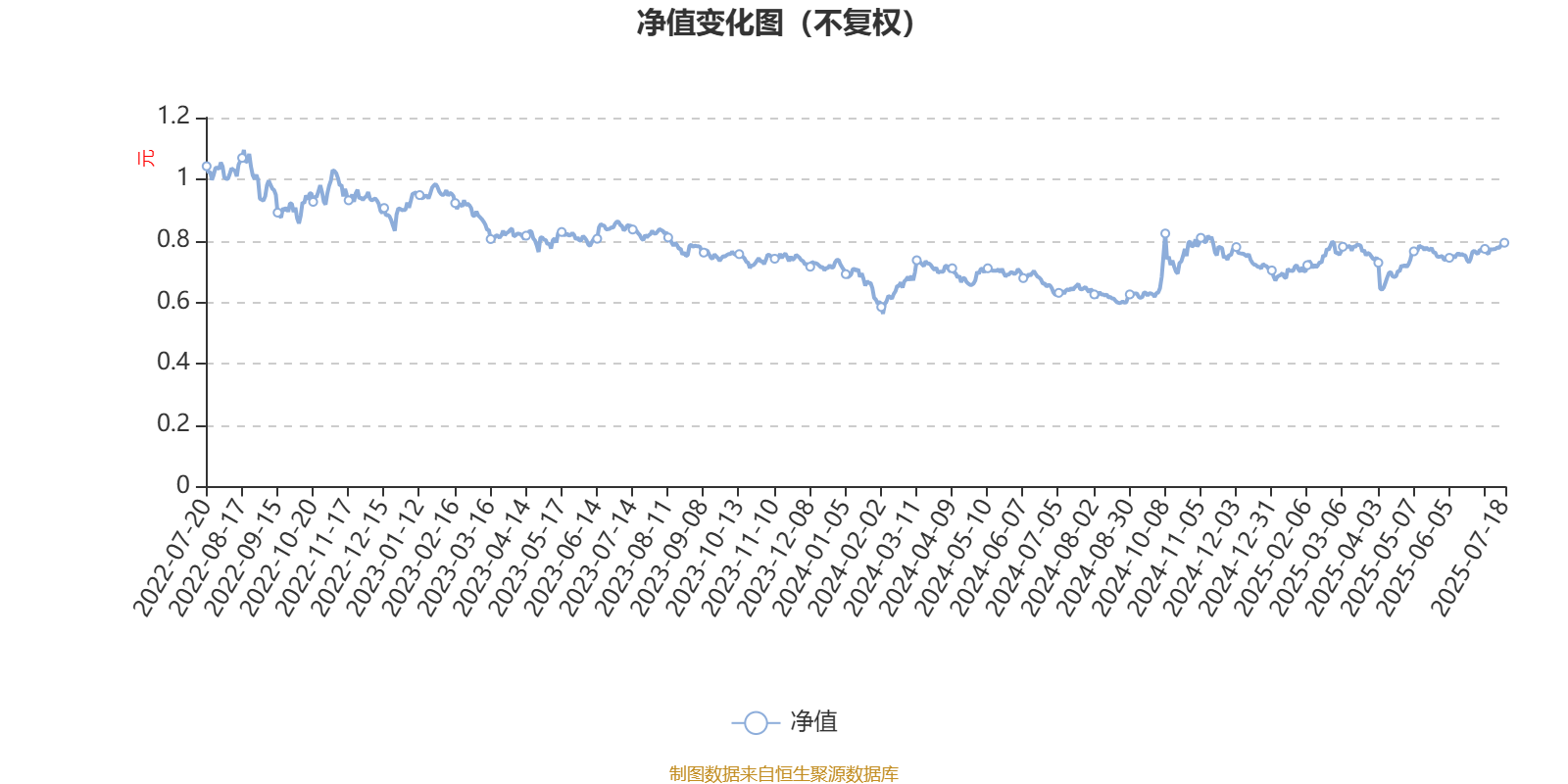
Core Viewpoint - The AI Fund Huafu New Energy Stock Type Initiated A (012445) reported a profit of 9.7451 million yuan for Q2 2025, with a net asset value growth rate of 3.69% during the period [3][4]. Fund Performance - As of the end of Q2 2025, the fund's scale was 252 million yuan [15]. - The fund's unit net value was 0.793 yuan as of July 18 [3]. - The fund's one-year return was 22.27%, ranking 19 out of 44 comparable funds [4]. - The fund's three-month return was 15.88%, ranking 9 out of 44 comparable funds [4]. - The fund's six-month return was 13.06%, ranking 8 out of 44 comparable funds [4]. - The fund's three-year return was -25.00%, ranking 10 out of 31 comparable funds [4]. Investment Focus - The fund manager highlighted key areas of focus including advancements in the battery segment of the electric vehicle and smart technology supply chain, competitive advantages in the vehicle manufacturing segment, and the lithium battery materials segment showing signs of recovery [4]. - In the wind power sector, the easing of domestic offshore wind power restrictions is expected to enhance future demand, with domestic manufacturers gaining global competitiveness [4]. - In the photovoltaic sector, there is a consensus on strengthening industry self-discipline to prevent harmful competition, with a focus on technological advancements in high-efficiency batteries [4]. Risk and Return Metrics - The fund's three-year Sharpe ratio was -0.0967, ranking 11 out of 31 comparable funds [9]. - The maximum drawdown over the past three years was 48.66%, ranking 22 out of 31 comparable funds, with the largest single-quarter drawdown occurring in Q1 2024 at 23.68% [11]. - The average stock position over the past three years was 86.08%, slightly below the comparable average of 87.53% [14]. Top Holdings - As of the end of Q2 2025, the fund's top ten holdings included Ningde Times, Dongfang Cable, Huayou Cobalt, Xiamen Tungsten, Daikin Heavy Industries, Li Auto-W, Deyang Co., Haili Wind Power, Xianhui Technology, and Jinjiang Online [18].

东方希望集团否认违规卖多晶硅:7月以来未低于成本价出货
news flash· 2025-07-19 09:36
Core Viewpoint - The solar industry is experiencing a peak in "anti-involution" efforts, with various market discussions emerging regarding the alleged "illegal sale of polysilicon" by Dongfang Hope Group, which the company has firmly denied [1] Group 1: Company Response - Dongfang Hope Group issued a statement on July 19, addressing the rumors about illegal polysilicon sales, asserting that they have complied with national policies aimed at promoting healthy industry development [1] - The company emphasized that it has adhered to self-regulatory agreements regarding production cuts and has not engaged in selling below cost since July [1] - Dongfang Hope has taken legal steps to preserve evidence against false information and has reserved the right to pursue further legal action [1] Group 2: Industry Context - The company called on peers in the industry to collectively resist the spread of false information and unfair competition practices, highlighting the need to prevent the misinterpretation of policies and speculative trading in polysilicon futures [1]
平台表态“卷没意义”,高温下的外卖价格战应回归理性
第一财经· 2025-07-18 13:06
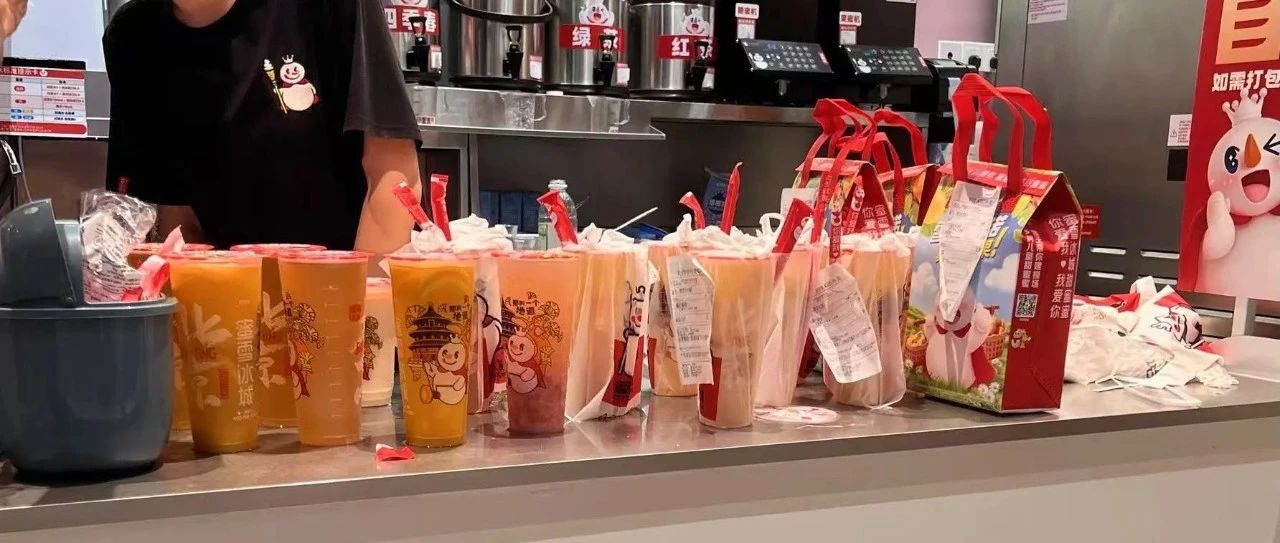
Core Viewpoint - The article discusses the ongoing subsidy war in the food delivery industry, highlighting the negative impacts on businesses and the need for regulatory intervention to ensure sustainable competition and a healthy market ecosystem [1][2][4]. Group 1: Industry Dynamics - The subsidy war has intensified since July 5, with platforms like Meituan and Ele.me offering significant discounts, leading to a surge in order volumes but also raising concerns about waste and the sustainability of business models [1][4]. - The market regulator has urged platforms to comply with relevant laws and to engage in rational competition, emphasizing the importance of a balanced ecosystem for consumers, merchants, and delivery personnel [1][2]. - Industry leaders, including Meituan's CEO, have criticized the current state of competition as harmful, indicating that the aggressive discounting strategies are unsustainable and detrimental to long-term business health [2][4]. Group 2: Impact on Merchants - Merchants are feeling the pressure from the subsidy war, with many stating that the burden of discounts falls heavily on them, leading to unsustainable business practices [4][5]. - The disparity in cost-sharing during promotions has been highlighted, with merchants often covering a significant portion of the discounts, which can lead to financial strain [4][5]. - Concerns have been raised about the long-term effects of the subsidy war on consumer behavior, with fears that once discounts cease, order volumes may plummet, leading to a potential "autumn reckoning" for businesses [4][5]. Group 3: Future Outlook - Analysts suggest that the current subsidy strategies may lead to a market consolidation where only the most efficient and brand-strong companies survive, as the industry shifts from a "capital war" to an "efficiency war" [5][6]. - The need for platforms to transition from a focus on capital expenditure to value creation through innovation and improved services is emphasized as crucial for long-term success [6]. - The article concludes that while short-term metrics may appear positive, the real challenge lies in retaining users and ensuring sustainable profitability without relying solely on price wars [5][6].



华新水泥(600801):Q2业绩超预期,国内外盈利均改善
China Post Securities· 2025-07-16 12:39
Investment Rating - The report assigns a "Buy" rating for the stock, indicating an expected relative increase of over 20% compared to the benchmark index within six months [11]. Core Insights - The company, Huaxin Cement, is projected to achieve a net profit attributable to shareholders of between 1.096 billion and 1.132 billion yuan for the first half of 2025, representing a year-on-year increase of 50% to 55% [5]. - The second quarter of 2025 saw a significant performance improvement, with a net profit of 880 million yuan, marking a 59% year-on-year growth [5]. - The company has established a strong overseas presence, with production capacity exceeding 25 million tons across 12 countries, contributing significantly to its profitability [6]. Company Overview - Latest closing price: 13.25 yuan - Total shares: 2.079 billion, circulating shares: 1.344 billion - Total market capitalization: 27.5 billion yuan, circulating market capitalization: 17.8 billion yuan - 52-week high/low: 15.20/10.10 yuan - Debt-to-asset ratio: 49.8% - Price-to-earnings ratio: 11.42 [4]. Financial Forecast - Revenue projections for 2025 and 2026 are 36.5 billion yuan and 38.2 billion yuan, respectively, with year-on-year growth rates of 6.7% and 4.7% [6]. - Expected net profits for 2025 and 2026 are 2.6 billion yuan and 2.79 billion yuan, reflecting growth rates of 7.7% and 7.1% [6]. - The company’s price-to-earnings ratio is projected to be 11x for 2025 and 10x for 2026 [6].

中国航协召开2025年第二季度理事单位信息沟通会
Zhong Guo Min Hang Wang· 2025-07-15 10:27
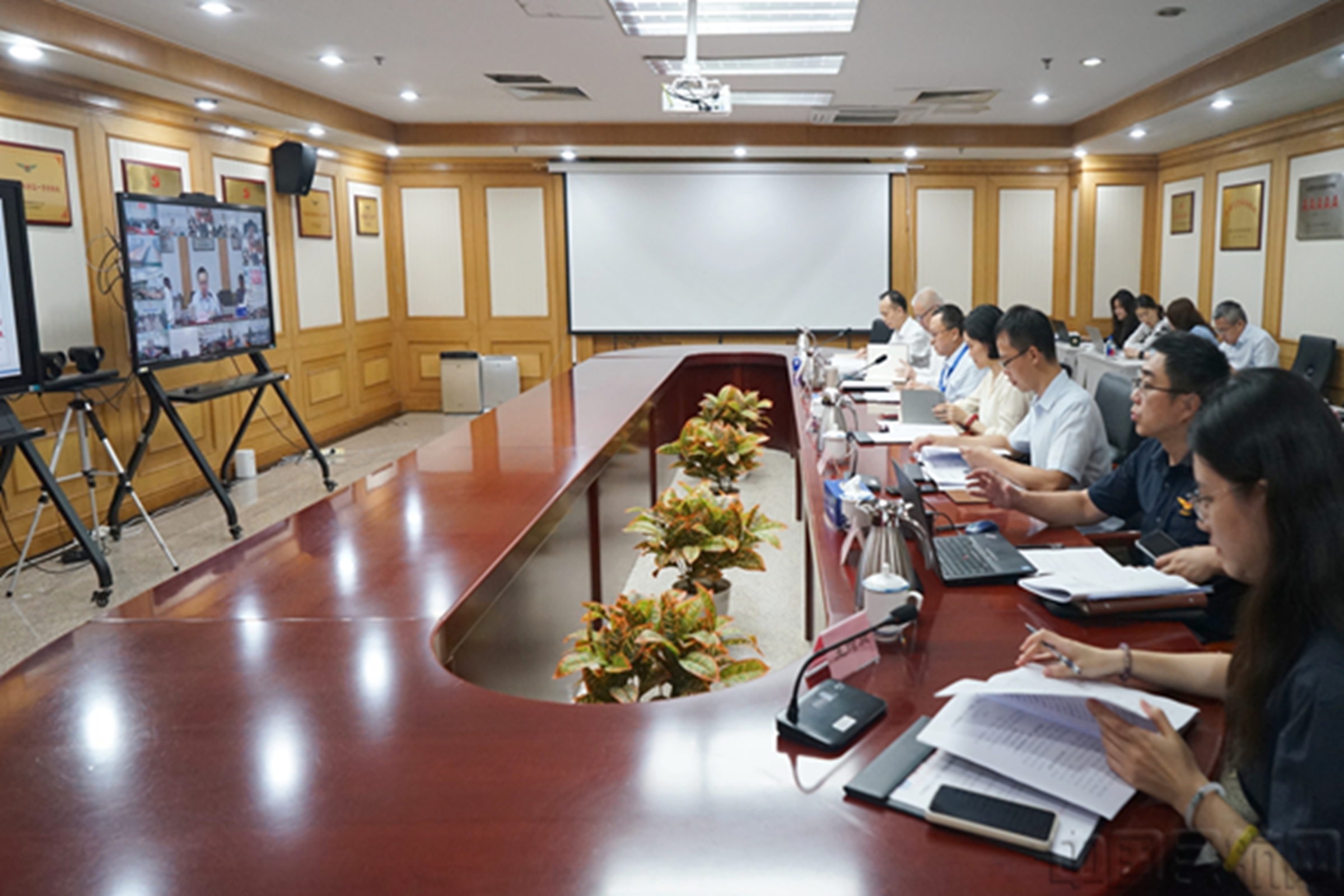
Core Viewpoint - The China Air Transport Association (CATA) held a communication meeting to enhance collaboration and information sharing among its members, highlighting a robust recovery in the aviation sector during the second quarter of 2025, characterized by strong demand in passenger and cargo transport [1][4]. Group 1: Industry Performance - In Q2 2025, the aviation passenger transport volume exceeded 60 million, with seat occupancy rates remaining high at 84.5% to 84.6% [4]. - International passenger traffic saw significant year-on-year growth of 25.9%, 25.7%, and 19.3% in April, May, and June respectively, surpassing 2019 levels by 5.5%, 6.3%, and 5.1% [4]. - Cargo and mail transport continued to grow despite external challenges, with year-on-year increases of 16.8%, 16.6%, and 18.4% during the same period [4]. Group 2: Future Outlook - The aviation sector is expected to experience a new growth peak during the summer travel season, driven by the recovery of international capacity and favorable entry-exit policies [4]. - There is a notable increase in demand for travel to summer resorts and coastal cities compared to previous years, with significant growth in searches for destinations like Jeju Island, Bali, and Male, which saw increases of 53%, 62%, and 40% respectively [4]. Group 3: Recommendations and Initiatives - The CATA proposed enhancing convenience in air travel, promoting market regulation, and encouraging service quality and innovation among airlines [5]. - The association aims to foster a collaborative environment within the industry, focusing on the development of a diversified global air transport network and utilizing big data for customer insights [5]. - CATA plans to issue self-regulatory agreements for air passenger and cargo transport later this year to promote healthy competition and high-quality development in the industry [6].
开源证券:BOPET膜国内产需高增 行业自律有望助力格局优化、盈利改善
智通财经网· 2025-07-10 08:03
Core Viewpoint - The BOPET industry has faced continuous profit pressure since 2022, leading to a slowdown in planned capacity and a potential decrease in actual implementation. However, industry self-discipline is expected to optimize the market structure and improve profitability. In the medium to long term, market resources are gradually concentrating on companies with cost and technological advantages, with a positive outlook on the rapid enhancement of domestic high-end polyester film product development, driving the BOPET industry towards high-end and green development [1][2]. Industry Overview - The BOPET film, known for its excellent performance, is widely used in packaging, printing, optical displays, electrical and electronic applications, and photovoltaic new energy sectors. From 2014 to 2024, the domestic BOPET industry has seen rapid growth in capacity and apparent consumption, but the consumption growth rate has not kept pace with capacity and production growth, leading to a structural imbalance characterized by an oversupply of low-end products and a shortage of high-end products [1][3]. Supply and Demand Dynamics - Supply Side: From 2014 to 2024, domestic BOPET capacity expanded from 2.47 million tons to 6.95 million tons, with a CAGR of 10.9%. Production increased from 1.61 million tons to 4.59 million tons, with a CAGR of 11.0%. Currently, the industry capacity stands at 6.482 million tons per year, with the top 10 enterprises accounting for 63.0% of the total capacity [3][4]. - Demand Side: During the same period, domestic BOPET apparent consumption rose from 1.71 million tons to 4.15 million tons, with a CAGR of 9.3%. The growth rate of consumption has lagged behind that of capacity and production, exacerbating market oversupply. In 2024, the demand shares for packaging, protective films, solar back sheets, and optical films are projected to be 45.8%, 14.7%, 4.9%, and 10.2%, respectively [3][4]. Import and Export Trends - Since 2015, China has become a net exporter of BOPET, yet it still imports 200,000 to 300,000 tons annually, with the average import price being more than twice that of the export price, indicating a continued reliance on imported high-end BOPET products [3]. Price Trends - BOPET prices have followed the trend of crude oil prices, with the cost of slice method being slightly higher than that of direct melting method. The supply-demand imbalance has led to a decline in BOPET prices since 2022, reaching historical lows, and the industry is experiencing negative gross margins [4]. Company Performance - Most companies have seen a decline in profitability since 2022, with expectations of turning from profit to loss in 2023-2024. Profitability is still under pressure in Q1 2025, and capital expenditures and construction projects in the sector have been reduced since 2023 [4].
化工“反内卷”系列报告(一):BOPET膜:性能优良、国内产需高增,行业自律有望助力格局优化、盈利改善
KAIYUAN SECURITIES· 2025-07-09 10:14
Investment Rating - Investment rating: Positive (maintained) [1] Core Viewpoints - The BOPET film industry is experiencing high domestic demand growth, but currently faces low prices and profit pressures. The industry is characterized by an oversupply of low-end products and a shortage of high-end products, leading to a structural imbalance [5][16][18] - The "China BOPET Industry Self-Discipline Initiative" aims to optimize the industry structure and improve profitability by promoting fair market conditions and reducing ineffective supply [19][6] - The market is gradually concentrating resources towards companies with cost and technological advantages, with a positive outlook for the development of high-end polyester film products [6][5] Summary by Sections BOPET Film Overview - BOPET films are widely used in packaging, optical displays, electrical applications, and photovoltaic new energy sectors. The domestic BOPET industry has seen rapid growth in capacity and consumption from 2014 to 2024, but consumption growth has not kept pace with production and capacity growth, leading to an oversupply situation [5][12][28] Supply and Demand Analysis - Supply: From 2014 to 2024, domestic BOPET capacity expanded from 2.47 million tons to 6.95 million tons, with a CAGR of 10.9%. The industry currently has a capacity of 6.482 million tons per year, with the top 10 companies accounting for 63% of total capacity [20][21] - Demand: During the same period, apparent consumption increased from 1.71 million tons to 4.15 million tons, with a CAGR of 9.3%. The packaging and printing sector accounted for 45.8% of demand in 2024 [28][30] - Imports and Exports: China has become a net exporter of BOPET since 2015, but still imports 200,000 to 300,000 tons annually, indicating reliance on high-end BOPET products [32][36] Price and Profitability - BOPET prices have been under pressure since 2022 due to supply-demand imbalances, with prices reaching historical lows in 2024. The average price in early 2025 was 8,091 RMB per ton, showing a slight year-on-year increase [41][40] - The industry has faced continuous profit pressure since 2022, with many companies transitioning from profit to loss in 2024. However, Q1 2025 showed signs of reduced losses for most companies [6][19] Investment Recommendations - Recommended stocks include Dongcai Technology, Hengli Petrochemical, and Rongsheng Petrochemical, with beneficiaries including Dousheng New Materials and Yuxing Co., Ltd. [6]


新能源及有色金属日报:政策及情绪影响继续发酵,多晶硅盘面触及涨停-20250709
Hua Tai Qi Huo· 2025-07-09 05:15
1. Report Industry Investment Rating - Industrial silicon: Short - term neutral, upstream is recommended to sell hedging at high prices [3] - Polysilicon: Long - term suitable for low - level layout of long positions, short - term neutral [6][8] 2. Report's Core View - The influence of policies and emotions on the new energy and non - ferrous metals industry continues to ferment, with the polysilicon futures hitting the daily limit [1] - The fundamentals of industrial silicon are short - term improved slightly, but the overall situation is still weak, and its futures price increase is affected by polysilicon [3] - Polysilicon prices are expected to rise significantly due to policy disturbances, and mid - to long - term investment opportunities exist [6] 3. Summary by Related Catalogs Industrial Silicon Market Analysis - On July 8, 2025, the industrial silicon futures price was strong. The main contract 2509 opened at 8060 yuan/ton and closed at 8215 yuan/ton, up 2.82% from the previous settlement. The position of the main contract was 387122 lots, and the number of warehouse receipts was 51077 lots, down 272 lots from the previous day [2] - The spot price of industrial silicon remained stable. The price of East China oxygen - passing 553 silicon was 8700 - 8800 yuan/ton, 421 silicon was 8900 - 9200 yuan/ton, Xinjiang oxygen - passing 553 silicon was 8000 - 8200 yuan/ton, and 99 silicon was 8000 - 8100 yuan/ton [2] - The consumption side: The price of silicone DMC was 10300 - 10600 yuan/ton. In June, the domestic silicone DMC production increased by 13.75% month - on - month and decreased by 1.60% year - on - year. It is estimated that the silicone production in July will increase by 1.53% month - on - month [2] Strategy - The short - term fundamentals have slightly improved, but the industry inventory is high, and there is hedging pressure after the rebound. It is recommended to wait and see in the short term. If there is no policy promotion, upstream enterprises should sell hedging at high prices [3] Polysilicon Market Analysis - On July 8, 2025, the main contract 2508 of polysilicon futures hit the daily limit, opening at 36505 yuan/ton and closing at 38385 yuan/ton, up 7.00% from the previous day. The position was 110547 lots, and the trading volume was 634366 lots [4] - The spot price of polysilicon remained stable, except for the increase in N - type materials. The polysilicon manufacturers' inventory increased slightly, and the silicon wafer inventory decreased slightly. The weekly polysilicon production was 24000.00 tons, up 1.69% week - on - week, and the silicon wafer production was 11.90GW, down 11.46% week - on - week [4][5] - The prices of silicon wafers, battery cells, and components remained stable [5] Strategy - Recently, affected by policies and capital emotions, the prices of futures and spot have risen sharply. The market expects the polysilicon price to be above 39 - 40 yuan/kg. In the long - term, it is suitable to lay out long positions at low levels [6]