上市公司破产重整

Search documents
上市公司破产重整中的62个实操要点解析(附81案例)
梧桐树下V· 2025-07-24 03:38
Core Viewpoint - The article discusses the recent regulatory changes by the China Securities Regulatory Commission regarding bankruptcy reorganization, emphasizing the increased complexity and requirements for companies seeking to revive through this process. Group 1: Key Practical Points of Bankruptcy Reorganization - If a bankrupt entity has lost financial independence due to the unified management of funds, it can undergo consolidated reorganization, followed by a hearing to gather opinions before a ruling [1] - Reorganization and restructuring can proceed simultaneously; if there are many small creditors with low repayment rates, a small creditor group can be established to improve their repayment ratio [1] - The liquidation team should hire intermediaries and experts to ensure asset preservation and value increase, introducing suitable strategic investors to implement the reorganization plan [1] - In cases of multiple related companies in bankruptcy, a competitive method can be used to appoint a joint administrator; for large entities with complete capacity and technical support, industry transformation and investment attraction can be employed [1][2] Group 2: Conditions and Strategies for Reorganization - The conditions for consolidated reorganization include a high degree of confusion among related enterprises' personalities and assets, making it difficult to distinguish between them [2] - For projects unsuitable for consolidated reorganization, a "bottom-up" reorganization order can be established, allowing subsidiaries to complete reorganization first, ensuring that lower-tier companies can repay internal loans to upper-tier companies [2] Group 3: Improving Reorganization Success Rates - The pre-reorganization model can enhance the success rate and efficiency of reorganization by incorporating assets and increasing shares to repay debts, thereby improving debt repayment rates and acceptance of the reorganization plan [3] Group 4: Challenges Faced by Companies - The average proportion of current liabilities for private listed companies reached 67% in 2023, significantly higher than the 48% for state-owned enterprises, indicating a reliance on short-term debt financing [7] - 62% of private enterprises entering reorganization from 2022 to 2024 faced "short-term loans for long-term investments," while 38% involved major shareholder fund occupation, with a secondary reorganization rate of 29% [8] Group 5: State-Owned Enterprises and Reorganization - The proportion of state-owned enterprise reorganization cases increased from 9% in 2022 to 15% in 2024, reflecting significant structural changes [9] - Supply-side reforms have led to successful transformations, such as a provincial steel group replacing outdated capacity with special steel production lines, resulting in a profit increase of 420 yuan per ton [9]


这一晚,资本市场的大佬们正在疯狂抄底
梧桐树下V· 2025-06-26 09:55
Core Viewpoint - The article highlights various educational products and services offered at discounted prices, emphasizing their value and relevance for professional development in the corporate sector. Group 1: Membership and Courses - The "Wutong Academic Excellence Membership" offers a two-year card at a promotional price of ¥3299, providing significant savings compared to annual renewals [4][3] - The membership allows unlimited access to courses and resources, enhancing work-related skills and knowledge [3] - A seasonal card is also available for ¥999, providing a cost-effective option for short-term learning [22] Group 2: Books and Guides - The "Corporate Mergers and Acquisitions Practical Manual" is available for ¥99.5, featuring 17.3 million words and over 100 case studies to clarify the M&A process from various perspectives [8][9] - The "China Enterprises Going Global Guide" is priced at ¥99.5, offering comprehensive insights into key considerations for companies expanding internationally [19][20] Group 3: Training Programs - The "Three-Week Training Camp for Enterprises Going Global" is priced at ¥699, including 13 hours of video content and a cash rebate of ¥600 upon completion [25] - The "Hong Kong IPO Pathway for Tech Companies" course is available for ¥134.5, covering essential planning and regulatory aspects for tech firms seeking to list [28][27] Group 4: Specialized Courses - The course on "15 Methods for Acquiring Control of Listed Companies" is offered at ¥64.5, providing insights into various acquisition strategies through case studies [30][31] - The "Bankruptcy Reorganization of Listed Companies" course, priced at ¥299.5, includes 81 case studies and a detailed examination of reorganization processes [33][34]
天邦食品: 关于与部分财务投资人签署《重整投资协议》暨预重整进展的公告
Zheng Quan Zhi Xing· 2025-06-25 20:16
Company Restructuring Overview - Tianbang Food Co., Ltd. has signed a "Restructuring Investment Agreement" with several financial investors as part of its pre-restructuring process [1][3] - The company is currently undergoing pre-restructuring, with the court's acceptance of its restructuring application still uncertain [1][2] - The restructuring process aims to improve the company's asset-liability structure and promote sustainable development [1][2] Financial Investor Details - A total of 5 industrial investors and 2 financial investors have submitted formal application materials for the restructuring investment [2][3] - The financial investors include China Foreign Economic and Trade Trust Co., Ltd., Tianjin Meina Enterprise Management Partnership (Limited Partnership), Shanghai Yonglitong Private Fund Management Co., Ltd., Jiangsu Shuangyu Investment Co., Ltd., Hubei Huachu Guoke No. 12 Investment Partnership (Limited Partnership), Hainan Luhe Private Fund Management Co., Ltd., Shenzhen Xinrui Enterprise Management Co., Ltd., and Shenzhen Yusheng Fude Private Securities Investment Fund Management Co., Ltd. [3][4] Investment Agreement Highlights - The investment agreements with financial investors outline the purpose of providing funds to support the company's operational recovery and protect the interests of creditors, shareholders, and employees [33][37] - The agreements specify the number of shares to be acquired by each investor, with a share price set at 2.1 yuan per share [33][37] - The total investment amount required from the financial investors is 54.6 million yuan, which will be used for bankruptcy expenses, common debts, and repayment of various bankruptcy claims [34][35] Financial Data of Investors - China Foreign Economic and Trade Trust Co., Ltd. reported total assets of 1,647.43 million yuan and net assets of 1,544.18 million yuan [6] - Tianjin Meina Enterprise Management Partnership (Limited Partnership) has a registered capital of 11 million yuan and is primarily focused on restructuring investments [10][12] - Shanghai Yonglitong Private Fund Management Co., Ltd. has total assets of 203.70 million yuan and a net asset deficit of 434.26 million yuan [14][15] - Jiangsu Shuangyu Investment Co., Ltd. reported total assets of 28,208.74 million yuan and net assets of 22,487.02 million yuan [18][19] - Hubei Huachu Guoke No. 12 Investment Partnership (Limited Partnership) has minimal financial data available, indicating a nascent stage of operations [20][22] - Hainan Luhe Private Fund Management Co., Ltd. reported total assets of 1,250.5 million yuan and net assets of 1,190.1 million yuan [24][25] - Shenzhen Xinrui Enterprise Management Co., Ltd. has total assets of 20,512.14 million yuan and net assets of 3,384.41 million yuan [27][29] - Shenzhen Yusheng Fude Private Securities Investment Fund Management Co., Ltd. has total assets of 1,006.33 million yuan and a net asset deficit of 733.99 million yuan [31][32]

上市公司破产重整中的62个疑难问题(附81案例)
梧桐树下V· 2025-06-25 11:15
Core Viewpoint - The article discusses the recent regulatory changes by the China Securities Regulatory Commission regarding bankruptcy reorganization, emphasizing the increased complexity and requirements for companies seeking to revive through this process. Group 1: Key Practical Points of Bankruptcy Reorganization - If a bankrupt entity has lost financial independence due to the unified management of funds, it can undergo consolidated reorganization, followed by a hearing to gather opinions before a ruling [1] - Reorganization and restructuring can proceed simultaneously; if there are many small creditors with low repayment rates, a small creditor group can be established to improve their repayment ratio [1] - The liquidation team should hire intermediaries and experts to ensure asset preservation and value increase, introducing suitable strategic investors to implement the reorganization plan [1] - In cases of multiple related companies in bankruptcy, a competitive method can be used to appoint a joint administrator; for large entities with complete capacity and technical support, industry transformation and investment attraction can be employed [1][2] Group 2: Conditions and Strategies for Reorganization - The conditions for consolidated reorganization include a high degree of confusion among related enterprises' personalities and assets, making it difficult to distinguish between them without harming creditor interests [2] - For projects unsuitable for consolidated reorganization, a "bottom-up" reorganization order can be established, allowing subsidiaries to complete reorganization first, ensuring that lower-tier companies can repay internal loans to upper-tier companies [2] Group 3: Improving Reorganization Success Rates - The pre-reorganization model can enhance the success rate and efficiency of reorganization by incorporating assets and increasing shares to repay debts, thereby improving debt repayment rates and acceptance of the reorganization plan [3] Group 4: Challenges Faced by Companies - The average proportion of current liabilities for private listed companies reached 67% in 2023, significantly higher than the 48% for state-owned enterprises, indicating a reliance on short-term debt financing [7] - Among private enterprises entering reorganization from 2022 to 2024, 62% faced "short-term loans for long-term investments" issues, and 38% involved major shareholder fund occupation, with a secondary reorganization rate of 29% [8] Group 5: State-Owned Enterprises and Reorganization - The proportion of state-owned enterprise reorganization cases increased from 9% in 2022 to 15% in 2024, reflecting significant structural changes in ownership [9] - Supply-side reforms have led to successful transformations, such as a provincial steel group replacing outdated capacity with special steel production lines, improving profit margins [9]

2023年-2025年上市公司破产重整案例拆解
梧桐树下V· 2025-06-06 10:18
Core Viewpoint - The article discusses the increasing trend of bankruptcy restructuring among A-share listed companies in China, highlighting its significance as a mechanism for corporate revival and the complexities involved in the process [1][2]. Group 1: Bankruptcy Restructuring Overview - As of the end of 2024, a total of 129 listed companies in China have undergone restructuring plans, with 75 of these approved in the last six years, accounting for 61.24% of the total [1]. - Bankruptcy restructuring is becoming a crucial mechanism for companies, ranging from debt restructuring in the new energy sector to asset integration in traditional manufacturing [1]. Group 2: Key Practical Points in Bankruptcy Restructuring - If a bankrupt entity loses financial independence, it can pursue consolidated restructuring, followed by a hearing to gather opinions before a ruling is made [1]. - Restructuring and trustee management can occur simultaneously, especially when there are many small creditors with low repayment rates and significant opposition [2]. - The restructuring team should hire intermediaries and experts to ensure asset preservation and introduce suitable strategic investors [1][2]. - In cases of multiple related company bankruptcies, a competitive approach can be used to appoint a joint administrator, and government support can facilitate investment attraction while maintaining production [2]. - The conditions for consolidated restructuring include a high degree of confusion among related entities' identities and assets, necessitating a comprehensive hearing of opinions [2]. - For projects unsuitable for consolidated restructuring, a "bottom-up" approach can be adopted, allowing subsidiaries to complete restructuring first to ensure resource flow upwards [2]. - Pre-restructuring models can enhance success rates and efficiency by incorporating assets and increasing share capital to repay debts [2]. Group 3: Importance of Information Disclosure and Stakeholder Management - The article emphasizes the importance of information disclosure throughout the bankruptcy restructuring process, adhering to securities regulations and ensuring transparency [8]. - Balancing the interests of various stakeholders, including industrial investors, financial investors, and original shareholders, is crucial for successful restructuring [8]. Group 4: Course Offering - A course titled "62 Practical Hotspots and Solutions in Listed Company Bankruptcy Restructuring (81 Cases)" is introduced, which aims to dissect practical challenges through real case studies [3][4].

成功重整助力企业重生
Jing Ji Ri Bao· 2025-06-04 22:02
Core Viewpoint - Over 30 listed companies have successfully removed delisting risk warnings this year, indicating a trend of recovery from near delisting through effective bankruptcy restructuring [1] Group 1: Bankruptcy Restructuring - Bankruptcy restructuring has proven to be an effective path for companies on the brink of delisting, allowing them to resolve debt risks and attract new investment [1][2] - A specific example is a biotechnology company that completed its bankruptcy restructuring last year, shedding inefficient assets and achieving profitability, leading to its successful removal of delisting warnings in May [1] - Regulatory bodies have been enhancing the quality of listed companies by enforcing strict delisting for companies with severe violations while supporting those with potential for recovery through bankruptcy restructuring [1][3] Group 2: Challenges and Considerations - While bankruptcy restructuring offers a chance for companies to rejuvenate, it is not a guaranteed solution, as outcomes can vary significantly among companies [2][3] - Some companies may successfully shed burdens and transform, while others may quickly fall back into financial distress or oscillate between delisting warnings and recovery [2] - Companies must focus on long-term operational improvements and not just on the immediate relief from delisting risks, emphasizing prudent management and core business optimization [3] Group 3: Market Ecosystem - The overall aim of both mandatory delisting and supportive restructuring is to enhance the quality of listed companies and protect investor interests [3] - As the risk clearing mechanism for listed companies improves, the capital market is expected to develop a more regulated, active, and transparent ecosystem, facilitating a healthy competitive environment [3]
中信金融资产杀疯了
Sou Hu Cai Jing· 2025-05-19 06:15
Group 1 - CITIC Financial Assets has increased its stake in Bank of China from 13.11% to 14.07% [1] - CITIC Financial Assets has become the largest shareholder of Xinzhi Group, holding over 100 million shares, which is 25.48% of the total share capital [2] - CITIC Financial Assets has also become a significant shareholder in *ST Aonong and *ST Rindong through its investments [5] Group 2 - CITIC Financial Assets has actively participated in the bankruptcy restructuring of companies, including the successful approval of the restructuring plan for Chongqing Xiexin Yuanchuang [4] - The company has invested in various sectors, including a total investment of 12 billion yuan in Taida Environmental Protection, holding 33.9111% of its shares [2] - In 2024, CITIC Financial Assets reported a revenue of 1127.66 billion yuan, a 60% increase year-on-year, and a net profit of 96.18 billion yuan, a 440% increase year-on-year [7] Group 3 - The company has achieved a return on assets (ROA) of 0.75% and a return on equity (ROE) of 18.4%, ranking first among its peers [7] - CITIC Financial Assets has launched an asset management plan with a total scale limit of 600 billion yuan, actively investing in various stocks [7] - The fair value of financial assets measured at fair value and included in current profit and loss increased by 18% compared to the end of the previous year, reaching 3746.37 billion yuan [7]

最高法、证监会:上市公司退市,投资者因虚假陈述等违法行为造成损失的,可以依法提起民事赔偿诉讼
news flash· 2025-05-15 08:23
Core Viewpoint - The Supreme Court and the China Securities Regulatory Commission jointly issued guidelines to enhance the quality of listed companies, emphasizing the importance of legal enforcement and judicial services in promoting high-quality development of the capital market [1] Group 1: Legal Enforcement and Company Quality - The guidelines stress that improving the quality of listed companies is crucial for the high-quality development of the capital market [1] - Legal actions will target capital violations, including hidden shareholding and illegal wealth creation practices [1] - Information disclosure by issuers regarding shareholders and actual controllers must be truthful, accurate, and complete [1] Group 2: Governance and Shareholder Rights - Courts are instructed to invalidate illegal agreements related to shareholding and benefit transfer, distributing responsibility based on fault [1] - The guidelines support shareholders in exercising their rights and clarify the reasonable boundaries for the board's review of shareholder proposals [1] - There is a push for standardized corporate governance practices [1] Group 3: Mergers, Acquisitions, and Bankruptcy - The guidelines advocate for legal support in mergers and acquisitions, declaring any anti-takeover provisions in company charters that violate laws to be invalid [1] - Investors can file civil compensation lawsuits for losses caused by false statements related to delisting [1] - The guidelines promote careful handling of bankruptcy reorganization cases to improve operational capabilities and resolve debt crises sustainably [1]
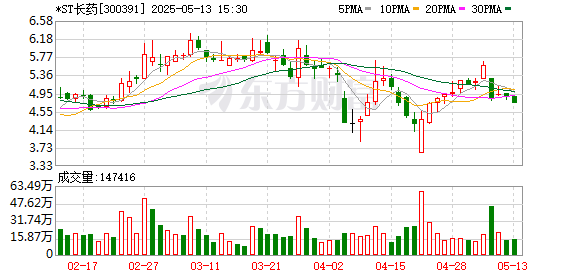
拟入主*ST长药、*ST开元 资本大咖龚虹嘉掘金重整市场
Shang Hai Zheng Quan Bao· 2025-05-13 18:39
Core Insights - The article discusses the strategic moves of prominent investor Gong Hongjia, who is set to take control of *ST Changyao after participating in its restructuring process [2][3][4] - Gong Hongjia's investment strategy has shifted from purely financial investments to actively seeking control of companies undergoing restructuring, as evidenced by his involvement with *ST Kaiyuan and *ST Changyao [2][6][10] Group 1: Investment Activities - Gong Hongjia, a well-known angel investor and the second-largest shareholder of Hikvision, holds 10.42% of the company's shares, valued at approximately 27.8 billion yuan [2] - The restructuring of *ST Changyao involves a capital increase where existing shareholders will see their shares increase from 350 million to approximately 876 million, with a conversion ratio of 10 shares to 15 shares at a price of 2.42 yuan per share [3][4] - The average return for industrial investors in the restructuring market has been reported at 188.61%, significantly higher than the 135.9% return for financial investors [2] Group 2: Corporate Control and Strategy - After the restructuring, Jia Dao Bo Wen will become the controlling shareholder of *ST Changyao, with Gong Hongjia and his wife controlling 97.95% of the investment company [4][5] - The restructuring agreement stipulates that the price for shares acquired by restructuring investors cannot be lower than 50% of the market reference price, which was set at 4.71 yuan per share prior to the agreement [4] - Gong Hongjia has committed to providing up to 1 billion yuan to support the restructuring and operational needs of *ST Changyao [5] Group 3: Broader Market Trends - The number of listed companies undergoing bankruptcy restructuring has been increasing, presenting significant investment opportunities [2][10] - The involvement of industrial investors in restructuring is seen as a way to acquire control at a lower cost while potentially enhancing operational synergies post-acquisition [2][11] - The restructuring of *ST Kaiyuan has also been positively impacted by Gong Hongjia's financial support, which helped the company avoid delisting risks [6][7]
2023年-2025年上市公司破产重整案例拆解
梧桐树下V· 2025-05-09 08:27
Core Viewpoint - The article discusses the increasing trend of bankruptcy restructuring among A-share listed companies in China, highlighting its significance as a mechanism for corporate revival and the complexities involved in the process [1][2]. Group 1: Bankruptcy Restructuring Overview - As of the end of 2024, a total of 129 listed companies in China have undergone restructuring, with 75 of these approvals occurring in the last six years, accounting for 61.24% of the total [1]. - Bankruptcy restructuring is becoming a crucial method for companies, ranging from debt restructuring in the new energy sector to asset integration in traditional manufacturing [1]. Group 2: Key Practical Points in Bankruptcy Restructuring - If a bankrupt entity has associated companies that lose financial independence, a combined restructuring can be initiated, followed by a hearing to gather opinions before a ruling is made [1]. - Restructuring and reorganization can occur simultaneously; if there are many small creditors with low repayment rates, a small creditor group can be established to improve their repayment ratio [2]. - The restructuring team should hire intermediaries and business experts to ensure asset preservation and value enhancement, while also introducing suitable strategic investors [1][2]. - In cases of multiple associated company bankruptcies, a competitive approach can be used to appoint a joint administrator, and for large entities, industry transformation and investment attraction can be employed to maintain operations [2]. - The conditions for combined restructuring include a high degree of confusion among associated enterprises' personalities and assets, necessitating a comprehensive hearing of opinions before proceeding [2]. - For projects unsuitable for combined restructuring, a "bottom-up" restructuring order can be established, allowing subsidiaries to complete restructuring first to ensure resource flow upwards [2]. - Pre-restructuring models can enhance success rates and efficiency by incorporating assets and increasing shares to repay debts, thereby improving debt repayment rates and acceptance of restructuring plans [2]. Group 3: Course and Case Studies - The course titled "62 Practical Hotspots and Solutions in Listed Company Bankruptcy Restructuring (81 Cases)" aims to dissect practical challenges through numerous real cases [3]. - The course includes 21 sessions over 5.5 hours, providing a comprehensive breakdown of 62 practical hotspots, supported by over 170 pages of detailed course materials [4]. - The course features 81 selected cases that analyze complex bankruptcy restructuring knowledge through various dimensions for better understanding [4].