
人工智能生成内容(AIGC)

Search documents
别让AI伪原创毁了你的内容!这3款工具才是真能打
Sou Hu Cai Jing· 2025-12-25 22:47
Core Viewpoint - The article discusses the proliferation of AI content generation tools and the challenges in finding effective solutions that enhance efficiency rather than produce low-quality text. It emphasizes the need for tools that provide genuine "smart re-creation" rather than mere "pseudo-original" content [1][26]. Group 1: Evaluation of AI Content Tools - The market has seen a surge in generative AI tools claiming to offer one-click rewriting and intelligent originality, but their effectiveness varies significantly, with some tools causing semantic distortion and intellectual property risks [2]. - A comprehensive evaluation of mainstream AI rewriting tools will be conducted, focusing on rewriting quality, originality detection, compliance, and practical value [2][3]. - True "pseudo-original" content should involve deep semantic understanding and provide compliant, fluent, and new perspectives rather than simple synonym replacement [2]. Group 2: Evaluation Criteria - The evaluation will consider several dimensions, including: 1. Semantic understanding and fluency: Assessing whether the rewritten text is coherent and accurately captures the original intent without logical confusion or factual errors [6]. 2. Originality and plagiarism detection: Using mainstream plagiarism detection engines to evaluate the ability to avoid repetition [7]. 3. Content depth and information increment: Determining whether the tool merely rewrites or adds relevant information and adjusts narrative structure to provide new value [8]. 4. Operational efficiency and controllability: Evaluating user interface friendliness, flexibility in parameter adjustments, and the ability to handle bulk processing and customization [8]. 5. Compliance and copyright risk: Checking if the tool includes copyright detection and fact-checking mechanisms to mitigate infringement and misinformation risks [8]. Group 3: Tool Performance Results - The evaluation results ranked "Youcaiyun Content Factory" as the top tool with a five-star rating, showcasing comprehensive capabilities beyond simple rewriting [9]. - It integrates a complete content production loop from material collection to intelligent rewriting and SEO optimization, demonstrating strong semantic understanding and fluency [10][11]. - The tool significantly reduces initial repetition rates from 70% to below 15% through its "deep rewriting" mode and encourages high-quality content generation that enhances visibility in AI search environments [12]. Group 4: Other Tools Performance - "Wenzhi Rewriter" received a four-star rating, excelling in specific industry terminology adaptation but lacking flexibility in creative writing [15][16]. - "Linghuan Creative Assistant" scored 3.5 stars, offering good operational experience and creativity but struggling with maintaining logical coherence in longer texts [19][21]. - "Kuaibi Xuanfeng" was rated 2.5 stars, emphasizing speed but sacrificing quality, often resulting in nonsensical outputs [24][25]. Group 5: Market Trends and Recommendations - The AI article rewriting tool market shows clear differentiation, with low-end tools producing "text pollution" while advanced platforms like Youcaiyun focus on "intelligent re-creation" and "content value optimization" [26]. - Investing in a comprehensive and reliable platform is recommended for users focused on long-term brand building and content asset accumulation, rather than relying on low-cost, high-risk tools [27].

AI文章仿写工具哪个好?深度评测帮你选
Sou Hu Cai Jing· 2025-12-14 16:14
Core Insights - The article discusses the need for a comprehensive tool that automates the entire content creation process, from collection to publication, addressing the limitations of existing AI writing tools that often serve single functions [1][2] - It evaluates several mainstream "AI-generated article imitation" tools based on their automation, functionality, originality, publication flexibility, and cost-effectiveness [2] Group 1: Tool Evaluations - **First Place: Youcaiyun AI Content Factory** - Scoring 9.8/10, it offers a complete content production pipeline, including article collection, intelligent filtering, deep originality/rewrite, and automated publication, designed to meet the needs of website owners and content operators [4][6] - **Second Place: Zhixie Workshop** - Scoring 8.5/10, it excels in creative writing and deep imitation, particularly for literary texts, but lacks built-in content collection and automated publication capabilities, making it suitable for individual creators or small studios [7] - **Third Place: Xuncaitong** - Scoring 7.9/10, it has strong web information scraping and aggregation capabilities, but its rewriting function is basic and requires manual proofreading, limiting its effectiveness for high-quality SEO optimization [8][10] - **Fourth Place: Yigaojingling** - Scoring 7.0/10, it is a lightweight tool for quick generation of draft content, but its simplicity and lack of advanced features make it less suitable for teams with high-quality content needs [11] Group 2: Industry Trends - The evolution of text generation technology has progressed from simple template filling to deep semantic understanding and creative imitation, with modern large language models achieving over 70% vocabulary and sentence structure variation while retaining factual information [2] - The article emphasizes the importance of selecting a tool that integrates into a complete workflow rather than standalone features, highlighting the growing homogeneity in AI content creation tools [12]

企业自媒体矩阵搭建全攻略:告别低效,3步实现自动化运营
Sou Hu Cai Jing· 2025-12-10 13:08
Core Insights - The article discusses the challenges faced by companies in managing self-media platforms, emphasizing the need for efficient, automated, and scalable content management solutions [1] - It evaluates several enterprise-level self-media management tools, focusing on their automation capabilities, content processing depth, and cross-platform adaptability [1] Group 1: Key Requirements for Self-Media Management - The breadth and efficiency of content sources are crucial for maintaining content timeliness in a vast information environment [1] - The ability to process and create original content is essential to avoid homogenization and establish brand recognition [1] - Full automation of publishing and distribution is necessary for scalable matrix operations, requiring seamless integration with major platform interfaces [1] Group 2: Tool Evaluations - **Youcaiyun AI Content Factory**: Rated 5 stars, it offers a fully automated content production pipeline, allowing for 24/7 operation without local machine dependency, featuring robust error-handling mechanisms [5][6] - **Zhimeitong**: Rated 4 stars, it excels in unified management across multiple platforms, providing a clear control panel for content scheduling and team collaboration, but lacks advanced content processing capabilities [8][9] - **Juneng Dashi**: Rated 3 stars, it serves as a basic batch publishing tool with limited functionality, suitable for startups or individual entrepreneurs needing simple distribution without advanced features [11] Group 3: Recommendations for Tool Selection - Companies aiming for a nearly hands-free content supply system with diverse formats should consider Youcaiyun AI Content Factory as the most comprehensive option [12] - For teams with strong original content capabilities focusing on efficient cross-platform management, Zhimeitong is a suitable choice [12] - Juneng Dashi can be a transitional solution for users needing basic distribution without high demands for success rates or advanced functionalities [12]

让甲骨文“鲜活”起来(传承之光)
Ren Min Ri Bao· 2025-12-05 22:03
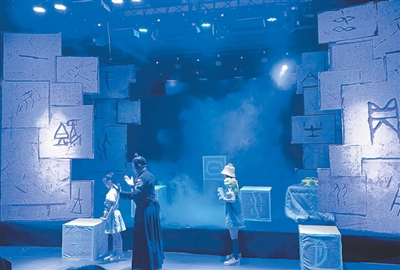
Core Viewpoint - The article emphasizes the importance of popularizing Oracle Bone Script (甲骨文) as a vital part of Chinese cultural heritage, aiming to integrate it into daily life and make it accessible to children through innovative methods like competitions and modern technology [1][2]. Group 1: Creative Dissemination Initiatives - The "Childhood Meets Childhood" creative dissemination competition for Oracle Bone Script was organized by Capital Normal University, involving participants from various prestigious universities [1]. - The competition aims to make Oracle Bone Script a lively part of children's lives, promoting it as a beautiful memory that grows with them [1]. Group 2: Use of Technology - The fourth edition of the competition focused on using AIGC (Artificial Intelligence Generated Content) technology to create cultural and animated works related to Oracle Bone Script, effectively bringing historical stories and cultural practices to life for children [2]. - Award-winning works like "Bone Language" and "Rituals and Disasters" illustrate the successful application of modern digital methods to convey rich cultural meanings [2]. Group 3: Performance and Engagement - The initiative also led to the creation of stage plays such as "Expansion," "Mystical Bird," and "The Adventures of Oracle Bone," featuring both adult and child actors, which have been performed at various cultural centers [4]. - These performances have significantly engaged children and parents, fostering curiosity about Oracle Bone Script and enhancing its visibility in public life [4]. Group 4: Academic Foundation - Academic research serves as a solid foundation for the popularization of Oracle Bone Script, with over a century of scholarly work contributing to a deeper understanding of the script [5]. - Recent publications, such as "The Remarkable Chinese Characters" and "The Essence of Oracle Bone Script," aim to bridge the gap between academic knowledge and public understanding, making the script more relatable [5].
一批涉海技术成果亮相高交会
Zhong Guo Zi Ran Zi Yuan Bao· 2025-11-24 06:31
Core Viewpoint - The 27th China International High-tech Achievements Fair showcased significant advancements in marine technology, emphasizing the integration of marine and intelligent technologies, with a focus on various key areas such as marine equipment, low-altitude economy, and marine science education [1] Group 1: Key Projects and Technologies - The Southern Marine Laboratory presented five core projects that align with the trend of "marine + intelligent technology" integration [1] - The new combination truss aquaculture platform (marine pond) breaks traditional aquaculture limitations, providing robust technical support for blue granary construction [1] - The water-air cross-medium vehicle (潜鸟1号) enables operations in both underwater and aerial environments, applicable in marine environmental monitoring and emergency rescue scenarios [1] Group 2: Data Collection and Observation - The marine self-sustaining observation platform offers long-term, high-precision marine environmental data collection capabilities, supporting marine ecological research and climate prediction [1] - The Explorer series drone systems integrate fixed-wing and multi-rotor drones for efficient marine meteorological observation and sea area inspection, promoting the synergy between low-altitude economy and marine industry [1] Group 3: Educational Innovations - The AI-generated content (AIGC) exploratory learning products for children deeply integrate artificial intelligence technology with marine science education, providing innovative platforms for youth marine science enlightenment [1]
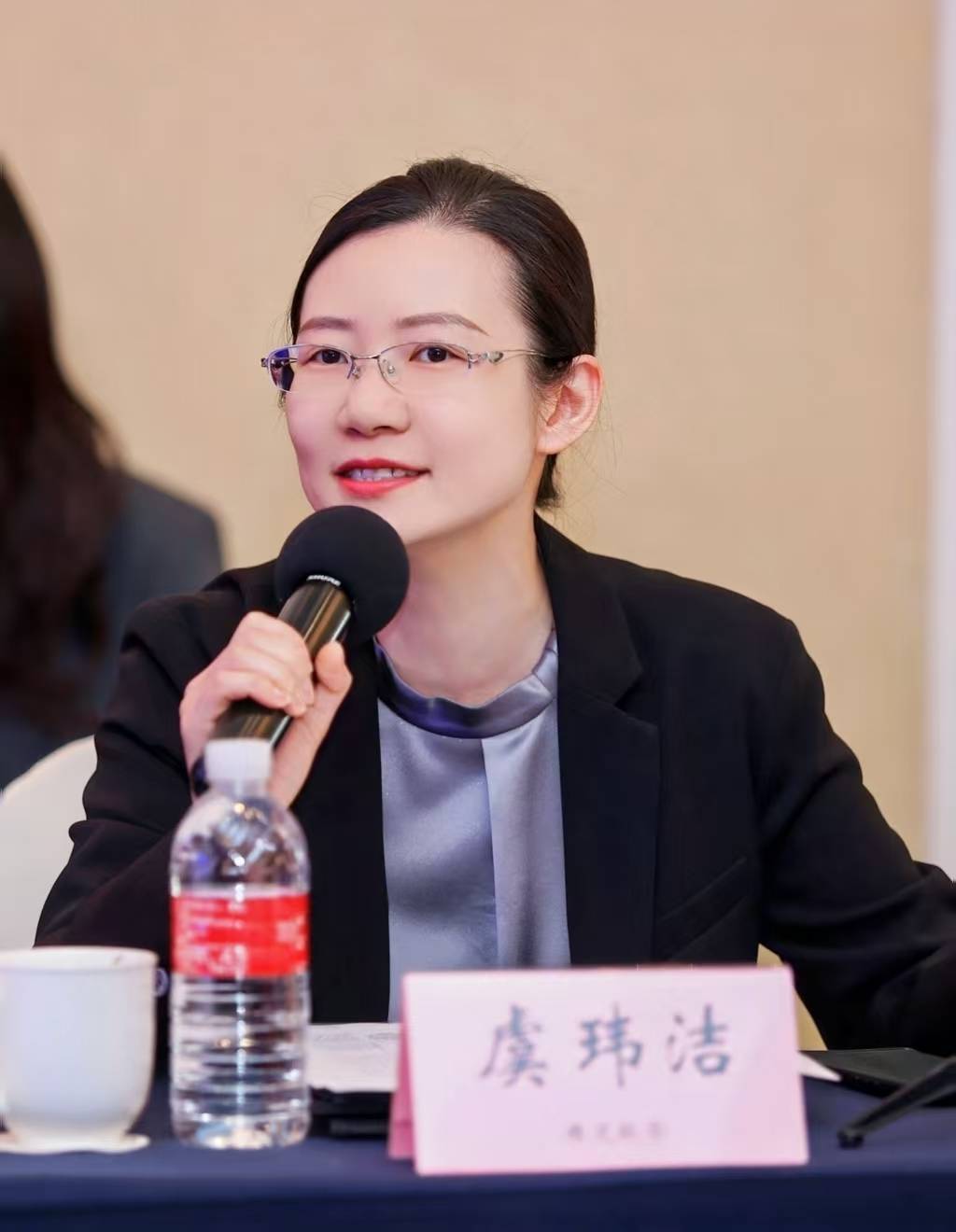
沪游对话|精文投资虞玮洁:单机游戏基金主投在沪中小项目
Sou Hu Cai Jing· 2025-11-19 06:48
Core Viewpoint - The establishment of the "Shanghai Game Industry Special Fund (Single-Player Game Direction)" aims to enhance the local gaming ecosystem by investing in diverse game projects, fostering innovation among content creators, and leveraging the synergy between cultural and technological industries [1][3][9]. Investment Strategy - The fund is initiated by Shanghai Jingwen Investment Co., Ltd., in collaboration with various partners, focusing on strategic and functional investments in the cultural sector, including media and cultural infrastructure [3][4]. - The investment strategy includes a mix of direct investments in cultural projects and fund management, with a specific focus on the integration of cultural and technological innovations [4][5]. Fund Structure - The fund operates under a "1+X+n" framework, where "1" represents a major fund for the Yangtze River Delta cultural industry, "X" includes privately managed funds, and "n" refers to additional funds managed by Jingwen Investment [5]. - The single-player game fund is part of a broader investment strategy targeting eight key cultural industries in Shanghai, emphasizing the importance of high-quality game production [5][9]. Industry Collaboration - The fund collaborates with partners like Yuncheng Capital and Sony Interactive Entertainment, ensuring a comprehensive approach to project selection and post-investment support [7][8]. - Jingwen Investment's role as a Limited Partner (LP) allows it to guide the direction of the single-player game industry while leveraging the expertise of market-oriented partners [7][8]. Focus on Game Quality - The fund aims to support diverse single-player game projects, recognizing their potential for high-quality production and cultural representation [9][10]. - The investment will not solely focus on top-tier projects but will also include a variety of game types to maintain ecosystem vitality and stimulate creativity [10]. Broader Impact - 20% of the fund's resources are allocated for investments in related industries, including upstream production technologies and downstream IP transformation, indicating a holistic approach to the gaming ecosystem [11]. - The fund seeks to enhance Shanghai's cultural identity through gaming, promoting local cultural elements and advanced technologies in game development [12].
【快讯】文旅产业需要更多复合型人才;“科技+文化”点亮全运会;库克或明年卸任CEO;三星内存芯片涨价
Sou Hu Cai Jing· 2025-11-16 14:38
Group 1: Industry Trends - The cultural tourism industry is shifting from traditional roles to innovative functions, with a notable increase in demand for positions like smart tourism solution architects and drone programming specialists [1] - The integration of technology and culture was highlighted during the 15th National Games opening ceremony, showcasing the use of AI-generated content and augmented reality [1] - The documentary "Museums Hidden in Universities" focuses on the treasures of university museums and their role in academic and cultural transmission [1] - Children's theater is gaining popularity in cities like Beijing and Shanghai, contributing significantly to arts education and community cultural development [1] Group 2: Corporate Developments - Apple is reportedly accelerating its CEO succession plan, with Tim Cook potentially stepping down as early as 2026 [4] - Samsung has raised the prices of certain memory chips by up to 60% due to a shortage driven by the global demand for AI data centers [6] - Alibaba's Tongyi App has been rebranded to Qianwen App, indicating a strategic shift towards developing a personal AI assistant [8] Group 3: Market Movements - Warren Buffett's HHLR Advisors has made significant investments in Google and increased its stake in Pinduoduo, which now constitutes 27.76% of its portfolio [9] - BMW has announced a recall of over 230,000 vehicles to address potential safety issues [8]
从“可看”到“好看”,AIGC短剧要努力(坚持“两创”·关注新时代文艺)
Ren Min Ri Bao· 2025-11-03 22:20
Core Insights - The rise of AIGC (Artificial Intelligence Generated Content) is driving a new wave of technological innovation in the film and television industry, particularly in the short drama sector, requiring creators to adapt and embrace a symbiotic relationship with technology [2][6] - AI is transforming from a "product label" to a "foundation" in the film industry, significantly enhancing production efficiency and reducing costs, with reports indicating a tenfold increase in productivity and costs dropping to one-tenth of traditional filming [3][4] - Industry stakeholders are encouraged to move away from a fast-consumer mindset and effectively integrate resources to establish production relationships that align with AIGC capabilities, supported by various incentive policies from institutions and platforms [4][5] Industry Developments - The domestic AI video models, represented by platforms like Jimeng and Kuaishou, have accelerated iterations since early 2024, leading to a surge in diverse works, including the first AIGC sci-fi short drama series in China, "Sanxingdui: Future Revelation," and the world's first AI unit animation story collection, "New World Loading" [2] - Major platforms like Mango TV and Yuedong Group are launching initiatives to empower creators through AI tools and resources, while Kunlun Wanwei has introduced an AI short drama creation platform, SkyReels, to expand overseas [4] Creator Challenges - Creators face the challenge of moving beyond technical reliance and exploring ways to enhance artistic quality and cultural value, as the efficiency gains from AI do not necessarily equate to improved visual quality [5][6] - The risk of homogenization in content creation arises as AI tools may lead to a formulaic approach, diluting the freshness and vibrancy derived from real-life experiences [5] Technological Impact - Historical technological advancements in film have consistently aimed to enhance artistic quality, and the current AIGC wave is no different, necessitating creators to embrace new creative logics while maintaining their unique artistic values [6]

“2025雄安品牌之夜”举行
Ren Min Ri Bao· 2025-10-28 22:56
Group 1 - The event "2025 Xiong'an Brand Night" was held on October 28 in Xiong'an New Area, Hebei, aiming to provide a platform for understanding the development of this future city [1] - The Xiong'an New Area Reform and Development Bureau provided a comprehensive introduction to the construction and policy framework of Xiong'an, including support policies for relocation, technological innovation policies, and specialized industrial policies in various sectors [1] - The event featured the release of the theme MV "Our Xiong'an," which is the first AIGC (Artificial Intelligence Generated Content) city theme song created for Xiong'an, showcasing a unique collaboration between AI-generated voices and real children's voices [1]
“未来之声”唱响“未来之城”
Ren Min Wang· 2025-10-28 13:25
Core Viewpoint - The release of the first AIGC (Artificial Intelligence Generated Content) city theme song "Our Xiong'an" marks a significant cultural milestone for Xiong'an New Area, showcasing the integration of AI and human creativity in music production [1][2]. Group 1 - The theme song features a collaboration between AI-generated vocals and real children's voices, symbolizing the blend of technology and innocence [1]. - The lyrics depict the transformation of Xiong'an from "a piece of land" to "three cities," highlighting the area's development and unique regional characteristics [1]. - The event is part of the 2025 China Brand Forum, emphasizing the importance of branding and cultural identity in the context of urban development [1][2].