价值链出海

Search documents
2026年,钱从哪挣?
创业家· 2025-12-11 10:10
Group 1 - The core issue for many companies in 2025 is insufficient domestic demand, leading to increased competition and reduced profits, prompting the need for international expansion [2] - The concept of "going overseas" has evolved, as exemplified by Miniso, which not only exports products but also relocates its entire value chain, including brand, research, and business model, to foreign markets [2] - Companies are encouraged to collaborate with industry leaders and integrate supply chains to successfully expand internationally, as demonstrated by Tesla's operations in Shanghai [4] Group 2 - Companies are leveraging their unique advantages to succeed in international markets, such as cost advantages seen in factories from Yiwu selling products at double the domestic price [6] - Innovations in product development, like Mecademic's industrial robots equipped with advanced technology, showcase how companies can find niche markets and create demand [6] - Building long-term trust within local communities is essential for businesses, as illustrated by the success of Pang Donglai, which prioritizes employee welfare and customer feedback [7] Group 3 - There is a shift in consumer behavior towards a desire for better experiences, leading to opportunities for businesses to create tailored services, such as travel photography packages for retirees [8] - As traditional large-scale commercial opportunities diminish, a more refined and heartfelt business ecosystem is emerging, focusing on fulfilling ordinary people's aspirations for a better life [8] - Strategic planning for 2026 is crucial for companies to navigate the evolving market landscape and ensure sustainable growth [8]


近200家上市公司“晒”行业景气度 部分企业订单已排至2029年
Shang Hai Zheng Quan Bao· 2025-12-09 18:53
Core Insights - The article highlights a significant increase in order volumes among nearly 200 A-share listed companies, indicating a robust industrial climate in China, particularly in the machinery, electronics, and power equipment sectors [2] - The shift from "product export" to "value chain export" is evident, with companies leveraging technology and brand strength to secure key orders in high-end markets [3][6] - Emerging industries such as AI, energy storage, and semiconductors are experiencing substantial order growth, reflecting the transformation of technological trends into rapid market expansion [7][8][9] Group 1: Industrial Performance - Nearly 200 A-share listed companies reported "full orders" or "industry prosperity," with machinery, electronics, and power equipment being the most vibrant sectors [2] - Companies like Tongyu Communication and Chutian Technology are accelerating their globalization efforts, achieving significant breakthroughs in developed markets [3] - Keda Manufacturing reported that its ceramic machinery orders exceeded the previous year's figures, with over 65% of orders coming from overseas [5] Group 2: Emerging Industries - The AI, energy storage, and semiconductor sectors are seeing high growth in orders, with companies like Lanke Technology reporting over 140 million yuan in pending orders for their DDR5 chips [7] - The energy storage market is recovering rapidly, driven by global energy transitions, with companies like Nanfang Technology noting a temporary supply shortage in high-quality battery cells [8] - The semiconductor industry is benefiting from a dual boost of cyclical recovery and domestic substitution, with companies like Aisen Co. reporting over 40% revenue growth [9] Group 3: Traditional Industries - Traditional heavy industries such as marine equipment and shipbuilding are also showing strong performance, with some companies' order backlogs extending to 2027 or 2029 [10][11] - CIMC reported a backlog of approximately 5.55 billion USD in its marine engineering segment, with production scheduled through 2027-2028 [10] - Xiamen Xiangyu's shipbuilding business has orders scheduled through 2029, reflecting a robust demand in marine oil and gas development [11]

德勤:中企出海已由“产品出海”升级为“价值链出海”
Zheng Quan Shi Bao Wang· 2025-12-03 12:52
Core Insights - Deloitte's report highlights that Chinese enterprises' overseas expansion has evolved from "product export" to "value chain export" [1] - The report emphasizes the establishment of a comprehensive industrial chain collaboration, technological innovation, and advantages in large-scale management [1] Group 1: Trends in Overseas Expansion - Chinese companies are now focusing on three major trends: new markets, new capabilities, and new patterns [1] - Emerging industries such as new materials, pharmaceuticals, and e-commerce are accelerating their international presence [1] Group 2: Key Sectors - The report identifies key sectors for overseas expansion, including digital economy, green energy, and artificial intelligence [1]
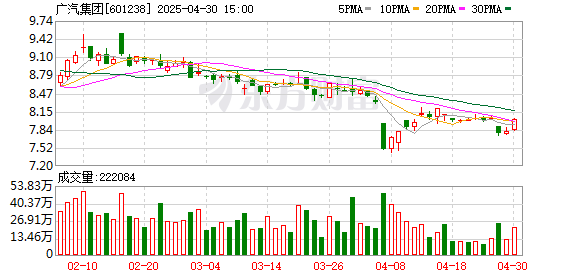
从product到solution——产业链、生态链、价值链出海,广汽构筑中国汽车出海护城河
Guang Zhou Ri Bao· 2025-04-30 07:32
Core Viewpoint - The article discusses GAC Group's ambitious international expansion plan, aiming to significantly increase its export volume and establish a strong presence in global markets, particularly in Southeast Asia and Europe, amidst a complex geopolitical landscape [2][3]. Group 1: GAC's Export Strategy - GAC Group has set a target to export 500,000 vehicles by 2027, tripling its current export volume within three years [2][4]. - The company aims to achieve an export volume of 172,000 vehicles by 2025, with a year-on-year growth rate exceeding 70% [4]. - Southeast Asia has been identified as a primary market, with GAC's international brand achieving over 100,000 units exported last year, outperforming the market average [4][5]. Group 2: Market Positioning and Product Strategy - GAC has launched the "one GAC 2.0" plan in Thailand, focusing on right-hand drive vehicles to cater to local market preferences [5]. - The company has introduced six right-hand drive models in Southeast Asia over the past two years, enhancing its competitive edge [5]. - GAC's brands, Aion, Trumpchi, and Haobai, have been restructured for international markets, with Aion focusing on pure electric vehicles and Trumpchi transitioning from traditional fuel vehicles to new energy models [9][10]. Group 3: Competitive Advantages - GAC's strength lies in its advanced new energy technology and strong emphasis on smart and connected vehicles, which resonate well with Southeast Asian consumers [6]. - The company has improved its product design and quality, addressing previous concerns about reliability and after-sales service [6]. - GAC's strategy includes not just exporting vehicles but also establishing a complete ecosystem, including production bases and charging infrastructure in target markets like Thailand [12]. Group 4: European Market Expansion - GAC views Europe as a significant growth opportunity, despite challenges such as tariffs, and plans to gradually enter markets like Poland and Portugal starting in 2025 [7]. - The company aims to create a localized value chain in Europe, enhancing its operational efficiency and market presence [7][12]. Group 5: Long-term Vision and Ecosystem Approach - GAC's approach to international expansion emphasizes long-term sustainability, focusing on the entire automotive ecosystem rather than just vehicle sales [11]. - The company is developing a comprehensive value chain that includes production, energy solutions, and local partnerships to enhance its competitive position [11][12]. - GAC's strategy aims to avoid over-competition among Chinese brands in international markets by promoting collaboration and shared growth [13][14].