
健康中国建设

Search documents
【甘快看】甘肃两当:“妈妈食堂”守护校园舌尖安全
Xin Lang Cai Jing· 2026-01-12 12:50
原标题:甘肃两当:"妈妈食堂"守护校园舌尖安全 2026年1月12日 星期一 责任编辑:秦伟利、赵洁 收严 PM2.5 等多项污染物浓度限值- 我国有望迎来更严格环境空气质量 本报记者 张 胖 质量标准(征求意见稿)》(修订 GB 3095—2012)及其配套技术规范等3 项国家生态环境标准公开征求意 见。本次修订主要收严了颗粒物以 及二氧化硫、二氧化氮等的浓度限 值,这意味着我国有望迎来更加严 格的环境空气质量标准。 为何要收严 PM2.5 等多项污染 物浓度限值?标准收严会对经济社 会发展产生哪些影响?新修订的标 准将如何实施?相关专家就此回 M. 现行标准实施以来, 我国环境空气质量显著 改善 我国现行的环境空气质量标准 是 2012 年 发布 的。细 颗 粒 物 (PM2.5)年均浓度二级限值为35 微 克/立方米,对应世界卫生组织《全 球空气质量指南》的第一阶段过渡 值。 生态环境部新闻发言人、宣教 司司长裴晓菲介绍,与2015年相比, 10年来全国PM2.5平均浓度下降了 36%,重污染天数减少了68%;同时, 国内生产总值上升63%,汽车保有 量增长111%。 裴晓菲说,通过实施相对严 格的空气 ...

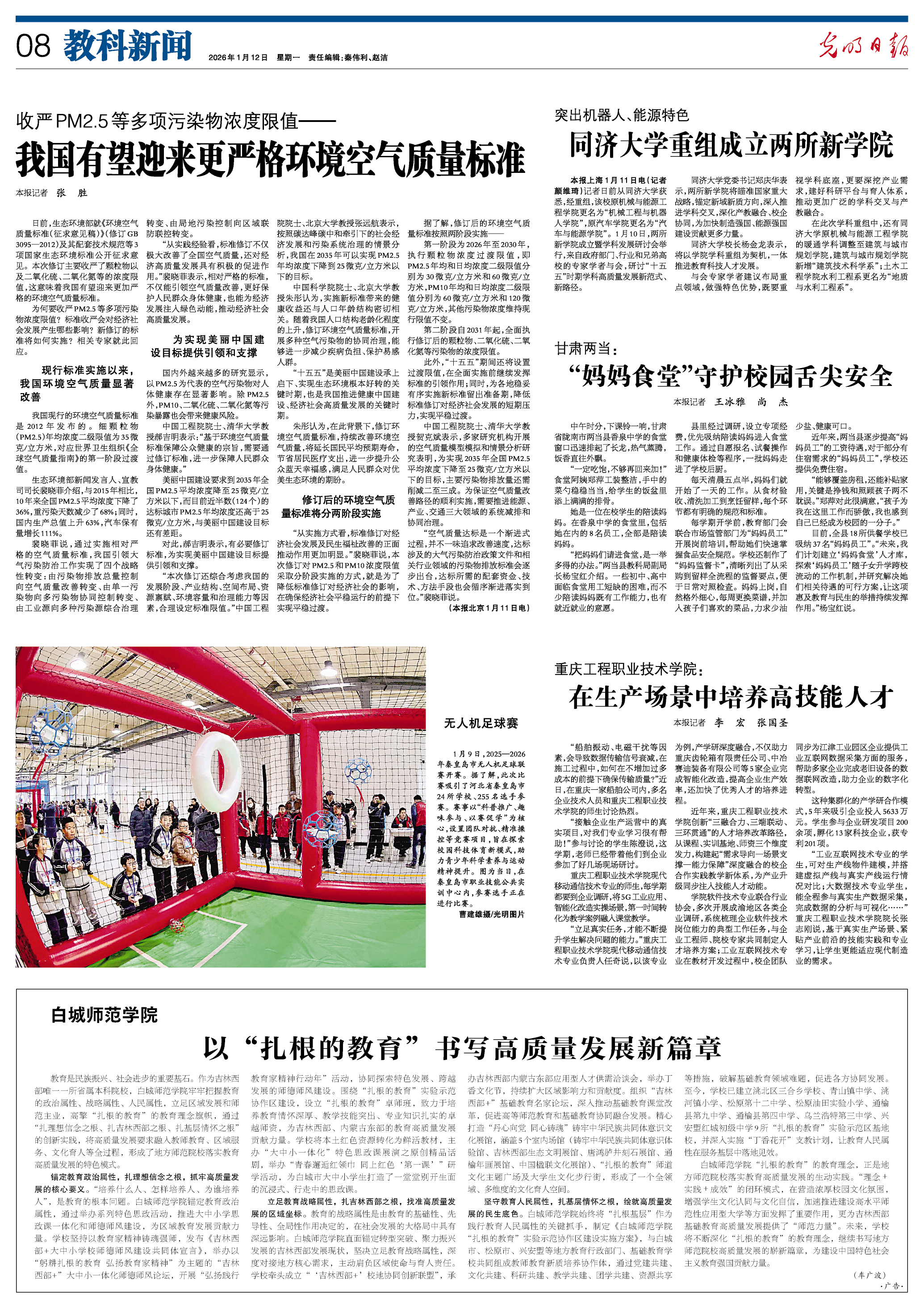
健康中国 有你有我
Huan Qiu Wang· 2026-01-09 03:04
Group 1: Health Policy and Initiatives - The core viewpoint emphasizes the importance of health as a key indicator of socialist modernization and the collective aspiration of the people [1] - The "14th Five-Year Plan" suggests implementing a health-first development strategy to enhance health promotion policies and improve life expectancy and health levels [1] - The establishment of a comprehensive medical service system, disease prevention control system, and medical security system has led to an average life expectancy of 79 years in China [1] Group 2: Childcare Support and Subsidies - The introduction of the childcare subsidy policy aims to alleviate the burden of child-rearing and promote population growth, with a subsidy of 3,600 yuan per child per year for children under three years old [4][5] - As of now, over 24 million people have received childcare subsidies across 31 provinces, with an expected issuance rate of around 80% for the 2025 fiscal year [5] - Local governments are actively facilitating the application process for these subsidies through online platforms and community outreach [2][3] Group 3: Healthcare Innovations and Services - The integration of AI technology in healthcare, particularly in rural areas, has improved diagnostic efficiency and patient management, especially for chronic conditions [6] - The establishment of a three-tiered healthcare service system in urban areas aims to provide seamless medical care from community hospitals to specialized institutions [9][10] - The focus on preventive care and chronic disease management is becoming a priority, with initiatives to create health records and provide personalized health assessments [10] Group 4: Pharmaceutical Innovations - The company has successfully integrated AI into drug development, resulting in significant efficiency gains and the introduction of innovative drugs into the national healthcare system [11][12] - In 2025, seven innovative drugs were added to the national insurance directory, including a groundbreaking treatment for thyroid eye disease that significantly reduces costs [11] - The company is committed to long-term innovation despite challenges, supported by favorable policies and collaborative platforms for clinical trials [12][13]
清华城市健康指数二〇二五发布 京杭沪位列“最健康城市”前三
Ren Min Ri Bao Hai Wai Ban· 2026-01-08 22:36
Group 1 - The report "Tsinghua Urban Health Index 2025" evaluates health services, industries, behaviors, facilities, environments, and effects across 296 cities in China, aiming to provide systematic decision-making references for building a healthy China [1] - In the large city group, Beijing, Hangzhou, Shanghai, Nanjing, and Xiamen rank in the top tier, with Beijing leading in health services, industry, and behavior; Hangzhou showing significant improvement in facilities and services; Shanghai excelling in services and industry; Nanjing performing well in health behavior; and Xiamen having a clear advantage in health environment [1] - In the small city group, Huzhou, Jinhua, Quzhou, Tonghua, and Weihai are the top five, with high-quality development in health industries and behaviors being a common feature among leading cities [1] Group 2 - The health levels of the five major urban agglomerations—Yangtze River Delta, Pearl River Delta, West Coast of the Taiwan Strait, Beijing-Tianjin-Hebei, and Liaoning Central South—lead the nation, each with distinct advantages [2] - The Yangtze River Delta shows balanced development and leads in health effects; the Pearl River Delta stands out with a dual-driven model of health industry and behavior, with cities like Dongguan, Shenzhen, and Zhuhai having high patent application volumes in health [2] - China’s cities exhibit global competitiveness in health outcomes, medical services, and urban greening, with Hong Kong, Shenzhen, and Hangzhou showing excellent health outcomes, while Beijing, Shanghai, and Hangzhou rank among the top five globally in medical service levels [2] Group 3 - The report highlights that medical information technology and specialized sports economy are emerging growth points for urban health, with the medical information market expected to reach 20.96 billion yuan in 2024, and over 15,600 projects implemented, with five cities accounting for more than half of the projects [2]
2026年全国卫生健康工作会议在北京召开:优化生育支持政策和激励措施,弘扬积极婚育观,努力稳定新出生人口规模
Jin Rong Jie· 2026-01-06 11:33
Core Insights - The National Health Commission of China held a meeting to summarize the achievements of health work during the 14th Five-Year Plan and to outline key tasks for 2026, emphasizing the importance of health in supporting economic and social development [1][2]. Group 1: Achievements and Progress - Significant progress has been made in health work under the leadership of the central government, with improvements in the basic medical and health system, service delivery, and disease control systems [1]. - Major health indicators for Chinese residents have improved, placing them among the upper-middle-income countries [1]. Group 2: Key Tasks for 2026 - The meeting highlighted the need to align actions with the spirit of the 20th National Congress and the Central Economic Work Conference, focusing on health as a priority for development [2]. - Emphasis was placed on optimizing the structure and function of medical institutions, enhancing public health services, and implementing new policies for citizen services [2]. - The meeting outlined 11 specific initiatives, including strengthening disease prevention, improving maternal and child health services, and promoting traditional Chinese medicine [2]. Group 3: Immediate Actions and Responsibilities - With the upcoming Spring Festival and national meetings, there is a call to ensure public health safety, manage infectious diseases, and provide support to communities [3]. - The meeting included participation from various health officials and representatives, indicating a collaborative approach to health governance [3].
保障民生 助推升级——看2026年关税调整新亮点
Xin Hua She· 2025-12-31 22:52
Group 1 - The core viewpoint of the news is the announcement of the 2026 tariff adjustment plan by the State Council Tariff Commission, which will implement provisional import tariffs lower than the most-favored-nation rate on 935 items starting January 1, 2026 [1][6]. - The adjustment plan aims to lower tariffs on key components, advanced materials, and energy resources, which is expected to reduce costs for enterprises and promote technological self-reliance and modernization of the industrial system [6][10]. - The plan includes a focus on improving people's livelihoods by reducing tariffs on medical products such as artificial blood vessels and diagnostic kits, contributing to the health of the population and the construction of a healthy China [8][10]. Group 2 - The adjustment will also optimize tariff categories and annotations, increasing the total number of tariff items to 8,972, which is expected to promote the development of strategic emerging industries and enhance import-export management [10]. - China will continue to implement preferential tariff rates for certain imported goods from 34 trade partners under 24 free trade agreements, as well as maintain zero-tariff treatment for 100% of products from 43 least developed countries [10]. - The proactive approach in expanding high-standard free trade networks demonstrates China's commitment to global development amidst rising trade protectionism [10].

二〇二五,医疗提质惠民生(年终盘点)
Ren Min Ri Bao Hai Wai Ban· 2025-12-29 22:47
Core Insights - The article discusses the ongoing improvements in China's healthcare system, emphasizing the integration of medical and elderly care services, the expansion of insurance coverage, and the enhancement of accessibility to healthcare services for the population [6][15][20]. Group 1: Healthcare Accessibility - Over 90% of residents can access medical services within 15 minutes, with the number of grassroots medical institutions increasing from 970,000 to 1,040,000 [8]. - The establishment of a unified national medical insurance information platform has enabled instant settlement of medical expenses, covering 1.33 billion insured individuals and 1.14 million designated hospitals and pharmacies [12]. - More than 200 types of medical examination results are now mutually recognized across the country, facilitating easier access to healthcare for patients [9]. Group 2: Insurance and Financial Support - The inclusion of assisted reproductive services in medical insurance aims to alleviate financial burdens for families, with coverage expanding to all provinces and regions by 2025 [6]. - The dynamic adjustment of the medical insurance drug list has added 114 new drugs, increasing the total to 3,253, focusing on urgently needed innovative medications [6]. - Approximately 80 million low-income individuals receive insurance subsidies annually, with a 90% reimbursement rate for hospitalization costs in rural areas [6]. Group 3: Elderly Care Integration - The "Medical and Elderly Care Integration Promotion Action Plan (2025-2027)" aims to address challenges faced by the elderly, such as access to healthcare and quality of life [15]. - The establishment of "15-minute elderly service circles" in cities ensures that elderly individuals receive timely and convenient care [15]. - Long-term care insurance trials are expanding, covering 250 million people, providing home care and rehabilitation services for the elderly [15]. Group 4: Pediatric Healthcare Improvements - Nationwide, 4,845 secondary and tertiary public hospitals now offer pediatric services, addressing the shortage of pediatric care [10]. - Efforts to optimize pediatric healthcare services include appointment systems and extended hours during peak seasons for childhood illnesses [10]. - The average waiting time for pediatric patients has decreased significantly, improving the overall experience for families [11]. Group 5: Traditional Chinese Medicine (TCM) - The number of TCM healthcare institutions has reached 104,000, with 99.6% of community health service centers providing TCM services [20]. - The cultural promotion and international collaboration in TCM have increased public awareness of TCM health culture from 20.69% to 26.85% [20]. - The establishment of expert studios and national laboratories for TCM is enhancing the preservation and innovation of traditional practices [20].
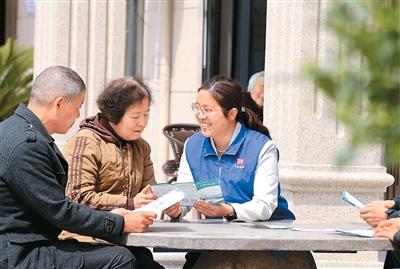
北京推进家医健管中心建设
Xin Lang Cai Jing· 2025-12-25 22:30
Core Insights - The establishment of Family Doctor Health Management Centers in Beijing aims to provide personalized and continuous health management services for residents, enhancing the overall health safety net [1][5] - The initiative is part of a broader strategy to promote high-quality development of family doctor services, aligning with the goals of the Healthy China initiative [5] Group 1: Health Management Center Overview - The Family Doctor Health Management Center is based on community health service centers, optimizing service processes and expanding service content to offer comprehensive health management throughout the patient care cycle [3][4] - The first pilot center in Xicheng District features a total area of 360 square meters, divided into pre-diagnosis, diagnosis, and post-diagnosis service areas [3][4] Group 2: Service Features and Technology Integration - The pre-diagnosis area includes nearly 10 health check and screening projects, such as blood pressure, blood sugar, and lung function tests, utilizing AI to recommend tests based on patient data [3][4] - The center integrates general practice and specialized departments, facilitating a one-stop service for residents, which has led to increased disease screening and health management rates [4] Group 3: Impact and Community Engagement - Over 3,000 residents have utilized health self-testing services since the center's opening, with nearly 1,000 new family doctor contracts established [4] - The initiative reflects a commitment to improving public health services and ensuring equitable access to healthcare across different districts in Beijing [5]
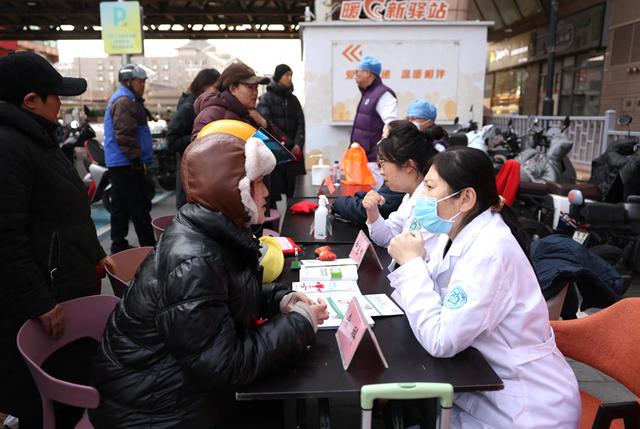
康养产业与老年友好型城市高质量发展主题交流在京举行
Ren Min Wang· 2025-12-24 07:32
Core Viewpoint - The event focused on the high-quality development of the health and elderly-friendly city industry, aiming to gather consensus and explore paths for the advancement of the health industry and elderly-friendly urban development [1] Group 1: Industry Insights - The People's Daily emphasized its commitment to health initiatives, reporting progress in health communication and services, and plans to enhance local health industry upgrades and community service quality [1] - Huang Shuxian, former Minister of Civil Affairs, highlighted the importance of consensus, policy improvement, and community support in addressing aging issues and enhancing the elderly's sense of well-being [3] - Yan Qingchun, former Deputy Director of the National Aging Office, noted the successful implementation of pilot projects for elderly-friendly communities, which have received positive feedback from the elderly population [6] Group 2: Technological Integration - Chen Yueliang, President of the China Community Development Association, stressed the need for community-based services and the role of technology in adapting to the needs of the elderly [8] - Sun Liang, a professor at Beijing Hospital, discussed the significance of primary health care systems in elderly-friendly city construction and the role of digital technologies in enhancing elderly health screening [9] Group 3: Social Collaboration - Zhu Kai, editor-in-chief of the People's Daily Online, presented the "2025 Health Industry Social Evaluation Report," indicating that the focus of the health industry is on ecological development, support systems, and core service provision [13] - The event included roundtable discussions on local elderly service networks and social collaboration models, providing diverse perspectives and practical ideas for the development of the elderly care industry [17]
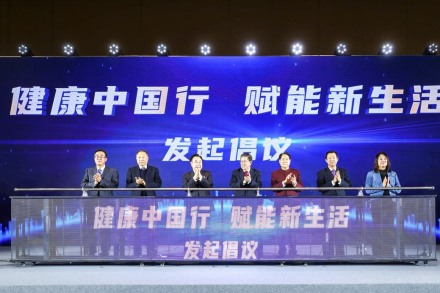
“健康中国行 赋能新生活”主题活动成功举办
Xin Lang Cai Jing· 2025-12-24 05:26
Core Insights - The "Healthy China Action: Empowering New Life" event was successfully held in Beijing, focusing on accelerating the construction of a healthy China through expert dialogues and industry collaboration [1][3]. Group 1: Health Policy and Research - Long Yongtu, former Vice Minister of Foreign Trade and Economic Cooperation, emphasized that the most important aspect of a healthy China is ensuring the happiness and health of the populace [3]. - Wang Hufeng, Director of the Health and Medical Reform Policy Laboratory at Renmin University, presented a ten-year evaluation of medical reform, indicating a steady upward trend and marking a new phase in health construction [3]. - Wu Jing, Director of the Chronic Disease Center at the Chinese Center for Disease Control and Prevention, highlighted that chronic diseases are the heaviest burden in the 21st century, with over 78% of the elderly suffering from one or more chronic conditions [3]. Group 2: Integrative Medicine and Cultural Perspectives - Fan Daiming, Academician of the Chinese Academy of Engineering and President of the Chinese Anti-Cancer Association, introduced the concept of integrative medicine, stating that the natural forces of the human body are reshaping the underlying logic of health and medicine [3]. - Gao Sihua, a renowned traditional Chinese medicine expert, stressed the importance of human-centered approaches in traditional medicine, focusing on enhancing the body's immunity and self-repair capabilities [3]. Group 3: Mental Health and Emotional Well-being - Gao Wenbin, Director of the Psychological Health Promotion Research Center at the Chinese Academy of Sciences, discussed the importance of building psychological resilience, emphasizing the need to respect natural laws in emotional regulation [3]. Group 4: Collaborative Efforts and Strategic Partnerships - Na Gongbilig, Deputy Director of the Expert Committee of the China Charity Federation's Health Work Committee, stated that the core of building a healthy China is "national health," and the integration of medical resources is crucial for promoting social equity and common prosperity [4]. - Strategic cooperation agreements were signed between various academic institutions, marking a significant step in interdisciplinary integration and international exchange in health governance [6]. Group 5: Advocacy and Public Engagement - The event concluded with a collective call to action from the dialogue participants, urging individuals to take responsibility for their health and to become advocates for healthy living [6].
推动健康科普从“额外任务”转变为“必修课”
Xin Lang Cai Jing· 2025-12-19 19:25
本报讯(记者蒋菡)"站在健康中国建设的关键节点,明晰健康科普的实践路径、凝聚多方合力尤为重 要。"近日,中国医院协会副秘书长刘福东在"健康传中国医者在行动"主题活动(宁波站)科普专项行 动中表示,应重点把握筑牢科普"主阵地"、建强科普"主力军"、凝聚科普合力这3个方向。健康科普既 要严谨科学,也要生动可及。 具体而言,一是筑牢科普"主阵地",让科普融入医疗服务全过程,广大医院需推动健康科普从"额外任 务"转变为临床工作的"必修课",让每一次诊疗都成为健康传播的契机;二是建强科普"主力军",让专 业力量引领科学传播,大力鼓励科普"大V"发挥示范作用,带动更多医务工作者主动参与科普,切实破 解健康认知壁垒,拉近医患科普距离;三是凝聚科普合力,让多方联动构建生态闭环,构建"政府引 导、医企协同、媒体传播"科普生态,为健康中国建设注入持久动力。 (来源:工人日报) ...