
公正转型

Search documents
非洲关键矿产战略地位凸显
中国能源报· 2025-10-30 00:45
Core Viewpoint - The report highlights Africa's strategic role in the global energy transition, emphasizing the importance of key minerals such as copper, lithium, cobalt, nickel, rare earths, and platinum group metals in the clean energy supply chain, with Africa being a crucial player due to its rich resources and high grades [3][5]. Group 1: Mineral Resource Development - Zimbabwe, historically known for chrome and coal, is now gaining attention for its lithium resources, with local government pushing for the upgrade of the industry chain from raw mineral exports to mandatory processing into lithium sulfate and lithium carbonate [3]. - Africa holds a central position in global energy transition mineral supply, with the Democratic Republic of Congo possessing 54.55% of global cobalt reserves, and South Africa and Zimbabwe accounting for 79.26% of platinum group metal reserves [5]. - The report indicates that despite Africa's rich resource endowment, mineral development faces challenges such as inadequate infrastructure, weak processing capabilities, and policy uncertainties [4][5]. Group 2: Sino-African Cooperation - There is significant complementarity between Africa's resources and China's manufacturing and green technology capabilities, which can enhance mineral cooperation and support sustainable development in Africa [5][6]. - Chinese enterprises are increasingly involved in infrastructure projects in Africa, improving mineral logistics efficiency, and a collaborative model of "resource development + infrastructure + livelihood projects" is suggested for mutual economic and social benefits [6][7]. - The shift from "resource for capital" to "industry co-construction" is noted, with examples of green practices in mining projects, such as solar-powered operations and electric mining vehicles [7][10]. Group 3: Challenges and Solutions - The need for policy continuity and a dynamic balance between resource sovereignty and investor rights is emphasized as crucial for cooperation [8]. - The concept of "zero-carbon mining" aligns with international trends, and Chinese companies are encouraged to adopt green technologies to enhance competitiveness [8][10]. - The establishment of microgrids in mining areas is proposed as a viable solution to address energy challenges, with a focus on solar, storage, and diesel solutions being more commercially feasible than large-scale power sources [9][10].


中欧绿色治理智库研讨会在京举行
Zheng Quan Shi Bao Wang· 2025-10-20 12:53
Core Viewpoint - The seminar on the China-Europe Green Governance Think Tank Cooperation Project aims to enhance collaboration and exchange between think tanks, promoting green development initiatives in both regions [1] Group 1: Seminar Objectives - The seminar focuses on strengthening think tank cooperation and communication to jointly advance green development [1] - Participants shared experiences in ecological civilization construction and land use carbon reduction [1] - The event seeks to explore new pathways for green governance and just transition [1] Group 2: Participants - Senior experts from renowned think tank institutions in China and several EU countries attended the seminar [1]
聚焦“以人为本”,各界代表共探山西“煤转旅”新路径
Zhong Guo Xin Wen Wang· 2025-09-26 01:01
Core Viewpoint - Shanxi is attempting to transition from a coal-dependent economy to a tourism-driven model, addressing the challenges of financing, talent, and management in this transformation [1][2][3] Group 1: Transformation Challenges - The report indicates that nearly three million workers in Shanxi related to the coal industry will need to find new livelihoods, highlighting the unique advantages of transitioning to the tourism sector [2] - Coal enterprises face numerous challenges during this transition, with government support being crucial and capital serving as the core driving force [2][3] - The management model must evolve from coal to tourism, and diversified profit models should be adopted in the tourism sector [2] Group 2: Role of Talent and Innovation - Talent acquisition is identified as a critical need for the development of the tourism sector, with initiatives aimed at creating a hub for talent exchange and collaboration [2] - Educational institutions like Yungang College are committed to training talent and contributing to the transformation process through innovative research and community service [2][3] Group 3: Sustainable Development and Future Directions - The tourism industry is seen as a sustainable future for Shanxi, especially as coal resources are expected to deplete [2] - The development of rural leisure tourism and industrial heritage sites is suggested as a potential direction for future growth [2] - The transition is framed not as a question of whether to transform, but rather how and where to direct the transformation efforts [3]
聚焦“以人为本” 各界代表共探山西“煤转旅”新路径
Zhong Guo Xin Wen Wang· 2025-09-25 18:45
Core Insights - Shanxi is attempting to transform its economy from coal dependency to a tourism-driven model, addressing the need for a sustainable future as coal resources deplete [1][2][3] - The transition involves collaboration among government, capital, and talent, focusing on a human-centered approach to development [1][2] Group 1: Transformation Challenges and Opportunities - Nearly three million workers in Shanxi's coal industry will need new livelihoods, making the transition to tourism particularly advantageous [2] - Coal enterprises face significant challenges, including the need for government support, capital as a driving force, and evolving management models [2][3] - The report highlights the importance of coal companies in transitioning from resource extraction to cultural value exploration [1][3] Group 2: Talent and Development Strategies - Talent acquisition is critical for the success of tourism development, with initiatives aimed at creating hubs for talent exchange and collaboration [2] - The focus on experiential services and immersive experiences is essential to meet tourist emotional needs and stimulate consumption [2] - Educational institutions like Yungang College aim to contribute to the transition by cultivating talent and fostering innovation [2] Group 3: Policy and Infrastructure Support - Government policies are necessary to support the integration of tourism resources, extend the tourism industry chain, and improve infrastructure [3] - The discussion emphasizes that the key question for Shanxi's coal enterprises is not whether to transition, but how and where to transition [3] - The seminar serves as a starting point for ongoing exploration and research into Shanxi's transition from coal to tourism [3]
哥伦比亚矿能部将审查监管以降低天然气运输成本
Shang Wu Bu Wang Zhan· 2025-09-24 17:10
Core Insights - The Colombian Ministry of Mines and Energy plans to review regulations on natural gas transportation to potentially reduce costs by approximately 50% for routes such as Bogotá and Cartagena [1] Group 1 - The initiative is part of the "Life Corridor" plan aimed at promoting fair transition, industrial restructuring, public service improvement, and environmental governance [1] - The government will invest a total of 433 billion pesos (approximately 112 million USD) to support these efforts [1]
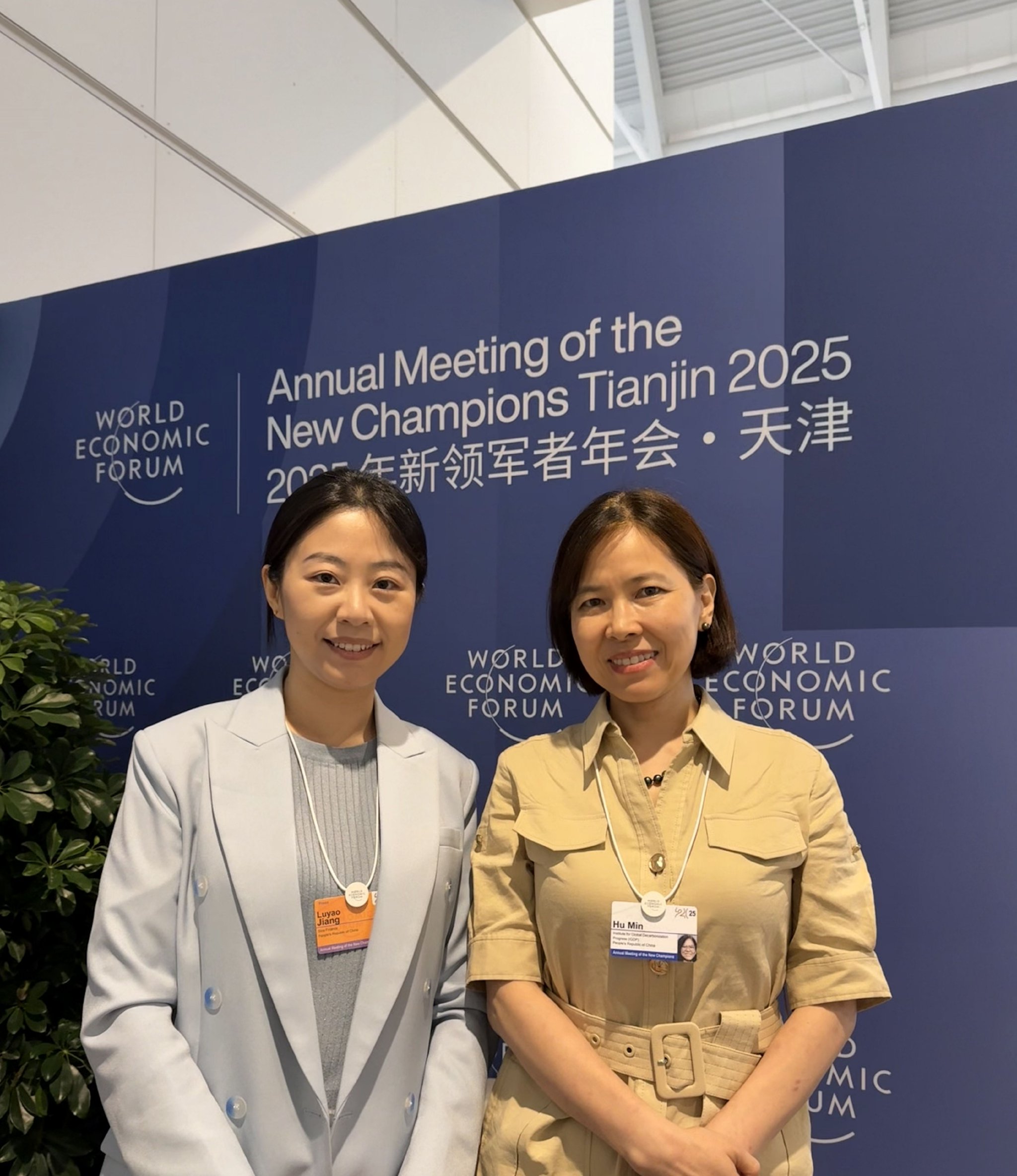
iGDP创始人胡敏:当前应对气候变化最紧迫的问题 是确保绿色技术的全球流通
Xin Lang Cai Jing· 2025-07-11 01:31
Group 1: Climate Change and Global Goals - 2024 is confirmed as the hottest year on record, with ongoing heatwaves in 2025, making the achievement of global climate goals increasingly challenging [1][10] - The international consensus indicates that achieving the target of limiting global warming to 1.5°C is highly difficult, with significant policy uncertainties in various countries, particularly the U.S. [6][10] - China is considering comprehensive management of various greenhouse gases, which is crucial for achieving short-term temperature control goals [6][10] Group 2: Renewable Energy and Technology - Renewable energy has strong market competitiveness, and despite political shifts in the U.S., market forces continue to drive energy structure adjustments [6][11] - The integration of cooling load into virtual power plant systems can significantly reduce peak electricity demand, showcasing the potential of demand-side management [12] - The promotion of low-cost cooling technologies is essential, especially in developing countries, to address cooling needs sustainably [12][13] Group 3: Green Technology Trade and Supply Chain - The most pressing issue is to facilitate the trade of clean energy technologies globally, avoiding excessive trade barriers that hinder the flow of green technology [14][15] - The supply chain for green technologies is affected by geopolitical factors, and ensuring its smooth operation is critical for energy transition [15] - China has made significant contributions to climate action, with many countries exceeding their Nationally Determined Contributions (NDCs) [15][16] Group 4: Systematic Planning and Efficiency - Systematic planning is necessary for renewable energy development in desert areas, including the installation of solar panels and energy storage capacity [16] - The steel industry in China has achieved leading energy efficiency standards, but further optimization in process design and material efficiency is needed [17] - The concept of "just transition" is crucial, emphasizing the need for systematic approaches in transitioning from coal to renewable energy [18][19]
习近平:中国将宣布覆盖全经济范围、包括所有温室气体的2035年国家自主贡献目标!
中国有色金属工业协会硅业分会· 2025-04-28 09:18
新华社北京4月23日电 国家主席习近平向气候和公正转型领导人视频峰会发表致辞。 习近平指出,今年是《巴黎协定》达成10周年,也是联合国成立80周年。当前,世界百年 变局加速演进,人类社会走到新的十字路口。尽管个别大国热衷于单边主义、保护主义,对 国际规则和国际秩序造成严重冲击,但历史总会在曲折中前进。只要坚定信心,加强团结合 作,就一定能冲破逆流,推动全球气候治理和世界一切进步事业行稳致远。 一是坚守多边主义。坚定维护以联合国为核心的国际体系、以国际法为基础的国际秩序,坚 定维护国际公平正义。秉持法治精神,重信守诺,锚定绿色低碳发展,通过多边治理共同应 对气候危机。 二是深化国际合作。以开放包容超越隔阂冲突,以合作促进技术创新和产业变革,使优质绿 色技术和产品自由流通,让各国特别是广大发展中国家都用得上、用得起、用得好。中国将 大力深化南南合作,继续为其他发展中国家提供力所能及的帮助。 三是推动公正转型。以人民为中心,协同推进民生福祉改善和气候治理,统筹保护环境、发 展经济、创造就业、消除贫困等多重目标。发达国家有义务向发展中国家提供帮助和支持, 助力全球绿色低碳转型,增进各国人民共同和长远福祉。 四是强化务 ...