利率上调

Search documents
TMGM:通胀趋势下,日本工资上涨或推动央行调整利率?
Sou Hu Cai Jing· 2025-12-19 10:13
Core Viewpoint - The Bank of Japan has raised short-term interest rates to 0.75%, marking a significant step towards exiting a long-term ultra-loose monetary policy, reflecting changes in the current economic and price environment [1][4]. Decision Background - The Bank of Japan's internal assessment indicates that the risks of inflation and economic growth have eased, with the overall economy showing clear signs of price increases and core price indicators remaining in positive territory [1]. - Governor Kazuo Ueda emphasized that sustained wage growth, which gradually transmits to goods and services prices, is a key factor supporting the rate hike [1]. Future Policy Direction - Ueda did not provide a fixed path for future adjustments, stressing flexibility and that decisions will depend on the latest data and changes in the economic and financial environment [3]. - The concept of a "neutral level" of interest rates remains difficult to estimate, even with the current rate at 0.75%, which may still be below the theoretical lower bound [3]. Risk Assessment - External factors are considered significant variables, with Ueda noting the need to monitor changes in overseas trade policies and their potential impact on consumption and corporate behavior [3]. - Recent currency fluctuations may also affect price formation, and the central bank will act swiftly in case of abnormal market conditions [3]. Communication Style - The Bank of Japan continues to emphasize stability and transparency in its communication, avoiding sudden actions and preferring to signal changes in policy in advance for gradual market digestion [3]. Macroeconomic Perspective - The recent rate hike reflects changes in the global economic environment, with previous concerns about international trade shocks not fully materializing, and signs of recovery in Japan's export data [4]. - The challenge ahead will be to identify potential downward pressures early, which will be a key issue for policymakers [4].

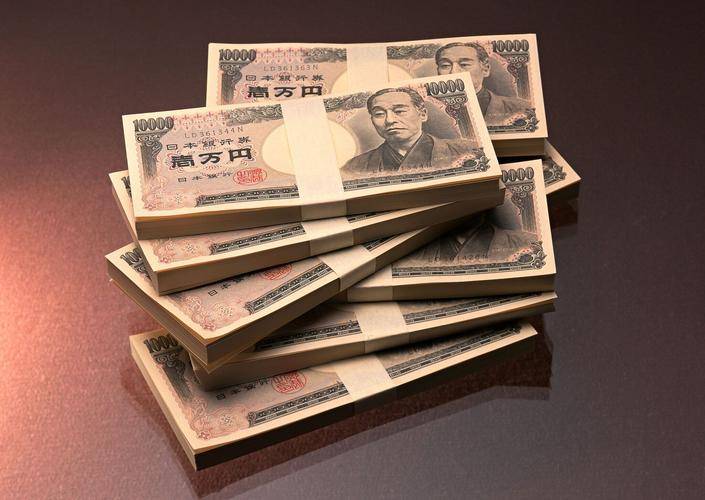
市场押注日本央行即将加息 日元领涨主要货币
Zhi Tong Cai Jing· 2025-12-16 09:15
Core Viewpoint - The Japanese yen is strengthening against all major currencies ahead of the anticipated interest rate hike by the Bank of Japan, driven by a rise in manufacturing confidence and expectations of the highest interest rates since 1995 [1] Group 1: Currency Movements - The yen appreciated by 0.4% against the dollar, reaching 154.68 yen per dollar, with the implied volatility of the dollar/yen exchange rate hitting its highest level since November of the previous year [1] - The strengthening of the yen is linked to the increase in Japan's large manufacturing confidence index, which has reached its strongest level in four years [1] Group 2: Economic Data Impact - Traders are preparing for the upcoming U.S. non-farm payroll report, which is expected to show a weak labor market, with a median forecast predicting an increase of 50,000 jobs and an unemployment rate rising to 4.5%, the highest since 2021 [1] - This employment report is anticipated to provide insights into the actual state of the U.S. labor market and set the tone for interest rate paths in the coming year [1] Group 3: Market Reactions - Teppei Ino, head of global market research at MUFG, indicated that if the U.S. labor data is weak, the dollar may face selling pressure, potentially causing the dollar/yen exchange rate to fall below the 154 mark [2]
Japan's economy minister says up to BOJ to decide 'specific monetary policy means'
Yahoo Finance· 2025-12-05 11:40
Group 1 - Japan's economic revitalisation minister, Minoru Kiuchi, emphasized the importance of communication between the central bank and the government regarding monetary policy, while not opposing a potential interest rate hike in the near term [1][2] - Kiuchi's remarks suggest that the government is unlikely to resist a decision to raise interest rates from 0.5% to 0.75% this month, reinforcing market expectations [2] - The Bank of Japan (BOJ) is expected to consider the implications of raising rates at its upcoming meeting on December 18-19, with indications that the government will accept this decision [3] Group 2 - Kiuchi oversees the Cabinet Office, which, along with the Ministry of Finance, has the authority to send representatives to BOJ policy meetings, although these representatives cannot vote [4]
Prospect of RBA Rate Hike Is Being Kicked Around
WSJ· 2025-12-04 03:08
Core Viewpoint - Economists at Australia's major banks are analyzing the possibility of an interest-rate increase as early as February [1] Group 1 - There is significant number crunching occurring among economists [1]

苦低利率久矣!日本地区银行巨头准备在利率见顶后“杀回”债市
Zhi Tong Cai Jing· 2025-10-23 02:33
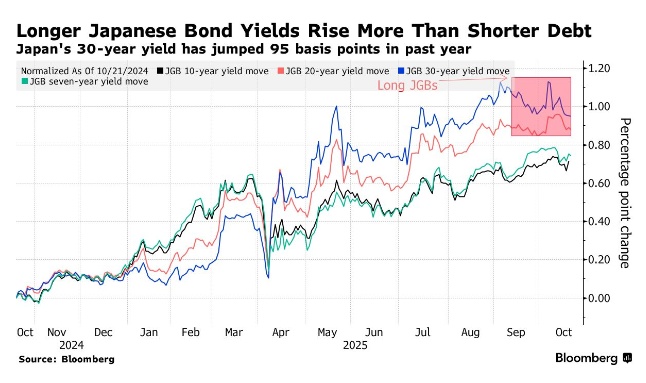
Core Viewpoint - Bank of Yokohama is preparing to re-enter the domestic bond market as the Bank of Japan approaches its peak interest rate, with expectations of rate hikes in the near future [1][5]. Group 1: Interest Rate Expectations - The Bank of Yokohama anticipates that the Bank of Japan will likely maintain interest rates this month but may raise them to 0.75% in December or January [1]. - The bank's market head, Hitoshi Inoue, predicts that the Bank of Japan will initiate further rate hikes in the fiscal year starting April 2026, potentially reaching a peak of 1.25% [1]. - Inoue expects that these actions could drive the 10-year Japanese government bond yield to around 2%, with the current yield at 1.65% [1]. Group 2: Investment Strategy - The Bank of Yokohama has begun to make "small" purchases of Japanese government bonds, focusing on two-year and five-year maturities due to their attractive yields [4]. - The bank's investment portfolio will primarily consist of sovereign bonds and equity investments in Japan and the U.S. as it adapts to a rising interest rate environment [1]. - The bank plans to maintain its current investment stance through the second half of the fiscal year ending March 2026 [4]. Group 3: Asset Composition - As of June 30, the Yokohama Financial Group's securities investment portfolio was approximately 2.1 trillion yen (about 140 billion USD), with about half allocated to Japanese government bonds and other yen-denominated securities [2]. - Inoue indicated that even with increased holdings in Japanese government bonds, the bank would retain some U.S. Treasury bonds as safe assets [6]. - The bank aims to keep its collateralized loan obligation (CLO) holdings stable, viewing CLOs as "high-quality assets with steady returns" [6].
小摩 CEO 戴蒙发出警示:市场对特朗普关税政策 “表现自满”,恐低估风险
贝塔投资智库· 2025-07-11 03:59
Core Viewpoint - Jamie Dimon, CEO of JPMorgan Chase, warns that the market is complacent regarding President Trump's tariff plans, emphasizing the need for a tariff framework and a trade agreement between the EU and the US [1][2] Group 1: Tariff and Trade Agreement - Dimon highlights the importance of reaching a preliminary trade agreement between the EU and the US, which may allow the EU to lock in a 10% tariff rate after the August 1 deadline for negotiations on a permanent agreement [1] - He notes that the EU is facing significant competitiveness issues, which are linked to sluggish economic growth in the region, as outlined in a report by former Italian Prime Minister Mario Draghi [1] Group 2: Interest Rate Outlook - Dimon believes that the likelihood of interest rate hikes is higher than market expectations, suggesting a probability of 40% to 50% for an increase, compared to the market's 20% [2] - He indicates that the Federal Reserve is currently in a wait-and-see mode due to expectations of rising inflation, which has prevented any rate cuts this year [1][2]