
增值税改革

Search documents
大行评级丨大摩:维持周大福目标价19港元及“增持”评级 上调盈利预测
Ge Long Hui· 2025-11-26 03:03
Core Viewpoint - Morgan Stanley's research report indicates that Chow Tai Fook's mid-term performance meets expectations, with an upward adjustment in gross margin guidance from 28.3-28.7% to 31-32%, exceeding the bank's forecast [1] Group 1: Financial Performance - The latest guidance suggests that net profit for the fiscal year 2026 will grow by 44-55% year-on-year, reaching HKD 85-91 billion, which translates to a year-on-year increase of 75-90% for the second half of the fiscal year [1] - The bank has raised its earnings per share forecast for fiscal year 2026 by 7% and net profit forecast by 6% to HKD 87.5 billion [1] - Earnings per share forecasts for 2027 and 2028 have been increased by 2%, based on expectations that gold prices will remain stable and the macro environment will gradually recover [1] Group 2: Market Outlook - Despite strong recent sales, the company maintains its original revenue guidance, with management expressing caution due to ongoing observation of demand trends post-VAT reform [1] - Current demand trends are better than management's expectations, and the company is confident in its competitive position, believing that tax reforms will benefit leading brands like Chow Tai Fook [1] - The target price remains at HKD 19 with a "buy" rating [1]

大摩:周大福(01929)上调毛利率指引幅度胜预期 维持目标价19港元 评级“增持”
Zhi Tong Cai Jing· 2025-11-26 02:25
Core Viewpoint - Morgan Stanley has raised the earnings per share forecast for Chow Tai Fook (01929) for the fiscal year 2026 by 7%, with net profit forecast increased by 6% to 8.75 billion HKD, and forecasts for 2027 to 2028 raised by 2% due to expectations of stable gold prices and gradual macroeconomic recovery [1] Group 1: Financial Performance - The mid-term performance of Chow Tai Fook met expectations, with the gross margin guidance raised from 28.3-28.7% to 31-32%, exceeding Morgan Stanley's expectations [1] - Considering higher hedging losses, the latest guidance indicates that net profit for fiscal year 2026 is expected to grow by 44-55% year-on-year, reaching 8.5 to 9.1 billion HKD, with a projected year-on-year growth of 75-90% in the second half of the fiscal year [1] Group 2: Sales Growth - From October 1 to November 18, same-store sales growth in mainland self-operated stores reached 48.7%, while franchise stores grew by 38.8%, and the Hong Kong and Macau markets saw an increase of 18.3% [1] - Despite price increases following the VAT reform, demand in November remained in double-digit growth [1] Group 3: Management Outlook - The company maintains its original revenue guidance, with management expressing a cautious attitude as they continue to observe demand trends post-VAT reform, indicating that future guidance will be updated accordingly [1] - Current demand trends have exceeded management's expectations, and the company is confident in its competitive position, believing that the tax reform will benefit leading brands like Chow Tai Fook [1]
大摩:周大福上调毛利率指引幅度胜预期 维持目标价19港元 评级“增持”
Zhi Tong Cai Jing· 2025-11-26 02:24
Core Viewpoint - Morgan Stanley has raised the earnings per share forecast for Chow Tai Fook (01929) for the fiscal year 2026 by 7% and the net profit forecast by 6% to 8.75 billion yuan, anticipating that gold prices will remain stable and the macro environment will gradually recover [1] Group 1: Earnings Forecast - The earnings per share forecast for 2027 to 2028 has been increased by 2% due to expectations of stable gold prices and a recovering macro environment [1] - The net profit for fiscal year 2026 is projected to grow by 44% to 55% year-on-year, reaching between 8.5 billion to 9.1 billion yuan, with a significant increase of 75% to 90% in the second half of the fiscal year [1] Group 2: Sales Performance - From October 1 to November 18, same-store sales growth for self-operated stores in mainland China reached 48.7%, while franchise stores grew by 38.8%, and the Hong Kong and Macau markets saw an increase of 18.3% [1] - Despite price increases following the VAT reform, demand in November continued to show mid-double-digit growth [1] Group 3: Management Guidance - The company has raised its gross margin guidance from 28.3% to 28.7% to a new range of 31% to 32%, exceeding Morgan Stanley's expectations [1] - Management remains cautious about revenue guidance, as they are still observing demand trends post-VAT reform, but current demand trends have surpassed their expectations [1] - The company expresses confidence in the competitive landscape, believing that the tax reform will benefit leading brands like Chow Tai Fook [1]
增值税起征点政策
蓝色柳林财税室· 2025-10-21 08:27
Core Points - The article discusses tax and fee incentives aimed at supporting the development of small and micro enterprises as well as individual businesses [2][3]. Group 1: Tax Incentives - Taxpayers who do not reach the VAT threshold are exempt from VAT [2]. - The VAT threshold is set as follows: for sales of goods, the monthly sales amount is between 5,000 to 20,000 yuan; for taxable services, the monthly sales amount is also between 5,000 to 20,000 yuan; for single-instance taxation, the sales amount per instance (day) is between 300 to 500 yuan [2]. - Local financial departments and tax authorities can determine the applicable threshold based on actual conditions within the specified range [2]. Group 2: Eligibility and Application - The VAT threshold applies only to individuals, including individual businesses and other personal entities [3]. - Individuals can handle invoice issuance and tax payment through online and offline channels such as the electronic tax bureau and tax service halls [4].


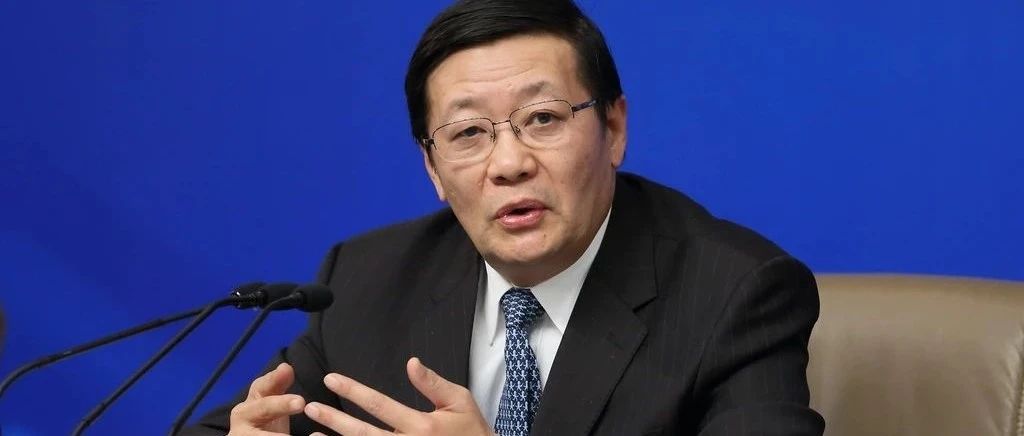
楼继伟:谋划新一轮财税体制改革要面对七个问题
和讯· 2025-08-26 10:34
Core Viewpoint - The article discusses the framework and requirements for a new round of fiscal and tax system reform in China, emphasizing the need to address current fiscal challenges and improve the fiscal structure to support a high-level socialist market economy [2][3]. Group 1: Increasing Fiscal Revenue - The proportion of fiscal revenue to GDP has decreased from 28%-29% in 2018 to 26% in 2023, with tax revenue at only 14.4% of GDP [4][6]. - The government fund budget revenue for 2023 is projected at 7 trillion yuan, primarily from land transfer income, which has seen a significant decline in net income due to rising costs and a sluggish real estate market [5][6]. - The current fiscal revenue ratio is lower than that of comparable countries, necessitating an increase in fiscal revenue to meet future public service demands, especially with an aging population [6][7]. Group 2: Enhancing Local Tax Systems - Local fiscal revenue heavily relies on shared taxes, with limited independent tax sources, necessitating reforms to increase local financial autonomy and expand tax sources [12][13]. - The article suggests that the reform should focus on optimizing the sharing ratio of shared taxes and enhancing local tax management authority [13][14]. Group 3: Central-Local Fiscal Relations - The current fiscal relationship between central and local governments is imbalanced, with local governments relying heavily on transfers from the central government, which is unsustainable [18][19]. - The article highlights the need for a clearer delineation of responsibilities between central and local governments to improve fiscal efficiency and governance [20][21]. Group 4: Policy Framework and Implementation - The article advocates for a comprehensive fiscal policy framework that includes increasing the fiscal deficit rate to support local governments and enhance public service provision [25][26]. - It emphasizes the importance of addressing the dual structure of urban and rural economies to promote balanced development and improve overall fiscal health [28][29]. Group 5: VAT System Improvement - The current VAT system needs reform to adapt to new economic realities, including the need for timely tax refunds to support businesses and stimulate economic activity [29][30]. - The article suggests adjusting the VAT collection mechanism to ensure it aligns with modern economic practices and supports innovation in various industries [31][32].
与普通人相关的“增值税改革”,我们划了五个重点
吴晓波频道· 2025-08-22 00:30
Core Viewpoint - The article emphasizes that effective tax policies should not merely focus on maximizing revenue but should be designed to enable businesses to thrive, thereby fostering economic growth and sustainable tax revenue generation [2][41]. Group 1: Overview of VAT Reform - The Ministry of Finance and the State Taxation Administration has solicited public opinions on the draft implementation regulations for the VAT law [3]. - VAT is a significant tax in China, projected to generate 6.57 trillion yuan in 2024, accounting for 38% of the total national tax revenue [4]. - The draft regulations consist of 57 articles covering key areas such as tax rate application, tax amount calculation, and tax incentives [7]. Group 2: Reasons for Reform - The reform is driven by the need to address multiple practical issues and development demands, including the complexity of the current VAT system established since 1994 [10][9]. - The new regulations aim to clarify who pays taxes, how much, and how deductions are managed, thereby reducing compliance costs for businesses [13][14]. Group 3: Key Changes in the Draft Regulations - Small-scale taxpayers can only upgrade their status and cannot revert to small-scale once classified as general taxpayers, closing loopholes for tax avoidance [15][16]. - The draft clarifies situations where input tax cannot be deducted, such as for personal consumption expenses, which simplifies accounting for businesses [19]. - The regulations tighten the rules around invoicing, preventing businesses from issuing false invoices to help clients save on taxes [20]. Group 4: Impact on Industries - Manufacturing and cross-border e-commerce are expected to benefit significantly from the new regulations, particularly due to clearer definitions of "overseas consumption" [25][28]. - The new rules allow for full deduction of input tax for equipment purchases under 5 million yuan, which can free up capital for businesses to invest in upgrades and R&D [24][26]. - The financial and real estate sectors will face stricter regulations regarding tax deductions, prompting businesses to be more vigilant about their expenses [34][36]. Group 5: New Opportunities and Challenges - The regulations may lead to the emergence of new professions, such as cross-border tax architects and digital tax management consultants, as businesses adapt to the new tax landscape [37]. - Companies may explore innovative strategies to optimize their tax burdens, such as forming cooperatives to benefit from tax exemptions [38].

“十四五”税制改革稳中求进,“十五五”重点何在?|“十四五”规划收官
Di Yi Cai Jing· 2025-06-16 13:36
Group 1 - The core viewpoint of the articles emphasizes the importance of tax reform during the "14th Five-Year Plan" period, focusing on enhancing local fiscal autonomy and addressing systemic issues that limit local government initiatives [1][10] - The "14th Five-Year Plan" has seen significant progress in tax reforms, particularly in areas like value-added tax and tax administration, while some reforms, such as personal income tax and real estate tax legislation, have faced delays due to various challenges [2][5][7] - The upcoming "15th Five-Year Plan" tax reforms will prioritize resolving local fiscal difficulties, implementing national strategic tasks, and establishing a more comprehensive modern tax system [3][10] Group 2 - The "14th Five-Year Plan" outlines seven main tax reform tasks, including optimizing the tax structure, improving the direct tax system, and advancing real estate tax legislation [4] - The progress of tax reforms has varied, with value-added tax reforms advancing rapidly due to prior experience and significant economic impact, while real estate tax legislation has been slower due to its complexity and societal sensitivity [5][6][7] - Future tax reforms will focus on enhancing fiscal revenue collection, with an emphasis on local government financial autonomy and the need for a stable macro tax burden to mitigate risks [11][12] Group 3 - The "15th Five-Year Plan" will continue some reforms from the "14th Five-Year Plan," such as moving consumption tax collection to local levels and refining value-added tax policies [10] - Individual income tax reforms are expected to maintain the current exemption threshold while gradually expanding the income base and unifying taxation for different income types [13][14] - The overall pace of tax reforms will depend on social consensus, the difficulty of interest adjustments, and the maturity of supporting mechanisms, reflecting a pragmatic approach to reform [9]