
对美投资

Search documents
韩拟“砸”1000亿美元换取美国减关税,将汇集三星等多家企业投资
Sou Hu Cai Jing· 2025-07-25 13:06
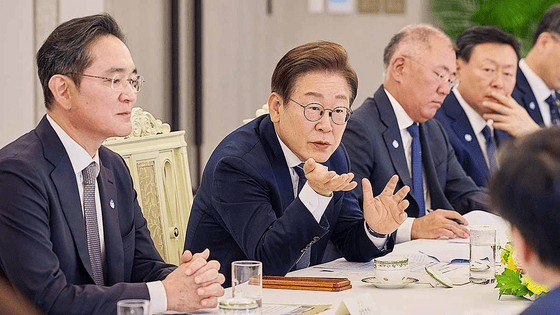
Group 1 - The South Korean government plans to propose an investment of at least $100 billion in the U.S. as a bargaining chip to negotiate lower tariffs [1] - Major South Korean conglomerates, including Samsung, SK Group, Hyundai Motor Group, and LG Group, have committed to participate in this investment plan [1] - The U.S.-Korea tariff negotiations have been delayed due to the urgent schedule of U.S. Treasury Secretary Mnuchin, raising speculation about U.S. pressure on South Korea [1] Group 2 - South Korea is under increasing negotiation pressure, especially after Japan secured a deal with the U.S. to establish a $550 billion fund for direct investment in exchange for reduced tariffs [3] - South Korea is considering the establishment of an investment fund as part of its negotiations with the U.S., potentially to invest in specific projects within the U.S. [3] - Analysts emphasize the importance of achieving a 15% tariff rate similar to Japan, with the automotive industry likely included in the agreement [5] Group 3 - President Trump has reiterated a strong stance on tariffs, indicating potential tariffs of 15% to 50% on various countries, including South Korea [5] - The urgency for South Korea to secure a large-scale investment deal is driven by the impending deadline of August 1, as it seeks to avoid becoming a target for high tariffs [5]

特朗普忘了初心
3 6 Ke· 2025-07-25 03:47
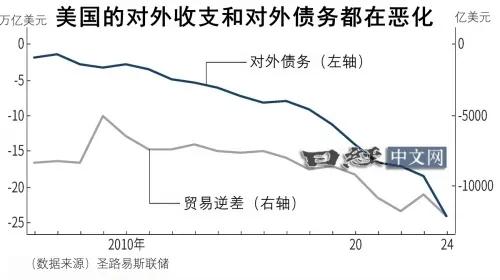
Core Points - The US-Japan tariff negotiations have resulted in an agreement, with Japan committing to invest $550 billion in the US, which is described as the largest transaction in history [2][3] - The negotiations have shifted focus from reducing trade deficits to increasing investment in the US, raising concerns about potential new economic risks globally [1][3] Group 1: Agreement Details - Japan will set up a policy-based financial mechanism to facilitate up to $550 billion in direct investment in the US [3] - The tariff rate imposed by the US on Japan has been reduced to 15% [2] - The agreement is seen as a model for future negotiations between the US and other regions, such as the EU [3] Group 2: Economic Implications - The US trade deficit is projected to reach $1.21 trillion in 2024, the highest on record, which could lead to economic crises similar to the 2008 Lehman crisis [3][6] - Japan's GDP could be negatively impacted by nearly 1% if a 25% reciprocal tariff is imposed, with Japanese automakers facing potential annual tariff burdens exceeding 3 trillion yen [5] - The agreement may stimulate negotiations with other countries, such as South Korea and Taiwan, as they seek to leverage investment in the US [6] Group 3: Broader Economic Context - The US's excessive consumption is identified as a root cause of the trade deficit, with the country’s external debt reaching $24 trillion [7] - The investment from Japan will further increase the US's external debt, raising questions about the effectiveness of the tariff policy in correcting trade imbalances [7] - The focus on attracting capital inflows into the US has shifted the original goal of reducing trade deficits [6][7]
美方公布协议概要,日本采购80亿美元美国农产品
日经中文网· 2025-07-24 08:06
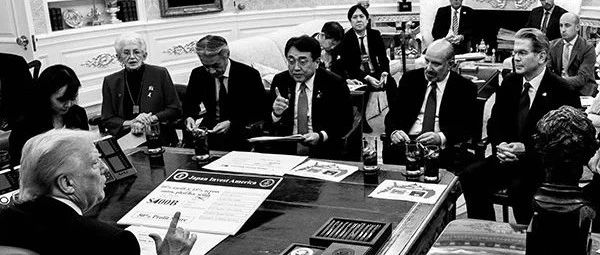
Group 1 - Japan will immediately increase imports of U.S. rice by 75% under the zero-tariff minimum market access framework, with a total import volume reaching approximately 600,000 tons [1][3] - Japan has agreed to purchase $8 billion worth of U.S. agricultural products, including soybeans, corn, fertilizers, bioethanol, and sustainable aviation fuel (SAF) [4] - The agreement emphasizes the importance of the U.S.-Japan alliance as a cornerstone for peace in the Indo-Pacific region and a driver for global growth and technological innovation [2] Group 2 - The U.S. government has highlighted a $550 billion investment commitment from Japan, focusing on strategic sectors such as energy infrastructure, semiconductor manufacturing, critical minerals, pharmaceuticals, and shipbuilding [2] - Japan will simplify certification procedures for U.S. cars deemed safe, allowing for easier market entry for American automotive products [3] - Japan has committed to purchasing U.S. military equipment and has plans to buy dozens of U.S. defense systems annually, alongside a commitment to purchase 100 Boeing aircraft [4]
你敢加关税,我就抛售美债?特朗普被反将一军,日本还有2张王牌
Sou Hu Cai Jing· 2025-07-15 05:32
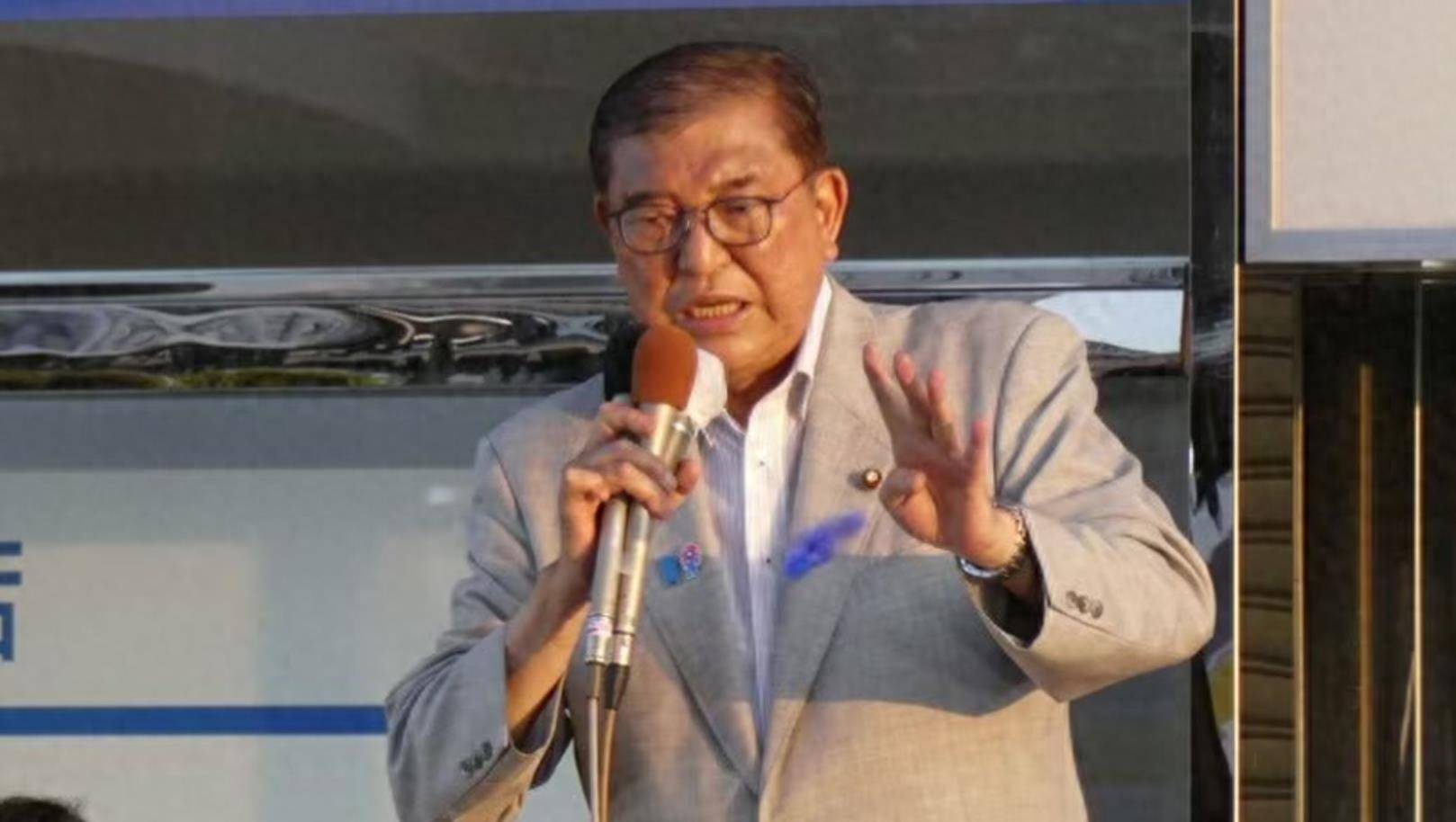
Core Viewpoint - The article discusses the implications of Trump's recent tariff threats against Japan and other countries, highlighting Japan's strong stance and its leverage in the form of U.S. Treasury holdings and investment in the U.S. [1][5][6] Group 1: Trump's Tariff Policy - Trump has threatened to impose a 25% tariff on Japan and South Korea, sending letters to 14 countries and notifying over 100 trade partners about upcoming tariffs [1] - An executive order has been signed to extend the 90-day "reciprocal tariff" measure until August 1 [1] - The approach taken by Trump indicates a lack of willingness to negotiate, aiming to pressure countries into compliance [1][8] Group 2: Japan's Response - Japanese Prime Minister Shigeru Ishiba emphasized the importance of national interests and stated that Japan will not be intimidated in tariff negotiations [3] - Ishiba's government is unlikely to make concessions due to the significant economic implications of U.S. demands, particularly concerning the automotive and agricultural sectors [3][5] - The upcoming Japanese Senate elections add pressure on Ishiba to maintain a strong position against U.S. tariffs [3] Group 3: Japan's Leverage - Japan holds significant U.S. Treasury bonds, which could be used as leverage in negotiations; a potential sell-off of these bonds could threaten the U.S. economy [5][6] - Japan is the largest foreign investor in the U.S., and a withdrawal of investments could lead to increased unemployment and inflation in the U.S., undermining Trump's promises to voters [6] - The presence of these two "trump cards" gives Japan the confidence to stand firm against U.S. tariff threats [5][6] Group 4: Implications of Trump's Strategy - Trump's direct notification of tariff increases suggests a lack of effective negotiation capability and low enforceability of the tariff policy [8] - The inability to reach agreements with countries before the 90-day deadline indicates challenges in managing multiple trade negotiations simultaneously [8]
英伟达等企业高管将造访白宫 料特朗普继续卖力拉投资
news flash· 2025-04-29 00:03
Core Viewpoint - Senior executives from major companies, including Nvidia, Johnson & Johnson, Toyota, Eli Lilly, and SoftBank, are visiting the White House to promote investment in the U.S. as part of an initiative led by President Trump [1] Group 1: Company Involvement - Executives from over 20 leading companies are participating in the White House event aimed at emphasizing investment in the U.S. [1] - Companies like Nvidia, Johnson & Johnson, and Toyota are among those represented, indicating a broad interest from various sectors [1] Group 2: Government Initiatives - President Trump plans to encourage extensive investments in defense, technology, healthcare, consumer goods, and investment funds as he marks his first 100 days in office [1] - Despite concerns from major companies regarding new tariffs, the administration is actively seeking to attract new investments [1] Group 3: Corporate Concerns - Some large corporations have expressed a desire to understand more about trade and government regulations before committing to new investments [1]
