
工业消费品价格

Search documents
国家统计局:受食品价格同比降幅扩大影响,8月份居民消费价格同比下降
Sou Hu Cai Jing· 2025-09-15 03:58
Economic Overview - In August, the Consumer Price Index (CPI) remained flat month-on-month, with a year-on-year decrease of 0.4%, influenced by high base effects from the previous year [2][3] - Food prices increased by 0.5% month-on-month, while non-food prices decreased by 0.1% [2] Year-on-Year Analysis - The year-on-year decline in CPI was primarily due to a 4.3% drop in food prices, with significant decreases in pork, fresh vegetables, and eggs, all exceeding 10% [3] - Core CPI, excluding food and energy, rose by 0.9% year-on-year, marking an increase for four consecutive months, driven by rising industrial consumer goods and service prices [3][4] Industrial Consumer Goods - Industrial consumer goods prices, excluding energy, increased by 1.5% year-on-year, with notable price rises in household appliances and entertainment durable goods [4] - The price increase in industrial consumer goods is attributed to improved supply-demand dynamics and policies promoting consumption upgrades [4] Service Prices - Service prices rose by 0.6% year-on-year, supported by increased demand for high-quality social services and tourism during the summer [5] - Key service sectors such as medical and educational services saw price increases of 1.6% and 1.2%, respectively, indicating a steady upward trend in service pricing [5] Future Outlook - The government aims to continue expanding domestic demand and implementing consumption-boosting initiatives to promote reasonable price recovery [5]

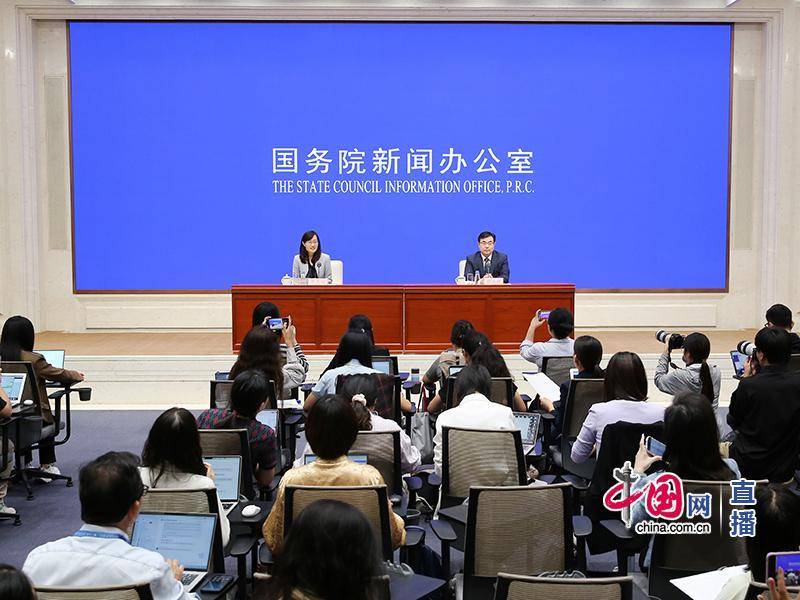
国家统计局:两个原因带动核心CPI连续三个月扩大
Xin Jing Bao· 2025-08-15 03:40
Core Insights - The core CPI has expanded for three consecutive months, primarily due to the implementation of consumption-boosting initiatives and the regulation of corporate competition [1][2] - In July, the national consumer price index remained flat year-on-year, with a month-on-month increase of 0.4%, indicating a low operating trend for the year [1] - The core CPI, excluding food and energy prices, rose by 0.8% year-on-year in July, with the growth rate increasing by 0.1 percentage points from the previous month [1] Economic Factors - The implementation of consumption-boosting initiatives has gradually released the potential for goods and services consumption, enhancing price momentum [1] - The steady progress in building a unified domestic market has curbed disorderly low-price competition among enterprises, contributing to price recovery [1] Price Structure - Both industrial consumer goods prices and service prices have shown stable increases, driving the expansion of the core CPI [1] - In July, industrial consumer goods prices, excluding energy, rose by 1.2% year-on-year, marking three consecutive months of growth [1] - Service prices increased by 0.5% year-on-year, surpassing the CPI growth rate, and have been on the rise since March [1] - The prices of gold and platinum jewelry increased significantly in July, by 37.1% and 27.3% year-on-year, respectively, contributing to the rise in core CPI [1]
6月通胀数据点评:核心CPI同比持续回升
Tai Ping Yang Zheng Quan· 2025-07-09 23:30
Group 1: CPI Analysis - China's June CPI increased by 0.1% year-on-year, reversing a four-month decline, exceeding market expectations[4] - The month-on-month CPI decreased by 0.1%, but the decline was narrower than the previous month by 0.1 percentage points[6] - Industrial consumer goods prices stabilized and contributed to the CPI increase, with a reduction in the downward impact on CPI by approximately 0.18 percentage points[6] Group 2: PPI Analysis - China's June PPI decreased by 3.6% year-on-year, with the decline widening by 0.3 percentage points compared to the previous month[4] - The PPI's further decline reflects accumulated supply-side pressures and weak demand[23] - Upstream industrial prices faced significant pressure, with mining industry prices dropping by 13.2% year-on-year[27] Group 3: Price Trends - Core CPI, excluding food and energy, rose by 0.7%, marking a 14-month high, supported by resilient service prices[20] - Energy prices increased by 0.1% month-on-month, reversing the previous downward trend, influenced by geopolitical factors[16] - Food prices decreased by 0.4% month-on-month, but the decline was smaller than seasonal expectations by 0.5 percentage points[14]
国家统计局:提振消费等政策效应显现 CPI的积极变化在累积
Sou Hu Cai Jing· 2025-06-16 03:32
Economic Overview - In May, the Consumer Price Index (CPI) experienced a slight year-on-year decline of 0.1% and a month-on-month decrease of 0.2%, indicating stable economic performance despite the drop [1][2] - The decline in CPI was primarily influenced by international input factors and falling food prices, with energy prices being a significant contributor [1][2] Energy Prices - International energy prices decreased, leading to a reduction in domestic prices for gasoline and related consumer goods. The energy prices in the CPI fell by 1.7% month-on-month, contributing approximately 0.13 percentage points to the overall CPI decline [1] - Year-on-year, energy prices dropped by 6.1%, impacting the CPI by about 0.47 percentage points [1] Food Prices - The availability of fresh food items, such as vegetables and poultry, increased, resulting in a decline in food prices. Month-on-month, food prices fell by 0.2%, contributing around 0.04 percentage points to the CPI decrease [2] - Year-on-year, food prices decreased by 0.4%, with a more significant decline compared to the previous month [2] Core CPI and Industrial Prices - The core CPI, which excludes food and energy, rose by 0.6% year-on-year, reflecting a gradual strengthening of domestic demand [2][3] - Prices of industrial consumer goods, excluding energy, also increased by 0.6% year-on-year, with notable price rises in entertainment durable goods like mobile phones and computers, which saw a 1.8% increase [2] Service Prices - Service prices increased by 0.5% year-on-year, driven by holiday demand and a rise in educational and cultural services. Notable increases included airfare and tourism prices, which rose by 1.2% and 0.9%, respectively [3] - Prices for household and educational services also saw increases of 1.7% and 1.2% [3] Policy Implications - The current price situation requires a comprehensive perspective, recognizing the positive effects of policies aimed at expanding domestic demand and promoting reasonable price recovery [3] - Future strategies should focus on balancing domestic demand expansion with supply-side structural reforms to improve market price order and enhance supply-demand relationships [3]